Why 6th Grade Handwriting Practice Still Belongs in the Day
By sixth grade, most students know how to form letters, but that does not mean handwriting instruction is finished. Teachers still see uneven spacing, rushed print, inconsistent slant, and written responses that become harder to read as students try to work faster. That is why 6th grade handwriting worksheets still have a clear place in middle grade classrooms. The goal is no longer early letter formation. The goal is readable, efficient writing that supports note-taking, short responses, extended writing, and cleaner work across subjects.
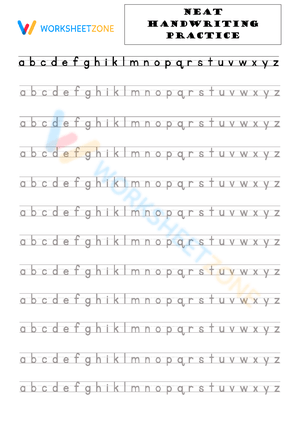
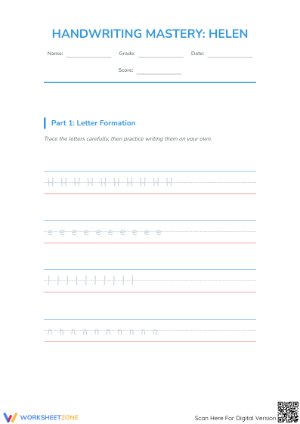
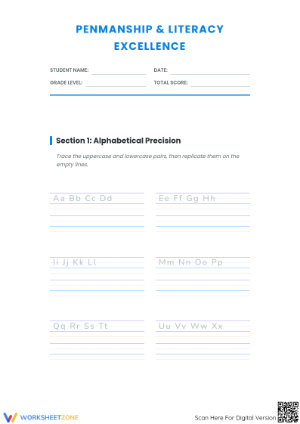
Worksheetzone organizes printable practice for Grade 6 in formats that match that need. Teachers can pull sentence practice, paragraph copying, cursive review, alphabet refreshers when needed, and blank handwriting pages without giving students materials that feel too young. That matters in sixth grade. Students are more likely to engage when the page looks age-appropriate and the task feels connected to real classroom writing.
What Sixth Graders Should Practice in Handwriting
Handwriting practice for older students should move beyond tracing and isolated letter drills. Sixth graders benefit more from work that helps them write neatly and fluently under normal classroom conditions. That means practice should look like the writing tasks they already face during the week.
- Letter consistency: students should keep letter size and shape stable from line to line.
- Spacing: words need enough separation to stay readable, especially in longer responses.
- Alignment: letters should sit correctly on the line so writing does not drift upward or downward.
- Sentence copying: students need practice holding a model in mind while reproducing it accurately.
- Paragraph stamina: longer copying or response practice helps students maintain readability over time.
- Cursive review: when cursive is part of the program, students may need refreshers for joins, rhythm, and speed.
These areas match the shift that happens in Grade 6. Students are expected to write more in every subject, not just in ELA. If handwriting breaks down after two sentences, the problem shows up in science notes, social studies explanations, math reflections, and written assessments. Practice should therefore target endurance and control, not just neatness on a single word.
Which Worksheet Types Work Best for Grade 6
Older students usually respond best when teachers can vary the format and purpose of practice. Worksheetzone's Grade 6 handwriting collection supports that by offering printable choices that can be matched to different classroom goals rather than relying on one repetitive page type.
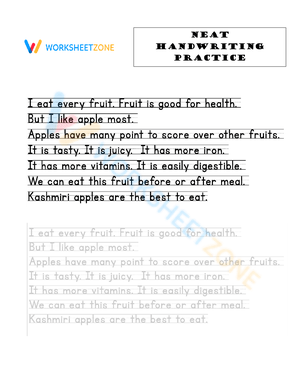
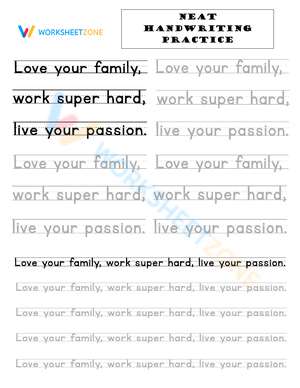
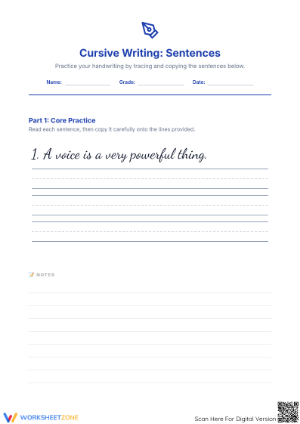
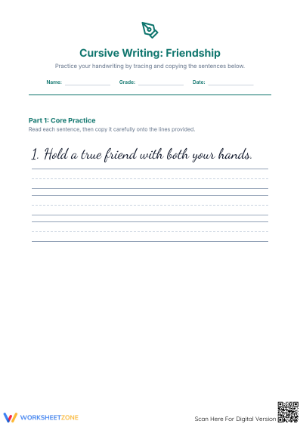
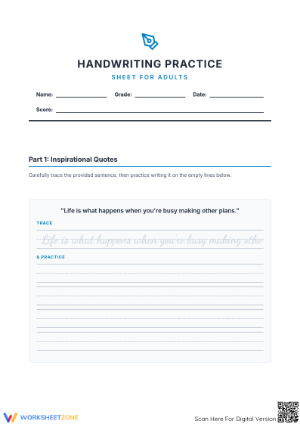
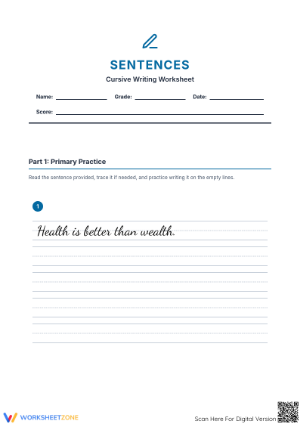
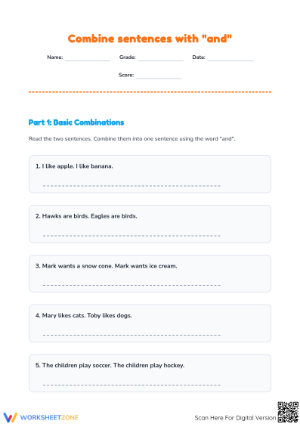
Sentence practice worksheets are useful for warm-ups because they are short and easy to review. Teachers can choose a focused sentence for students to copy neatly, then ask them to circle their best spacing or underline the word they wrote most clearly. This turns practice into quick self-monitoring instead of passive copying.
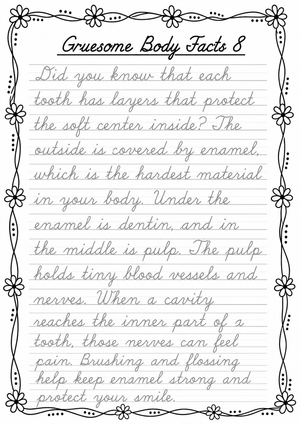
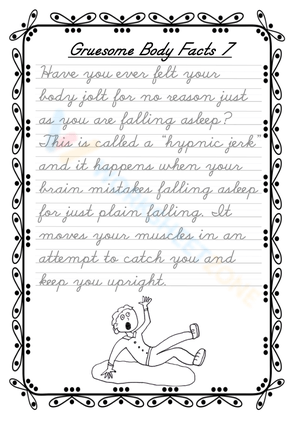
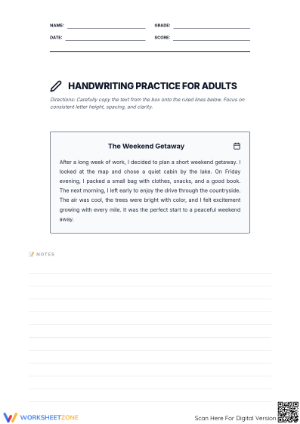
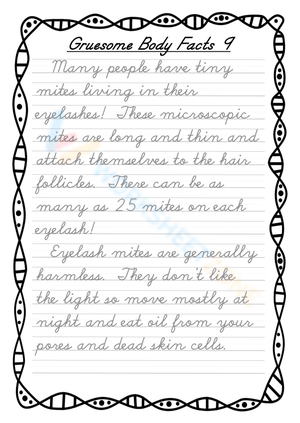
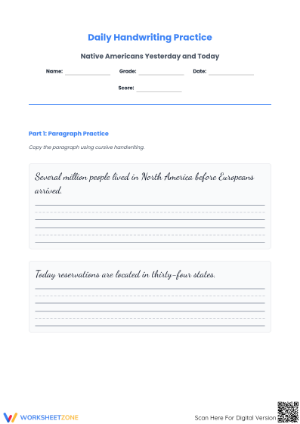
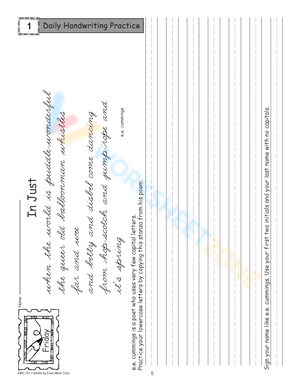
Paragraph handwriting worksheets are better for building stamina. They show whether a student can keep letter size, spacing, and alignment steady over several lines. These pages are especially helpful for intervention groups and for students whose work begins clearly but becomes harder to read as volume increases.
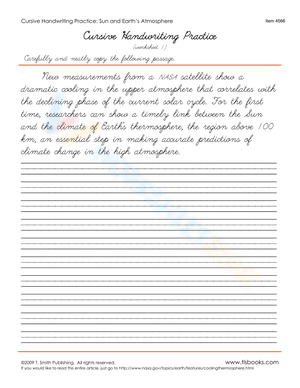
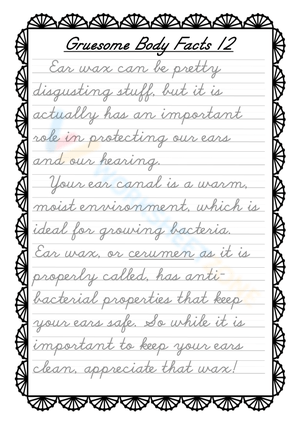
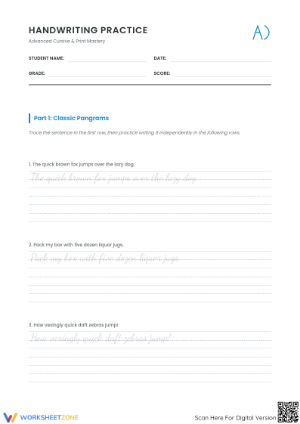
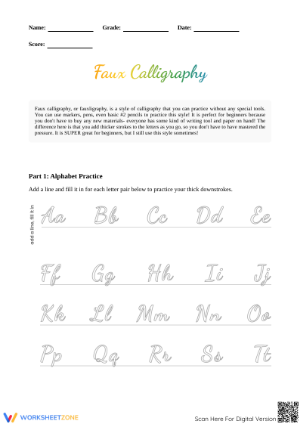
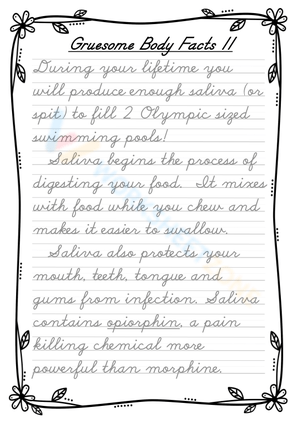
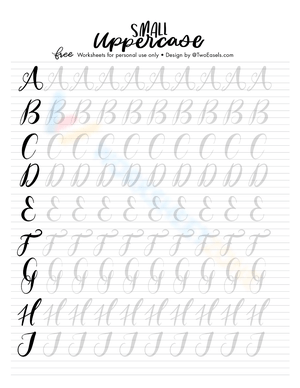
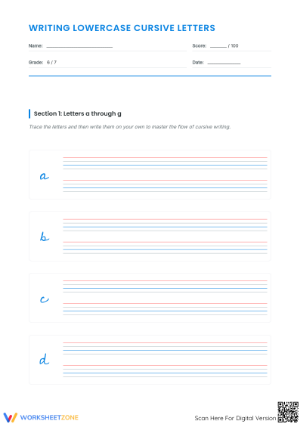
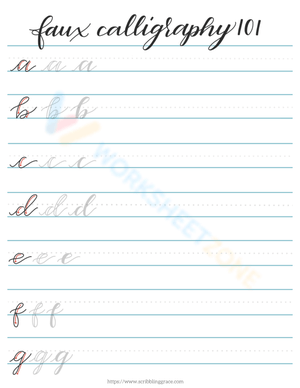
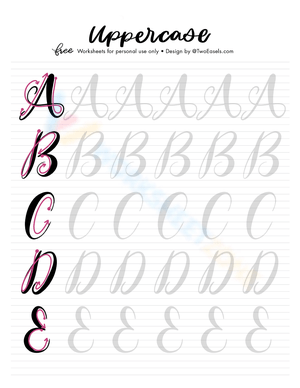
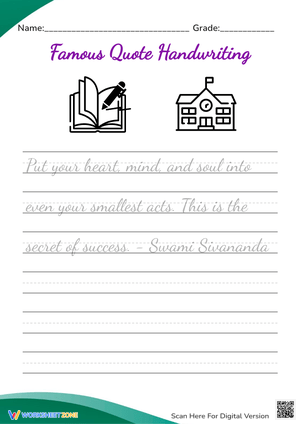
Cursive worksheets still have a place when students need review or when a school expects cursive fluency for signatures, note-taking, or reading handwritten text. In sixth grade, cursive pages should feel like a refresher, not an early-primary lesson. Short review passages and joined-letter practice are usually a better fit than decorative drills.
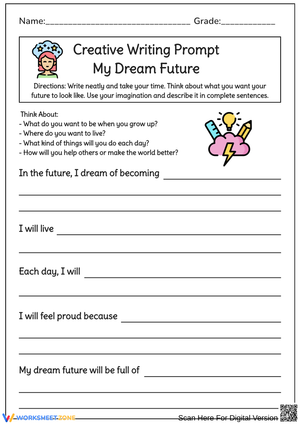
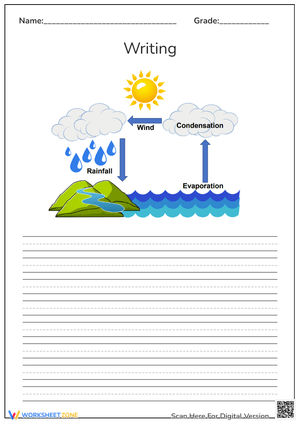
Blank handwriting paper is also useful because it lets teachers move from guided copying to independent written responses. After practicing on a modeled page, students can transfer the same expectations to a short summary, journal response, or content-area explanation. That bridge from worksheet to authentic writing is where the routine becomes most useful.
How Handwriting Supports Fluency and Written Output
Teachers often notice the connection before they name it: when students struggle to form letters smoothly, writing itself slows down. More attention goes to producing the text, leaving less mental energy for planning ideas, organizing information, or choosing precise words. For a sixth grader, that can mean the difference between a complete response and one that trails off halfway through.
Reading Rockets highlights K-12 evidence showing that handwriting instruction is associated with stronger legibility and fluency, and that improvement can support broader writing performance. That matters in Grade 6 because written tasks are longer, faster, and more frequent than they were in earlier grades.
A practical takeaway for middle school teachers is that handwriting problems often appear first as an output problem rather than a formation problem. A student may know how letters should look in isolation but lose consistency once note-taking speed, paragraph length, and classroom time pressure increase. That is why brief sentence and paragraph routines can reveal more than single-letter checks.
Classroom Implementation
The best classroom routines are short enough to sustain and specific enough to measure. Most teachers do not need a separate handwriting block for 6th grade handwriting worksheets to make a difference. A 5-minute routine at the start of class, after transitions, or during intervention time is often enough if the target stays focused.
One simple weekly pattern works well:
- Monday: sentence copying with a spacing focus.
- Tuesday: sentence or short passage with attention to letter size.
- Wednesday: cursive review or mixed print practice based on student need.
- Thursday: paragraph copying for stamina and alignment.
- Friday: independent response on blank handwriting paper using the week's expectations.
This kind of routine helps teachers keep practice consistent without spending planning time on something new every day. It also gives students a repeated structure, which makes the work feel predictable rather than punitive. When students know the task will be short and purposeful, resistance tends to drop.
Across subjects, these worksheets can connect directly to classroom content. Teachers can choose science vocabulary sentences, social studies statements, or response stems that mirror the writing students will produce later. That keeps the routine grounded in real schoolwork instead of making handwriting feel separate from academic expectations.
What Makes a Handwriting Worksheet Feel Age-Appropriate
Sixth graders will usually reject pages that look designed for very young learners, even when they still need the practice. Age-appropriate handwriting worksheets solve that problem by changing the presentation and the task demand. The page should look clean, direct, and academic. The content should sound mature enough for middle school. The work should focus on polish, control, and fluency rather than on novelty graphics or oversized tracing prompts.
Teachers can also raise engagement by making success criteria visible. Instead of saying only "write neatly," name the feature being practiced: even spacing, steady size, clear descenders, or readable paragraph flow. Students at this age respond better when they know exactly what improvement looks like and can check it for themselves.
When a worksheet supports those expectations, it stops feeling elementary and starts functioning as a writing support tool. That is the real value of well-chosen Grade 6 handwriting materials.
Frequently Asked Questions
1. What should 6th graders practice in handwriting?
They should practice the features that affect readability in everyday classwork: consistent letter size, spacing between words, alignment on the line, sentence copying, paragraph stamina, and cursive review when needed. In Grade 6, handwriting work should reflect real writing demands, not just isolated letter drills.
2. Are cursive worksheets still useful in sixth grade?
Yes, when they are used as review or fluency practice rather than as beginner instruction. Some students need refreshers on joins, rhythm, and maintaining readable cursive over a full sentence. Short cursive worksheets can also help students read and produce handwritten text more confidently.
3. How can teachers use handwriting worksheets without giving up too much class time?
The most efficient approach is a short daily routine, often about 5 minutes. Teachers can use one worksheet as a bell-ringer, transition task, center activity, or intervention warm-up. Over time, that steady practice can improve written clarity without requiring a separate extended lesson block.
4. What makes a handwriting worksheet appropriate for middle school students?
It should look clean and mature, avoid primary-grade presentation, and focus on practical outcomes such as legibility, consistency, and fluency. Sentence practice, paragraph copying, cursive review, and blank handwriting paper usually fit this age better because they mirror the kinds of writing students already do across subjects.