Why 4th grade reading fill in the blank worksheets fit daily instruction
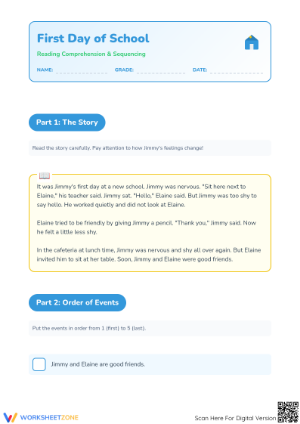
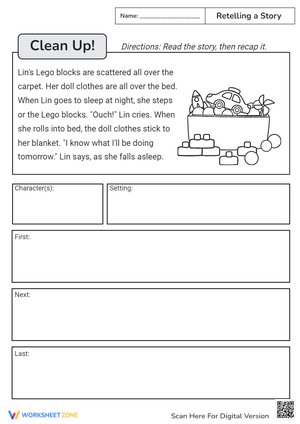
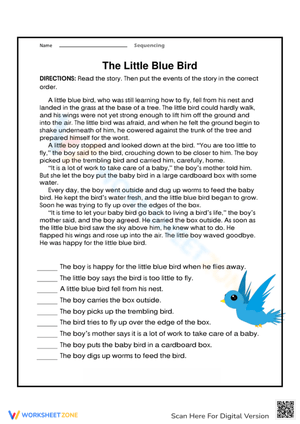
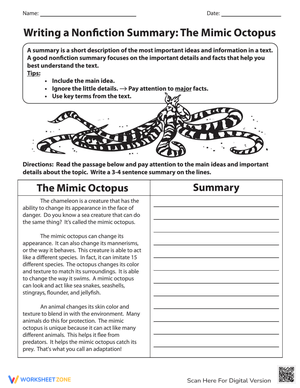
4th grade reading fill in the blank worksheets work best when teachers need focused practice that stays tied to comprehension instead of isolated guessing. In Grade 4, students are expected to read closely, notice details that matter, and explain what a passage says before moving to a larger conclusion. A short blank-completion task can support that work because it asks students to return to the text, confirm meaning, and choose language that fits the sentence, paragraph, or passage context.
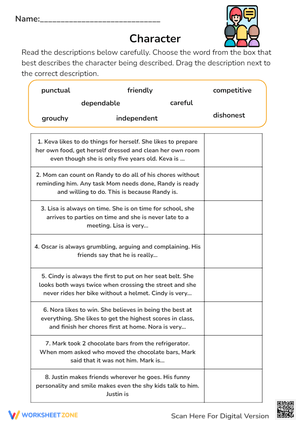
On Worksheetzone, teachers can pull from a dedicated reading path within Grade 4 English Language Arts fill in the blanks resources, which makes the format useful for quick planning. That matters when a class needs a warm-up, a small-group follow-up after guided reading, or an independent practice task that does not require heavy setup. Instead of treating blanks as random missing words, the strongest reading pages ask students to prove they understood the passage well enough to complete an idea accurately.
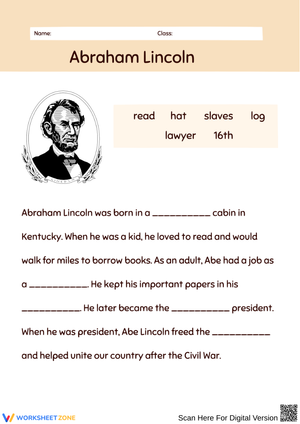
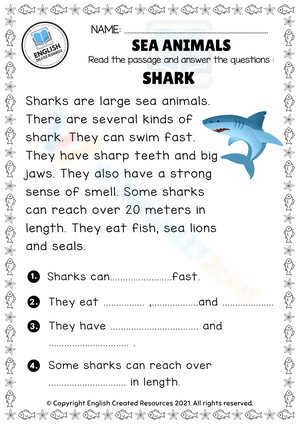
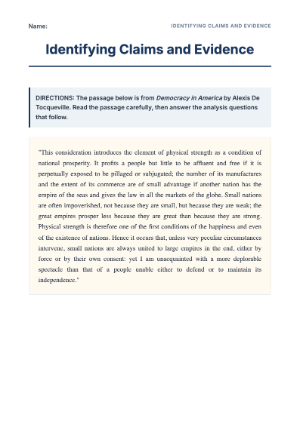
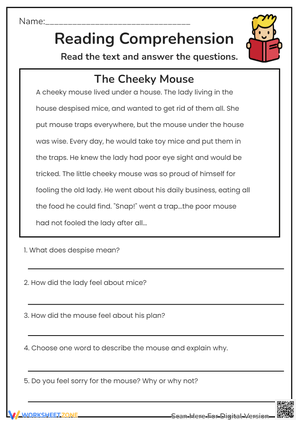
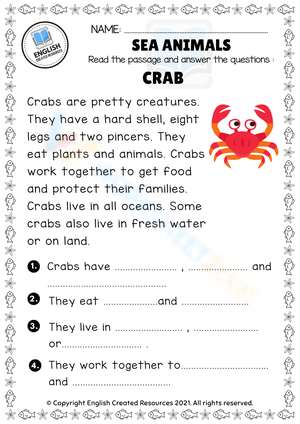
A useful design principle for Grade 4 is to place blanks after meaning has been established, not before. When students read a short passage first and then complete targeted blanks about main idea, vocabulary in context, or an inferred detail, the task becomes a comprehension check with a low writing load. That is especially effective for quick formative review because it separates reading understanding from longer written response demands.
Which reading skills these worksheets strengthen most clearly
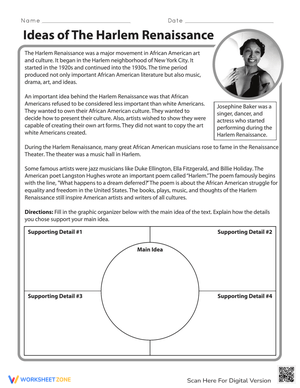
The best 4th grade reading fill in the blank worksheets support a narrow set of high-value reading skills. Teachers can use them to reinforce what students should already be doing during whole-group reading lessons, but in a shorter format that is easier to assign for review or intervention.
- Text evidence: Students revisit phrases and details from the passage to complete a sentence accurately.
- Inference: Blanks can ask students to supply an idea that is implied by the text, not stated word for word.
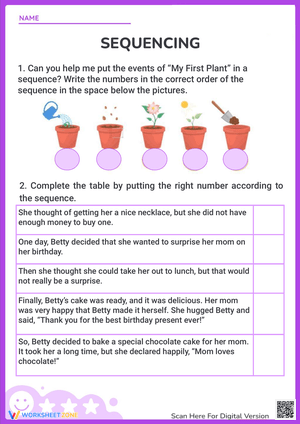
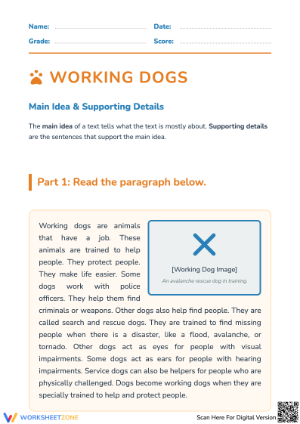
- Main idea and summary: A short set of blanks can help students identify the central point and supporting details without writing a full paragraph.
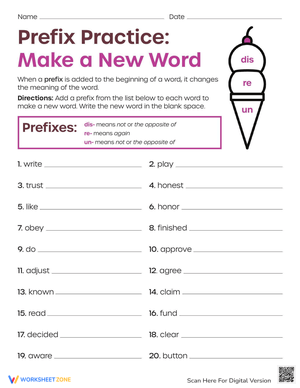
- Vocabulary in context: Students use nearby clues to determine which word or phrase makes sense in a passage-based sentence.
- Recall of key details: Teachers can quickly see whether students held onto important information after reading.
That combination makes the format practical for more than one classroom moment. A teacher might use the same type of worksheet as a bell ringer on Monday, a center task on Wednesday, and a short homework review on Thursday. The task stays familiar, but the reading demand can shift based on the passage and the kind of blanks included.
Literary and informational passages should not be taught the same way
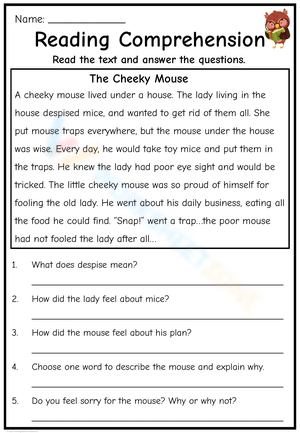
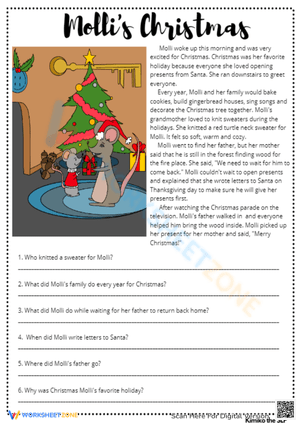
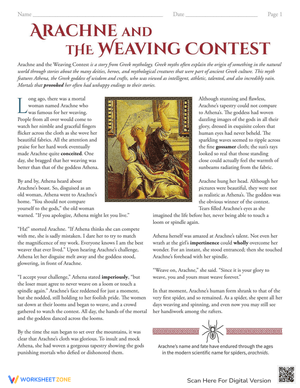
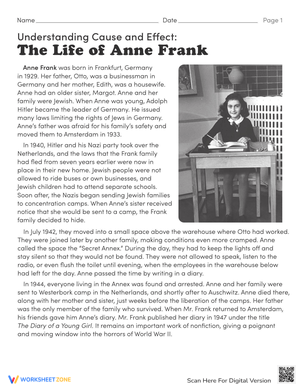
Grade 4 reading instruction covers both literary and informational texts, so worksheet selection should reflect that difference. Literary passage blanks often work best when students must infer a character trait, identify what motivates an action, or complete a statement about the lesson, theme, or sequence of events. Informational passage blanks usually work better when students must identify the main idea, connect a supporting detail, define a domain-specific word from context, or complete a cause-and-effect relationship.
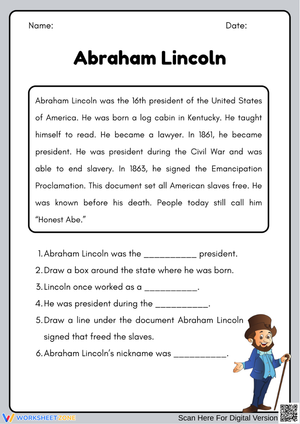
Using both passage types matters because students often look stronger in one text category than the other. A class may do well with plot-based recall but need more support when reading a short article with headings, facts, or explanation. When teachers rotate literary and informational fill-in-the-blank reading tasks, they get a faster picture of where comprehension is steady and where it breaks down.
Grade 4 standards point to evidence, inference, and summary
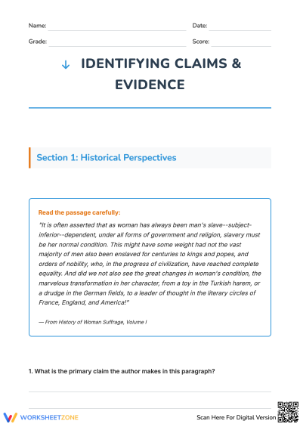
Grade 4 reading worksheets should reflect what students are asked to do with a text, not just what they can remember from it. The Common Core State Standards Initiative pages listed in the source set point toward evidence-based explanation, inference, identifying main idea, and reading with enough accuracy and fluency to support understanding. Those expectations line up well with short passage blanks when the missing words require reading comprehension rather than guesswork.
Citation capsule: The Common Core State Standards Initiative source set for Grade 4 highlights 4 connected reading expectations: RL.4.1 and RI.4.1 ask students to use details and examples for explanation and inference, RI.4.2 targets main idea and summary, and RF.4.4 connects fluent reading to comprehension support.
That alignment is why these worksheets can be more instructionally useful than they first appear. A blank that asks for a supporting detail, a concluding idea, or a context-based word choice gives teachers a narrow but valid check on whether students processed the text with purpose. The format is brief, but the thinking can still be substantive.
Classroom Implementation
These worksheets are most effective when teachers match them to a clear part of the lesson cycle. They are not a replacement for discussion, read-aloud modeling, or written response, but they are efficient for reinforcing a skill after instruction and before a larger assessment.
- Centers: Use one passage and a short blank set as an independent station after students have practiced the same skill in guided reading.
- Bell ringers: Start the day with a 5-minute passage review that targets one inference or main idea skill.
- Exit tickets: Assign 2 or 3 blanks based on a short text to see whether students can apply the day's strategy on their own.
- Homework: Send home brief passage work that families can support without needing a long written explanation.
- Intervention: Use the same format across several days so students can focus on the reading move rather than new directions.
For classroom flow, it helps to preview the blank set aloud before students begin. Teachers can remind students to reread the sentence, look back at the passage, and confirm that the completed response sounds accurate in context. That routine builds productive habits without turning the task into a test-prep script.
Differentiate by controlling passage load, not by lowering the thinking
Differentiation works well with this format because teachers can adjust passage length, vocabulary support, and the number of blanks while preserving the same core reading target. A student who struggles with stamina may need a shorter informational text, while another student may be ready for denser passage language and more inferential blanks. The skill can stay constant even when the access point changes.
For small-group support, teachers can narrow the task in practical ways:
- Reduce the number of blanks and focus on one reading goal at a time.
- Choose passages with clearer context clues when vocabulary in context is the target.
- Model how to locate one supporting detail before asking students to complete the next item independently.
- Group students by text type need, such as literary inference or informational main idea.
For stronger readers, the same worksheet style can be extended by asking students to justify each answer orally after completion. That extra move keeps the task grounded in text evidence and prevents a quick finisher activity from becoming superficial practice.
What teachers should look for in a strong worksheet set
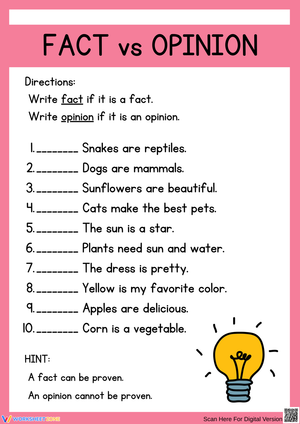
Not every blank-completion page supports real reading work. Strong 4th grade reading fill in the blank worksheets usually share a few features: the passage is short enough for repeated reading, the blanks connect to a meaningful comprehension target, and the answers can be verified by the text itself. If a student can fill every blank without reading carefully, the page is probably measuring guess patterns more than comprehension.
Teachers should also look for variety across the set. A useful collection includes practice for recalling details, drawing inferences, identifying central ideas, and reading words in context across both story-based and informational passages. That range makes the resource more flexible for review weeks, reteach lessons, and ongoing skill maintenance.
Worksheetzone helps by organizing Grade 4 ELA fill in the blanks resources into reading paths and narrower reading comprehension strategy areas. For planners, that means less time sorting through unrelated worksheet types and more time choosing a page that fits the lesson objective.
Frequently Asked Questions
1. What skills do 4th grade reading fill in the blank worksheets practice?
They most often practice text evidence, inference, main idea, summary, vocabulary in context, and recall of key details. The strongest pages keep those skills tied to a passage so students must read for meaning before completing the blanks.
2. How can teachers use these worksheets for centers or homework?
They fit well in centers because directions are brief and the format is predictable. For homework, they give students a manageable amount of reading practice that can be completed independently while still matching Grade 4 classroom targets.
3. Are these worksheets better for reading comprehension or vocabulary review?
They can do both, but they are most effective when vocabulary review stays inside passage meaning. When a student uses context to complete a blank accurately, the task supports comprehension and word meaning at the same time.
4. Can fill-in-the-blank reading activities support test prep in Grade 4?
Yes, when the blanks require students to return to details, infer from context, and identify main ideas. That makes them useful for test-prep routines, but they work best as short skill checks within regular instruction rather than as isolated drill.