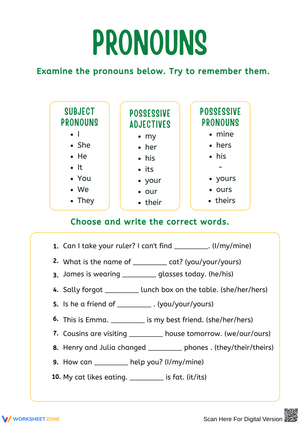
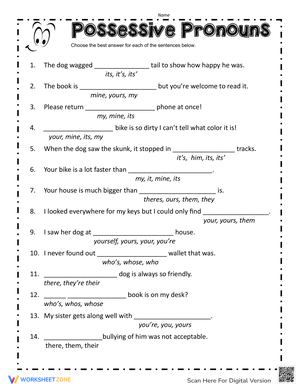
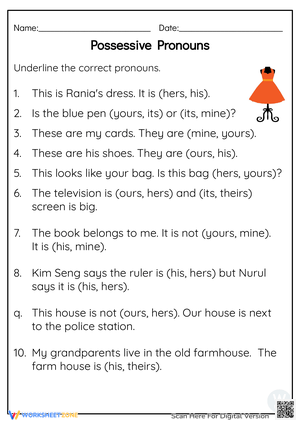
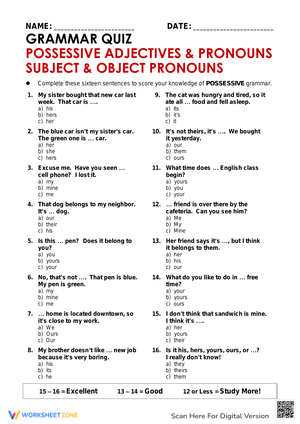
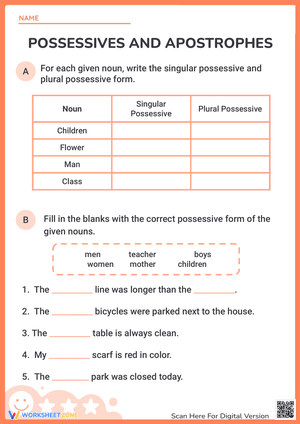
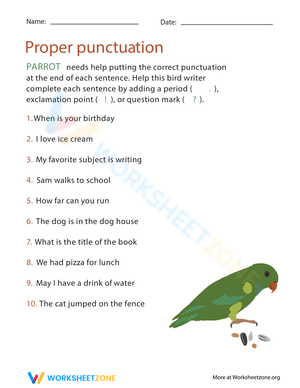
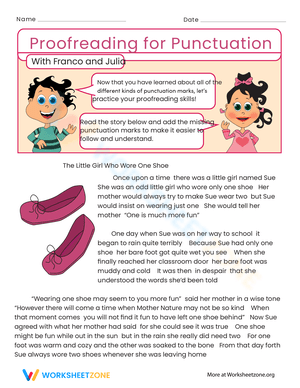
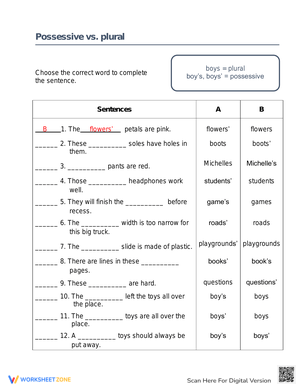
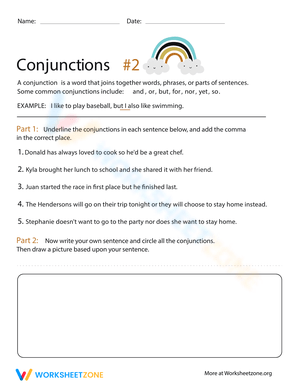
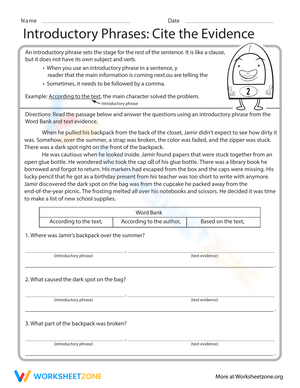
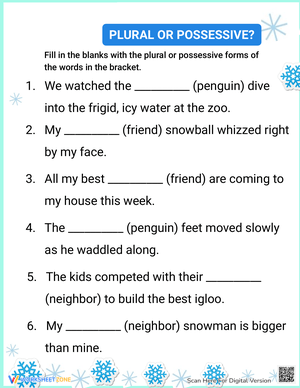
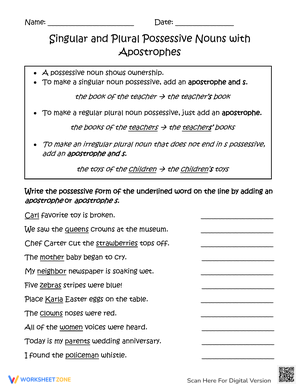
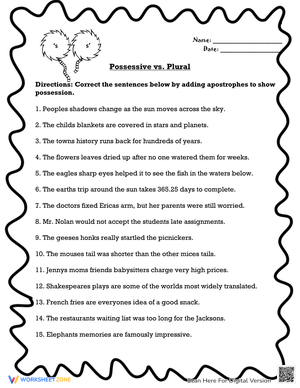
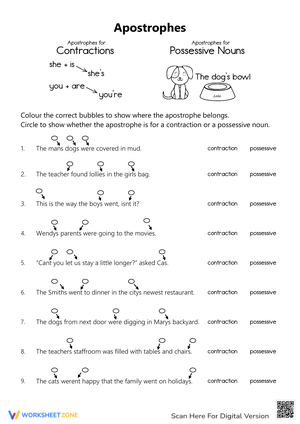
These 3rd grade punctuation worksheets target the mechanics that become genuinely complicated in grade three: dialogue formatting, possessives, commas in addresses, and the consistent application of end marks across longer, more complex sentences. The set includes proofreading passages, sentence rewrites, and fill-in-the-blank exercises — formats that move students from recognizing errors to correcting them independently. Teachers get resources that fit into an existing writing block without needing significant prep.
The Specific Skills These Worksheets Build
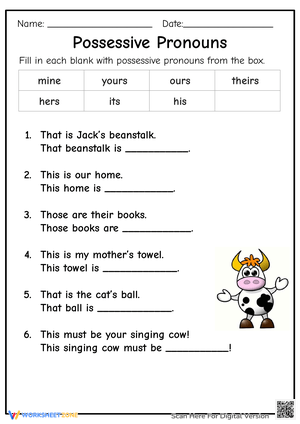
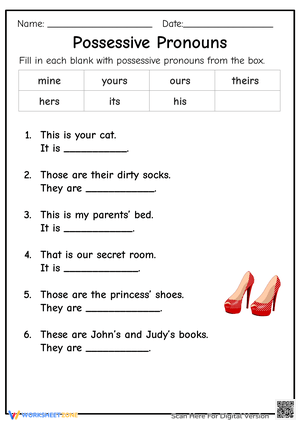
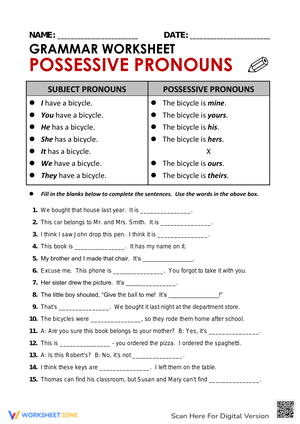
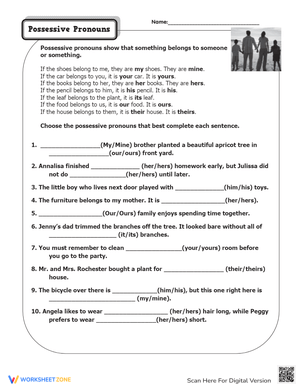
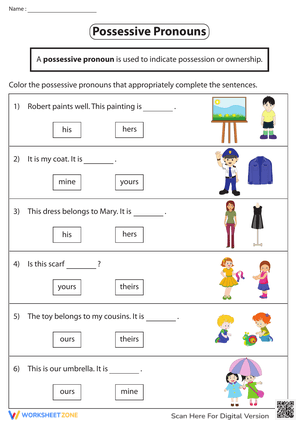
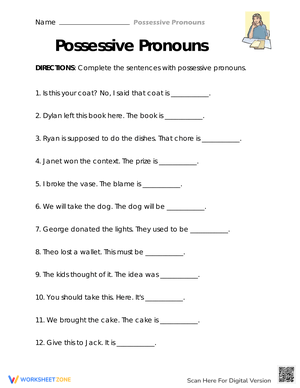
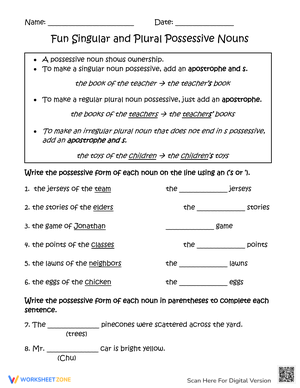
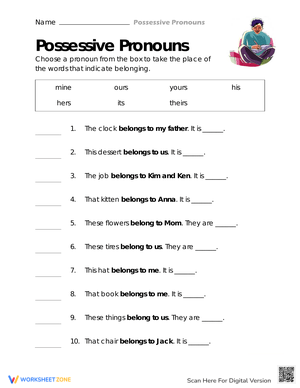
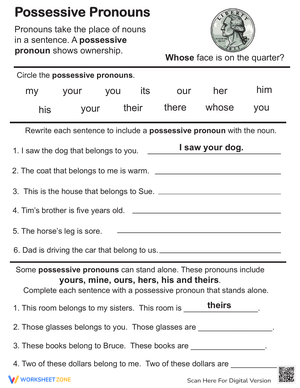
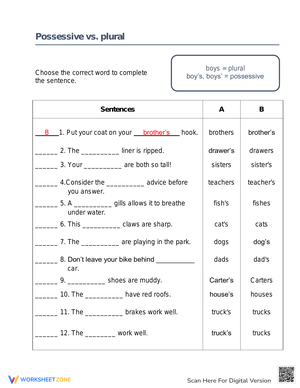
The range of skills covered here reflects the full scope of CCSS L.3.2 — not just the most commonly taught parts. Students practice placing commas between city and state in addresses, a skill that becomes immediately relevant when they write friendly letters or thank-you notes. They work with quotation marks in dialogue, learning where the comma sits before a speaker tag and where end punctuation lands relative to the closing quotation mark. Possessives get their own focused exercises because the apostrophe placement rule sounds simple until students apply it: the dog's leash and the dogs look nearly identical to a child who is not yet reading carefully for that distinction.
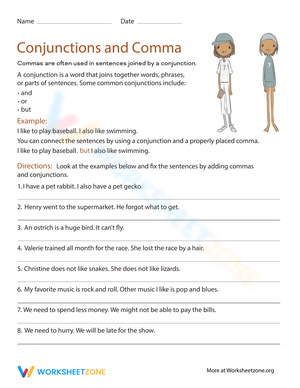
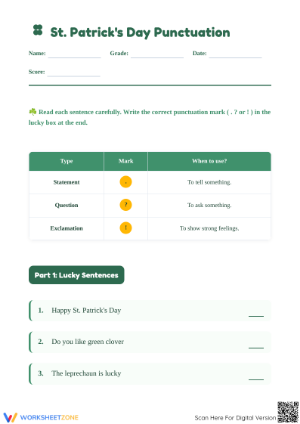
Commas in a series appear across several exercises, partly because this skill needs repeated exposure at this grade level. Students also revisit end punctuation — not because periods are new, but because third graders writing longer sentences start dropping them mid-paragraph when attention to content overtakes attention to mechanics.
Mistakes Students Make That These Worksheets Help You Catch
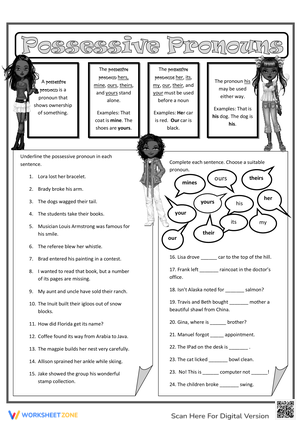
The apostrophe errors in student work run in both directions. Students write "its" when they mean "it is" and "it's" when they mean the possessive — so you see sentences like The cat licked it's paw alongside Its raining today. Exercises that ask students to expand a contraction back to its two-word form — "it's" becomes "it is" — give them a reliable self-check they can apply without teacher prompting.
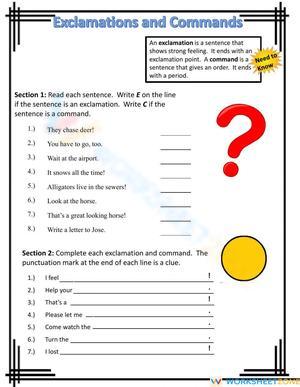
Dialogue punctuation produces a specific, recurring error: the period placed outside the closing quotation mark. Students write She said, "Let's go". instead of She said, "Let's go." This happens because the rule feels arbitrary to a nine-year-old. The period has always come at the end of things, so placing it outside the quotation mark seems logical. Seeing corrected examples next to their own error closes the gap faster than re-explaining the rule does.
Series commas are another consistent gap. Many students remember that a list needs "and" before the last item but omit every comma — writing apples oranges and bananas without pause. Others go the opposite direction and place a comma after "and" as well. Proofreading passages with dense list sentences surface both patterns quickly during a five-minute warm-up.
Lesson-Planning Moves That Get the Most From This Set
Fill-in-the-blank and circling exercises work well as a Monday warm-up when you are introducing or re-introducing a punctuation concept. The format is low-stakes and fast — students can complete one in the seven or eight minutes before morning meeting ends and the writing block formally begins. Save the proofreading passages for mid-week, once students have seen the rule in isolation and are ready to find it embedded in running text.
The dialogue-focused exercises belong in the middle of a narrative writing unit, not before it. Students engage with quotation mark rules more seriously when they are actively trying to write dialogue in their own stories. Assigning one of those exercises the day after you introduce dialogue in a mentor text puts the rule in context — students have a concrete writing goal they are trying to reach, which changes how they receive instruction on mechanics.
Sentence rewrite exercises, where students take unpunctuated text and reconstruct it correctly, make strong exit tickets. A teacher can scan eight to ten completed sentences in two minutes and immediately see which students are still omitting apostrophes or placing question marks at the end of declarative sentences.
Standard Alignment
The worksheets align to CCSS ELA-Literacy L.3.2, which governs command of standard English capitalization, punctuation, and spelling in third grade. Sub-standard L.3.2b addresses commas in addresses; L.3.2c covers commas and quotation marks in dialogue; L.3.2d focuses on possessives. In classroom terms, L.3.2c often demands the most instructional time — it requires two distinct marks applied simultaneously, which increases cognitive load compared to a single-rule skill like end punctuation. Building toward L.3.2c mastery across multiple 3rd grade punctuation worksheets, rather than in a single lesson, reflects how students actually internalize multi-part rules.
Using These Worksheets Across Different Skill Levels
For students who struggle with writing stamina or fine motor fatigue, choose exercises that ask them to circle, underline, or insert a single mark rather than rewrite full sentences. The skill being assessed is punctuation knowledge, not transcription endurance — and removing the copying requirement often reveals that a student understands the rule better than their written output suggests.
Students who are moving quickly past grade-level expectations benefit from the rewrite format with an added challenge: once they correct a sentence, they write a second version that changes the sentence type — turning a statement into a question or adding a second item to a list. This pushes them to apply the rule in a new context rather than just completing the exercise accurately. Some 3rd grade punctuation worksheets in the set also work as model texts for students who are ready to write their own dialogue-heavy paragraphs and self-edit before a teacher conference.
Frequently Asked Questions
What punctuation skills does a third grader need to know by end of year?
By the end of third grade, students are expected to use end marks reliably, apply commas in a series and in addresses, format dialogue with commas and quotation marks, and use apostrophes correctly in both contractions and possessives. That last category — distinguishing possessives from plurals and contractions from possessive pronouns — is where most students still need consistent reinforcement even late in the year.
How do these exercises support students who are behind in writing mechanics?
The fill-in-the-blank and circling formats reduce the production demand so that struggling writers can focus on the punctuation decision itself. When a student only has to decide whether to insert an apostrophe or leave the word as-is, the task isolates the concept rather than mixing it with spelling, handwriting, and sentence construction all at once.
Can these be used for homework?
Yes, but only after the concept has been introduced and practiced in class. Sending home a possessives exercise before students have seen corrected examples in a lesson often produces frustrated students and confused parents. Once the rule has been taught and students have completed at least one guided practice exercise in a whole-group setting, the same format works well as independent homework reinforcement.
Do these work for small-group intervention?
The proofreading passage format works especially well in a small group because students can talk through their edits before writing them down. A group of three or four students working through one of these 3rd grade punctuation worksheets together — reading the passage aloud and stopping at each error — generates more genuine discussion about why a comma belongs there than a whole-class lesson typically does.












 Interactive Worksheet Maker
 Quiz Maker
 Word Search Maker
 Crossword Puzzle Maker
 Word Scramble Generator
 Sentence Scramble Generator
 Handwriting Worksheet Generator
 Name Tracing Generator
 Fill In The Blank Generator