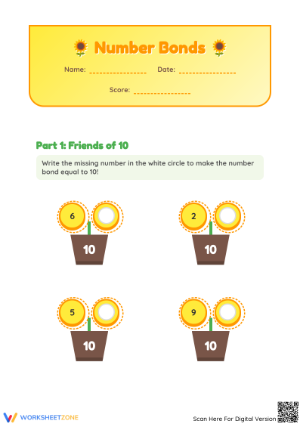
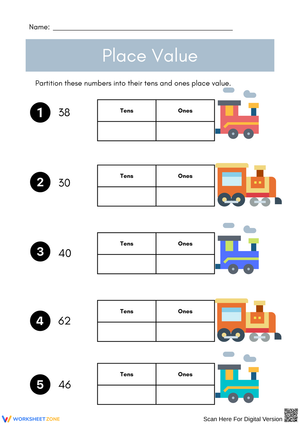
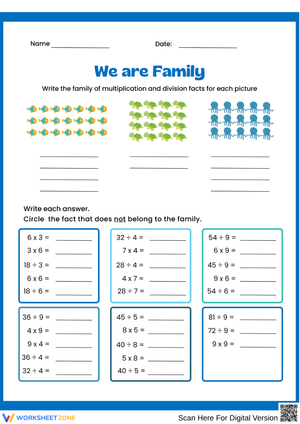
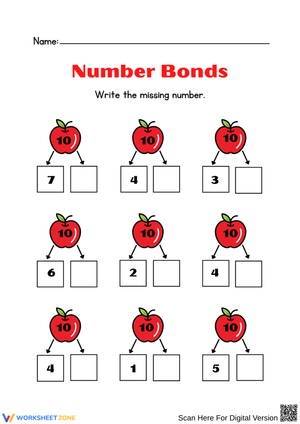
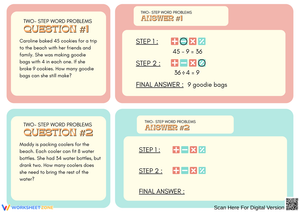
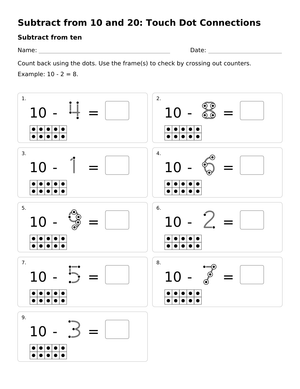
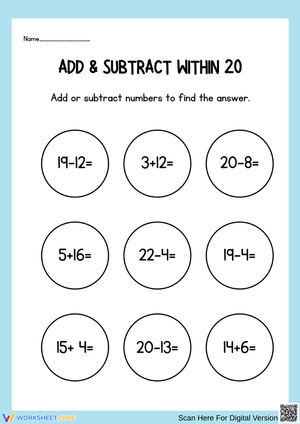
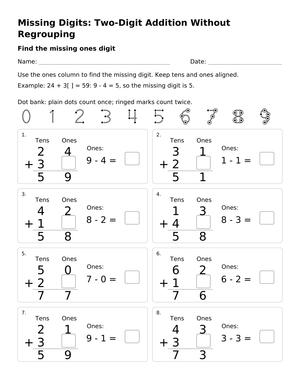
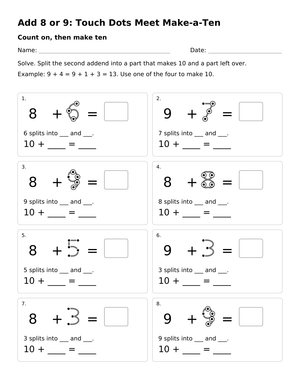
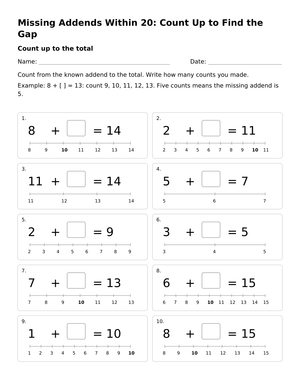
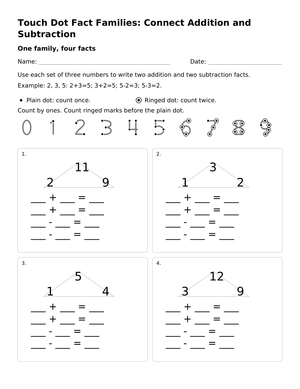
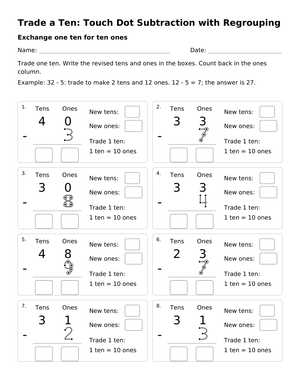
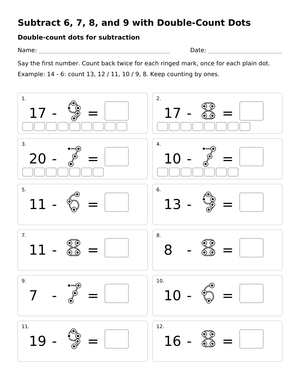
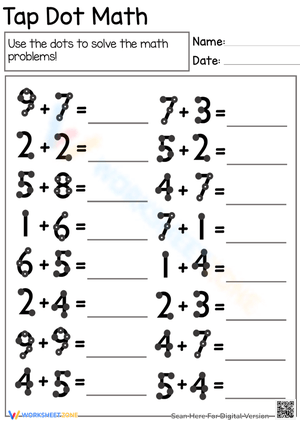
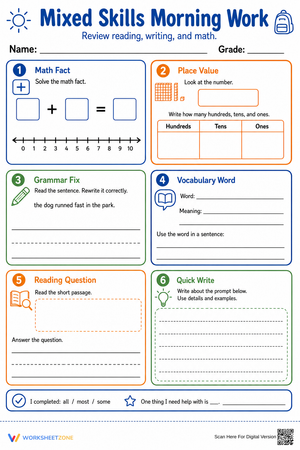
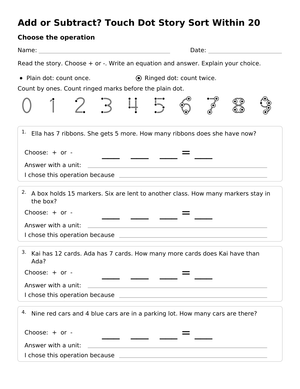
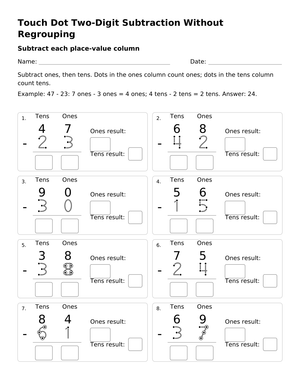
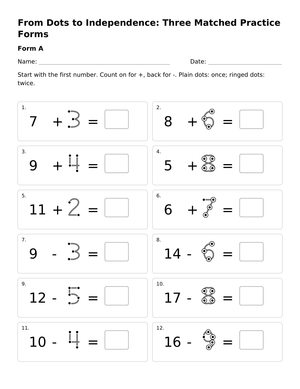
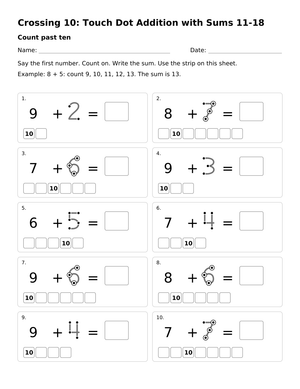
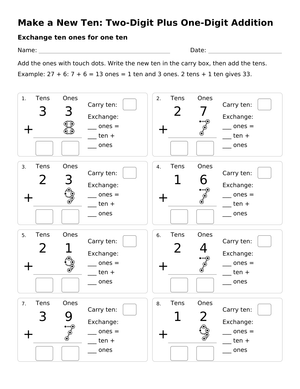
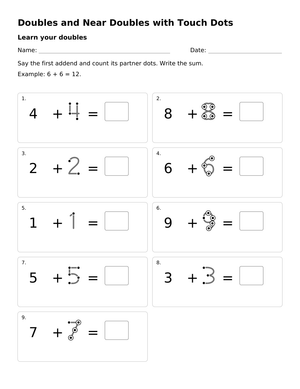
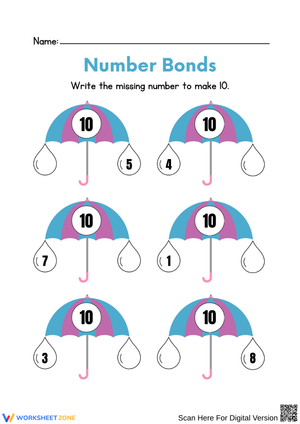
These others math printable worksheets for 2nd grade cover the domains that sit outside basic operations — time, money, measurement, data, and geometry — giving teachers a practical resource for each strand without hunting across five separate sources. Each worksheet targets one concept specifically enough to function as a check-in tool, not just a filler activity.
Concepts Across the Set
The worksheets span the full breadth of second-grade math beyond computation. Each strand addresses the following:
- Time: Reading analog clocks to the nearest five minutes; distinguishing AM from PM; matching analog displays to digital equivalents
- Money: Identifying and counting pennies, nickels, dimes, quarters, and dollar bills; writing totals with correct cent and dollar notation; solving word problems involving mixed coin collections
- Measurement: Measuring objects in inches and centimeters; estimating before measuring; calculating the difference in length between two objects
- Data: Constructing picture graphs and bar graphs with up to four categories; reading completed graphs to answer put-together, take-apart, and comparison questions
- Geometry: Identifying shapes by attribute — number of sides, number of angles — and partitioning circles and rectangles into halves, thirds, and fourths using equal-share language
The geometry strand does more than name shapes. Students draw figures that match given attribute descriptions, mark equal partitions, and use fraction vocabulary before they encounter fraction notation in third grade. That language-building work pays off downstream in a way that pure shape-sorting activities do not.
Patterns in Student Work That Teachers Should Catch Early
The hour hand is the consistent trouble spot in the time strand. Most second graders pick up five-count reading of the minute hand within a week or two of instruction. The breakdown comes when the hour hand sits between two numbers — which it does almost all the time. A student reading a clock set to 3:40 will nearly always say "4:40" because the hour hand has crept visibly toward the four. The correction is teaching students to identify where the hour hand is coming from, not just where it's pointing — and that takes repeated exposure to many different clock positions before it holds.
In money, the error pattern is sequencing rather than identification. A student who can name every coin on sight will still miscount a mixed pile because they work left to right rather than sorting by value first. Grouping dimes, then nickels, then pennies before adding is a procedural habit — it has to be built through repeated exposure to randomly ordered coin arrays. Several worksheets in the money strand present coins in deliberately scrambled arrangements so students cannot rely on a visual pattern to bypass the sort.
Measurement produces one remarkably consistent mistake: starting the object at the "1" mark rather than the zero edge of the ruler, so every recorded length comes out one unit too long. The others math printable worksheets for 2nd grade in the measurement strand include an explicit prompt asking students to mark the starting point before recording their answer — a built-in check that catches this error without requiring a teacher to circulate continuously.
Building These Worksheets Into Your Week
Spaced practice outperforms massed practice for these topics, especially money and time. A time worksheet on Monday, a measurement worksheet on Wednesday, and a geometry review on Friday keeps prior learning active across the week without requiring a full reteach every time you return to a strand. A 10-to-12-minute warm-up window handles these worksheets comfortably — they are short by design because the content is dense, not because the expectations are low.
For small-group rotations, the time and money worksheets work best in the group where the teacher is present. Hour-hand misreadings and coin-sorting errors are hard for students to self-correct because the wrong answer feels right to them. The measurement and data worksheets, by contrast, are well-suited to independent station work: the task is clear, the answer is verifiable, and students can check their graph against the data set without support.
The bar graph worksheets have a natural two-step structure — build the graph, then answer questions about it — that makes them productive for partner work before independent practice. Two students talking through axis labels and scale catch more errors than one student working silently. Moving from partner construction to independent question-answering follows the gradual release principle without requiring any modification to the worksheet itself.
Standard Alignment
These worksheets align to the following Common Core State Standards for Mathematics, Grade 2:
- 2.MD.C.7 — Tell and write time from analog and digital clocks to the nearest five minutes, using a.m. and p.m. In most classroom calendars, this standard lands mid-year and is quickly left behind. Using these worksheets for brief warm-up practice through spring keeps the skill from eroding before state assessments.
- 2.MD.C.8 — Solve word problems involving dollar bills, quarters, dimes, nickels, and pennies, using the dollar sign and cent sign appropriately. The notation requirement is explicit in the standard and reflected directly in the worksheet tasks.
- 2.MD.A.1–4 — Measure and estimate lengths in standard units; compare lengths of two objects. The estimation exercises target 2.MD.A.3 specifically; the difference-calculation problems target 2.MD.A.4, which folds subtraction into a measurement context and reinforces computation at the same time.
- 2.MD.D.10 — Draw a picture graph and a bar graph to represent a data set with up to four categories; solve simple put-together, take-apart, and compare problems using data. The graph worksheets address both the construction and interpretation sides of this standard.
- 2.G.A.1–3 — Reason with shapes and their attributes; partition rectangles and circles into equal shares. All three standards in this geometry cluster are covered, with the equal-partitioning tasks tying directly to the fraction vocabulary students will need in third grade.
Adjusting the Set for Mixed-Readiness Classrooms
For students still consolidating number sense, money is the most productive entry point. Counting coins reinforces place-value reasoning in a concrete, visual format — and students who struggle with abstract number facts often succeed with coin-counting tasks when they sort by denomination first. Start those students with single-denomination exercises before moving to mixed arrays, and keep amounts below 50 cents before moving past a dollar.
The others math printable worksheets for 2nd grade that focus on elapsed time and graph interpretation serve as natural extension territory for students who move quickly through grade-level material. Asking a student to determine the time 35 minutes after 1:50 — without answer choices — requires genuine reasoning. Likewise, having advanced students write their own comparison questions based on a completed bar graph extends the task without requiring separate enrichment preparation.
Students receiving intervention support often find the geometry strand less threatening than the numeric strands, because identifying a hexagon by counting its sides does not depend on fact fluency. Building confidence through the shape-attribute and partitioning worksheets before cycling back to measurement or money is a sequencing strategy worth trying with students who have disengaged from the numeric content. The wins come faster there, and that matters for re-engagement.
Frequently Asked Questions
Do these worksheets include answer keys?
Yes. Each worksheet comes with a corresponding answer key. For the graph worksheets where students construct the graph themselves, the key includes notes on acceptable variations so a correctly drawn graph is not marked wrong for minor visual differences in bar height or icon size.
Are the coin images realistic or just labeled circles?
The money worksheets use detailed coin images — not plain circles with a letter stamped on them. Students see representations of actual coins, which matters for students who are still connecting the visual appearance of a coin to its value while working through a problem.
Can these worksheets be used for morning work?
That is one of the most common use cases. Each worksheet fits within the 8-to-12 minutes most students have between arrival and morning meeting without spilling into instructional time. Teachers who use them that way pull from whichever strand the class covered most recently — which turns morning work into low-stakes spaced retrieval rather than busywork.
How do these fit alongside a published curriculum like Eureka Math or Go Math?
These others math printable worksheets for 2nd grade work as supplemental practice, not replacements. Most second-grade curricula give thin treatment to at least one of these strands — data and time are the most common gaps — and pulling from this set fills that practice deficit without reteaching the concept from scratch. Teachers who use them most consistently identify which domains their core program underserves and assign from the set selectively rather than working through every worksheet in order.













 Interactive Worksheet Maker
 Quiz Maker
 Word Search Maker
 Crossword Puzzle Maker
 Word Scramble Generator
 Sentence Scramble Generator
 Handwriting Worksheet Generator
 Name Tracing Generator
 Fill In The Blank Generator