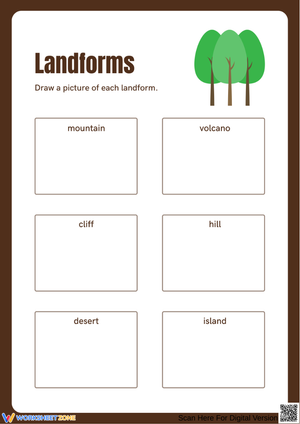
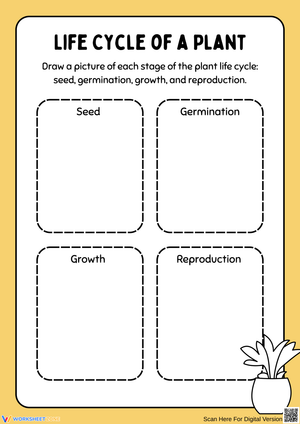
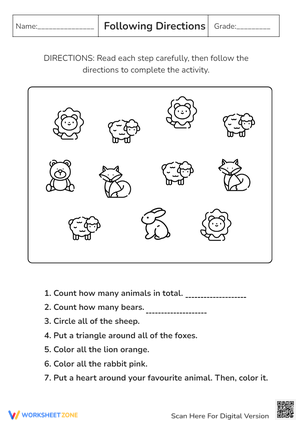
These 2nd grade drawing and painting printable worksheets give teachers structured practice for a developmental window that's easy to underestimate — the shift, typically around age seven, from experimental scribbling to intentional, representational mark-making. Students at this stage have a clear mental image of what they want to draw, but their hands often don't cooperate, and that gap produces frustration quickly. The set targets line control, color theory, observational drawing, and cross-curricular illustration.
The Specific Skills Targeted
Each worksheet focuses on one teachable concept rather than stacking multiple techniques into a single task. Second graders still working on pencil grip and pressure do not benefit from instructions that also require simultaneous color decisions and spatial proportion work. The focused format lets students build genuine control before the next concept appears.
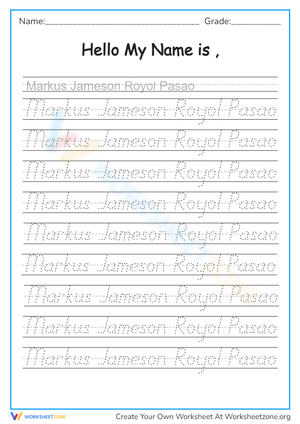
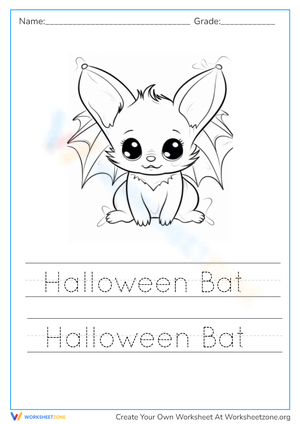
- Line variety and control: students trace and reproduce straight, curved, diagonal, and zigzag lines, building the hand steadiness that transfers directly to letter formation
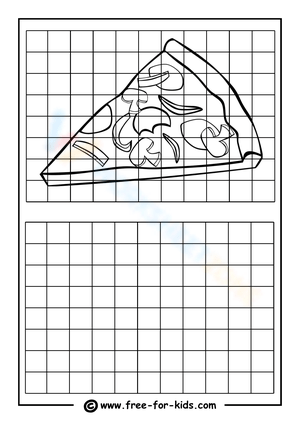
- Shape-to-object construction: students draw a simple geometric form and transform it into a recognizable subject, reinforcing that representational drawing starts with basic structure
- Color wheel completion: students fill a blank wheel starting from primary colors and create secondary colors through direct on-paper mixing — not just labeling what they expect
- Warm and cool color application: students apply each temperature palette to identical scene outlines so the comparison is immediate and visual rather than verbal
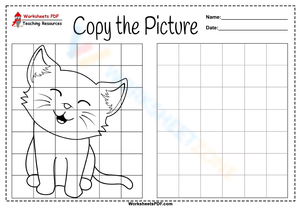
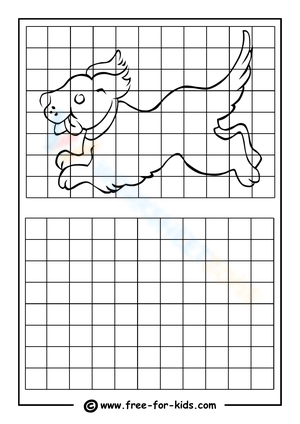
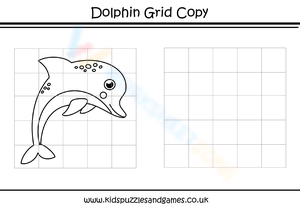
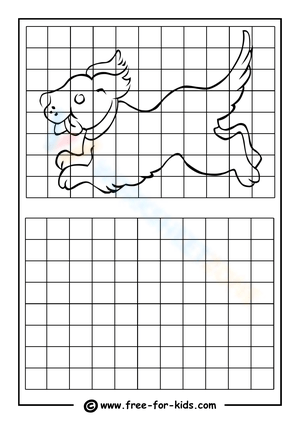
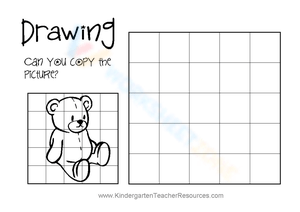
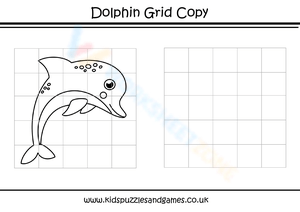
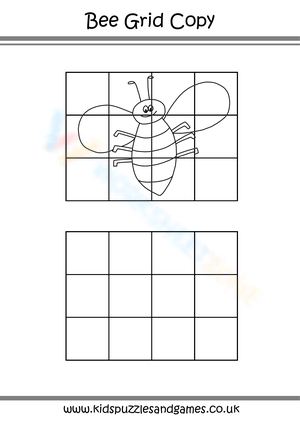
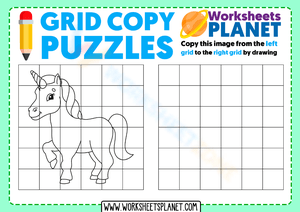
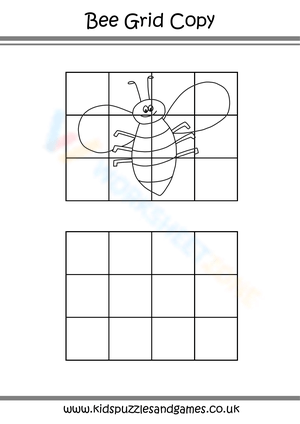
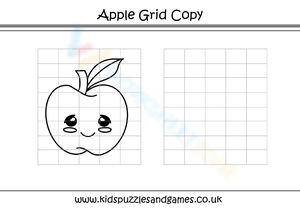
- Directed drawing sequences: step-by-step prompts guide students through proportion decisions they would otherwise skip entirely
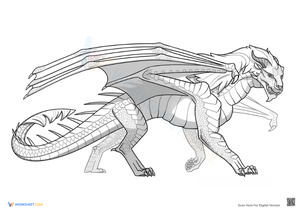
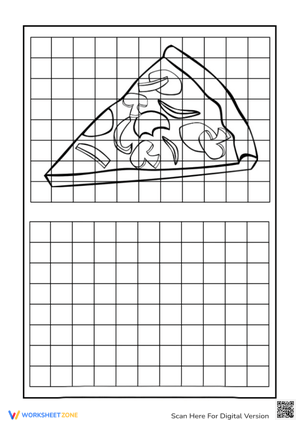
- Observational drawing: photograph-based prompts ask students to record specific contours, textures, and shapes rather than drawing what they remember an object looks like
The warm-cool comparison worksheet is particularly effective because it shows both results side by side on the same subject. No verbal explanation of "color temperature" achieves what that direct visual contrast does for a seven-year-old.
Where Art Meets the Rest of the Curriculum
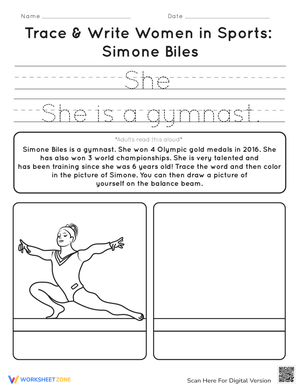
The cross-curricular illustration prompts connect directly to standard 2nd grade science and language arts content. A student who draws and labels the stages of a caterpillar's metamorphosis is doing close observation work that a written label alone does not require — to draw each stage accurately, they have to notice that the chrysalis is a different shape from the larva, that the wings are folded rather than spread. That level of attention is harder to produce with fill-in-the-blank tasks.
In language arts, the story illustration prompts work well after independent reading. Students choose a specific scene and draw it, and the drawings show quickly who understood the setting versus who produced a generic image with no text-specific detail — that's faster formative data than a written summary, and it's accessible to students whose written output lags behind their comprehension. Teachers who use the 2nd grade drawing and painting printable worksheets for these cross-curricular tasks often keep the illustrations in portfolios alongside writing samples, since together they give a much fuller picture of a student's reading engagement than either artifact alone.
Mistakes Students Make That These Worksheets Help You Catch
The most consistent error in second-grade drawing is symbol drawing — students draw the version of an object stored in their visual memory rather than what they actually see. Ask a class to draw a tree and most will produce a circle of foliage on a straight stick. The observational drawing worksheets interrupt this habit by requiring students to draw from a specific photograph rather than from imagination. After two or three sessions, the lollipop trees start disappearing.
Color mixing produces a reliable second error. Students who know that red plus blue makes purple will often mix those colors and get brown — because the red they reached for has orange undertones that pull the mixture warm. The color recipe worksheets address this by making students record their actual result next to the expected one, which forces them to look at what the mixture genuinely produced. That comparison is where color theory starts to feel real rather than a fact to memorize.
Smart Ways to Work These Worksheets Into Your Week
The directed drawing worksheets function well as morning warm-ups — students begin as soon as they sit down, which gives teachers time to handle attendance and early logistics before instruction starts. The line and shape exercises also fill the 8-to-10-minute gap between the literacy block and specials without requiring anything beyond a pencil.
For teachers with a dedicated art period, the color theory sequence fits a clean five-session unit. Day one: primary color placement on the wheel. Days two and three: secondary colors and then mixed-secondary variations, where students discover that yellow-orange and orange-yellow look different even though both use the same two colors. Day four: warm and cool palette applications. Day five: a free-choice scene where students deliberately apply what they have practiced. The 2nd grade drawing and painting printable worksheets in this set support exactly that kind of sequenced progression without requiring teachers to build each step from scratch.
Adjusting the Worksheets for a Range of Learners
Students who need more support on the observational drawing worksheets benefit from a pre-drawing annotation step: give them a second copy of the reference image and ask them to circle the largest shape, mark the widest point, and number the sections in the order they will draw them. That process slows students down in a useful way — most errors in observational drawing come from rushing past careful looking, not from lack of ability.
Students who move through directed sequences quickly can work the same subject twice in different media — once in pencil, once in crayon — and compare how the two versions read. For color mixing, advanced students can test what happens when they shift the ratio of one primary to another, generating a fuller range of mixed tones than the worksheet's base recipe produces. On the other end, the observational format is genuinely difficult for students who freeze when facing blank space; those students nearly always do better starting with directed sequences and moving to observational prompts once they trust their own lines.
Frequently Asked Questions
What supplies work best with these worksheets?
Line, shape, and directed drawing worksheets need only a pencil and eraser. For color theory tasks, crayons and layerable colored pencils both work well. Standard washable markers are the one medium to avoid on mixing worksheets — the colors bleed rather than combine in controlled ways, which makes it impossible for students to see what the mixture actually produced.
Can these be sent home for additional practice?
Most of the worksheets travel home without issues. The exception is color mixing tasks, which require paints or layerable colored pencils — not something every family has on hand. For any mixing worksheet going home, a short supply note saves follow-up questions. The directed drawing and observational worksheets are the most homework-friendly because they require nothing beyond a pencil.
How do these connect to fine motor development?
The 2nd grade drawing and painting printable worksheets in this set build fine motor control through line tracing, shape construction, and the precision required in observational work. The connection to handwriting is direct: the same muscle steadiness that produces a controlled curved line on a drawing worksheet is what students need to form lowercase letters consistently. Teachers who run the line exercises as daily five-minute warm-ups typically notice improvement in pencil pressure and consistency within two to three weeks.