Why reading tracing fits first-grade literacy work
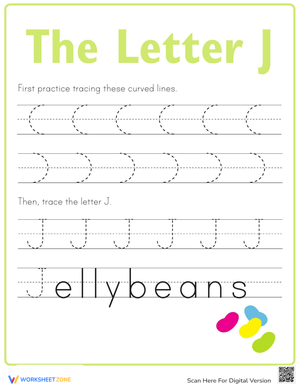
Reading tracing pdf worksheets for 1st grade work best when they connect print awareness, word reading, and manuscript practice in one short routine. In grade 1, students are moving from isolated letter practice toward reading simple text with more control. That means tracing should do more than keep pencils busy. A strong printable page asks students to track left to right, notice sound-spelling patterns, read a word or sentence aloud, and then trace it with consistent letter formation.
For teachers, that combination matters because it reduces the split between handwriting time and reading time. Instead of assigning penmanship drills that sit outside the literacy block, you can use tracing pages to reinforce sight words, CVC patterns, decodable phrases, and basic sentence structure. The format is especially useful in centers, intervention groups, morning work, and take-home review because the directions stay simple while the practice stays aligned to grade-level reading goals.
What first graders should practice on tracing pages
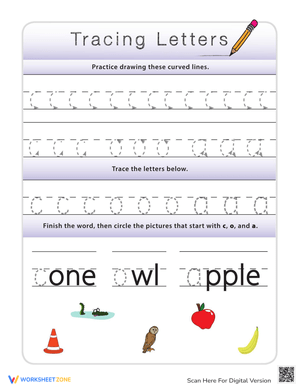
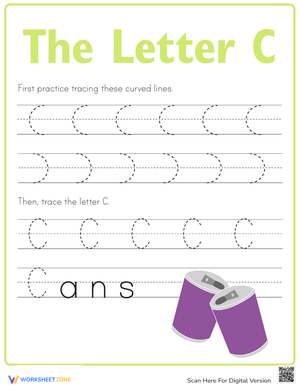
The most useful first-grade tracing sets stay close to early reading behaviors students need every week. That includes matching letters to sounds, blending and reading short vowel words, building automatic recognition of high-frequency words, and following short sentences with accurate spacing. When those skills appear in traceable print, students get repeated visual and motor exposure without losing the reading purpose of the task.
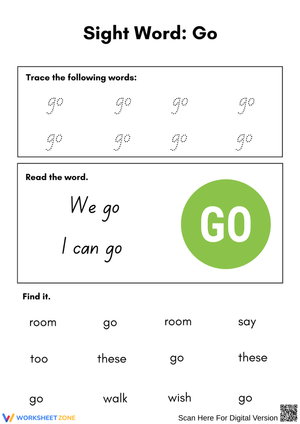
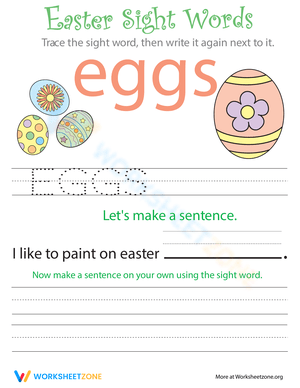
- Sight words: repeated tracing of high-frequency words students need to recognize quickly in connected text.
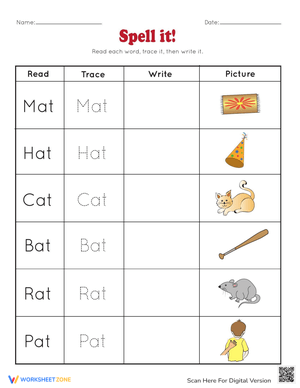
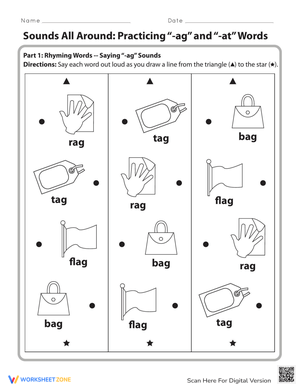
- CVC words: short, decodable patterns that support blending, segmenting, and spelling transfer.
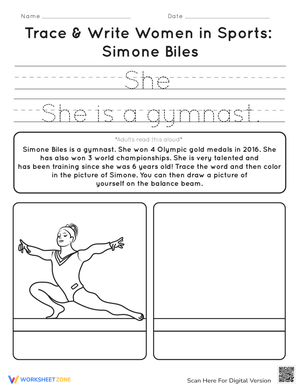
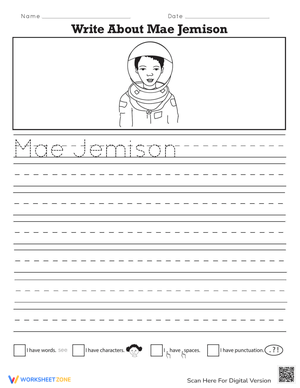
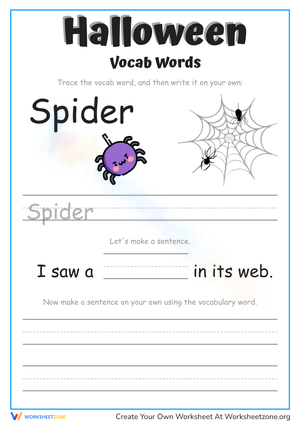
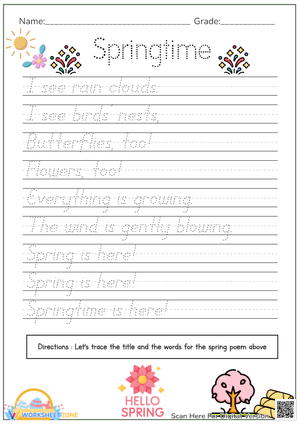
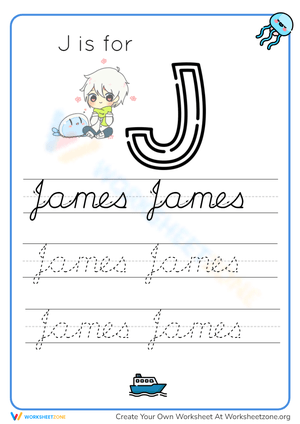
- Sentence tracing: short lines that help students practice one-to-one tracking, capitals, spacing, and end punctuation.
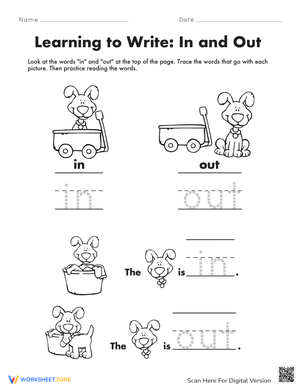
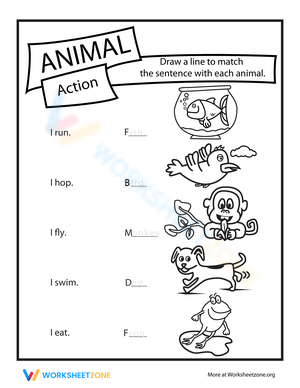
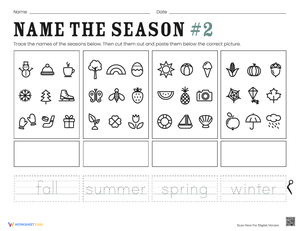
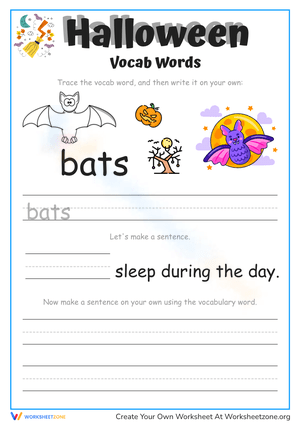
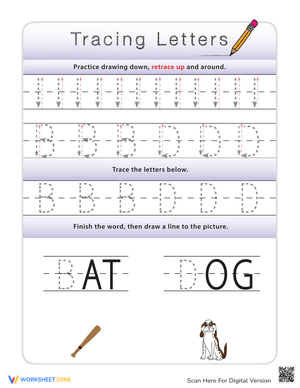
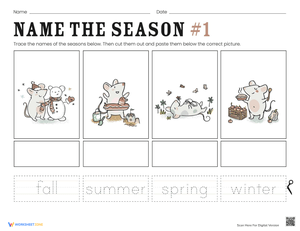
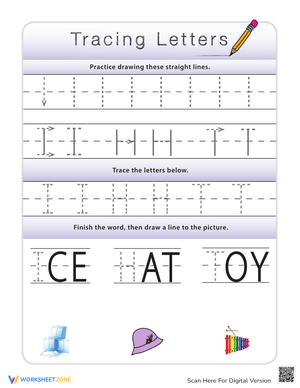
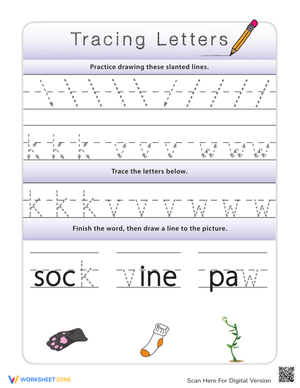
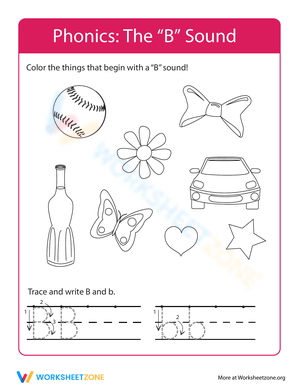
- Picture-supported prompts: simple cues that confirm meaning and keep the reading task understandable.
- Oral reading follow-up: a quick reread after tracing so students connect handwriting practice back to fluency.
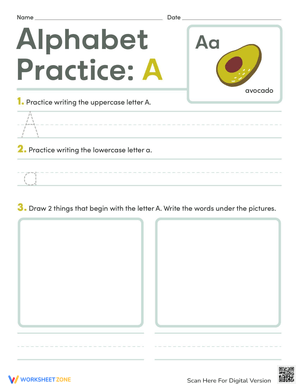
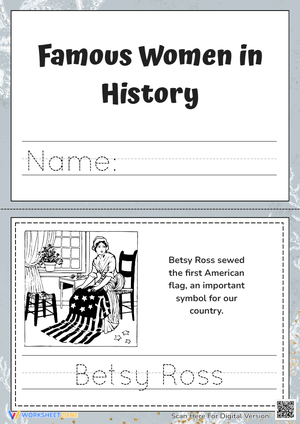
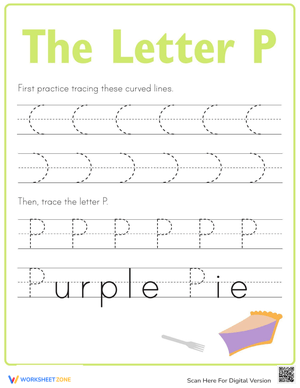
Teachers can also look for worksheets that keep print large, line spacing generous, and language familiar. In grade 1, page design affects performance. If the tracing path is crowded or the sentence is too long, students often shift attention away from word recognition and toward simply finishing the line.
What makes a tracing worksheet age-appropriate for grade 1 reading
Age-appropriate first-grade reading tracing pages are narrow in scope and clear in purpose. A page should usually target one reading pattern at a time, such as short a CVC words, a single sight-word set, or one simple sentence frame. When too many skills compete on the same page, teachers get messy data and students get uneven practice. Clean worksheet design makes it easier to see whether the student is struggling with decoding, tracking, spacing, or letter formation.
Sentence length also matters. First graders can benefit from tracing short statements and questions, but the text should remain readable in one breath and built from familiar patterns. Pages that ask students to trace long directions or unfamiliar vocabulary stop being reading support and turn into copying tasks. That is why the best printable sets keep the language concrete, repeat a manageable pattern, and leave enough room for a student to trace without distorting the letters.
A useful checkpoint is whether the worksheet can be completed accurately in a brief independent block. If a typical student needs constant adult prompting to decode every word, the page is probably better saved for guided practice than independent seatwork.
Classroom Implementation
In classrooms, these worksheets are most effective when they sit inside a predictable routine instead of appearing as random filler. A teacher might use one page during a 15 to 20 minute literacy center, as a warm-up before guided reading, or as a fast review after a phonics mini-lesson. Because the format is low prep, it also works well for sub plans and for small-group folders where students need repeated practice across the week.
One practical sequence is read, trace, say, and apply. Students first read the word list or sentence with teacher support or a partner. Next, they trace the print carefully while naming letters, sounds, or whole words. Then they reread the completed line aloud to build smoother phrasing. If time allows, they finish by writing one word independently or identifying the matching pattern in connected text. That final step helps the worksheet transfer beyond handwriting.
- Use sight-word tracing pages during review weeks when automatic recognition is the goal.
- Use CVC tracing pages right after explicit phonics instruction so the decoding pattern stays fresh.
- Use sentence tracing pages in writing centers to reinforce capitals, spacing, and punctuation.
- Use completed pages as quick formative evidence for grip, letter direction, spacing, and word reading accuracy.
For intervention, shorten the amount rather than changing the routine. A student who needs support may complete four traced words and one sentence while peers complete the full page. The structure stays consistent, but the cognitive load stays manageable.
How tracing supports fluency and written response habits
Tracing does not replace authentic reading, but it can support the habits that make early reading feel more secure. When students repeatedly trace and reread familiar words, they strengthen visual recognition and reduce hesitation on common spellings. When they trace a short sentence, they see how words sit in sequence and how print carries meaning across a line. Those patterns matter for first graders who are still building stamina with decodable text and simple stories.
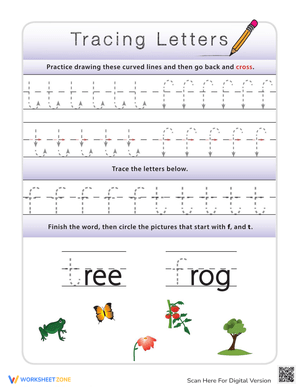
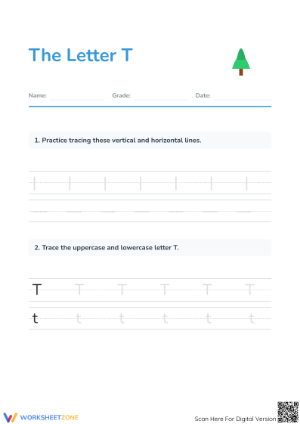
There is also a writing payoff. Students who form letters more consistently have fewer decisions to make during short written responses. Instead of stopping to rethink every stroke, they can put more attention on the sentence itself. In practical classroom terms, that means tracing pages can support later tasks such as labeling a picture, completing a response stem, or copying a sentence from shared reading with fewer reversals and spacing errors.
Teachers should still keep the purpose visible. If students are tracing mechanically without reading aloud, pointing to words, or connecting the pattern to current phonics work, the worksheet loses most of its instructional value. The reading piece has to stay active.
How to choose printable PDFs for intervention, review, and centers
When selecting printable sets, teachers should prioritize alignment over volume. A smaller packet that cleanly matches the week’s phonics feature or sight-word list will usually outperform a large mixed-skill bundle. Look for pages that make the target obvious within the first few seconds. If the page can’t quickly tell you whether it is practicing short i, high-frequency words, or sentence tracking, it will be harder to use in differentiated groups.
A useful screening rule is to check whether a worksheet gives you two kinds of evidence at once: reading accuracy and transcription control. On a well-designed first-grade tracing page, a teacher can often see within 1 minute whether a student knows the word pattern, maintains left-to-right tracking, and forms letters with enough consistency to support later sentence work.
Reading Rockets, in Literacy Accomplishments: Grade 1, describes grade 1 literacy growth across 6 linked areas: phonics, phonological awareness, fluency, vocabulary, comprehension, and oral language. That matters for tracing design because a worksheet should reinforce more than pen control alone; it should connect handwriting practice to at least one reading behavior students are expected to apply in text.
The same logic applies to classroom grouping. For whole-class use, select pages with highly familiar language and a narrow target. For intervention, choose fewer items with stronger visual support and immediate teacher feedback. For homework, keep directions minimal so the page can be completed without reteaching the full lesson. Those decisions make printable reading tracing PDFs more instructionally useful and less likely to become generic busywork.
Frequently Asked Questions
1. What should 1st graders practice in reading tracing worksheets?
They should practice high-frequency words, simple decodable word families, short sentence patterns, and clear manuscript formation. The strongest pages also prompt students to reread after tracing so the task supports both word recognition and fluency.
2. Are tracing worksheets good for sight words and sentence fluency?
Yes, when the words and sentences are short, familiar, and connected to current instruction. Tracing helps students see common spellings repeatedly, and the reread after tracing can improve smoother, more confident oral reading.
3. How can teachers use reading tracing PDFs in literacy centers?
They work well as a short center task after explicit phonics or sight-word teaching. Keep the routine consistent: read the line, trace carefully, reread aloud, and complete one small follow-up such as circling the target pattern or writing one word independently.
4. What makes a tracing worksheet age-appropriate for first grade?
Age-appropriate pages have large readable print, generous spacing, short text, and one clear skill target. They should let first graders complete the work with limited prompting while still reinforcing grade 1 reading expectations such as decoding, tracking print, and writing legibly.