Why early literacy tracing worksheets matter in Grade 1
Teachers looking for early literacy tracing worksheets printable for 1st grade usually need more than neat handwriting practice. In a first-grade reading block, tracing pages work best when they connect pencil control to phonics, decoding, high-frequency words, and simple sentence reading. That makes them useful for warm-ups, small-group review, intervention folders, independent practice, and quick checks during literacy centers.
At this stage, students are moving from basic print awareness into more automatic reading behaviors. They need repeated exposure to letter patterns, short words they see often, and short sentences they can track without overload. A printable tracing set gives teachers a simple way to rehearse those moves in a format that feels manageable. One page can target sound-symbol matching, correct letter formation, and left-to-right reading in the same task.
The strongest first-grade tracing resources also respect pacing. Students in Grade 1 benefit from short, repeatable pages they can complete with a clear goal and immediate feedback. When a worksheet asks students to trace a letter, say its sound, read a word, and then track a short phrase, the page supports both motor practice and foundational reading instruction.
What strong first-grade literacy tracing pages include
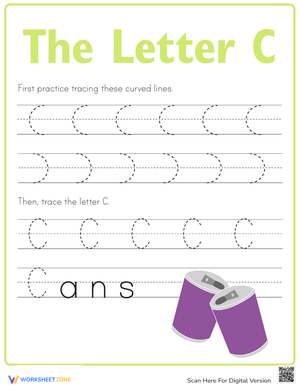
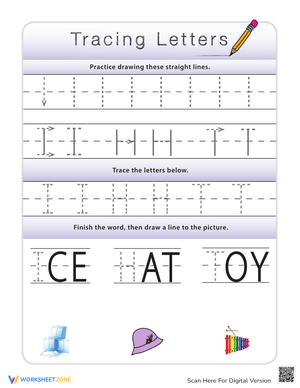
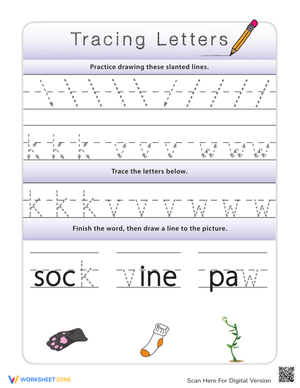
Not every tracing worksheet supports reading development equally. For classroom use, the most effective pages combine handwriting support with actual literacy content. Teachers should look for printable sets that move beyond isolated line tracing and instead build a short path from print formation to reading.
- Letter and sound alignment: tracing should reinforce the sound a student is practicing, not just the shape of the letter.
- High-frequency word exposure: pages should include words students need to recognize quickly in connected text.
- Decodable reading support: simple CVC words, word families, or short patterned phrases help students apply phonics while tracing.
- Sentence-level practice: short readable lines help students practice spacing, tracking, and meaning.
- Consistent page design: predictable routines reduce cognitive load and help students focus on the literacy target.
When these features are present, tracing becomes a structured literacy support instead of a filler activity. That matters in first grade, where every practice minute needs a clear instructional purpose.
How tracing supports reading, not just handwriting
Tracing is sometimes treated as a handwriting-only routine, but in Grade 1 it can reinforce multiple early reading behaviors at once. Students slow down enough to notice print details, rehearse letter formation, and connect what they write to what they read. For developing readers, that slower pace can be productive when the text on the page is carefully chosen.
A useful design pattern is to sequence each page from smallest unit to largest unit: letter, sound, word, then sentence. That progression helps teachers see whether a student can transfer accuracy across levels. If a child traces m correctly but misreads map or loses tracking in a short sentence, the worksheet reveals the exact point where instruction should tighten.
Reading Rockets describes first-grade early reading and writing goals as a combination of phonics, high-frequency word knowledge, and early writing development. In practical terms, that means a tracing page is strongest when students are not only forming letters, but also reading words and short lines built from those patterns.
Reading Rockets also points teachers toward phonics and decoding work that helps first graders apply sound-letter knowledge during real reading tasks. That is why printable tracing pages are most effective when they include decodable words, brief phrase reading, and a clear oral rehearsal step rather than silent pencil work alone.
Citation capsule: Reading Rockets notes that first graders are expected to strengthen phonics, high-frequency word reading, and early writing. For Grade 1 instruction, that means tracing pages should connect each line of print to a sound, a word, or a short sentence, not handwriting practice in isolation.
Which tracing formats fit the Grade 1 literacy block
The best worksheet sets usually mix formats so teachers can match the page to the lesson objective. In a whole-group mini-lesson, a teacher may want one tightly focused tracing page that previews a phonics pattern. During centers, students may benefit from short repeatable sheets with familiar routines. In intervention, teachers often need extra spacing, fewer items, and more teacher talk built around the page.
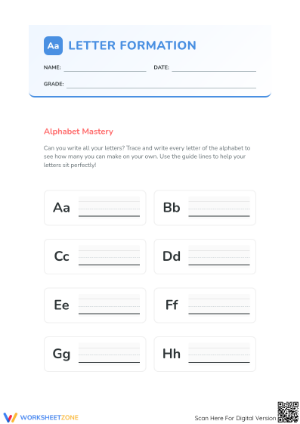
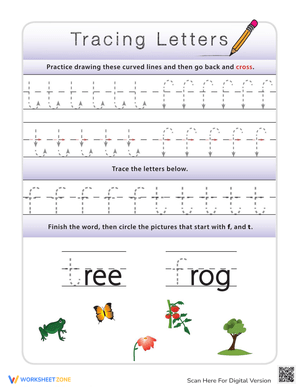
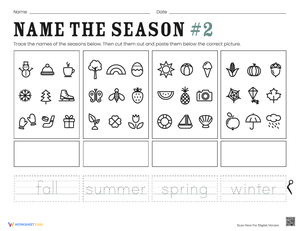
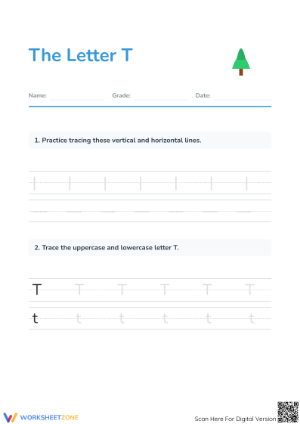
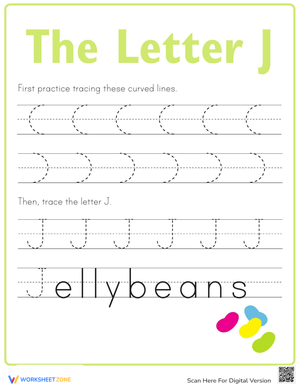
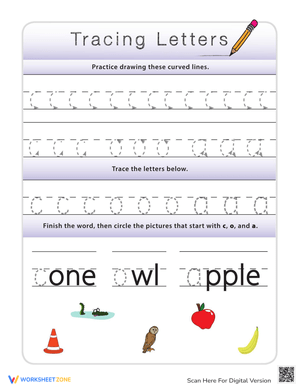
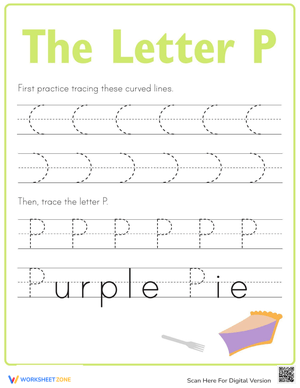
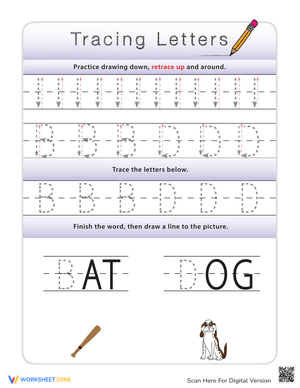
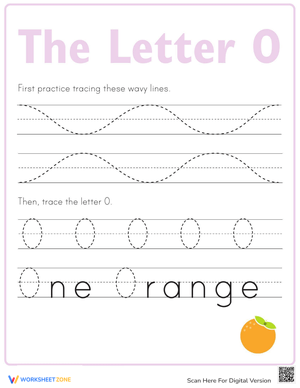
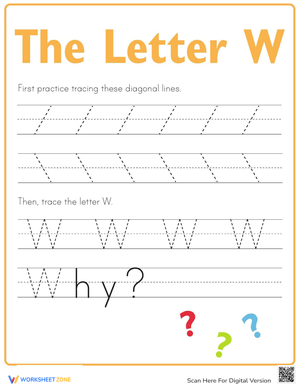
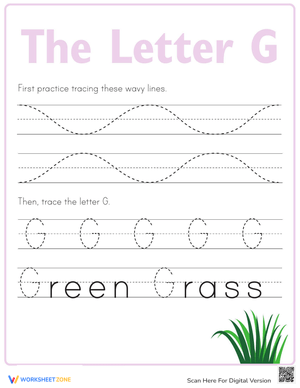
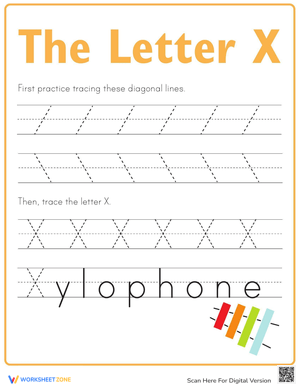
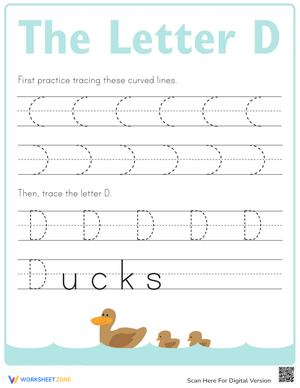
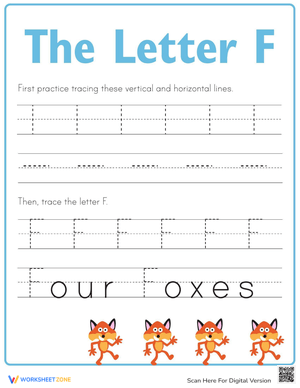
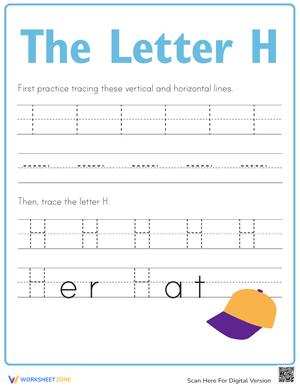
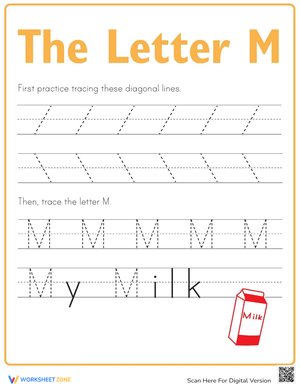
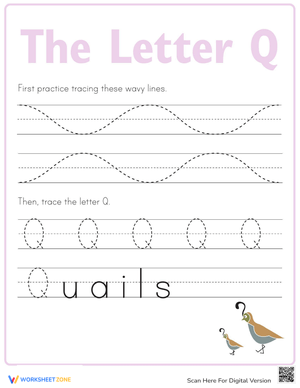
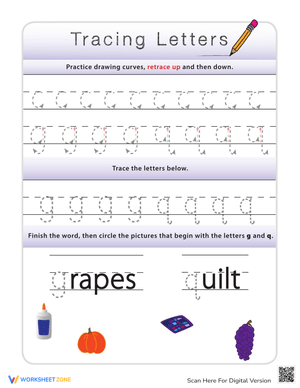
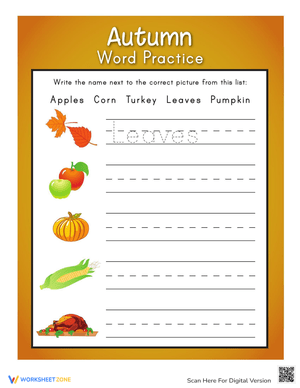
- Letter-to-word tracing pages: best for introducing or reviewing sound-symbol correspondence.
- Sight-word tracing pages: useful for automaticity work with frequently seen classroom reading words.
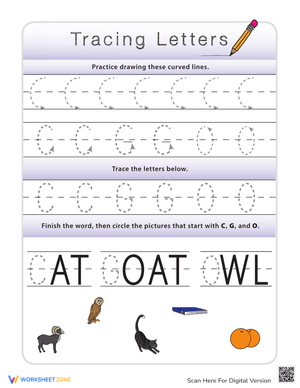
- Word family or phonics pattern pages: helpful when students need repeated decoding with one target pattern.
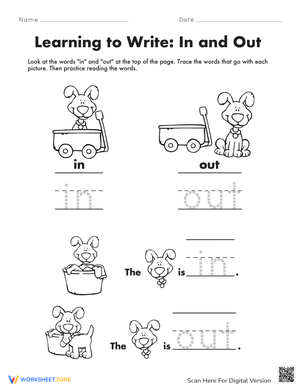
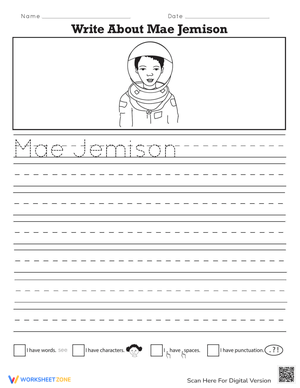
- Simple phrase and sentence tracing: supports tracking, spacing, and fluency at a very early level.
- Mixed review pages: work well for Friday review, sub plans, or quick progress checks.
Classroom Implementation
These printables are especially effective when they are tied to a predictable routine. In many first-grade classrooms, the strongest use is a 5 to 10 minute literacy block entry task. Students trace, say the sound or word softly, and then read the short phrase or sentence to a partner or teacher. That combination turns the worksheet into active rehearsal.
For small groups, teachers can assign one tracing page that matches the week’s phonics skill and then listen for transfer. Ask students to trace the target pattern, circle the sound orally, and read the line aloud. If the reading part breaks down, the page immediately becomes a diagnostic tool rather than just independent work.
These pages also fit well in:
- Morning work: a calm start that still aligns to reading goals.
- Intervention folders: short repeat practice for students who need tighter control of letter-sound mapping.
- Literacy centers: independent pages paired with whisper reading.
- Exit tasks: one quick sentence trace and read for formative evidence.
- Substitute plans: low-prep tasks with familiar classroom expectations.
The Michigan Department of Education emphasizes early literacy as a foundation for later learning, and that classroom reality shows up in small choices. A worksheet is most useful when it is easy to teach from, easy to revisit, and tightly connected to the day’s reading objective rather than treated as disconnected seatwork.
How to differentiate without losing the literacy target
First-grade classrooms need printable resources that flex across readiness levels. A tracing worksheet can stay instructionally aligned while changing in length, text load, or support. That makes it practical for mixed groups, intervention blocks, and reteach cycles.
For students who need more support, choose pages with fewer items, larger print, and highly consistent patterns. Keep the oral language routine the same every time: trace, say, read. For students who are ready for more, shift from single words to phrases or from patterned phrases to a very short sentence. The target remains early literacy; only the amount of independence changes.
Teachers can also differentiate by response demand:
- Support level: trace only and read with the teacher.
- On-level: trace, read independently, and repeat the target word in context.
- Extension: trace a sentence and then reread it with smoother phrasing.
This kind of differentiation keeps the worksheet anchored in reading development. Students are not just doing more or less writing. They are practicing the same literacy skill at an adjusted level of complexity.
What teachers can assess from one printable page
A well-built tracing sheet gives fast formative information. Teachers can see whether a student forms letters legibly, tracks from left to right, recognizes a practiced word, and maintains enough attention to finish a brief reading task. Those observations matter because they help identify whether a student’s difficulty is mostly motor, mostly phonics-based, or tied to reading stamina and directionality.
When reviewing student work, it helps to watch for a few specific signs:
- Accurate tracing but weak reading: the student may need stronger decoding instruction, not more handwriting pages.
- Strong word reading but poor spacing or reversals: handwriting and print organization may need direct reteaching.
- Loss of tracking in sentences: move back to shorter phrase work before expanding text length.
- Fast completion with many substitutions: reduce the page load and add oral rehearsal.
That is the real value of early literacy tracing worksheets printable for 1st grade. They are not only practice sheets. Used well, they give teachers a compact view of how handwriting behaviors and reading behaviors interact inside one manageable task.
Frequently Asked Questions
1. What should a 1st grader practice in early literacy worksheets?
In Grade 1, worksheets should target phonics, decoding, high-frequency words, print tracking, and short sentence reading. Tracing is most useful when it supports those reading goals instead of focusing on penmanship alone.
2. Are tracing worksheets good for first-grade reading development?
Yes, when the page connects letter formation to sounds, words, and simple sentences. Teachers get the most value from tracing sheets that include oral reading or decoding practice, not isolated line work.
3. How often should first graders use printable tracing worksheets?
Short use is usually best. A 5 to 10 minute routine during morning work, centers, intervention, or review gives students repetition without turning the worksheet into an overly long independent task.
4. Should tracing pages focus on letters, words, or sentences?
A strong set includes all three, but not always on the same page. Teachers often get the best results by moving from letters to words to short sentences across the week so students can transfer accuracy into early reading.