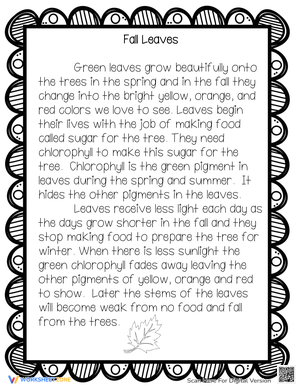
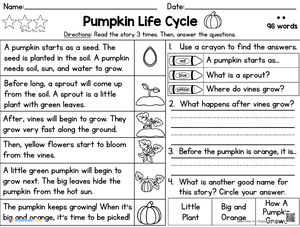
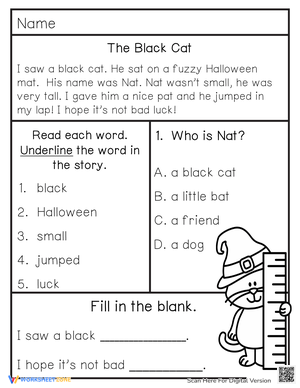
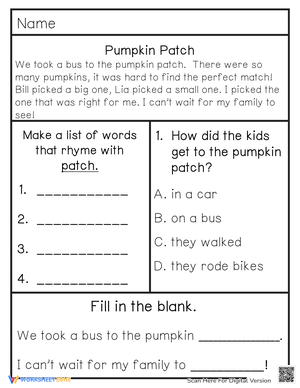
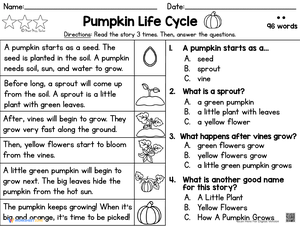
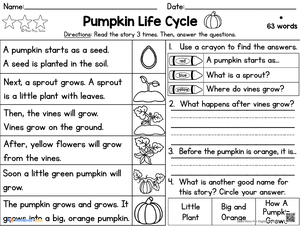
These 1st grade level d worksheets resources give teachers a focused follow-up tool for the small-group reading table — short enough to complete in 8–10 minutes after a text, specific enough to surface what each student actually understood. Level D marks a real developmental shift: sentence length is growing, repeated pattern structures are fading, and dialogue is starting to appear. That combination creates new pressure on both fluency and comprehension at the same time, and these worksheets help teachers see exactly where that pressure is landing for individual students.
The Specific Skills Targeted
Each worksheet focuses on one or two reading behaviors rather than trying to assess everything in a single sitting. At this level, spreading attention too thin undermines the purpose of close practice. The set covers these skill areas:
- Retelling in sequence: students arrange three story events using short phrases or drawings, not full sentences
- High-frequency word recognition: locating, sorting, and using words in sentence frames drawn from Level D text vocabulary
- Decoding by pattern: short-vowel word families and common blends that appear predictably across texts at this level
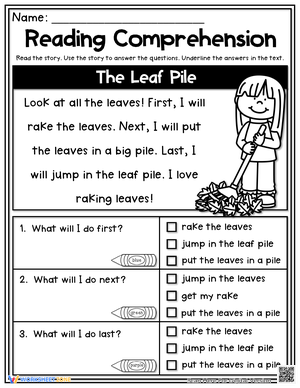
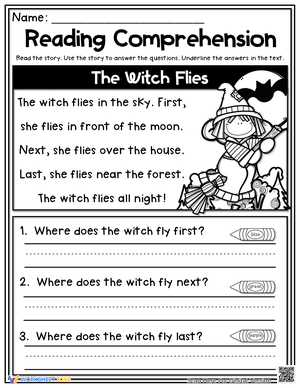
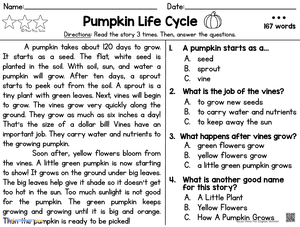
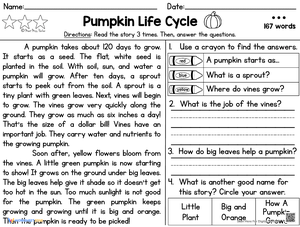
- Basic comprehension: who, what, and where questions with picture-supported answer choices for students still building writing stamina
- Character and key detail work: naming who the story is about and noting one action or change the character makes
- Fluency check prompt: a brief rereading cue teachers use as a quick oral checkpoint before or after written response
Mistakes Students Make That These Worksheets Help You Catch
The most consistent error pattern at Level D is comprehension lag: students decode a longer sentence successfully but lose the meaning by the end of it, then answer comprehension questions based on the illustration rather than what the text actually said. You'll see this when a worksheet asks "What did the dog do?" and a student answers based on the picture of the dog rather than the action described in the sentence. Separating the text-based questions from the pictures — which these worksheets do deliberately — makes that substitution pattern visible in a way oral questioning often doesn't.
Sequencing is the second consistent trouble spot. Students frequently recall the ending clearly but skip middle events entirely. A beginning-middle-end retell box that requires at least one detail per section shows teachers whether a student is monitoring narrative structure or just reporting the most salient moment. When "the dog ran" appears in both the beginning and middle boxes, that's a specific diagnostic signal worth noting and acting on at the next small-group table.
High-frequency word errors at Level D also have their own pattern. A student who reads "was" correctly in isolation will still write "saw" in a sentence response, or transpose "no" and "on" under the mild pressure of written output. That gap between flash-card recognition and in-context automatic retrieval rarely shows up in oral reading alone — written response is where it surfaces.
How to Build These Worksheets Into Your Lesson Plans
The most productive placement for these worksheets is immediately after a guided reading text, while the book is still in the student's hands. Students read first, talk through the meaning at the table, and then complete the worksheet as a record of their thinking. That sequence keeps the session grounded in reading rather than turning the follow-up into seatwork disconnected from the text.
For literacy centers, introduce each worksheet format at the guided reading table before releasing it for independent use. Level D readers can work through a familiar format without teacher support, but a new task structure will generate confusion rather than reading evidence. A retell-box format modeled on Monday can run successfully as a center task on Tuesday and Wednesday without additional instruction.
One reliable planning move: keep the same worksheet format across multiple texts for a two-week period. When the task stays constant and only the text changes, any shift in student performance is attributable to reading growth rather than confusion about directions. That consistency makes informal progress monitoring cleaner and grouping decisions easier to justify.
Standard Alignment
These worksheets connect to Common Core State Standards for Grade 1 across two strands. RL.1.1 (asking and answering questions about key details) aligns with the who, what, and where comprehension items. RL.1.3 (describing characters, settings, and major events) maps to the character and key detail tasks. RF.1.3 and RF.1.4 — phonics, word recognition, and reading fluency — are addressed through the decoding pattern activities and the high-frequency word recognition tasks. In practice, a single worksheet can generate evidence for both foundational skill checks and comprehension monitoring, which simplifies documentation during data team conversations and is useful when a parent asks how their child is progressing in early reading.
Differentiating the Worksheets Across Ability Levels
Students within a Level D group still vary considerably. Some are working confidently at the level and ready for the full worksheet; others are approaching it and benefit from a reduced task — one section rather than two, or a drawing-plus-label response instead of a written sentence. Neither adjustment changes the text level or the reading skill being practiced. It changes the written output demand, which matters because the goal is to assess reading, not writing stamina.
For students consolidating Level D skills and moving toward Level E, the same worksheet can extend their thinking without switching texts. Asking them to write one question they would ask a character, or to add a second supporting detail to a retell response, requires inferential thinking that Level D texts support but don't require. For English language learners working at this text level, the picture-supported response options let students demonstrate comprehension even when academic vocabulary for written expression is still developing — a meaningful distinction that prevents writing ability from masking reading understanding.
When deciding which version of a worksheet to use with a given student, running record data from the previous week is the most reliable guide. A student reading at 90% accuracy with limited comprehension needs a different emphasis than one reading at 95% accuracy with strong retelling. The 1st grade level d worksheets set includes formats that address both profiles without requiring teachers to build differentiated versions from scratch.
Frequently Asked Questions
What exactly is Level D, and when do most Grade 1 students reach it?
Level D in the Fountas and Pinnell and Reading A-Z leveling systems sits in the early-emergent to early-reading transition. In Grade 1, students typically arrive at Level D somewhere between fall and early winter, though entry depends heavily on where they began the year. Texts at this level carry slightly longer sentences, some natural language phrasing, and fewer repeating patterns than Level C. Placement decisions should rest on running record accuracy, self-correction behavior, and comprehension evidence — not calendar date.
Can students use these worksheets independently, or is teacher support required?
The first use of any format needs a teacher walkthrough. Once students understand how a retell box works or what "put these in order" means, they can complete that same format independently in a center. The consistent error is handing a new format to a Level D reader without introduction and expecting clean independent work. At this age and reading level, independent performance depends on task familiarity at least as much as it depends on reading ability.
Do these worksheets pair with specific books, or do they work across a range of texts?
These worksheets are not tied to specific titles. The skills targeted — retelling, sequencing, key details, high-frequency word work, decoding — are consistent enough across Level D texts that each worksheet format works alongside whatever books are already in the classroom library. Teachers using Benchmark Literacy, Fountas and Pinnell Classroom, or Reading A-Z will find the tasks compatible with books in those systems without modification.
Are color and black-and-white versions included?
Both versions are available in the download. Black-and-white prints cleanly for bulk photocopying and works well in take-home folders. The color versions are useful on a document camera during task introduction or laminated for reusable center copies. The 1st grade level d worksheets download includes both so teachers can decide by use case rather than reformatting pages themselves.












 Interactive Worksheet Maker
 Quiz Maker
 Word Search Maker
 Crossword Puzzle Maker
 Word Scramble Generator
 Sentence Scramble Generator
 Handwriting Worksheet Generator
 Name Tracing Generator
 Fill In The Blank Generator