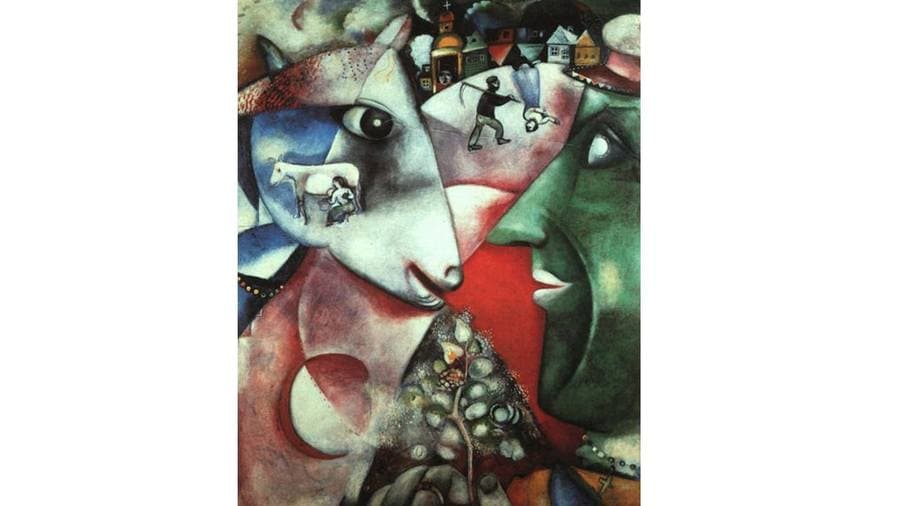
Introducing students to the vast timeline of visual arts requires structured, accessible, and highly visual materials. Teaching historical art movements often involves balancing visual analysis with historical context, which can overwhelm both instructors and students if not properly organized. Utilizing an art history worksheets format ensures that teachers have immediate access to printable, standardized materials that keep students focused during direct instruction or independent study. Middle school and high school classrooms benefit immensely from resources that combine critical thinking prompts with clear visual references.
These printable materials allow teachers to bypass hours of formatting and image sourcing, providing a direct route to meaningful artistic engagement. Whether you are leading a comprehensive unit on the Renaissance or introducing the basics of Impressionism, having a reliable set of printable documents transforms abstract concepts into tangible learning experiences. This guide explores how to select and deploy these resources to maximize student comprehension.
Why Rely on Printable Art History Resources?
Integrating visual arts into a standard curriculum requires more than simply projecting images on a screen. When students hold an art history worksheets in their hands, they engage with the material on a tactile level, allowing for active annotation and close observation. Printed materials encourage students to circle key compositional elements, underline important biographical details of the artists, and write their interpretations directly alongside the artwork in question. This physical interaction builds stronger connections to the material compared to passive digital viewing.
Furthermore, printable formats offer unparalleled flexibility for classroom management. Teachers can easily distribute packets for substitute teacher days, assign them as independent homework, or use them as guided notes during a primary lecture. The consistency of a well-formatted document ensures that all students receive the same baseline information, which is particularly valuable in diverse classrooms with varying levels of prior knowledge.
Selecting High-Quality Educational Materials
Not all printable resources deliver the same educational value. When sourcing an art history worksheets, instructors must evaluate the clarity of the images, the depth of the historical context, and the quality of the critical thinking questions included. High-quality materials push students beyond simple memorization of dates and names, challenging them to analyze brushwork, color theory, and the sociopolitical environments that influenced the creators.
Teachers should look for documents that offer a balanced mix of reading comprehension and visual analysis. A strong worksheet might feature a short, focused text about a specific movement, followed by open-ended prompts that require students to defend their interpretations of a featured masterpiece. Clean layouts with plenty of negative space prevent visual clutter and provide students with adequate room to formulate their answers. Ensuring that the text is written at an appropriate reading level for middle or high schoolers further guarantees that classroom time is spent on rigorous academic inquiry rather than decoding confusing instructions or overwhelming jargon.
Structuring Lessons Around Major Art Movements
Organizing a curriculum chronologically or thematically is a standard approach, and printable resources serve as excellent anchors for these broader units. An art history worksheets dedicated to a specific era, such as the Baroque period or Cubism, provides a self-contained learning module that students can reference throughout the unit. Teachers can introduce the overarching themes of the movement before distributing the materials for targeted exploration.
These documents often break down complex historical shifts into digestible segments. For instance, a worksheet covering the transition from Romanticism to Realism can highlight specific comparative elements, guiding students to recognize shifts in subject matter and technique. By structuring lessons around these foundational documents, teachers create a predictable rhythm in the classroom. Students learn to anticipate the analytical process, applying the same critical framework to different eras. This repetition solidifies their understanding of how artistic styles evolve over time in response to cultural changes.
Enhancing Critical Analysis Through Structured Prompts
The primary goal of art education extends beyond historical knowledge; it aims to cultivate deep analytical skills. Using an art history worksheets equipped with structured observation prompts forces students to slow down and truly look at an image. Instead of a passing glance, students must identify specific elements like light source, perspective, and symbolic meaning, translating their visual experience into written arguments.
Many teachers find that when students are prompted to analyze the negative space and compositional balance before reading the historical background, their interpretations are significantly more original and less influenced by established critiques. This method of delayed context delivery encourages independent thought and builds confidence in their own visual literacy.
By consistently asking students to justify their observations using evidence from the artwork itself, teachers build a classroom environment centered on evidence-based reasoning. These analytical exercises are easily facilitated through well-designed printable sheets.
Integrating Artist Biographies into the Curriculum
Understanding the creator is often just as important as analyzing the creation. An art history worksheets that includes detailed artist biographies provides essential context regarding the personal, cultural, and economic factors that shaped a body of work. When students read about the challenges faced by Frida Kahlo or the rigorous training of Michelangelo, the artwork transforms from a static image into a narrative of human endeavor.
These biographical resources can be used to spark comparative discussions. For example, comparing the early life of a Renaissance master with that of a Modernist painter can highlight the evolving role of the artist in society.
Utilizing Museum-Grade Resources
Accessing materials developed by major cultural institutions brings a level of authority and depth to the classroom. When teachers incorporate an art history worksheets sourced from recognized educational departments, they provide students with curated, high-level academic content. These resources are typically designed by subject matter experts who understand how to translate complex curatorial research into grade-appropriate learning activities.
For example, utilizing the National Gallery of Art: Teaching Packets (https://www.nga.gov) provides teachers with comprehensive modules that include high-resolution image guides, historical essays, and cross-curricular activity suggestions. These museum-grade packets elevate the standard of the curriculum, ensuring accuracy and introducing students to the language used by professional historians and curators. Bringing these resources into a middle or high school environment demystifies the museum experience, showing students that art appreciation is an accessible academic pursuit.
Classroom Implementation
Effectively deploying an art history worksheets requires strategic planning to maximize its educational impact. Begin by using these materials as bell-ringer activities to immediately focus student attention at the start of a period. A single image with three short analytical questions can set the tone for the entire lesson, transitioning students from the hallway environment into a state of focused observation.
For longer blocks, teachers can establish rotation stations. Different worksheets can be placed at various tables, each focusing on a different artist from the same movement. Students rotate through the stations, completing their printable packets collaboratively. This method encourages peer-to-peer discussion and allows the teacher to circulate and provide targeted intervention where needed.
Frequently Asked Questions
1. What types of art history worksheets are best for middle schoolers?
For middle school students, the most effective art history worksheets materials combine concise historical narratives with highly interactive elements. Worksheets that feature matching activities, introductory vocabulary exercises, and simple guided drawing prompts help maintain engagement while introducing foundational concepts without overwhelming younger learners.
2. How to use printable art appreciation worksheets effectively in the classroom?
Printable appreciation materials are best used through a think-pair-share methodology. Distribute the documents and allow students five quiet minutes to record their initial observations. Following this independent work, have them discuss their findings with a partner before opening the conversation to the entire class.















 Interactive Worksheet Maker
 Quiz Maker
 Word Search Maker
 Crossword Puzzle Maker
 Word Scramble Generator
 Sentence Scramble Generator
 Handwriting Worksheet Generator
 Name Tracing Generator
 Fill In The Blank Generator