Science printable worksheets for college give instructors in gateway biology, chemistry, physics, and anatomy courses a focused tool for the specific practice those courses demand — multi-step problem solving, evidence-based reasoning, and written explanation that goes well past definition recall. Each worksheet targets one task type rather than surveying an entire chapter, which keeps the cognitive demand at application rather than recognition.
What's Inside the Set
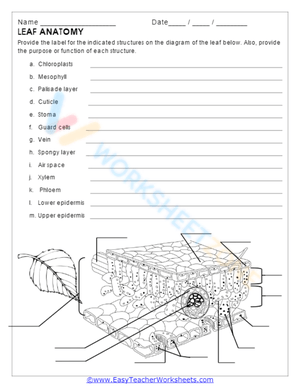
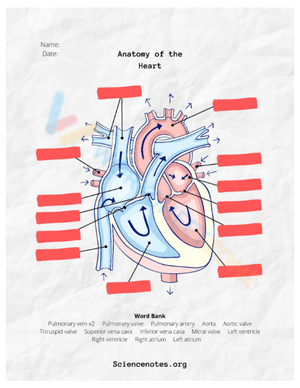
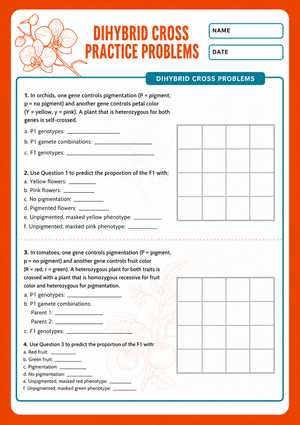
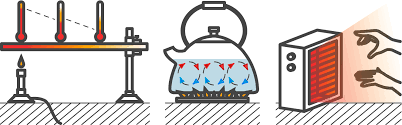
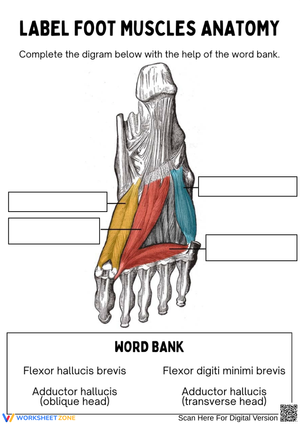
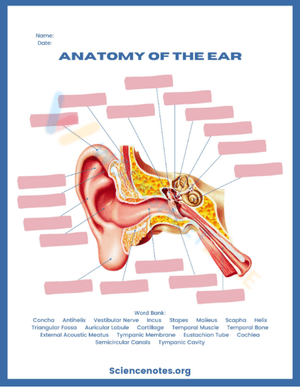
The worksheets span the task types that appear most consistently in postsecondary science instruction. Some ask students to work through calculations with full unit tracking — the kind of step-by-step reasoning that chemistry and physics students need to build fluency before a high-stakes exam. Others present data tables or graphs and ask students to annotate trends, compare experimental conditions, and write evidence-supported claims in full sentences. Still others center on labeled diagrams — metabolic pathways, anatomical cross-sections, geologic strata — paired with short interpretation prompts so students connect visual models to the underlying concept rather than just filling in blanks.
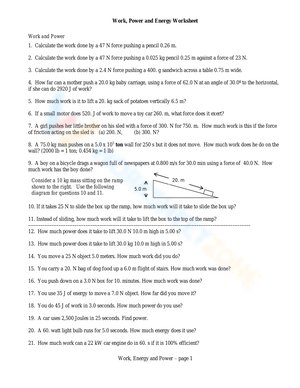
- Multi-step problem sets: stoichiometry, force diagrams, energy calculations, and similar items where students show reasoning across several lines of work, not only a final answer.
- Data and graph analysis: reading trend lines, comparing experimental conditions, identifying anomalies, and drawing supported conclusions in written sentences.
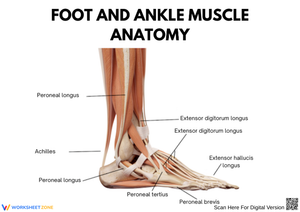
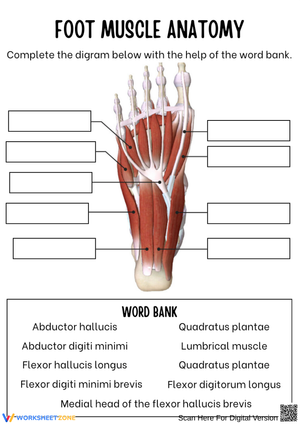
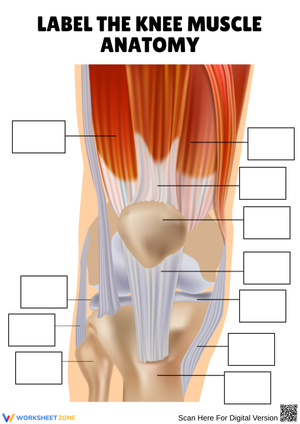
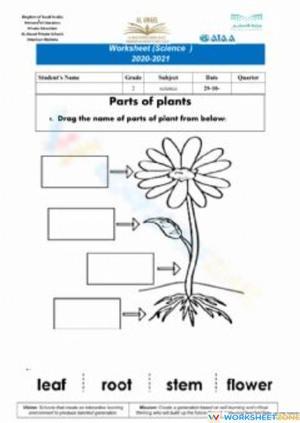
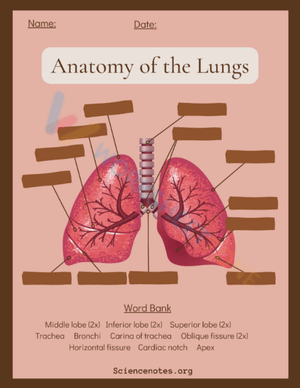
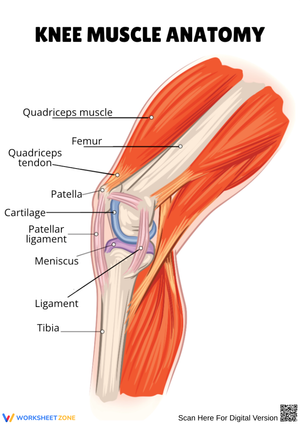
- Diagram annotation: labeling and interpreting structures in cell biology, anatomy, geology, and introductory physics — with short written responses, not just label blanks.
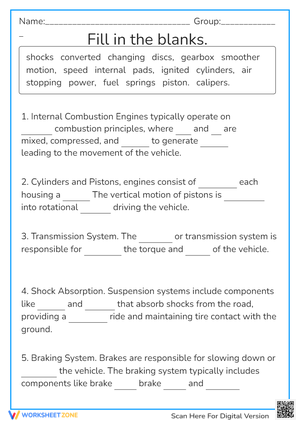
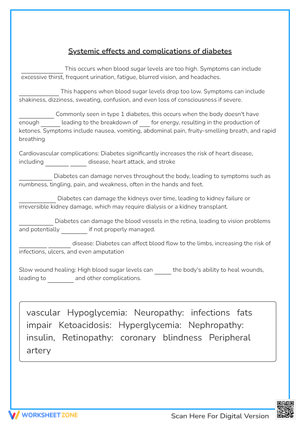
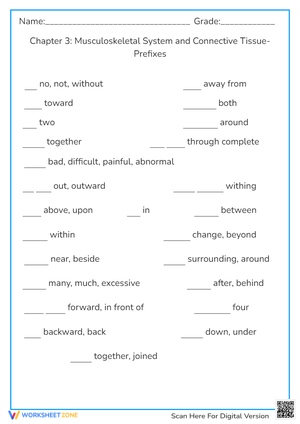
- Vocabulary in context: prompts that require students to use scientific terms in explanation or comparison rather than matching definitions to a word bank.
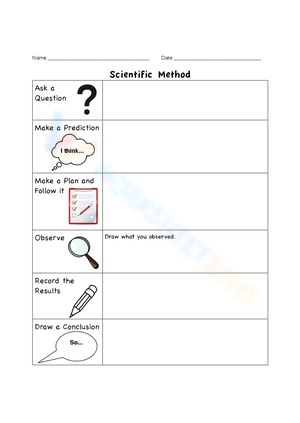
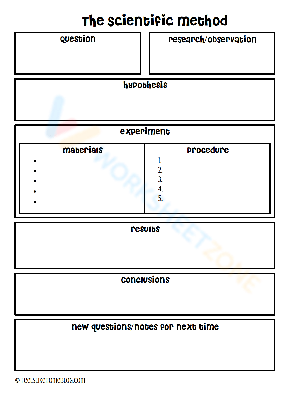
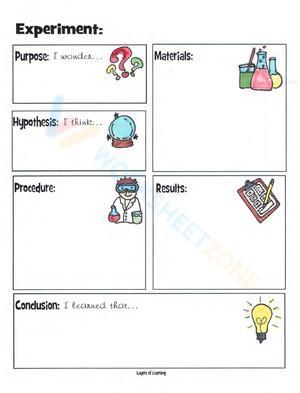
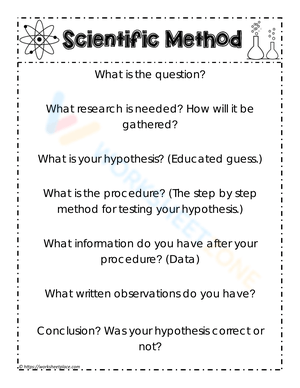
- Lab companion pages: pre-lab prediction prompts, variable identification, observation tables, and post-lab error analysis that keep practical work connected to course concepts.
Mistakes Students Make That These Worksheets Help You Surface
Gateway college science courses surface a predictable cluster of misconceptions that don't dissolve after a single lecture. In stoichiometry, students who balance an equation correctly will still divide moles by molar mass instead of multiplying — the symbolic steps are memorized but the conceptual logic behind them isn't. In biology, a student who explains cellular respiration accurately in prose will draw an energy yield diagram that shows ATP produced only at one stage, missing the contributions from glycolysis and the electron transport chain entirely. In anatomy, students who label a diagram correctly on a quiz will reverse the direction of blood flow through the pulmonary circuit when the same concept reappears as a free-response item rather than a fill-in diagram.
These aren't attention lapses — they show that students are pattern-matching from memory rather than reasoning through the concept. Worksheets that require students to justify an answer in writing, explain why a specific response is wrong, or trace a biological or chemical process step by step expose that gap before an exam, when something can still be done about it.
Building These Worksheets Into the Structure of Your Course
The most reliable use is the retrieval warm-up at the start of lecture or recitation. Giving students 8 to 10 minutes with a focused problem from the previous class does more for retention than covering the same ground again through slides. The activity creates a low-stakes moment where students discover what they actually remember versus what they assumed they understood — and instructors get an immediate read on what needs reinforcement.
When instructors organize science printable worksheets for college by use case rather than by unit topic, prep time drops significantly. A folder of data-analysis pages can supply a semester's worth of discussion-section openers. Pre-lab and post-lab sheets filed together by experiment create a built-in system for connecting hands-on work to course outcomes. Tutoring centers serving high-enrollment courses benefit from topic-organized sets that TAs and peer tutors can pull and assign without building materials from scratch.
- Lecture warm-up (8–10 min): retrieval task tied to the previous session's core concept.
- Mid-lecture pause: a short analysis item students complete in pairs after a demonstration or worked example on the board.
- Pre-lab prep: prediction prompts, variable identification, and a quick methods check before equipment use begins.
- Post-lab reflection: an evidence-to-conclusion page students complete alongside their data, connecting observed results to the original prediction.
- Exam review: mixed-practice sets where students must choose the correct method rather than execute the one method the prompt specifies.
Why Paper Still Earns Its Place in a College Science Classroom
When a student works through a multi-step chemistry problem on a printed page, they can show every substitution, cross out a wrong unit, and draw an arrow back to a previous step. That process — visible, revisable, physical — is harder to replicate in a digital entry field. For sketch-intensive tasks in anatomy or geology, where students mark up cross-sections or add their own structural labels, print isn't a workaround. It's the better format for the task.
Printed worksheets also integrate cleanly with open digital tools without competing with them. A PhET simulation activity becomes more productive when paired with a printed observation and analysis sheet. OpenStax chapter content can be distilled into a compact review sheet students carry into office hours or a study group. The two formats divide the labor — digital tools handle dynamic interaction; print handles focused, annotatable practice.
Adapting the Worksheets Across Ability Levels and Course Types
The readiness range in a college science course is often wider than it appears on the first day. STEM-track sections and general-education survey sections can enroll students with strikingly different math preparation, prior lab experience, and reading stamina. One practical strategy: print a worksheet in two versions simultaneously — one with full worked-example prompts for first exposure during lecture or recitation, and one with those prompts stripped back for students who are ready to work without them, or for a second encounter with the same concept the following week. This keeps the core scientific task constant while adjusting the amount of visible support.
Dual-enrollment settings present their own demands. The science printable worksheets for college in this set include enough white space and clear task separation that an instructor can add guided steps in the margin, reduce hints by covering them before copying, or combine two shorter worksheets into a single review session — all without altering the underlying question or the rigor of the answer it requires.
Frequently Asked Questions
What makes a college-level science worksheet different from a high school one?
Task type and depth of reasoning. A college-level worksheet does not stop at recall. Students are asked to explain, apply, interpret, or justify in an unfamiliar context. The strongest college worksheets include moments where students must decide which concept or method applies — not just execute a procedure the prompt already specifies.
Where do instructors typically find college science worksheets to print?
Open educational resources are the most reliable starting point. OpenStax Science Subjects, LibreTexts Sciences, Khan Academy's science content, PhET Interactive Simulations teacher resources, and university learning centers such as the UNC Chapel Hill Learning Center all offer material that instructors can adapt into print-ready pages. Science printable worksheets for college organized by topic and course level — rather than by general subject area — save significant search time when a specific concept needs targeted practice fast.
Can these worksheets be used effectively in lab courses and recitation sections?
Yes. In lab courses, they work for pre-lab planning, observation recording, graphing practice, and post-lab analysis. In recitation sections, they structure small-group problem solving, diagram interpretation, and short written explanations that students can compare before the instructor walks through the correct reasoning aloud.
How do I increase the rigor of a worksheet that feels too easy for a particular group?
Remove the prompts that walk students through the procedure and replace them with open-ended tasks. Ask students to justify a claim using data from the table, compare two models and explain which is better supported by evidence, or apply a familiar concept to an unfamiliar experimental scenario. Mixing concepts across a single worksheet — so students must first recognize which principle applies — is often more demanding than adding more problems of the same type.