


























Views
Downloads
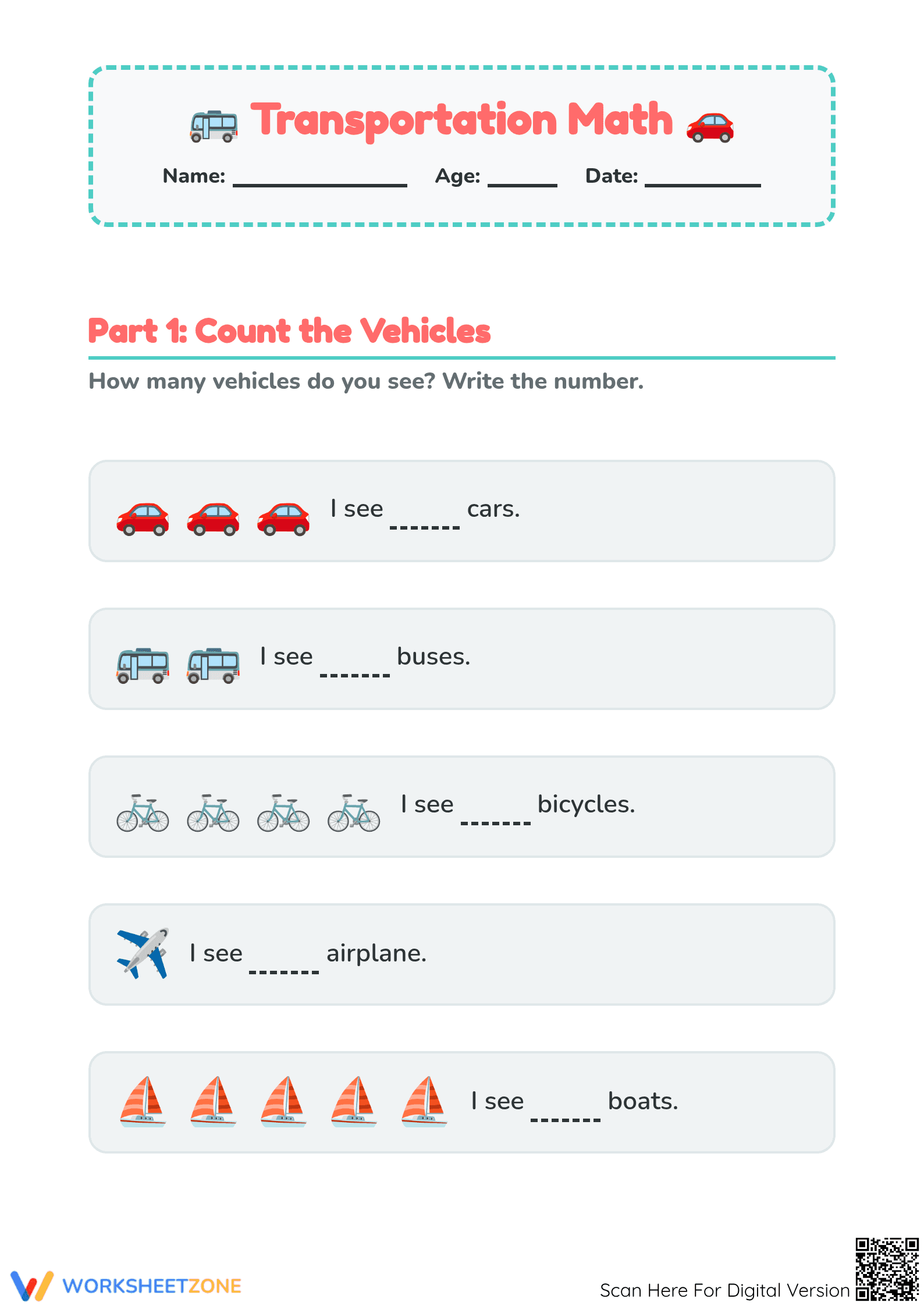
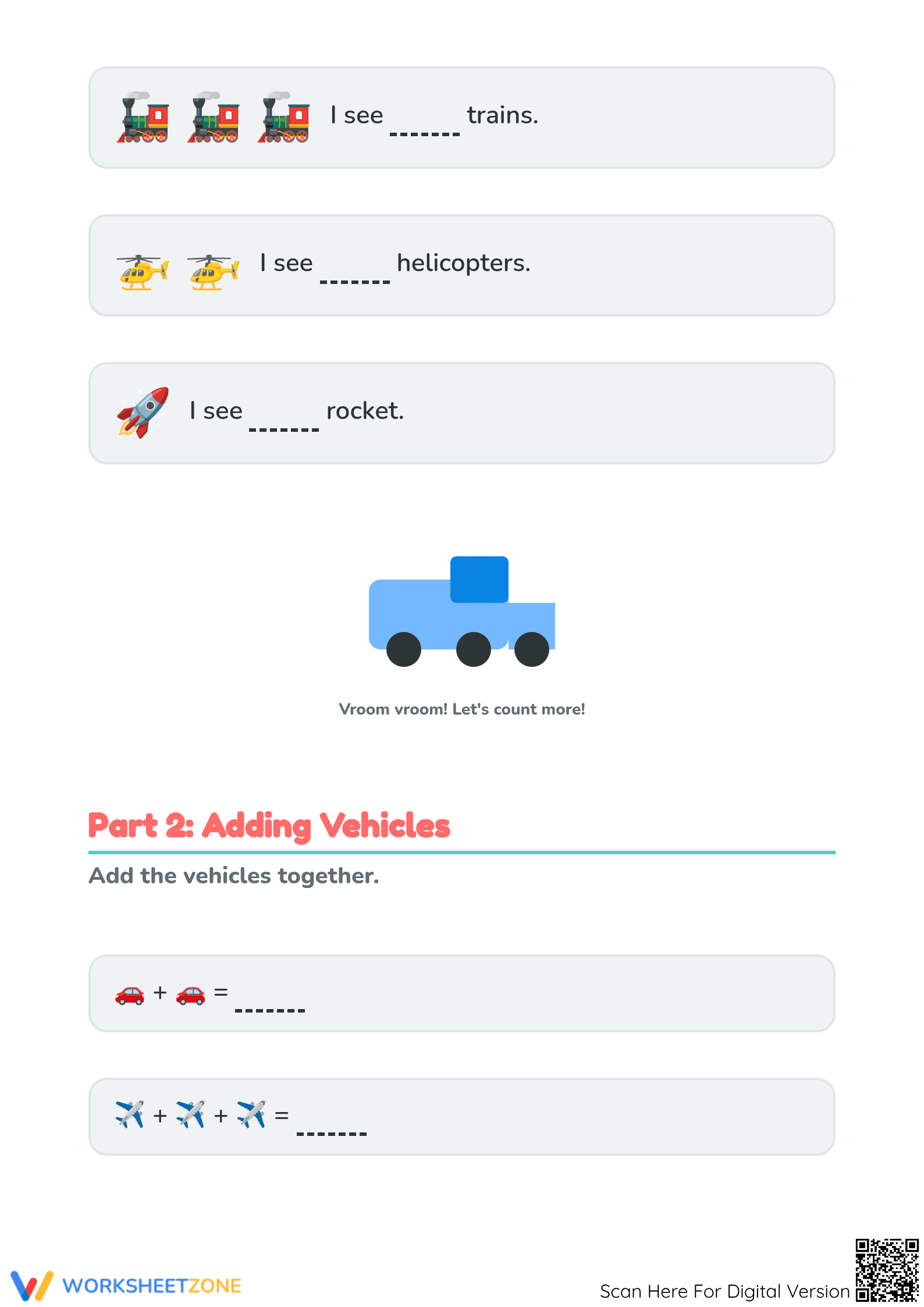

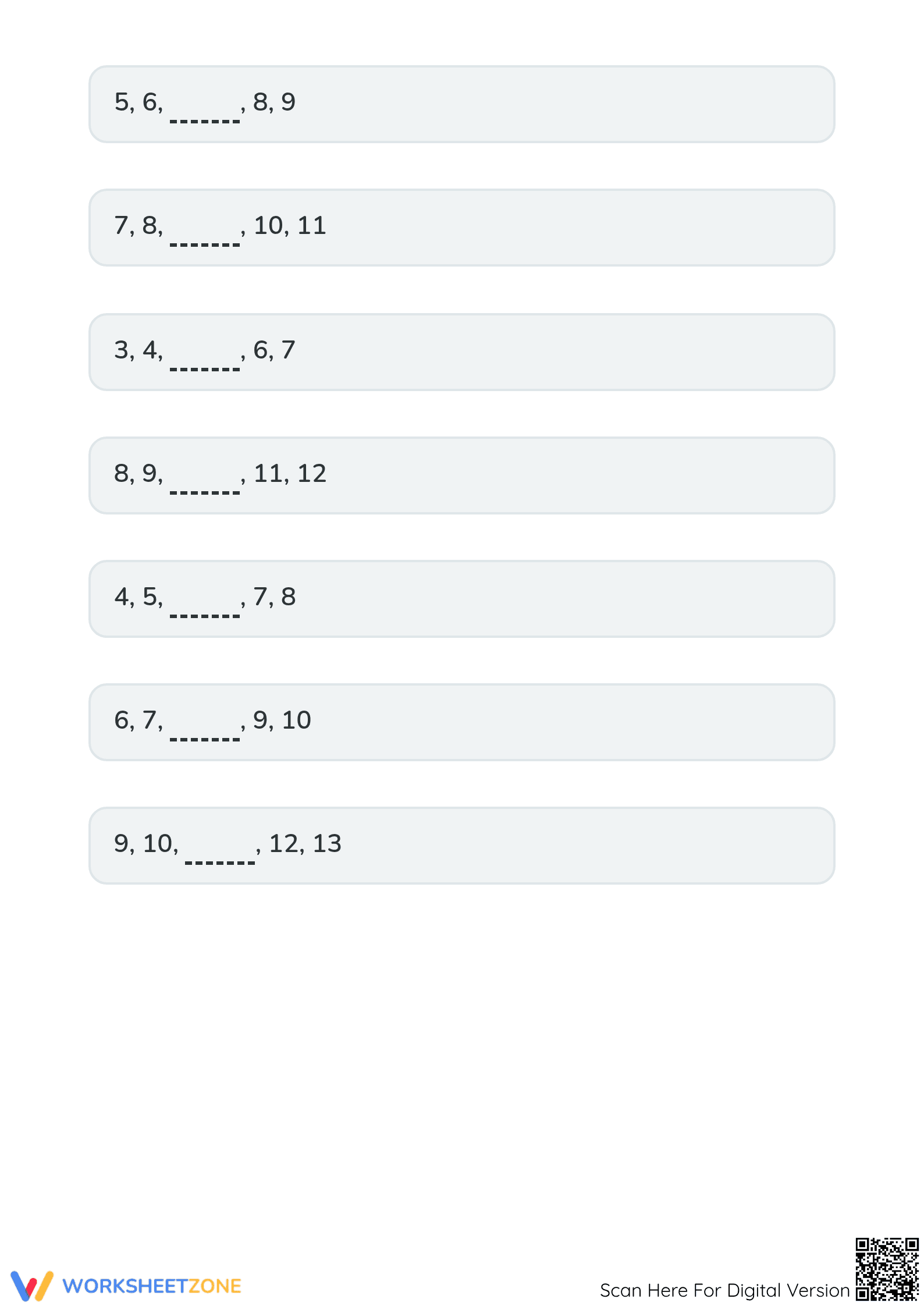

Printable Preschool Math Worksheet: Transportation Comparison
Paste this activity's link or code into your existing LMS (Google Classroom, Canvas, Teams, Schoology, Moodle, etc.).
Students can open and work on the activity right away, with no student login required.
You'll still be able to track student progress and results from your teacher account.
Identify and compare sizes with this Preschool math worksheet focused on transportation. Students examine real-world vehicles to determine which is bigger or smaller, building essential visual discrimination. This resource provides a clear way to master comparative vocabulary while connecting math concepts to familiar objects like cars, planes, and ships.
At a Glance
At a Glance
- Grade: Preschool · Subject: Math
- Standard:
CCSS.MATH.CONTENT.K.MD.A.2— Directly compare two objects using a measurable attribute like size- Skill Focus: Size Comparison (Bigger vs. Smaller)
- Format: 4 pages · 16 problems · Answer key included · PDF
- Best For: Early childhood math centers and morning work
- Time: 15–20 minutes
What's Inside
This comprehensive 4-page PDF set includes sixteen targeted comparison tasks. Each page features four pairs of high-interest transportation graphics, ranging from bicycles and cars to rockets and ships. The first two pages focus on identifying the bigger vehicle, while the final two pages transition to identifying the smaller vehicle. A full answer key is provided to facilitate quick grading or student self-correction.
Skill Progression
- Guided Practice: 8 tasks on pages one and two introduce the bigger concept using high-contrast vehicles like buses and bicycles.
- Supported Practice: Middle tasks require students to evaluate complex pairs like helicopters and airplanes using closer visual analysis.
- Independent Practice: The final 8 tasks on pages three and four challenge students to identify the smaller item without teacher prompting.
This release of scaffolds ensures early learners build confidence and accuracy in their comparative reasoning using the I Do, We Do, You Do model.
Standards Alignment
Aligned to `CCSS.MATH.CONTENT.K.MD.A.2`, students directly compare two objects with a measurable attribute in common. This resource serves as a critical bridge to kindergarten readiness by establishing foundational vocabulary needed for formal measurement. The standard code can be copied directly into lesson plans, IEP goals, or district curriculum mapping tools.
How to Use It
Incorporate this resource during direct instruction by modeling the comparison process with physical toy cars before transitioning to the paper tasks. It also serves as an excellent formative assessment tool; observe if students are consistently selecting the correct vehicle to gauge their understanding of size-based vocabulary. Expect completion in roughly 5 minutes per page, making it ideal for rotating math centers.
Who It's For
This set is specifically designed for 3- and 4-year-old learners in preschool or Pre-K environments. It is highly effective for students requiring visual scaffolds, as the realistic transportation images provide immediate context. Pair this worksheet with a read-aloud about things that go or a classroom anchor chart displaying big and small examples to reinforce concepts.
Citation Capsule
Size comparison and comparative language are pivotal in early childhood development. According to the NAEP framework, establishing foundational measurement concepts is a predictor of later mathematical success. This worksheet addresses `CCSS.MATH.CONTENT.K.MD.A.2` by distinguishing objects based on size. By using transportation themes, the resource lowers cognitive load, focusing students on comparison logic. Research from ScienceDirect TpT Analysis highlights that thematic, visually-driven worksheets improve engagement in learners aged 3-5. This resource provides necessary repetition for mastery while offering a structured environment to apply vocabulary. Educators can integrate these tasks into a math curriculum to ensure students meet benchmarks for kindergarten readiness. The 16-task set ensures comprehensive coverage of the skill across four pages of printable content, supporting both teacher-led instruction and independent student practice sessions.


