




























Views
Downloads
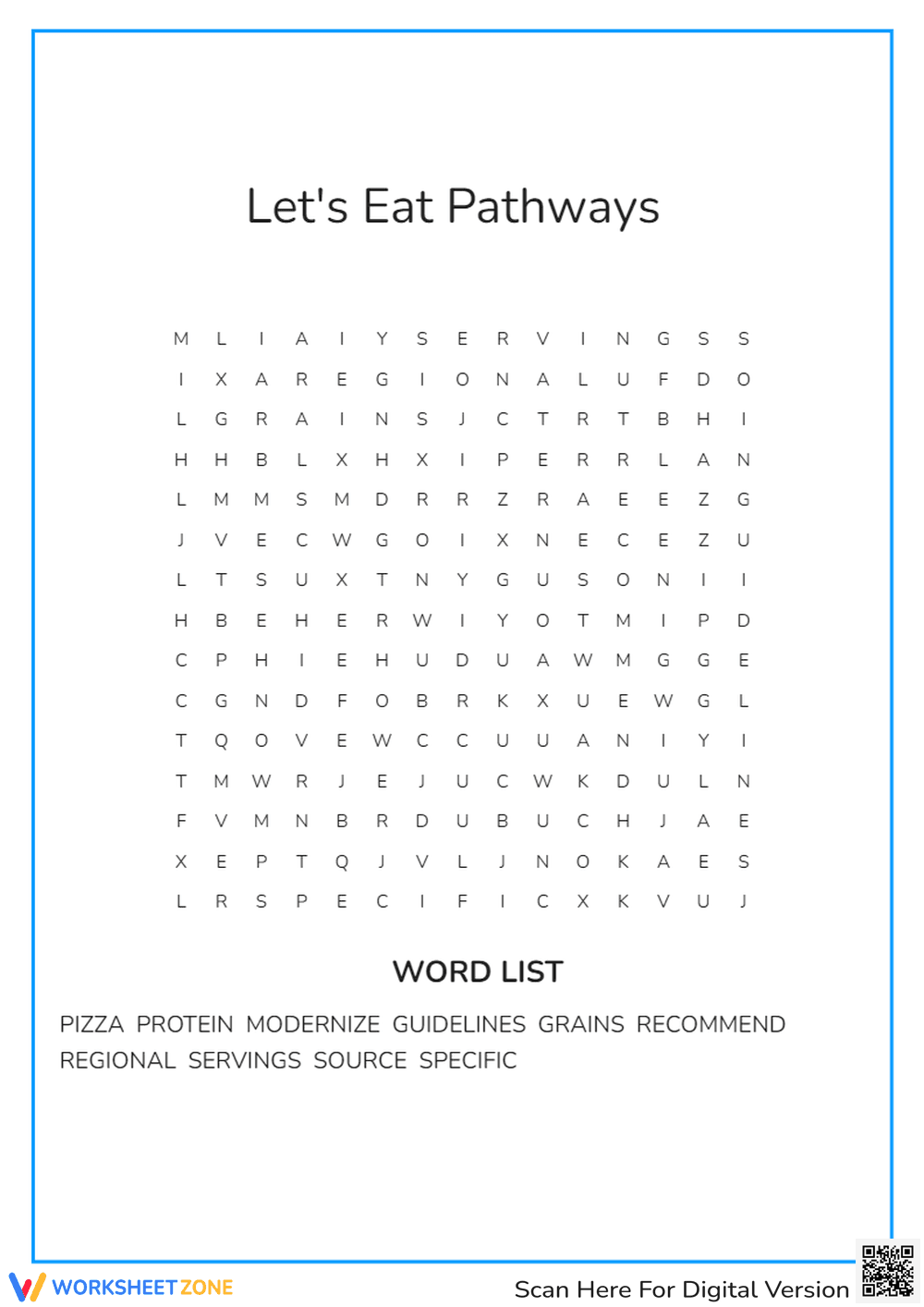

Grade 11 Vocabulary Word Search | Essential Pathways

Paste this activity's link or code into your existing LMS (Google Classroom, Canvas, Teams, Schoology, Moodle, etc.).
Students can open and work on the activity right away, with no student login required.
You'll still be able to track student progress and results from your teacher account.
This Grade 11 vocabulary worksheet provides a focused word search activity to reinforce domain-specific terminology from the Pathways curriculum. Students identify and locate 10 key terms, strengthening their visual recognition and spelling of academic vocabulary. It serves as an effective tool for consolidating word knowledge in a low-stakes, engaging format.
At a Glance
- Grade: 11 · Subject: ELA
- Standard:
CCSS.ELA-LITERACY.L.11-12.6— Acquire and use accurately general academic and domain-specific words and phrases- Skill Focus: Vocabulary Reinforcement
- Format: 1 page · 10 problems · Answer key included · PDF
- Best For: Vocabulary review and early finisher tasks
- Time: 10–15 minutes
The worksheet features a clean, high-contrast word search grid containing 10 essential terms including "Modernize," "Guidelines," and "Regional." The single-page PDF layout includes a clear word list at the bottom, allowing students to track their progress. An answer key is provided to facilitate quick grading or student self-correction, ensuring immediate feedback on word location and spelling.
The zero-prep workflow is designed for maximum efficiency. First, print the single-page PDF (30 seconds). Second, distribute the sheets to students as they enter the room or finish a primary task (30 seconds). Third, review the definitions of the found words as a whole-class wrap-up (1 minute). Total teacher preparation time is under 2 minutes, making it an ideal emergency sub plan component.
This resource aligns with `CCSS.ELA-LITERACY.L.11-12.6`, which requires students to "Acquire and use accurately general academic and domain-specific words and phrases, sufficient for reading, writing, speaking, and listening at the college and career readiness level." By focusing on words like "Specific" and "Source," the activity supports the development of a robust academic lexicon. This standard code can be copied directly into lesson plans, IEP goals, or district curriculum mapping tools.
Use this worksheet as a "bell-ringer" activity to settle the class during the first ten minutes of a period. It effectively transitions students into a mindset focused on the Unit 6 Pathways theme. Alternatively, use it as a formative assessment tool; observe which students struggle with word scanning to identify those who may need additional support with visual processing or orthographic mapping.
This activity is tailored for Grade 11 students but is also highly effective for English Language Learners (ELLs) who benefit from repetitive exposure to new vocabulary. It pairs naturally with an anchor chart displaying the definitions of the 10 target words or a direct instruction lesson on nutritional guidelines and regional food systems.
Research indicates that word searches and similar puzzles contribute to vocabulary acquisition by increasing the frequency of word exposure in a non-threatening context. According to Fisher & Frey (2014), intentional word play and reinforcement activities are critical for moving academic vocabulary from short-term recognition to long-term memory. This worksheet targets CCSS.ELA-LITERACY.L.11-12.6 by requiring students to engage with domain-specific terms like "Protein" and "Grains" within a structured visual field. By isolating these 10 terms, the activity reduces cognitive load while building the orthographic processing skills necessary for advanced literacy. Such activities are particularly beneficial when integrated into a broader curriculum that includes direct instruction and contextual reading. The use of high-frequency academic terms ensures that the time spent on the task translates to improved reading comprehension across various informational texts. This resource provides a reliable, evidence-based method for supporting Grade 11 literacy goals.


