


























Views
Downloads



Uncle Jerry's Great Idea Reading Worksheet | Grade 2 Ready
Paste this activity's link or code into your existing LMS (Google Classroom, Canvas, Teams, Schoology, Moodle, etc.).
Students can open and work on the activity right away, with no student login required.
You'll still be able to track student progress and results from your teacher account.
This Grade 2 reading unit based on "Uncle Jerry's Great Idea" bridges narrative enjoyment and rigorous skill application. Students master frequency adverbs and sports vocabulary while engaging with a story about family. This resource ensures learners move from basic decoding toward deep textual understanding and accurate linguistic production.
At a Glance
- Grade: 2 · Subject: English Language Arts (ELA)
- Standard:
CCSS.ELA-LITERACY.RL.2.1— Answer who, what, where, when, why, and how to demonstrate understanding.- Skill Focus: Reading Comprehension & Adverbs
- Format: 9 pages · 26 problems · Answer key included · PDF
- Best For: Literacy centers and independent student practice
- Time: 30–45 minutes
What's Inside
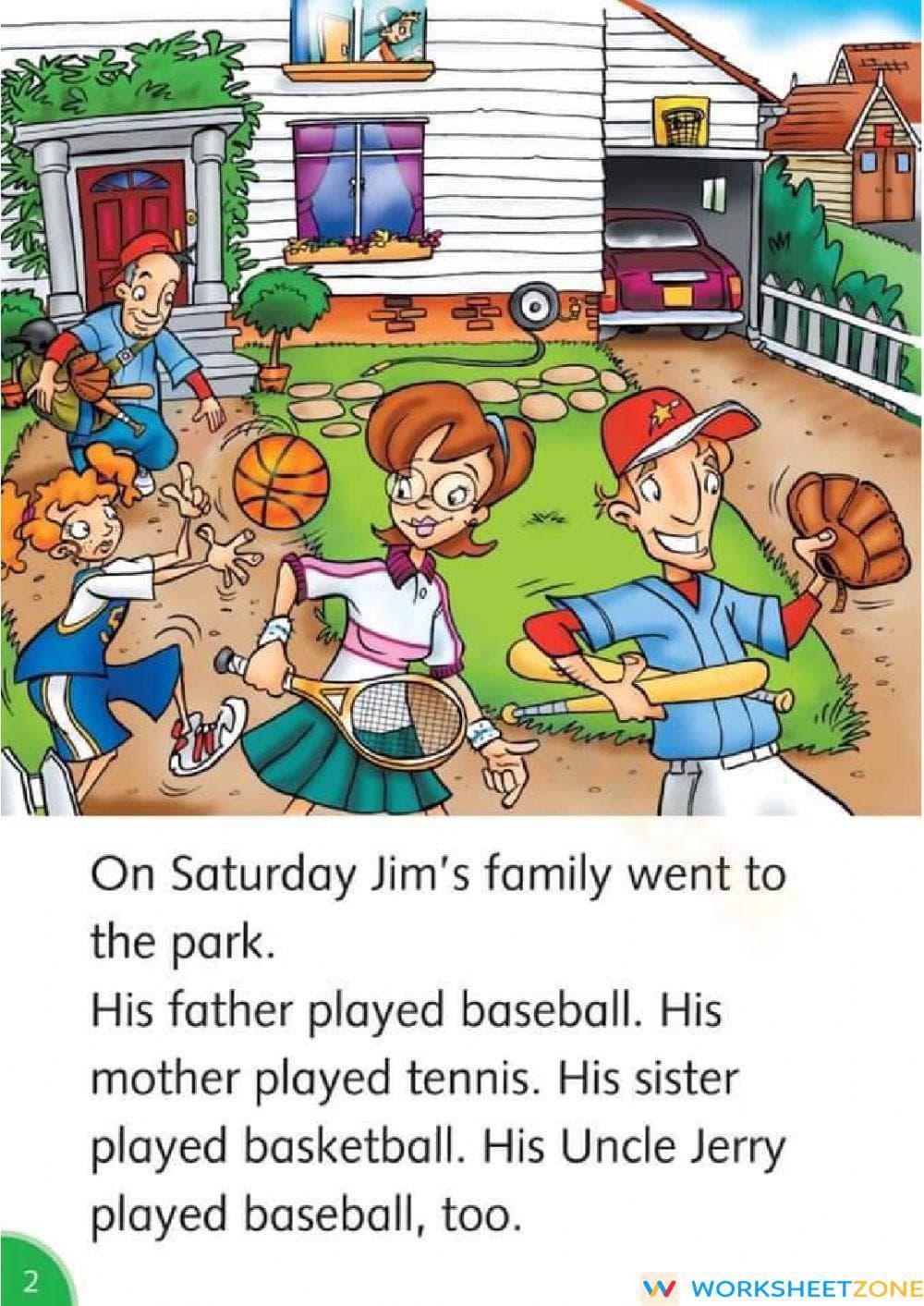
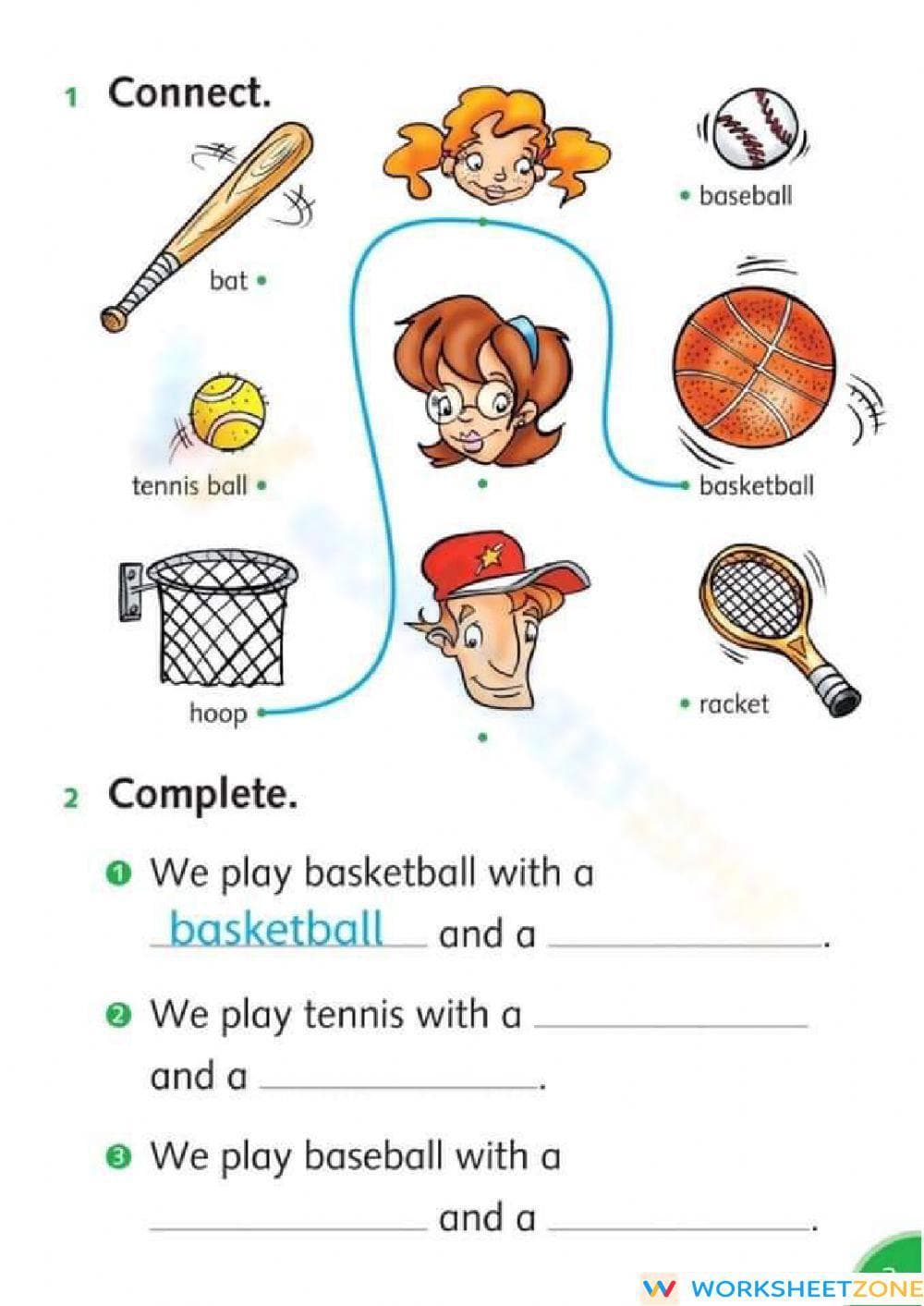
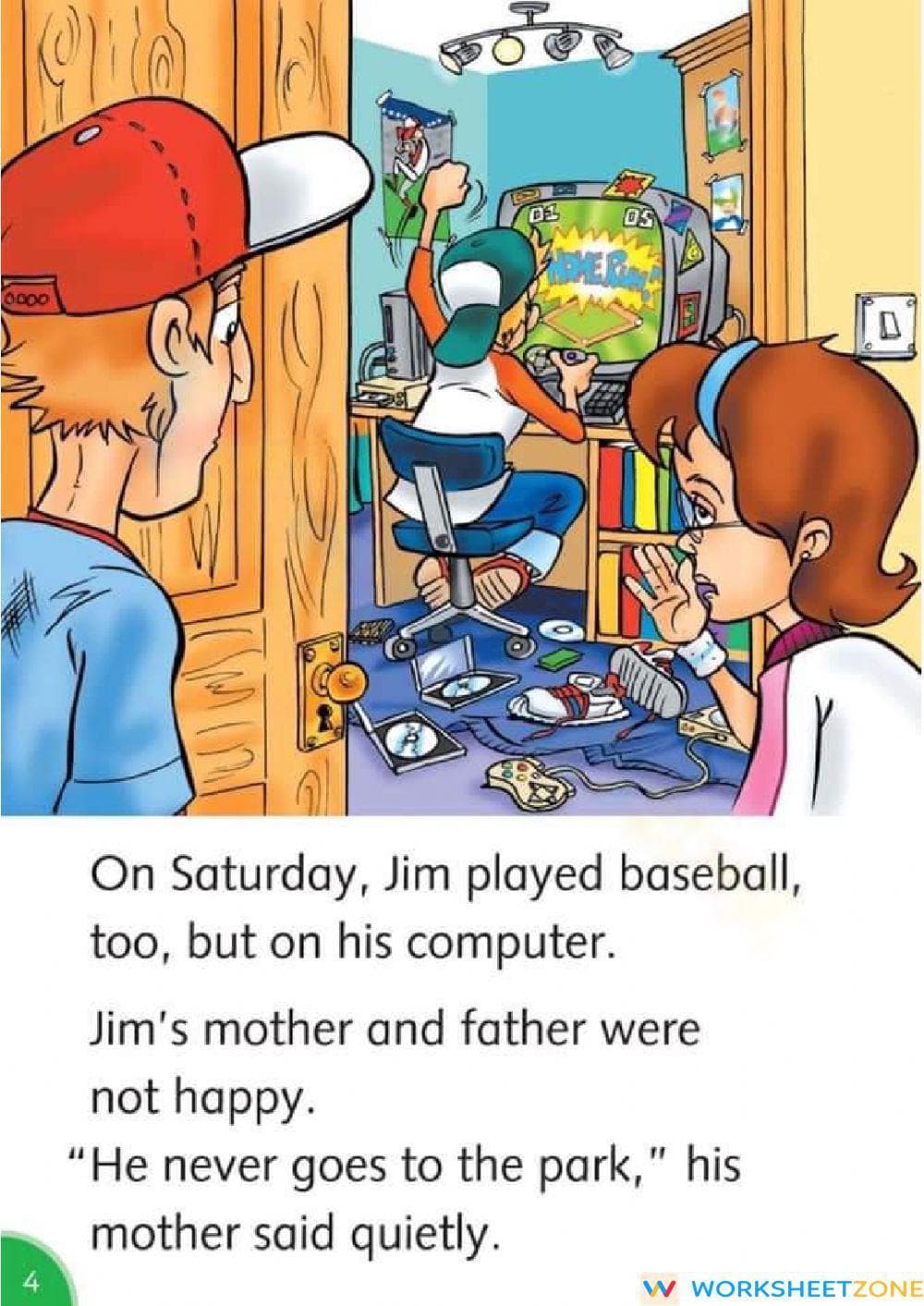
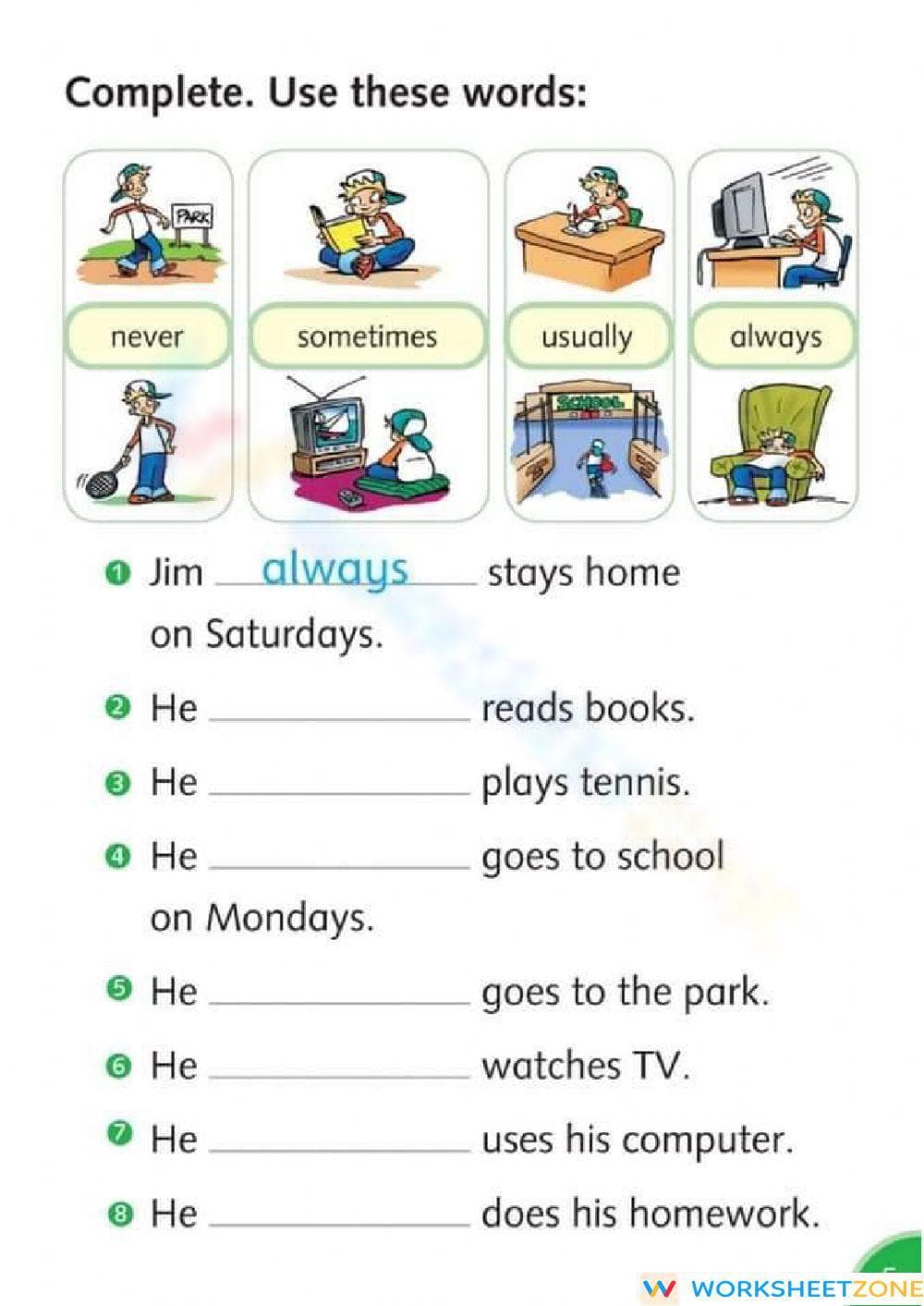
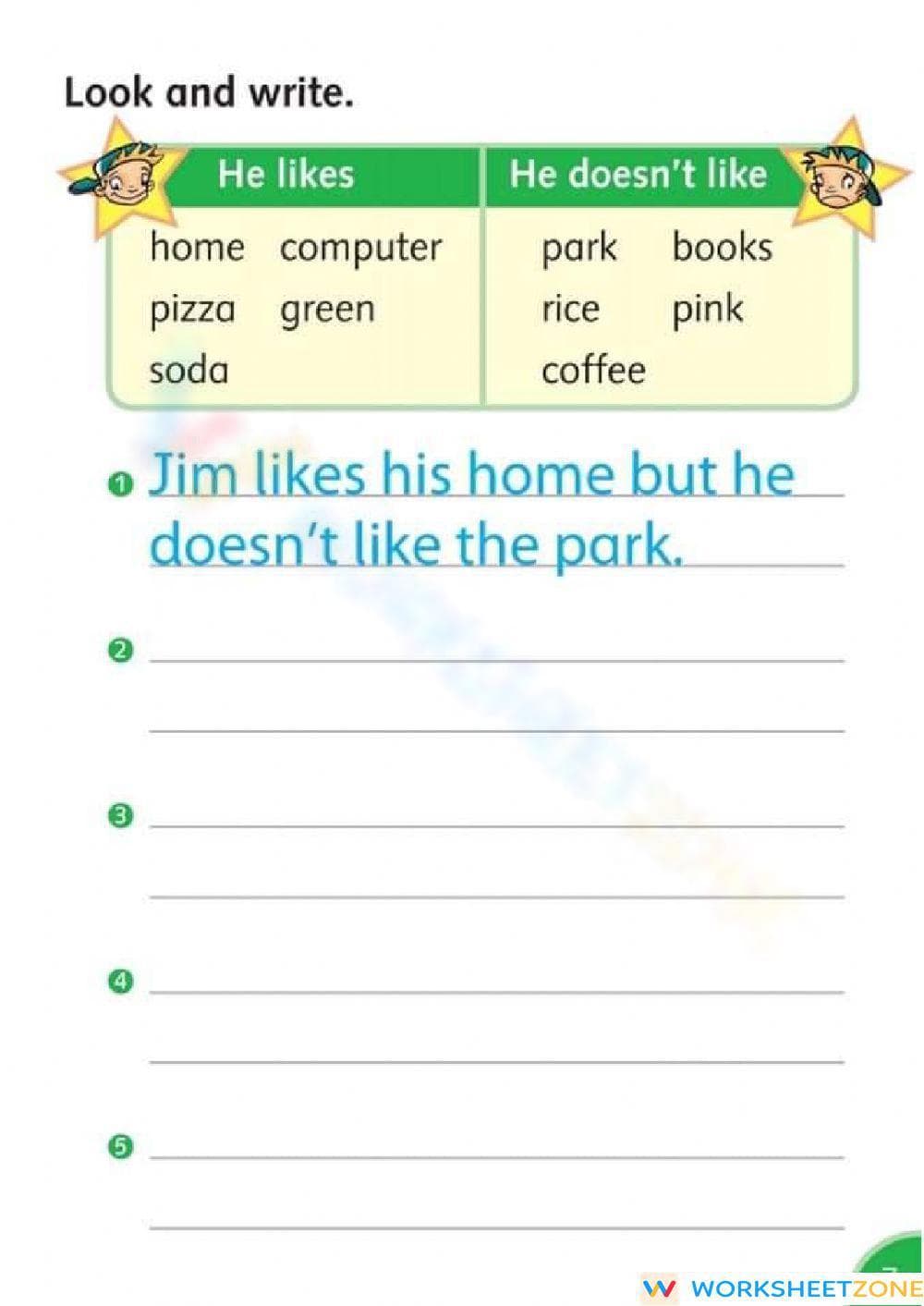
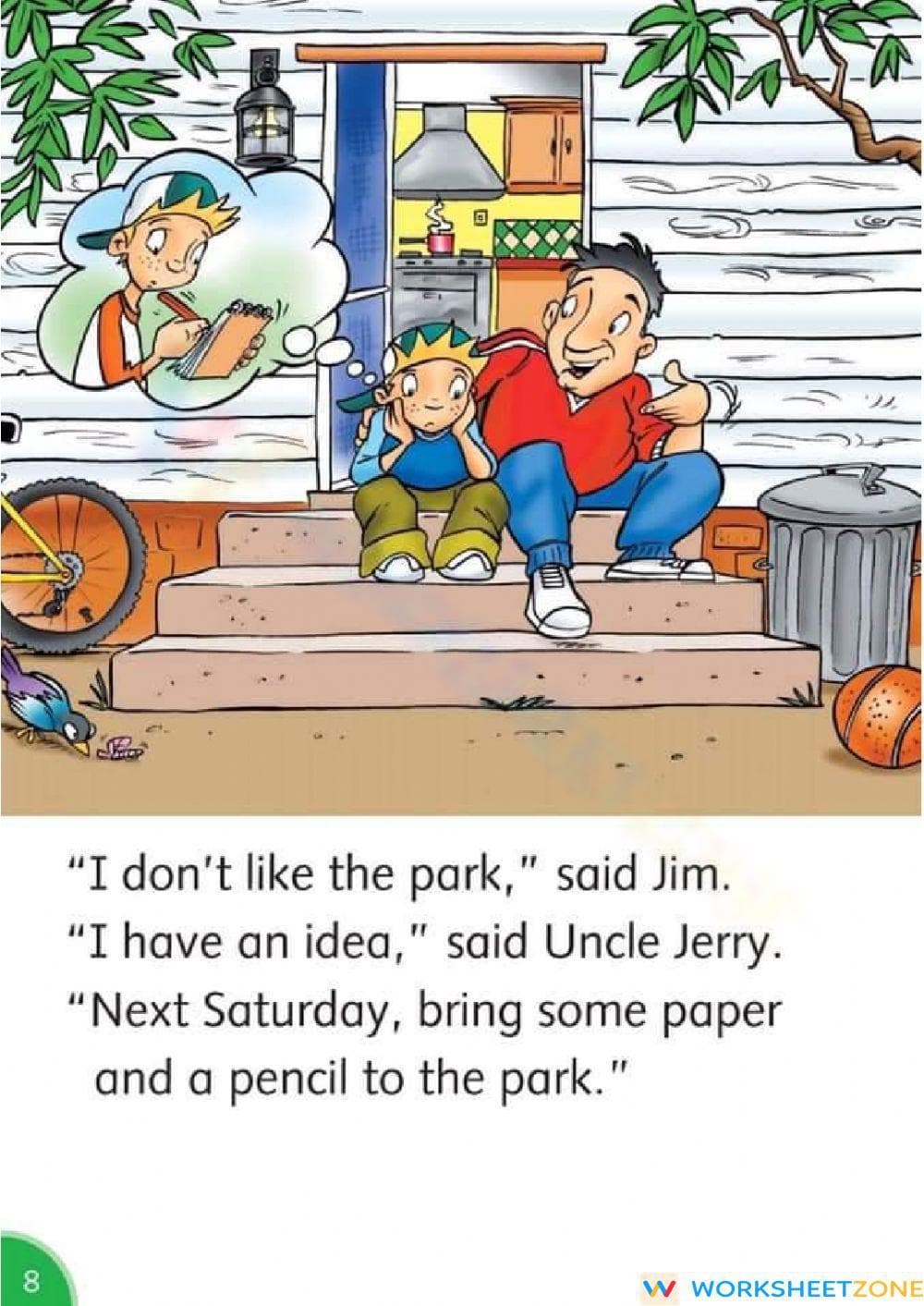
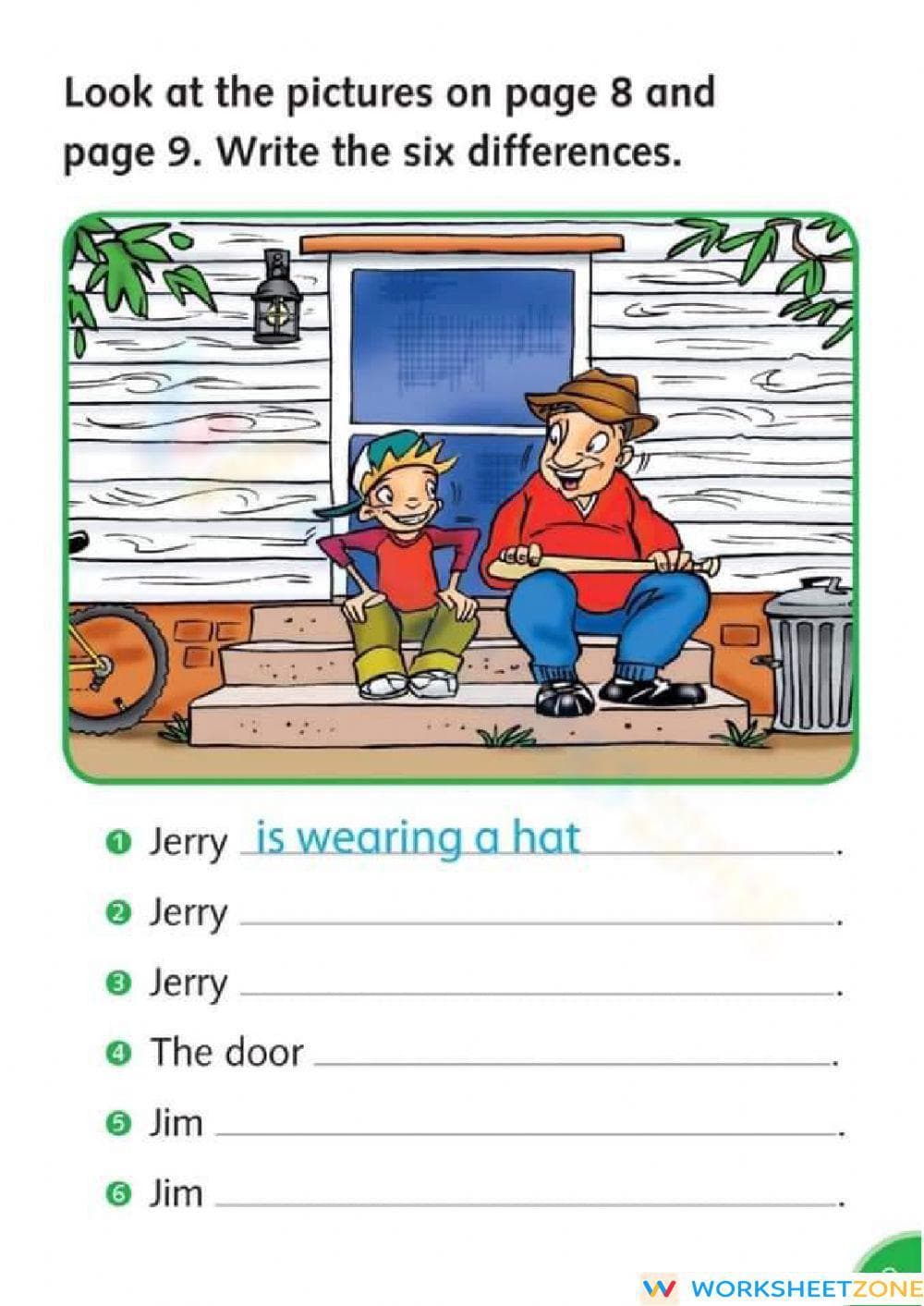
This 9-page instructional packet is a complete literacy unit designed for ease of use and maximum student engagement. It features the full narrative text paired with four distinct activity types: sports equipment matching, frequency adverb completion, preference writing, and a visual "find the differences" challenge. The inclusion of a clear answer key allows for immediate feedback or self-grading, making it a versatile tool for any classroom structure.
Zero-Prep Workflow
This resource provides a zero-prep experience for educators. Print the 9-page PDF and distribute it in under two minutes. Students spend 15 minutes reading before completing the 26 structured tasks. Review the work using the included answer key with no additional preparation. This streamlined workflow is ideal for substitute plans or independent morning work.
Standards Alignment
This worksheet is directly aligned with `CCSS.ELA-LITERACY.RL.2.1`, which requires students to ask and answer such questions as who, what, where, when, why, and how to demonstrate understanding of key details in a text. Additionally, it supports language standard L.2.1 by requiring the correct use of adverbs to modify verbs. Both standard codes can be copied directly into lesson plans, IEP goals, or district curriculum mapping tools.
How to Use It
Use this packet during small-group literacy rotations to support students developing inference skills. It also serves as an excellent formative assessment tool after whole-class reading. Teachers should observe students during the adverb section to ensure they map habits to frequency words, providing a vital check for literal comprehension of Jim's routine.
Who It's For
This resource is tailored for Grade 2 but offers great review for Grade 3 or a challenge for Grade 1. It is highly effective for English Language Learners who benefit from visual support and repetitive sentence structures. Pair this with a frequency adverb anchor chart to scaffold the independent writing tasks.
The "Uncle Jerry's Great Idea" worksheet aligns with CCSS.ELA-LITERACY.RL.2.1, emphasizing the literal and inferential comprehension of narrative text through structured questioning and vocabulary application. By integrating frequency adverbs and preference-based sentence construction, this resource supports the development of linguistic precision alongside reading mastery. According to Fisher & Frey (2014) in their research on the Gradual Release of Responsibility, scaffolded literacy tasks that transition from guided story analysis to independent skill application significantly enhance long-term retention of grammatical structures and narrative comprehension. The multi-modal nature of this unit—combining visual identification of differences with text-based matching and writing—addresses diverse learner needs within a standard Grade 2 classroom setting. This data-driven approach ensures that students not only decode text but also synthesize information to perform complex linguistic tasks. Educators can utilize these 26 structured tasks to gather immediate formative evidence of student progress toward ELA mastery goals.


