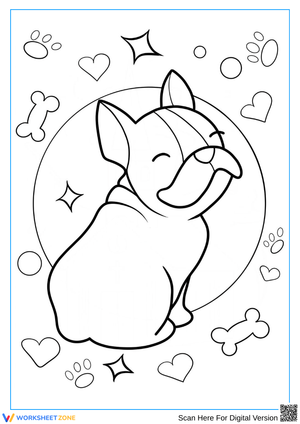
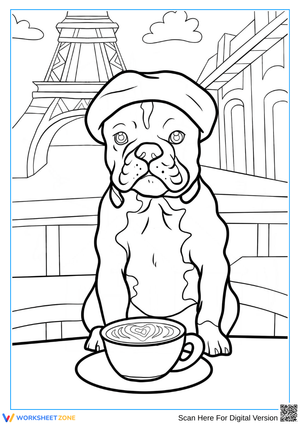
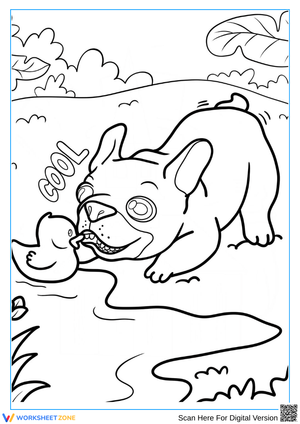
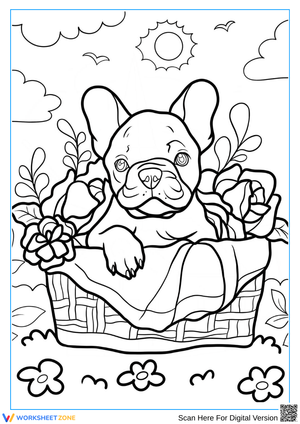
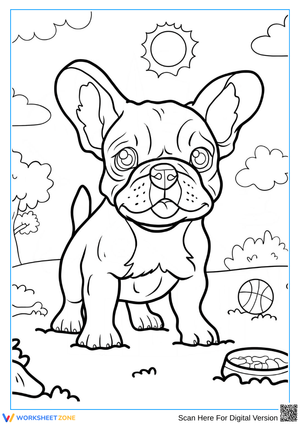
Few dogs have as much personality on the page as a bulldog. With its wrinkly face, strong little body, short legs, and lovable expression, this breed can turn a simple art activity into something full of charm. Bulldog coloring pages are a fun choice for kids who enjoy puppies, pets, and friendly animal themes. They can feel silly, sweet, calm, or playful, which makes them easy to use for quiet time, creative breaks, or pet-themed activities.
One of the best things about this theme is how many different scenes it can include. Some pages may show a bulldog puppy sitting with a happy smile, while others may feature a bulldog playing with a ball, resting on a cushion, walking in the park, or wearing a fun collar. Younger children may enjoy large, simple bulldog outlines with easy shapes to color, while older kids may like pages with extra details such as dog houses, bones, paw prints, grass, pet toys, or backyard backgrounds. This variety keeps the activity flexible and appealing for different ages.
Bulldog coloring pages also give children plenty of space to be creative. They can color the dog in realistic shades like brown, white, gray, tan, or black, or they can invent a completely playful version with bright patterns and colorful accessories. A child might give the bulldog a blue collar, a rainbow blanket, or a sunny park scene in the background. While making these choices, children practice fine motor control, hand-eye coordination, focus, and patience. The pages also help with color recognition and simple observation skills as kids notice ears, paws, wrinkles, tails, and facial expressions.
At home, parents can use bulldog coloring pages during rainy afternoons, pet-themed playtime, weekend craft sessions, or screen-free quiet time. In the classroom, teachers can add them to animal lessons, early-finisher folders, art centers, or pet-care topics. The pages can also be turned into a more interactive activity by asking children to name the bulldog, describe its personality, or imagine what it likes to do during the day. A child might decide the bulldog loves naps, chasing toys, or guarding its dog bowl, which helps build imagination and storytelling in a natural way.
After the coloring is finished, the fun can continue with simple creative extensions. Kids can cut out the bulldog and glue it onto a handmade pet scene, create a dog poster, make a bookmark, or turn the page into a greeting card for an animal lover. Some may want to add speech bubbles, a dog tag, extra toys, or a short caption about their bulldog’s adventure. With their lovable look and easy-to-recognize features, bulldog coloring pages offer children a relaxed and enjoyable way to explore pet-themed creativity through art.
Frequently Asked Questions
Question 1: What kinds of designs are common in bulldog coloring pages?
Bulldog coloring pages often include sitting bulldogs, playful puppies, smiling dog faces, bulldogs with collars, pet toys, dog houses, paw prints, backyard scenes, and park settings. Some pages are very simple, with one large bulldog shape for younger children, while others include more detailed backgrounds and accessories for older kids. This variety makes bulldog pages useful for quiet coloring, pet-themed learning, and fun animal art projects.
Question 2: What age groups can use bulldog coloring pages?
Bulldog coloring pages can work well for a wide range of children depending on the style of the page. Preschool and kindergarten children often enjoy simple designs with larger spaces and fewer background details. Older children may prefer pages with collars, toys, outdoor settings, and more realistic dog features. Parents and teachers can choose easier or more detailed pages based on each child’s age, interest, and coloring confidence.
Question 3: What skills do children practice while coloring bulldog pages?
Children practice several useful skills while coloring bulldog pages. They build fine motor control and hand-eye coordination as they fill in the dog’s face, ears, body, and background details. They also strengthen focus, patience, and color recognition. If adults encourage children to talk about the bulldog, give it a name, or describe its day, the activity can also support vocabulary, imagination, and early storytelling skills in a simple and enjoyable way.
Question 4: How can finished bulldog coloring pages be used creatively?
Finished bulldog coloring pages can be turned into pet posters, bookmarks, handmade cards, classroom displays, story starters, or decorations for an animal-themed space. Children can also cut out the bulldog and glue it onto a paper yard, pet shop, or dog park scene. Adding a name tag, speech bubble, short caption, or extra pet toys can make the finished artwork feel more personal and help children stay proud of what they created.












 Interactive Worksheet Maker
 Quiz Maker
 Word Search Maker
 Crossword Puzzle Maker
 Word Scramble Generator
 Sentence Scramble Generator
 Handwriting Worksheet Generator
 Name Tracing Generator
 Fill In The Blank Generator