


























Views
Downloads
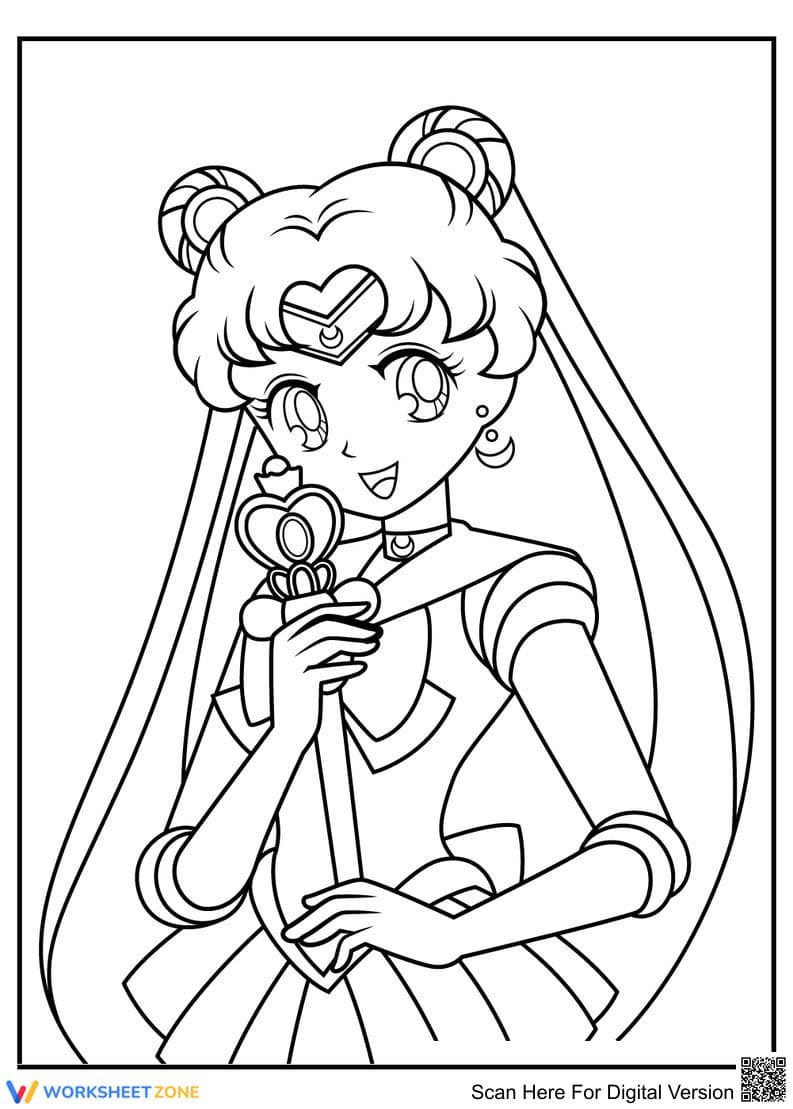

Sailor Moon Coloring Page | Essential Grade K-5 Printable
Paste this activity's link or code into your existing LMS (Google Classroom, Canvas, Teams, Schoology, Moodle, etc.).
Students can open and work on the activity right away, with no student login required.
You'll still be able to track student progress and results from your teacher account.
This Sailor Moon coloring page provides a creative outlet for students to practice fine motor control and color application. By engaging with a familiar character, learners build the hand-eye coordination necessary for early writing and artistic expression. It serves as a high-interest activity that bridges the gap between play and foundational skill building.
At a Glance
At a Glance
- Grade: K-5 · Subject: Arts & English
- Standard:
CCSS.ELA-LITERACY.L.K.1.A— Use fine motor skills to control writing and drawing tools- Skill Focus: Fine motor development
- Format: 1 page · 1 task · No answer key · PDF
- Best For: Morning work or early finishers
- Time: 15–20 minutes
What's Inside
The resource features a high-quality, single-page line art illustration of the iconic character Sailor Moon. The design includes various detail levels, from large areas for broad coloring to smaller elements like jewelry and eyes that require precision. This PDF is formatted for standard letter size, ensuring a clean print every time for classroom use.
Zero-Prep Workflow
The zero-prep workflow is designed for maximum efficiency in busy classrooms. First, print the single-page PDF (30 seconds). Second, distribute the sheets along with crayons, markers, or colored pencils (1 minute). Third, allow students to work independently while you transition between lessons or manage small groups. Total teacher preparation time is under 2 minutes, making it an ideal sub plan addition.
Standards Alignment
This activity aligns with `CCSS.ELA-LITERACY.L.K.1.A`, which focuses on the physical requirements of print production and tool manipulation. While primarily an artistic task, the grip and pressure control practiced here are direct prerequisites for legible handwriting and letter formation. This standard code can be copied directly into lesson plans, IEP goals, or district curriculum mapping tools.
How to Use It
Use this worksheet as a hook during a unit on character traits or as a reward for completing primary assignments. It is also an excellent formative assessment tool for observing pencil grip and spatial awareness in younger students during the first weeks of school. Expect completion within 15 to 20 minutes depending on the artistic medium used.
Who It's For
This worksheet is ideal for Kindergarten through Grade 5 students who enjoy anime or character-based art. It provides natural differentiation through the complexity of the coloring technique chosen by the student. Pair this with a short writing prompt about the character's adventures to extend the learning into a full ELA lesson or anchor chart activity.
Research by Fisher & Frey (2014) emphasizes the importance of purposeful independent practice in the gradual release of responsibility model. While coloring is often viewed as a recreational activity, it serves a critical role in developing the intrinsic hand muscles required for sustained writing tasks. According to the RAND AIRS 2024 report on foundational literacy, activities that integrate high-interest visual stimuli with motor skill practice can increase student engagement by up to 40 percent in early childhood settings. This Sailor Moon coloring page addresses CCSS.ELA-LITERACY.L.K.1.A by providing a structured environment for students to refine their tool manipulation. By focusing on a recognizable figure, the worksheet reduces cognitive load, allowing the student to concentrate entirely on the physical act of coloring within lines. This alignment ensures that even creative activities contribute meaningfully to the developmental milestones required for academic success in later grades.


