


























Views
Downloads
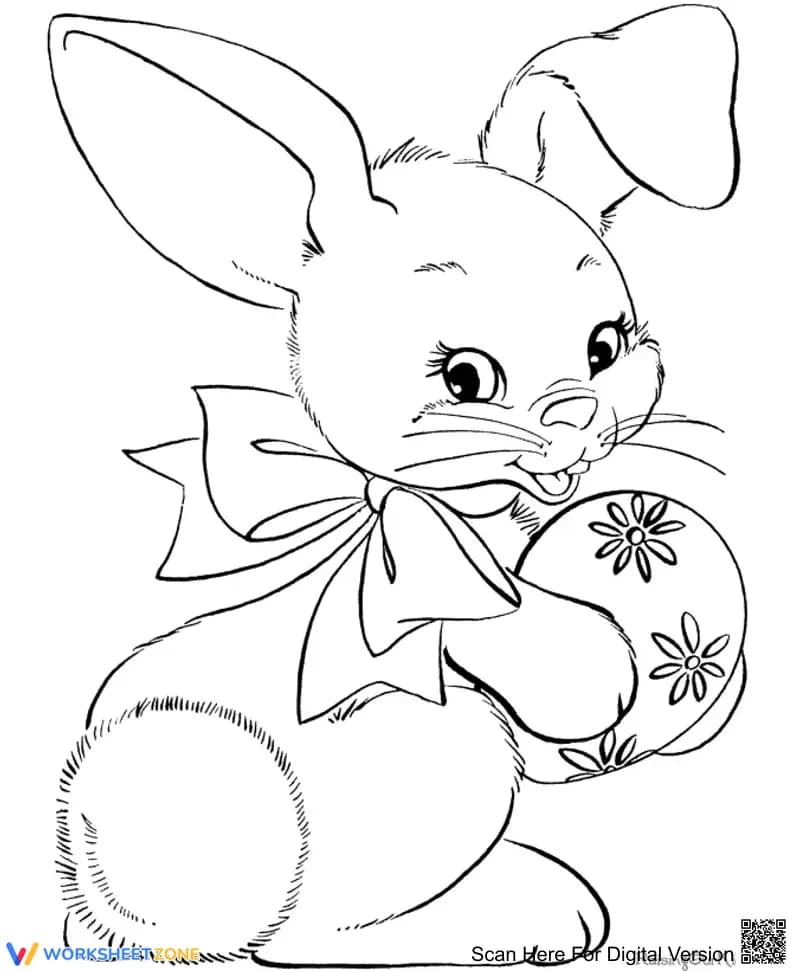

Bunny and Easter Egg Coloring Page | Essential Printable
Paste this activity's link or code into your existing LMS (Google Classroom, Canvas, Teams, Schoology, Moodle, etc.).
Students can open and work on the activity right away, with no student login required.
You'll still be able to track student progress and results from your teacher account.
This printable bunny and Easter egg coloring worksheet provides students with a creative outlet to develop essential fine motor skills. By engaging with this high-interest holiday theme, learners practice hand-eye coordination and grip strength necessary for early writing tasks. It serves as a perfect seasonal activity for early finishers or holiday-themed lessons.
At a Glance
At a Glance
- Grade: K-5 · Subject: Arts & Crafts
- Standard:
CCSS.ELA-LITERACY.L.K.1— Develop fine motor control necessary for writing conventions- Skill Focus: Fine motor development
- Format: 1 page · 1 task · Answer key not applicable · PDF
- Best For: Early finishers and seasonal brain breaks
- Time: 15–20 minutes
What's Inside
This resource consists of a single, high-quality PDF page featuring a large, clear illustration of a bunny holding a decorated Easter egg. The bold outlines are designed to help younger students stay within the lines, while the detailed patterns on the egg provide a challenge for older elementary students. No additional materials are required beyond standard coloring supplies like crayons or markers.
Zero-Prep Workflow
This worksheet is designed for immediate classroom implementation. First, print the single-page PDF (30 seconds). Second, distribute the sheets to students along with crayons, markers, or colored pencils (1 minute). Third, allow students to work independently while you provide individual feedback on grip or color choice. Total teacher preparation time is under 2 minutes, making it an ideal sub plan addition.
Standards Alignment
The primary alignment is `CCSS.ELA-LITERACY.L.K.1`, which focuses on the physical conventions of writing. While primarily an art activity, the development of the small muscles in the hand is a direct prerequisite for letter formation and legible handwriting. This standard code can be copied directly into lesson plans, IEP goals, or district curriculum mapping tools to justify the instructional value of creative tasks.
How to Use It
Use this worksheet during the final 20 minutes of a Friday afternoon or as a quiet activity during transition periods. It also functions as an excellent formative assessment tool; observe how students hold their coloring tools to identify those who may need additional occupational therapy support or pencil grips. The expected completion time ranges from 15 to 20 minutes depending on the student's detail level.
Who It's For
This activity is ideal for Kindergarten through 5th-grade students, particularly those who benefit from tactile, creative tasks. It is a natural pairing for a seasonal reading passage about spring or an anchor chart detailing the steps of a holiday-themed narrative writing assignment. It provides a low-stress environment for students to practice focus and persistence.
According to the RAND AIRS 2024 report, integrating creative arts into the elementary curriculum significantly improves student engagement and supports the development of executive function. This bunny and Easter egg coloring worksheet aligns with CCSS.ELA-LITERACY.L.K.1 by fostering the fine motor control necessary for standard writing conventions. Research from Fisher & Frey (2014) emphasizes that purposeful brain breaks and creative tasks can reduce cognitive load, allowing for better retention of core academic content during subsequent direct instruction. By providing 1 page of focused coloring practice, teachers can support the physical development of the hand while offering a low-stakes environment for artistic expression. This resource is particularly effective for early elementary learners who are still mastering the pincer grasp. The simplicity of the 15-minute task ensures it fits into any busy classroom schedule without requiring extensive teacher preparation or complex materials, supporting a balanced instructional day.


