Worksheets
Lesson Plans
Coloring Pages
Home
Activity:
Topic:
CCSS:
What's the Genre: Biography. Identify the genre..: Fantasy. What genre do I represent: Folktales. Nonfiction texts can also be known as ___________: Informational Texts. Do you know what genre I am: Mystery. What genre am I: Poetry. Can you identify this one: Science Fiction. What are we: Historical Fiction. Match these books with the correct genre!: Realistic Fiction. In what genre will you find ________________: Nonfiction. I am ...: Folktales. What genre are you reading: Historical Fiction. Can you guess my genre: Poetry. What is the definition of genre: Type of writing
This quiz equips you with the tools to examine and interpret various aspects of a text, including themes, structure, language, and tone.
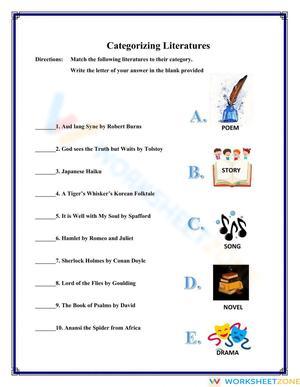
Literature online exercise for K5. You can do the exercises online or download the worksheet as pdf.
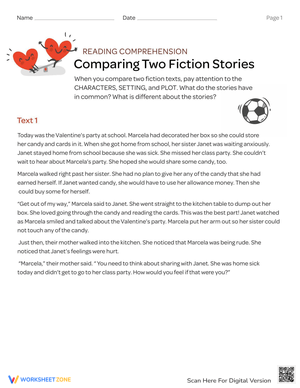
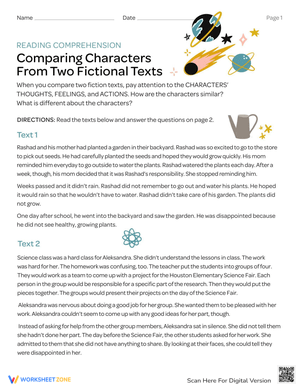
Improve literary analysis skills by comparing two fiction texts! Identify similarities & differences in plot, character & theme. Start analyzing today!
Literature online worksheet for Grade 9. You can do the exercises online or download the worksheet as pdf.
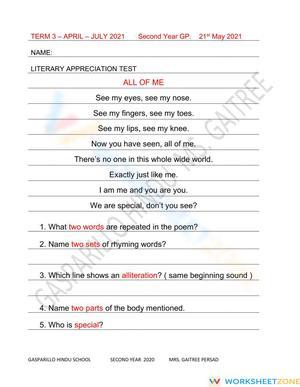
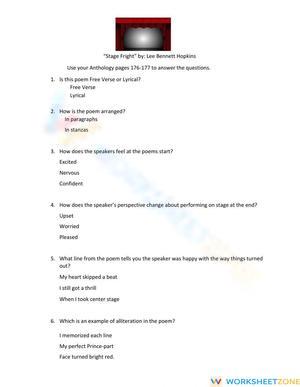
Poetry online activity for 2ND YEAR. You can do the exercises online or download the worksheet as pdf.
Delve into different types of Literary Genres! Test your knowledge of types, including historical fiction, science fiction, and more!
Reading comprehension interactive worksheet for 5. You can do the exercises online or download the worksheet as pdf.
Compare characters from different fiction texts with this worksheet! Analyze traits and motivations. Download to enhance your understanding of literature!
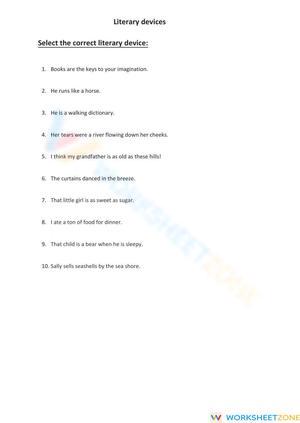
Figurative language online exercise for 6. You can do the exercises online or download the worksheet as pdf.
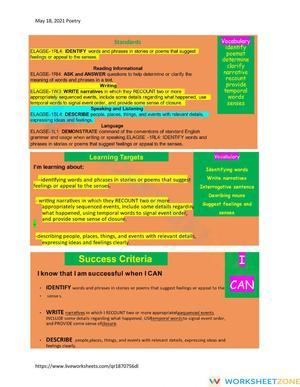
Poetry online worksheet for 1. You can do the exercises online or download the worksheet as pdf.
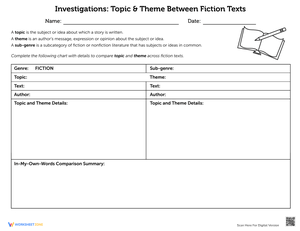
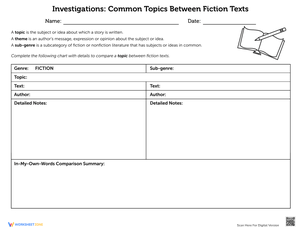
Enhance literary analysis skills by exploring the topic and theme between Fiction Texts. Perfect for students in literature or writing class. #FictionTexts
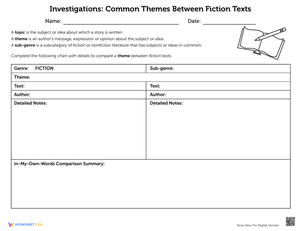
Identify common themes between fiction texts. Analyze recurring motifs in literature. Download now! #FictionThemes #LiteraryAnalysis
Make textual discoveries with this analysis worksheet. Uncover deeper meanings, insights, and improve your comprehension skills. Start now!
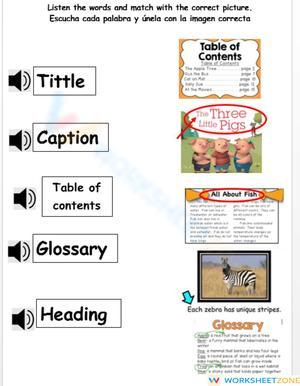
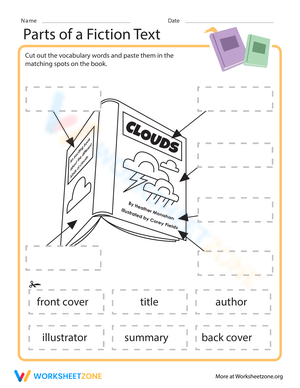
Kindergarteners are delving into the world of books! Utilize this convenient worksheet to assist students in practicing the identification of various parts of a fiction text.
A Comparison Using like or as : Similie. Compares to things not using like or as : Metaphor. An exaggerated way of saying something: hyperbole. The life lesson of a story: Theme. When you have to infer to find out what a Character is like: Indirect Characterization. When the reader knows something the Character in the story dose not: Dramatic Irony. When a Character says something but means the opposite: Verbal Irony. When an inanimate object is given human characteristics : Personification. When two contradicting words are combined: oxymoron. When something happens that is the opposite of what we expect: Situational Irony. When the story goes back to previous events: Flashback. When something hints to a later event in the story: Foreshadowing. When I or me is used in the story: 1st person point of view. When the character is speaking to you in the piece of literature: 2nd person point of view. When an outside narrator is telling the story: 3rd Person Point of view. When the story tells us the way a character is: Direct Characterization. When a character has a conflict with someone else: man vs man . When a character has a conflict with them selves: man vs self. When a character has a conflict with something in the world ex; sickness: man vs nature. The occurrence of the same sound in a piece of literature: alliteration
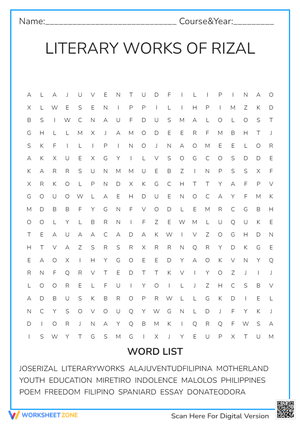
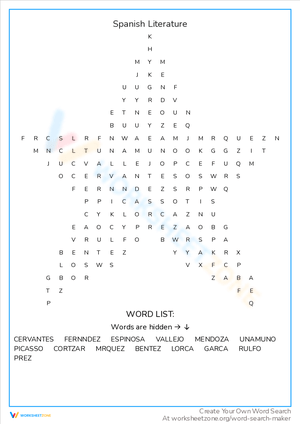
Discover Spanish Literature with our word search! Find key terms and authors, and boost your language skills. Start your Spanish Literature search!
Which type of irony means you say one thing, but mean the exact opposite statament: Verbal Irony. Which literary device helps keep the reader on the edge of their seat and guessing what will happen next: Suspense. The structure of a story contributes to the overall meaning of the story: True. What is theme of a story: The universal lesson or message of a story.. Which of these options could be considered as a theme for a story: Forgiveness. Imagery helps add suspense to a story: False. Which literary device is being used: She turned slowly, seeing that she had an extra shadow..: Suspense. The purpose of themes is for readers to learn from and relate to the story: True. Can irony be considered a universal theme: False
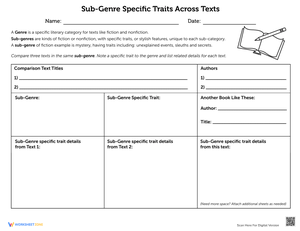
Compare texts within the same sub-genre with this worksheet! Analyze similarities and differences to enhance your reading skills. Download now!
Explore common themes in Fiction Texts and enhance your understanding of literature. Perfect for students! Start learning about storytelling today! #FictionTexts
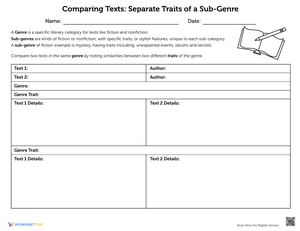
Enhance your text analysis skills by comparing texts! Identify separate traits in sub-genres using this worksheet. Perfect for students learning about text analysis.