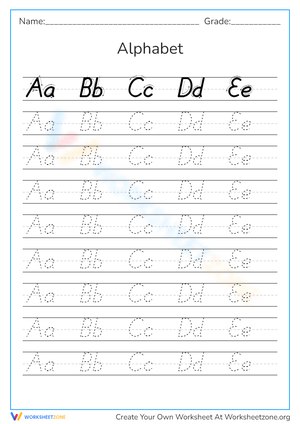
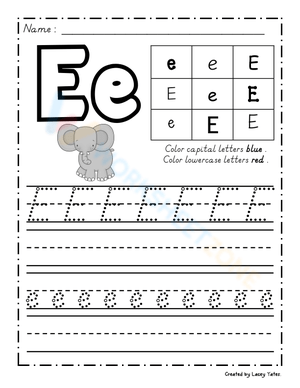
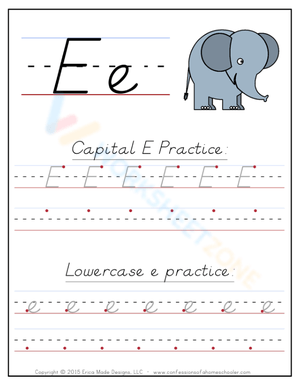
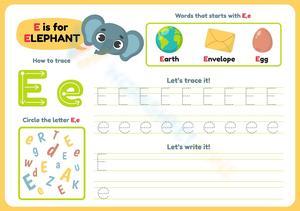
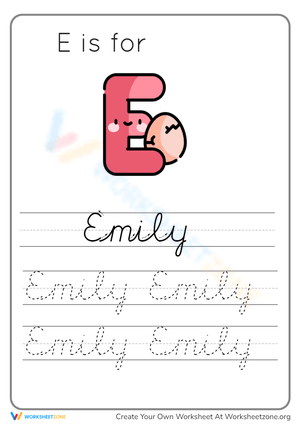
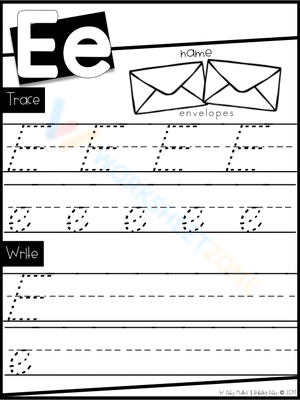
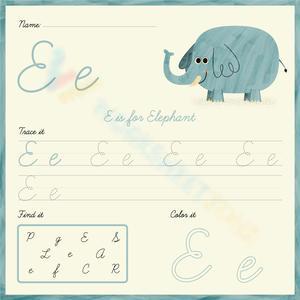
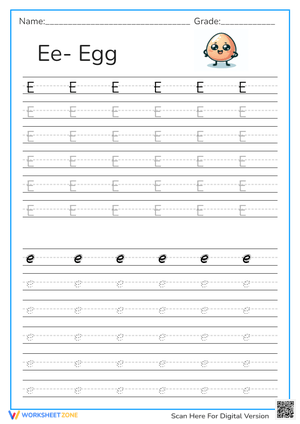
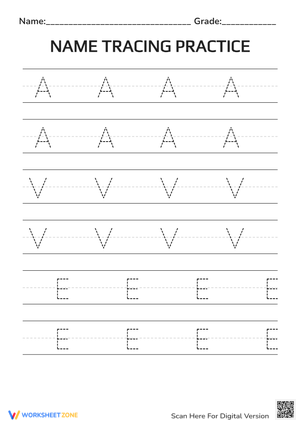
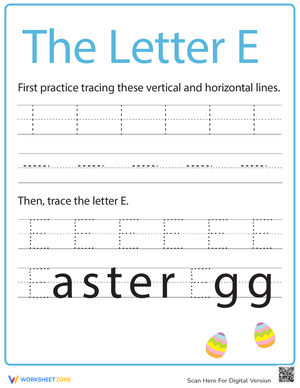
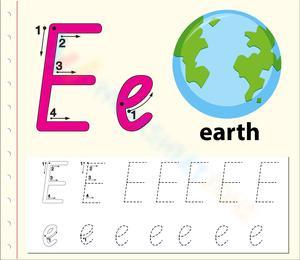
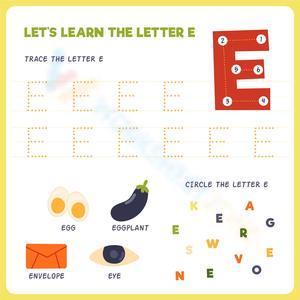
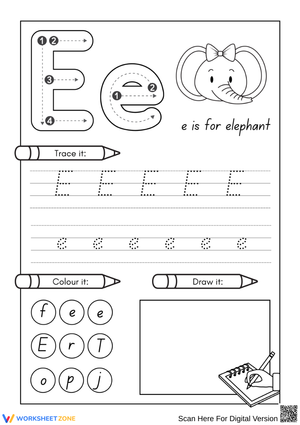
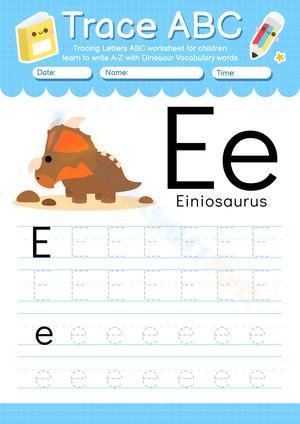
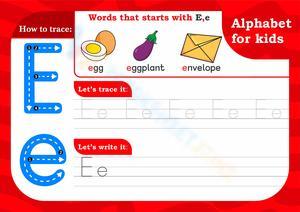
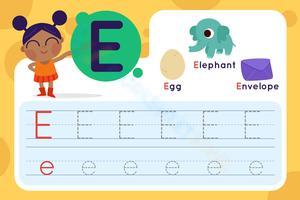
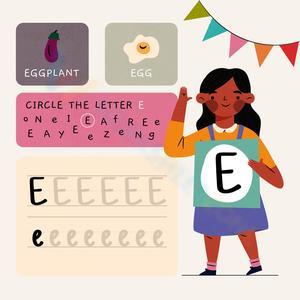
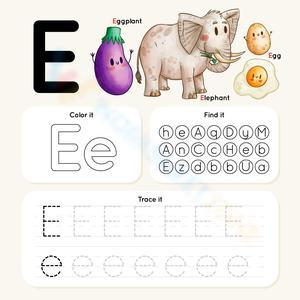
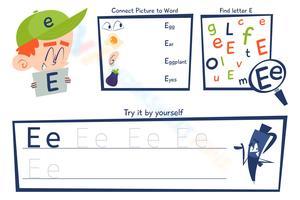
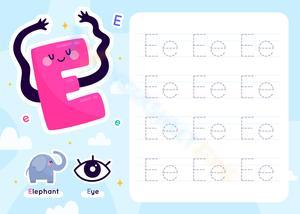
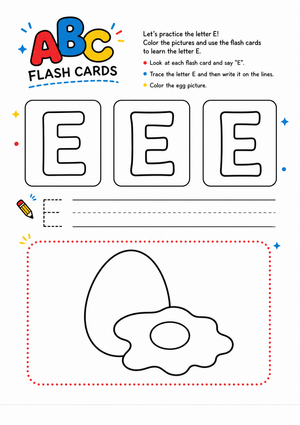
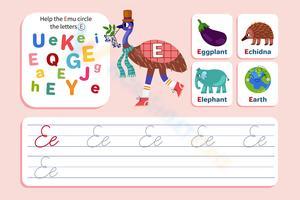
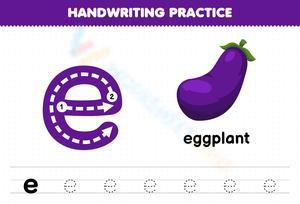
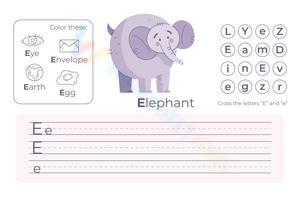
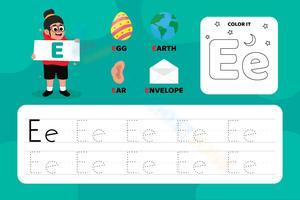
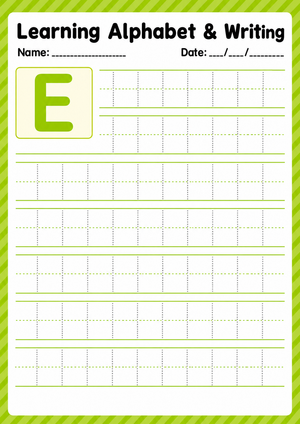
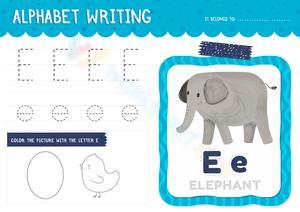
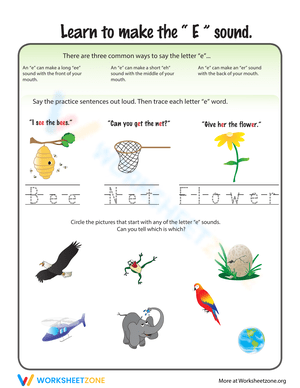
I remember standing in front of a class that just was not interested in the day's topic, no matter how much energy I put into the lecture on penmanship. We have all been there as teachers, trying to find that one hook that will get everyone to sit up and pay attention to their loops. Everything changed the moment I handed out a set of letter E tracing worksheets that allowed them to take the lead on their own learning. Suddenly, the room went from restless to focused as every student began their own personal journey toward creative discovery.
There is something special about the quiet buzz that happens in a room when every child is engaged in a task they find rewarding. As I walked around the desks, I saw students who usually struggled to stay seated suddenly locked in on the details of their circular forms. They were not just doing a worksheet, they were exploring a new concept at their own pace and finding success along the way. That simple shift from being a listener to being a doer made all the difference in how they remembered the information later that week.
I find that these resources work best when you let the kids' natural curiosity lead the way during art time. Instead of giving all the instructions upfront, you can use a creative task to let them figure out the patterns for themselves. This sense of discovery is what makes a lesson stick in a child's mind long after the school day is over. It turns a standard academic task into a small adventure where they are the heroes who find the script solution. Every page is a new opportunity for a student to show off their unique logic and imagination today.
Parents often share similar stories of how a quick practice or tracing page saved a long car ride or a rainy afternoon. Having a reliable source of high-quality printables means you always have a way to turn bored time into brain time without any extra stress. It is a portable way to keep the learning alive outside of the classroom. These moments of independent study are where a child's confidence really starts to blossom as they realize how much they can do on their own. Explore our alphabetical flow strategies and curved character patterns for more inspiration.
Frequently Asked Questions
How do letter E tracing worksheets support fine motor development?
By tracing the continuous loops of the character, students strengthen the small muscles in their hands needed for fluent writing and drawing. This physical engagement helps them internalize the precise movements required for accurate penmanship in a low-stress format, making the skill more natural than a standard drill. It is a fantastic way to bridge the gap between simple movement and deeper coordination as students develop their skills throughout the year.
Are these printables suitable for calming afternoon transitions?
Yes, our letter E tracing worksheets provide a predictable and calm activity that helps students settle in and prepare their minds for the next task. They offer a much-needed mental break while still reinforcing focus and attention to detail. By having these resources ready in your morning folder, you can maintain a productive environment and prevent minor disruptions before they escalate during busy school days.
How can I use these resources to reward student academic progress?
These high-energy designs are the perfect prize for students who complete their main academic tasks early or follow classroom expectations. Providing a choice of majestic script figures keeps student motivation high and rewards their efficiency with a high-quality creative outlet. This positive reinforcement fosters a joyful classroom culture where every learner is eager to achieve their academic milestones with accuracy and pride.
What materials are recommended for creating truly vibrant script art?
We recommend using a variety of tools like watercolor pencils, bright markers, or even neon highlighters to capture the vibrant textures of geometry. The clean lines and ample spacing of our letter e tracing worksheets allow students to experiment with different shading techniques and organizational methods. Encouraging students to use a variety of tools helps them take creative risks and express their unique artistic style.