Why Ice-breaker Printable Resources Belong in Your First Week
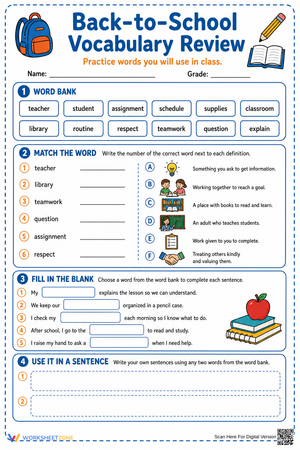
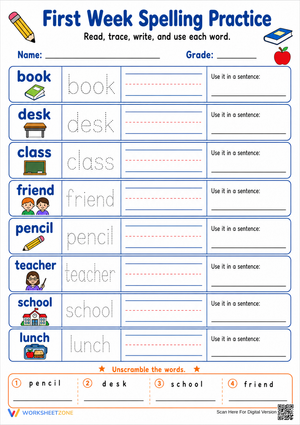
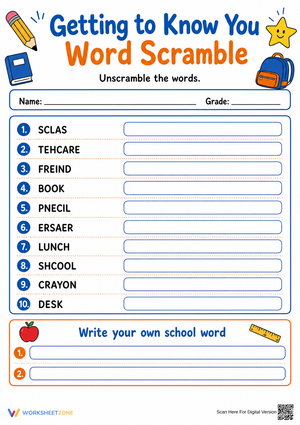
The first day back sets the tone for everything that follows. Students walk in nervous, some haven't spoken to a classmate in two months, and a few don't know a single name in the room. Ready-to-print ice-breaker resources for the back to school occasion give you something concrete to hand out the moment students sit down. That steadies the room and buys you time to take attendance, sort supplies, and catch your breath before the real teaching starts.
These printables pull double duty. They help kids introduce themselves and find common ground, and they quietly establish the routines you'll lean on all year. A student who learns on day one that there's always a sheet waiting at their desk starts building the habit of getting to work right away. That payoff lasts far longer than the novelty of any single first-day game.
Grade-Band Breakdown: K-2, 3-5, and 6-8
No single ice-breaker format fits every age. Matching the printable to the grade band keeps the activity low-stakes and doable inside the first 15 minutes of class.
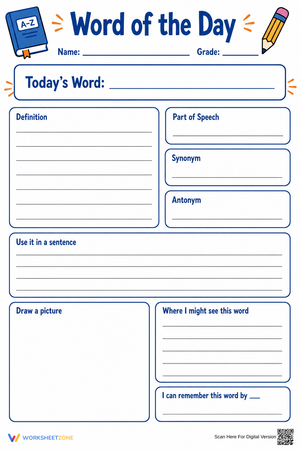
K-2: Draw-and-label formats win here. Think 'All About Me' pages where students draw their family, color a favorite food, or trace their name. Picture-based scavenger hunts like 'find someone who has a pet' work even before reading is fluent.
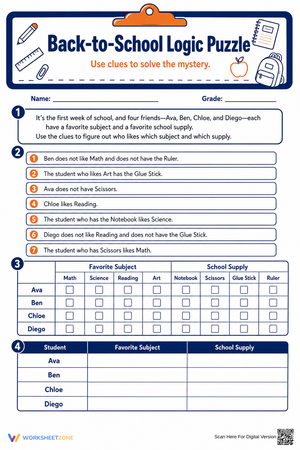
Grades 3-5: Sentence frames and short writing carry the load. Partner interview cards, goal-setting pages, and 'Get to Know You' BINGO grids give students just enough structure to write a few lines without freezing up.
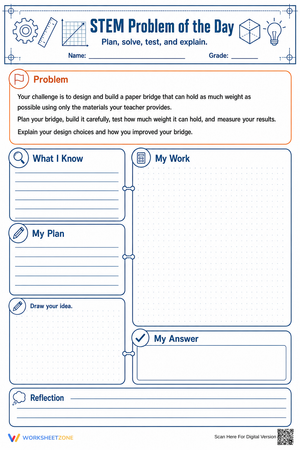
Grades 6-8: Older students respond to survey and reflection sheets. Quick-write prompts about summer, 'two truths and a lie' slips, and short self-assessment surveys respect their growing independence while still breaking the ice.
What the Research Says About Ice-breakers
An Exploration of Icebreakers and Their Impact on Student Engagement in the Classroom, a 2023 ResearchGate study, found that ice-breaker activities positively affect student engagement and help create a more inclusive classroom environment when they stay proportional and relevant to the lesson rather than swallowing the whole period.
The detail most teachers skip past: that same study ties the benefit to proportion. A 20-minute getting-to-know-you game inside a 45-minute period starts reading as filler, and the engagement gain flattens. Keep each ice-breaker printable to roughly 10-15 minutes so community building supports your content instead of crowding it out. Resources from Edutopia on community-building ice-breakers echo this, framing short, repeatable warm-ups as the ones that actually stick.
Sequencing Ice-breakers Across the First Week
One ice-breaker on day one isn't enough, and ten in a row crowds out content. A workable rhythm is one short printable each morning for the first three to five days, then fading them into your regular warm-up slot. Day one can be a solo 'All About Me' sheet so no one feels put on the spot. Day two moves to a partner interview. By day three or four, students are ready for a small-group scavenger hunt or a class BINGO grid that gets them out of their seats.
This slow build matters. Edutopia notes that students who feel welcomed early are more likely to stay engaged across the year, so spreading the activities lets every student find at least one low-pressure way in.
Using Ice-breaker Printables as Morning Work or Bell-Ringers
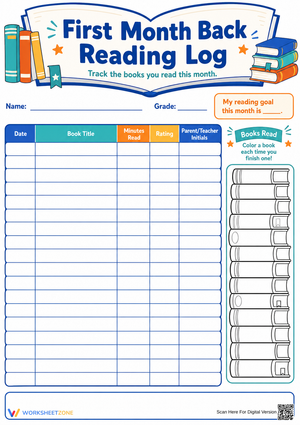
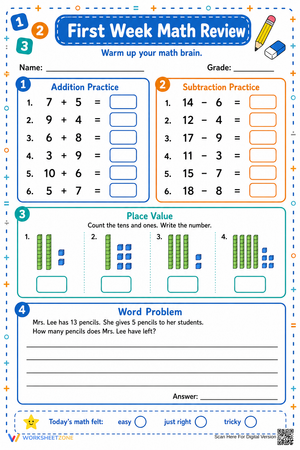
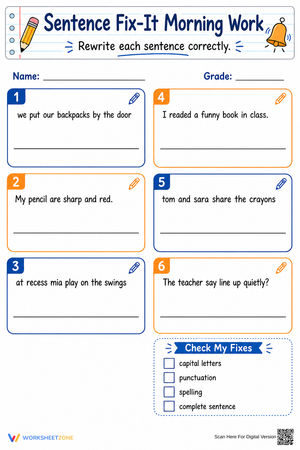
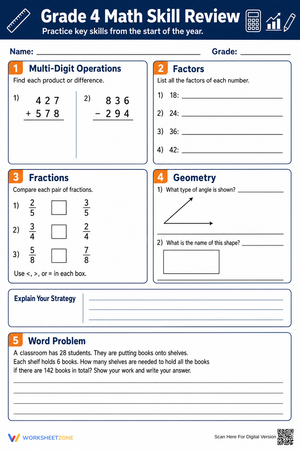
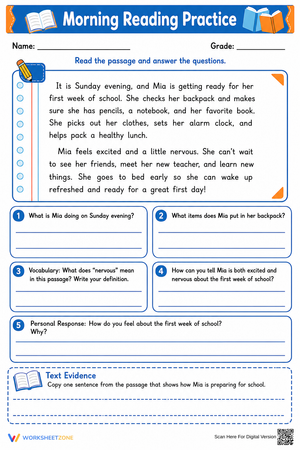
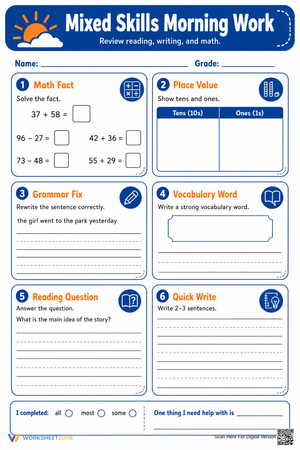
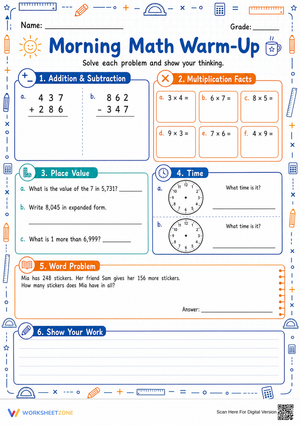
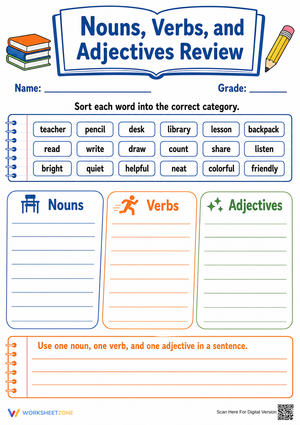
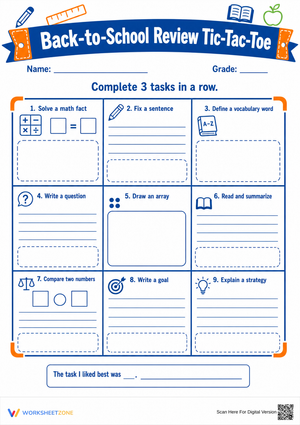
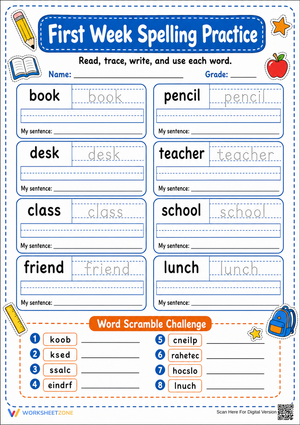
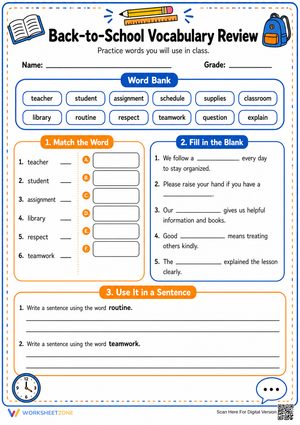
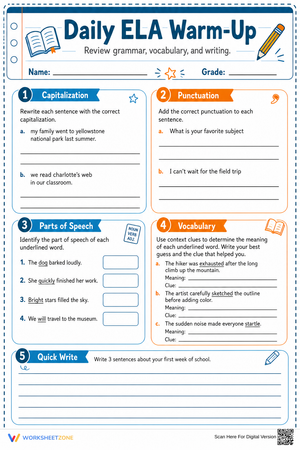
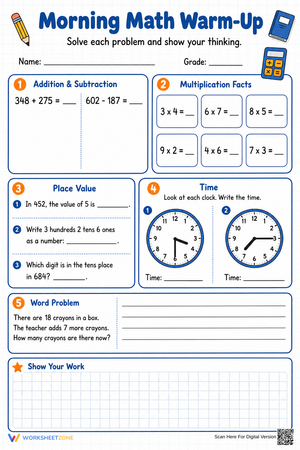
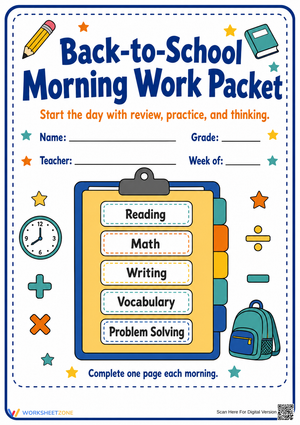
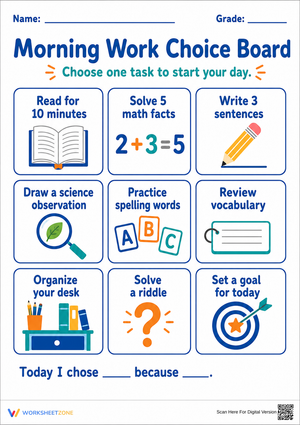
In grades 3-5 especially, the most efficient first-week printables blend a quick academic review task with a get-to-know-you prompt. A sheet might pair three review problems with a 'tell me one goal for this year' box. That combination sets two routines at once: students learn that morning work starts the second they arrive, and they share a little about themselves while they settle.
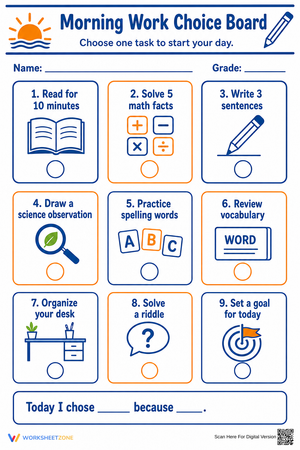
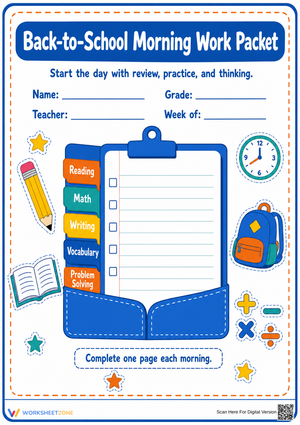
Because these sheets are zero-prep once downloaded, they're ideal for the chaos of the first week. You can drop one on each desk before the bell, and students know exactly what to do without waiting for instructions. That predictability is part of why structured formats lower first-day anxiety for students and teachers alike.
Frequently Asked Questions
1. What types of ice-breaker printables work best for different grade levels?
K-2 students do best with draw-and-label 'All About Me' sheets and picture scavenger hunts. Grades 3-5 thrive with partner interviews, BINGO grids, and goal-setting pages. Grades 6-8 prefer surveys, reflection sheets, and quick-write prompts that respect their independence.
2. How can ice-breaker worksheets double as back-to-school morning work?
Pair a short academic review task with a get-to-know-you prompt on the same sheet. Students start the moment they arrive, which sets your morning-work routine while they share something about themselves. In grades 3-5 this format is especially efficient.
3. How many days should ice-breaker printable activities last during the first week?
Plan one short printable each morning for roughly three to five days, then fold them into your regular warm-up slot. Keep each to 10-15 minutes so community building supports instruction instead of replacing your content time.
4. What should a good back-to-school ice-breaker printable include?
Look for clear single-step prompts, open-ended questions, low-stakes writing, and visual elements for younger students and English language learners. A built-in share step turns the sheet into real conversation rather than silent seatwork.
5. How do printable ice-breakers help students transition back to school routines?
They give students something concrete to do the second they sit down, which lowers first-day anxiety. The predictable format teaches kids to get started independently and builds the daily habits you'll rely on all year.












 Interactive Worksheet Maker
 Quiz Maker
 Word Search Maker
 Crossword Puzzle Maker
 Word Scramble Generator
 Sentence Scramble Generator
 Handwriting Worksheet Generator
 Name Tracing Generator
 Fill In The Blank Generator