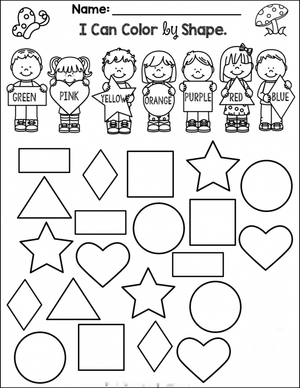
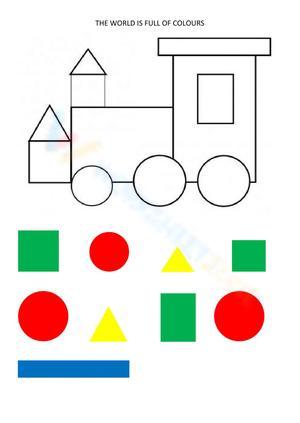
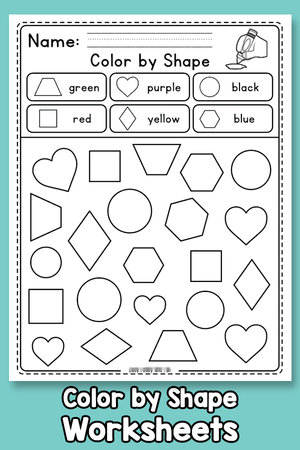
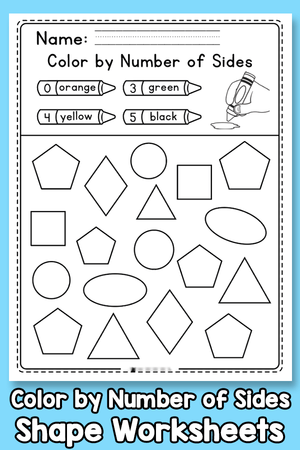
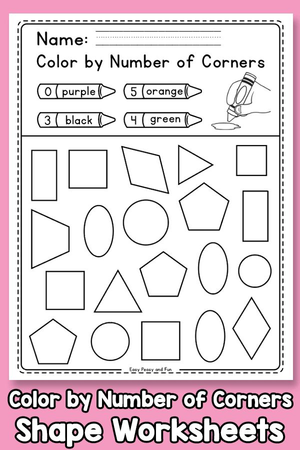
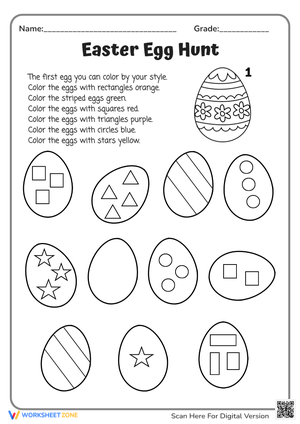
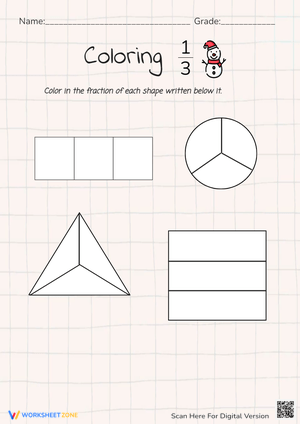
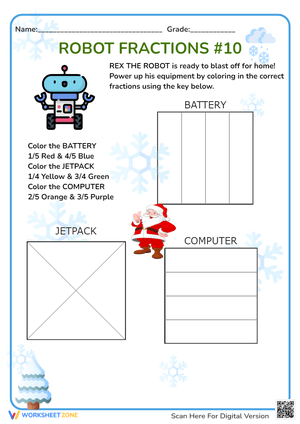
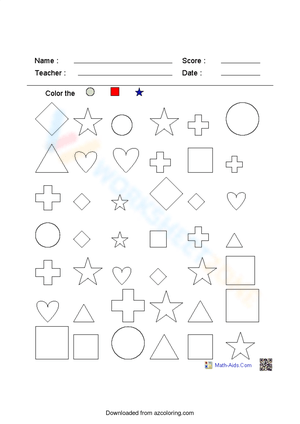
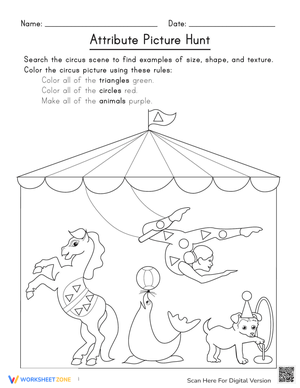
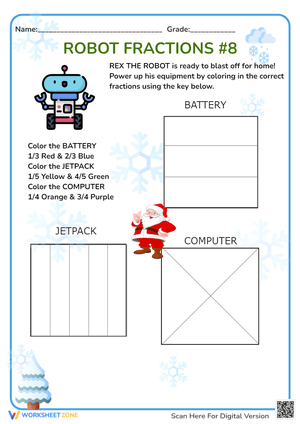
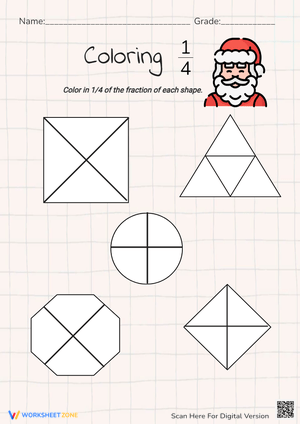
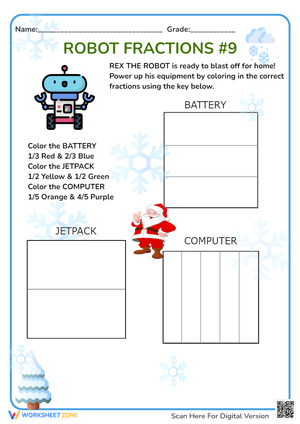
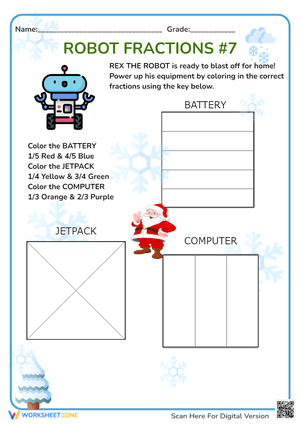
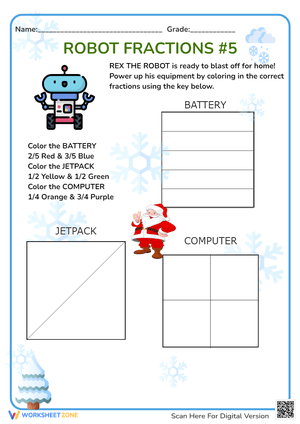
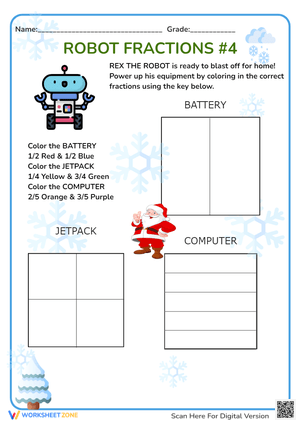
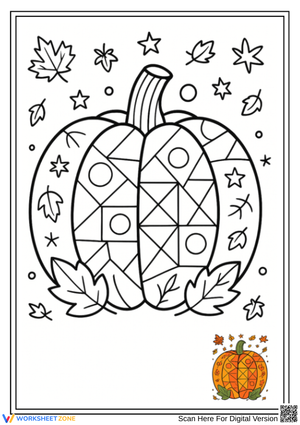
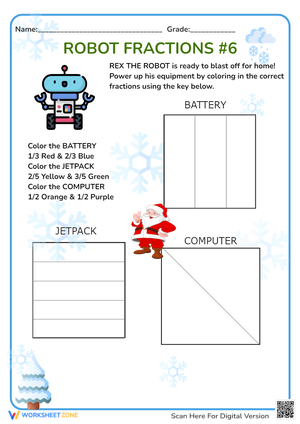
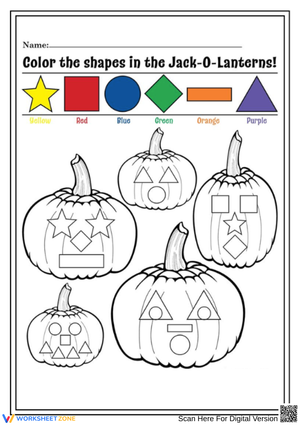
There is a quiet magic that happens the moment a child picks up a crayon and faces a black-and-white outline waiting to be filled. Our color by shapes worksheets invite young learners into that creative space, where every triangle, circle, square, and rectangle becomes a small discovery. Each printable page combines geometric recognition with the joy of choosing colors, helping students slow down, study the figures, and bring a quiet picture to life with their own hands and imagination.
Beyond the artistic appeal, these activities support fine motor development in meaningful ways. As students grip the crayon and stay inside curved or angled boundaries, they strengthen the small muscles in their fingers and refine hand-eye coordination. Parents will notice that the careful tracing required to color a hexagon or a star also encourages patience, focus, and the steady control children need for early writing tasks at home or in the classroom.
Look closely and you will spot intricate patterns hiding inside each design. A garden scene might be built entirely from ovals and diamonds, while a friendly animal could be assembled from layered semicircles and trapezoids. This puzzle-like quality rewards students who pause to study the page before reaching for a color. Teachers can pair these printable sheets with a quick lesson plan on shape names, asking children to label each form they discover before adding any pigment.
Older students benefit too, since shape coloring offers a calm, screen-limited outlet during long study sessions. The repetitive motion of filling each section becomes a small mindfulness practice, easing test anxiety and giving the mind a gentle reset between math problems. Many classroom teachers keep a small stack of these worksheets ready for early finishers, indoor recess, or quiet transitions when the room needs a softer pace and steady focus.
Pick up your favorite markers, gather a fresh box of colored pencils, and let the page guide the rest. Whether you are working with a curious preschooler at the kitchen table or a full classroom of busy students, these color by shapes worksheets bring geometry into a warm, hands-on moment of creative learning. You may also enjoy our overview of two-dimensional figure basics or browse the wider composing shapes collection for additional practice.
Frequently Asked Questions
Question 1: What ages are color by shapes worksheets best suited for?
These printable activities work beautifully for children between three and seven years old, though older students preparing for early geometry units can still benefit. Preschoolers focus on naming basic forms like circles and squares, while kindergarten and first-grade students begin distinguishing between rectangles, rhombuses, and pentagons. Teachers often adjust the difficulty by selecting pages with simpler outlines for younger learners or denser, pattern-rich designs for students ready for a more detailed visual challenge.
Question 2: How do these worksheets support shape recognition skills?
Each design groups identical figures together and assigns them a single color, so students must identify every triangle or hexagon on the page before they begin filling sections. This repeated visual matching strengthens the brain's ability to categorize shapes by their sides, angles, and symmetry. Over time, learners build confidence naming geometric forms in everyday surroundings, from windows to traffic signs, which lays a strong foundation for later math, art, and spatial reasoning lessons.
Question 3: Can parents use these printables at home without a lesson plan?
Absolutely, the activity is designed to feel intuitive for families. A parent can simply print a page, set out a small selection of crayons, and invite the child to match colors to the legend at the side. Casual conversations about which shape appears most often, or which one is hardest to find, naturally turn the coloring session into a gentle math discussion that fits comfortably into an afternoon at the kitchen table.
Question 4: How can teachers incorporate these pages into classroom routines?
Classroom educators often slot these worksheets into morning warm-ups, math centers, or quiet transitional moments between subjects. A teacher might project one page on the board, work through the legend together, and then hand out individual copies for independent coloring. Pairing the printable with a partner discussion about shape attributes, or adding a short writing prompt about which figure each student liked best, turns a simple coloring task into a richer geometry lesson.













 Interactive Worksheet Maker
 Quiz Maker
 Word Search Maker
 Crossword Puzzle Maker
 Word Scramble Generator
 Sentence Scramble Generator
 Handwriting Worksheet Generator
 Name Tracing Generator
 Fill In The Blank Generator