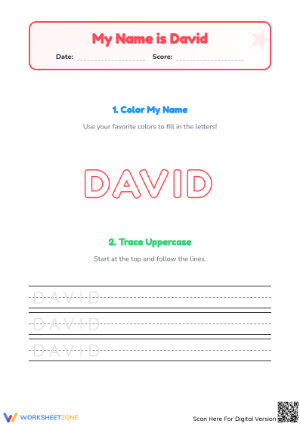
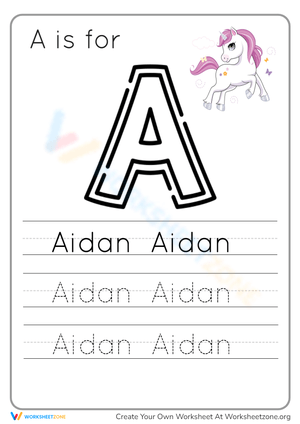
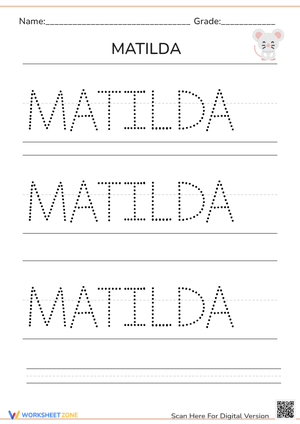
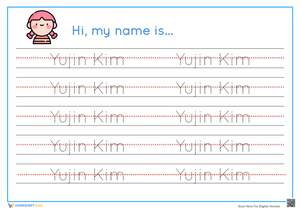
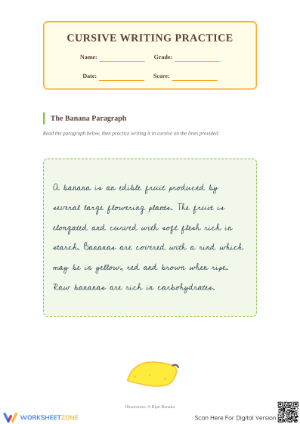
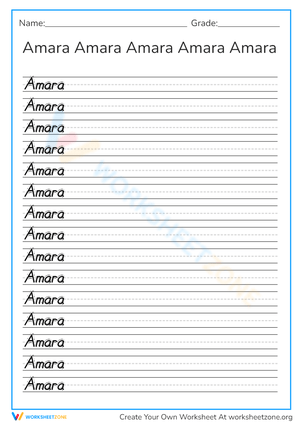
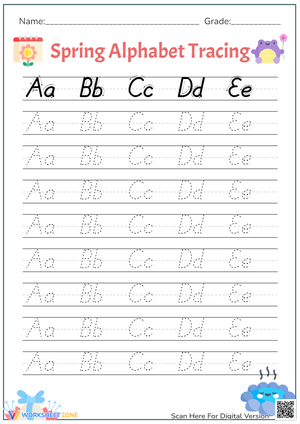
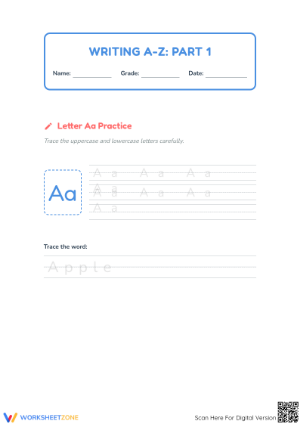
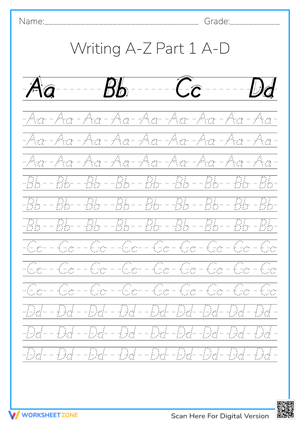
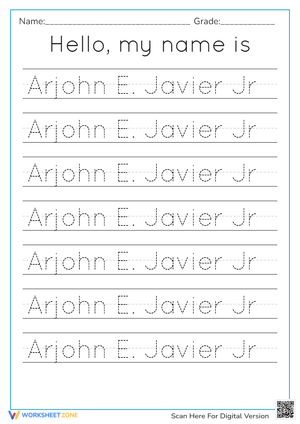
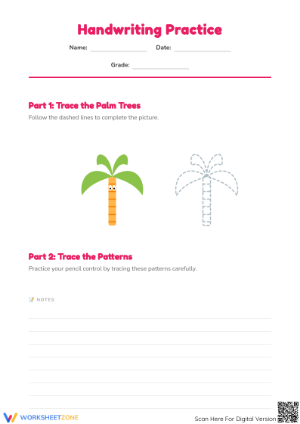
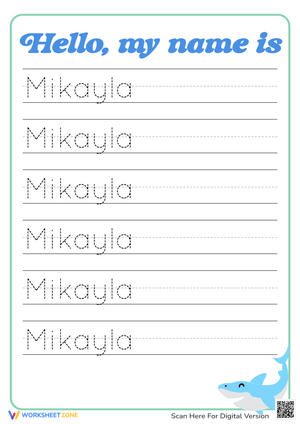
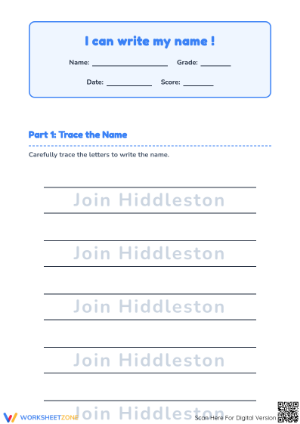
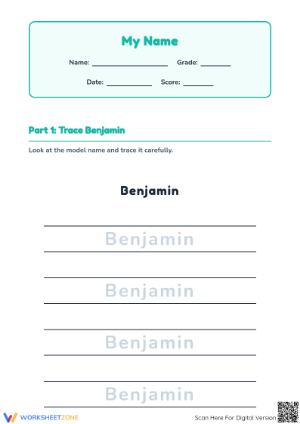
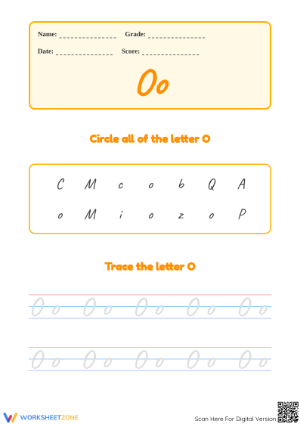
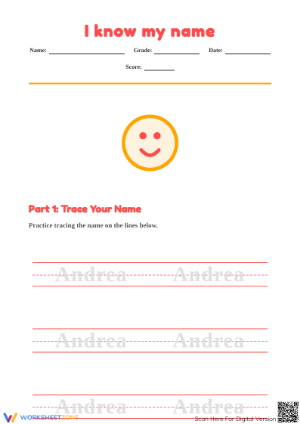
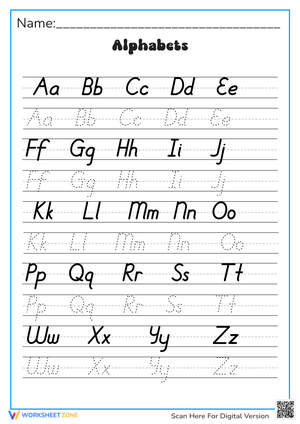
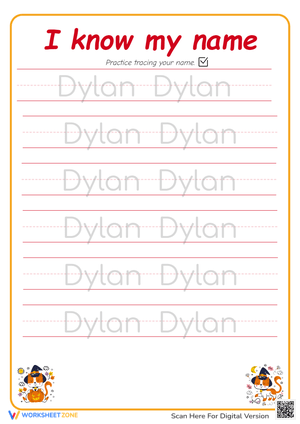
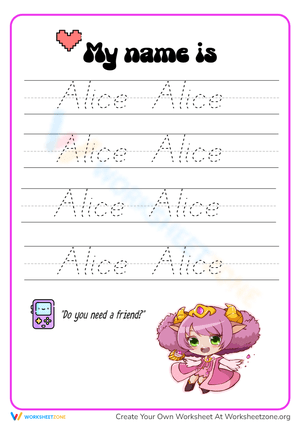
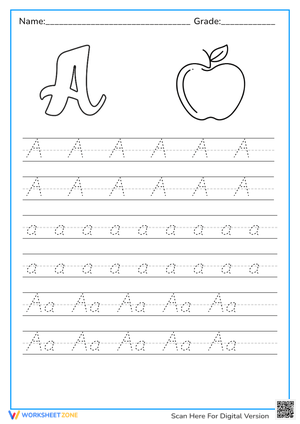
Introducing cursive worksheets for kindergarten gives young learners a head start on the flowing, connected writing style that many schools incorporate into their language arts curriculum. While formal cursive instruction traditionally begins in second or third grade, early exposure in kindergarten builds the fine motor control, pencil awareness, and stroke fluency that make the transition to full cursive writing significantly smoother and more confident for every child.
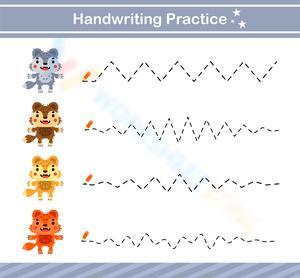
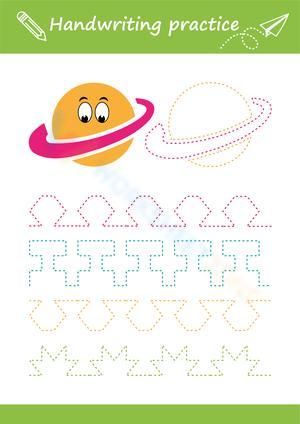
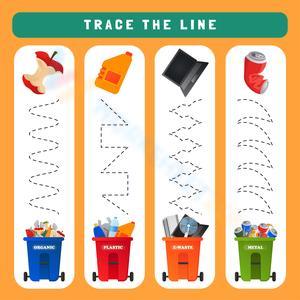
Teachers facing the challenge of keeping advanced kindergartners engaged while their peers work on print letter formation often find that introducing basic cursive stroke patterns provides exactly the right level of challenge and novelty. These stroke exercises, which focus on loops, curves, and connected lines rather than isolated letters, develop the same fine motor pathways that support both cursive and print handwriting while giving motivated learners a sense of progress and accomplishment beyond the standard kindergarten curriculum.
The cursive handwriting guide at Worksheetzone provides teachers and parents with a clear overview of the instructional sequence that makes cursive instruction most effective, from basic strokes to individual letter formation to connected word writing. Pairing that guidance with these cursive worksheets for kindergarten creates a structured, age-appropriate introduction that sets students up for success when formal cursive instruction begins in their later elementary years.
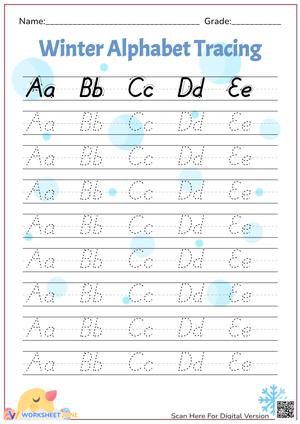
Parents who choose to introduce cursive at home during kindergarten will find that short, consistent practice sessions with these worksheets, typically five to ten minutes per day, produce meaningful improvement in fine motor coordination and pencil control within just a few weeks. The gentle introduction of cursive stroke patterns through play-like tracing activities keeps the experience positive and the lowercase cursive letter worksheets at Worksheetzone provide the next natural step when children are ready to move from stroke patterns to full letter formation practice.
Frequently Asked Questions
Question 1: Is it appropriate to introduce cursive worksheets for kindergarten students?
Yes, introducing cursive worksheets for kindergarten students is developmentally appropriate when the focus is on basic stroke patterns rather than full letter formation. Kindergartners can practice loops, swirls, and connected curves that build the fine motor control needed for cursive writing without the cognitive demand of memorizing full letter shapes. This early exposure creates a positive association with cursive writing and develops the foundational skills that make formal cursive instruction easier and more successful in second or third grade.
Question 2: How are cursive worksheets for kindergarten different from standard cursive instruction?
Cursive worksheets for kindergarten focus on pre-cursive stroke patterns, basic letter connections, and foundational fine motor exercises rather than the complete cursive alphabet that older students learn. The worksheets use wider lines, larger letter guides, and more white space to accommodate the developing hand control of five and six year olds. This age-appropriate scaffolding ensures that kindergartners experience success and build confidence without being overwhelmed by the complexity of full cursive letter formation sequences.
Question 3: How should teachers introduce cursive worksheets for kindergarten in the classroom?
Teachers should introduce cursive worksheets for kindergarten gradually, beginning with simple stroke patterns like undercurves, overcurves, and loops before moving to any recognizable letters. Modeling the stroke direction on a whiteboard before students attempt the worksheet helps prevent incorrect habits from forming. Short daily sessions of five to eight minutes are more effective than longer weekly sessions because the fine motor memory needed for cursive develops through repetition and consistent practice over time.
Question 4: What benefits do cursive worksheets for kindergarten provide for early learners?
Cursive worksheets for kindergarten provide several developmental benefits including improved fine motor control, stronger pencil grip habits, enhanced hand-eye coordination, and early familiarity with the flowing stroke sequences that characterize cursive writing. Research also suggests that early exposure to connected writing supports visual pattern recognition skills that benefit reading development. By building these foundational skills in kindergarten, students are better prepared for the formal cursive worksheets for kindergarten and beyond that they will encounter in later grades.