Why kindergarten reading blanks work for early literacy
Reading fill in the blank worksheets printable for kindergarten give teachers a narrow, useful format for checking whether students can read a word, hold a sentence in mind, and choose language that makes sense. That matters in kindergarten because early readers are still linking letter-sound knowledge, high-frequency words, and oral language. A blank inside a short sentence turns all three into one quick task.
On the Worksheetzone kindergarten reading fill in the blanks page, the format fits the kinds of practice teachers usually need during the first years of literacy instruction: short text, clear response spaces, and tasks that can be used in whole group follow-up, literacy centers, or independent review. Instead of asking students to manage a long worksheet, these pages keep attention on one reading decision at a time, which is often what teachers need for formative checks.
What to look for in a strong kindergarten printable
Not every cloze page is a good kindergarten fit. The most effective printables keep the reading load small enough that students can focus on the target skill rather than getting lost in directions. For this grade, teachers usually need large print, predictable sentence patterns, familiar vocabulary, and visual support when possible.
- Short sentences: One idea per sentence helps students track meaning without overload.
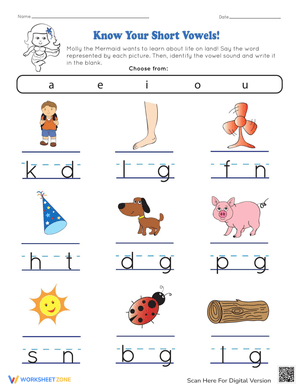
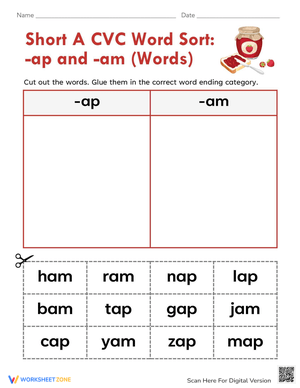
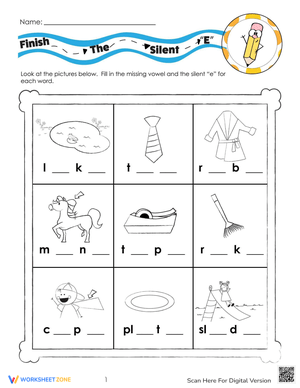
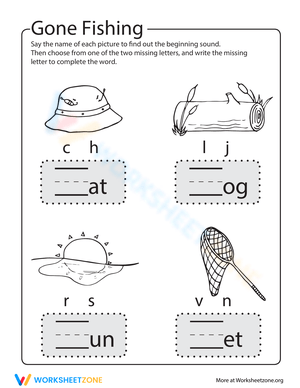
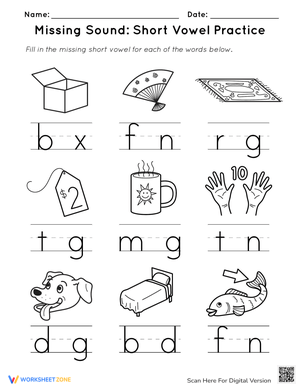
- Decodable or familiar words: CVC words, common nouns, and early sight words keep the task aligned to beginning reading.
- Clear answer spaces: Young learners benefit when blanks are obvious and not crowded by extra text.
- Optional word banks: These support students who are still building confidence with retrieval.
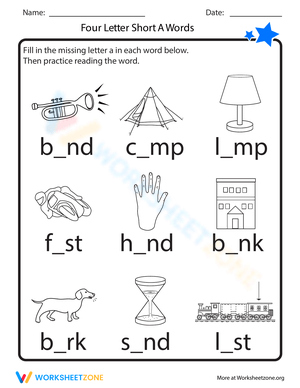
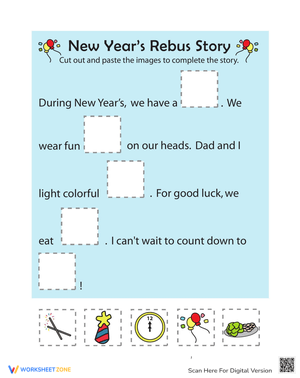
- Picture support: Images or obvious context cues help confirm meaning after decoding.
That combination makes the worksheet easier to use across the school day. A page with one clean routine can move from teacher table to center bin to take-home folder without needing a new explanation each time.
Which reading skills these worksheets actually practice
Kindergarten teachers often use fill-in-the-blank reading pages because they cover more than one micro-skill at once. Students read the sentence frame, notice the missing word, test a possible answer, and decide whether it sounds right. Even a simple item asks them to combine decoding with basic comprehension.
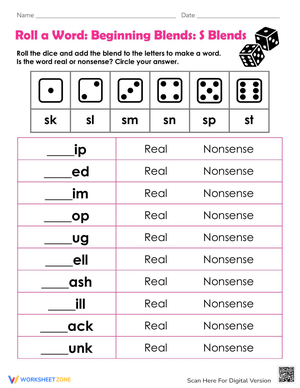
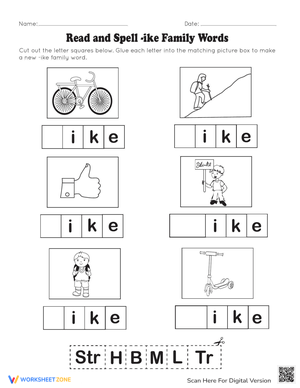
In practice, these worksheets often target three high-value areas named in the prefetched research: sight words, CVC words, and simple sentence completion. That makes them useful when a class is moving from isolated phonics practice into connected reading tasks.
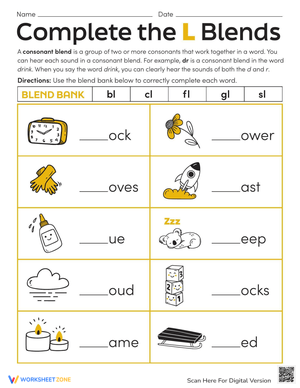
- Sight word review: Students read and supply common high-frequency words inside short sentences.
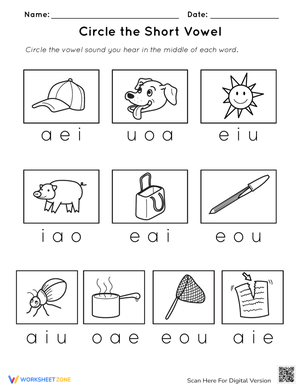
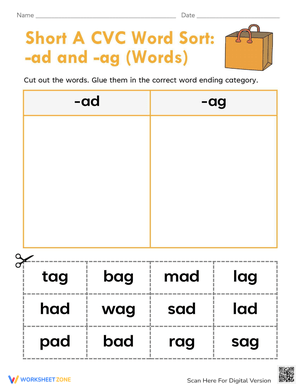
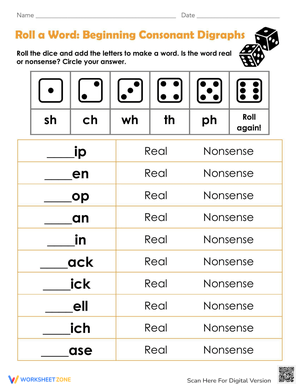
- Phonics transfer: CVC blanks let teachers see whether sound-by-sound decoding carries into meaningful text.
- Sentence understanding: Children must choose the word that completes the idea, not just any word they can sound out.
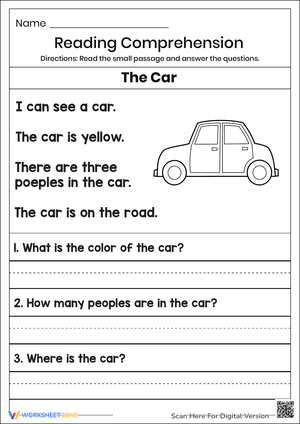
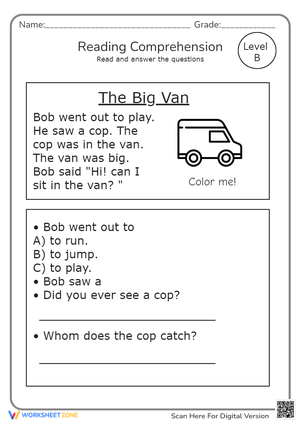
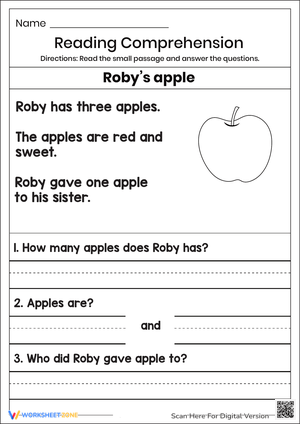
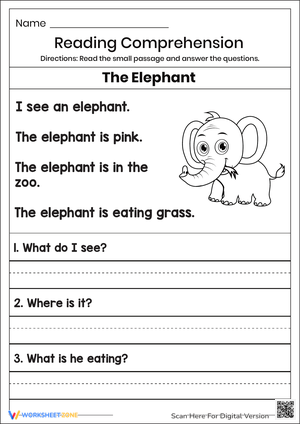
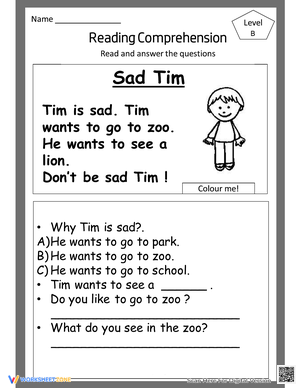
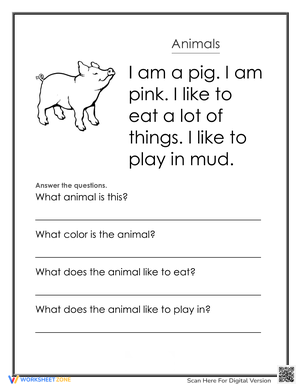
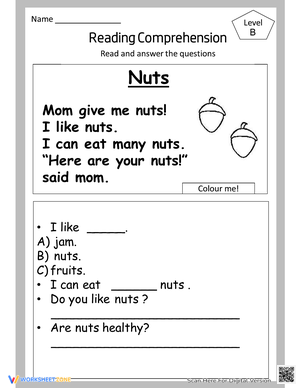
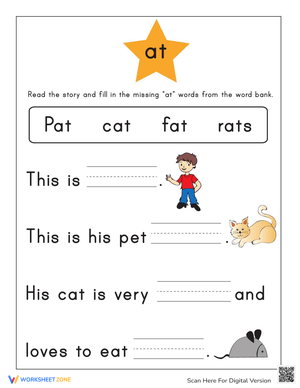
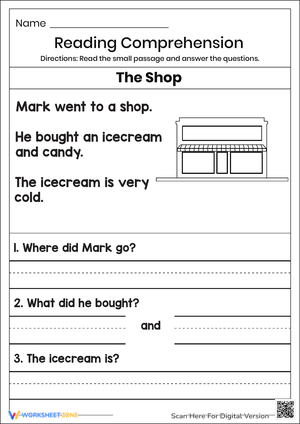
- Early passage comprehension: Short cloze passages ask students to hold meaning across more than one sentence.
That last point is easy to miss. A student may read a word list accurately and still struggle when the same words appear in a tiny passage. A fill-in-the-blank format exposes that gap quickly, which is why these pages work well as a bridge between phonics drills and short reading comprehension tasks.
Classroom Implementation
These printables are easiest to manage when the task stays tied to a teaching routine. In a whole-group lesson, a teacher might model how to read the full sentence first, cover the blank, and ask what word would sound right before anyone writes. In small group, the same page can become a fast check for who is relying on initial sounds only and who is confirming with meaning.
For independent use, keep the expectation simple: read, say the sentence aloud, choose the missing word, then reread the complete sentence. That four-step flow makes the worksheet usable for morning work, literacy centers, or a quiet review block without adding extra directions.
- Centers: Place 1 to 2 pages in a literacy tub with pencils and optional word cards.
- Intervention: Use one sentence at a time and prompt students to explain why the word fits.
- Homework: Send home pages with familiar patterns so families can support rereading.
- Exit checks: Pull one item from a page to verify whether a taught word pattern stuck.
The main planning move is to match the worksheet to the exact lesson goal. If the goal is short vowel decoding, blanks should not depend on tricky vocabulary. If the goal is sight word fluency, the sentence frame should be easy enough that attention stays on the target word.
How to differentiate without changing the worksheet type
One reason teachers keep returning to printable reading blanks is that the format can stay consistent while the demand changes. That helps in kindergarten classrooms where students may be working across a wide range of readiness levels. You do not need a new task structure for every group. You need the same structure with different text supports.
- For emerging readers: Use picture-supported sentences and a two-word choice.
- For students with growing phonics control: Use CVC or simple high-frequency word blanks without picture cues.
- For stronger readers: Move to a 2- to 3-sentence cloze passage with fewer prompts.
- For language support: Read the sentence aloud first, then have students echo and complete it.
This kind of differentiation also helps with pacing across the school year. Early in kindergarten, teachers may rely on oral rehearsal and obvious context. Later, the same students can handle more independent sentence reading and short-passage completion. The worksheet type stays familiar while the reading load grows in a controlled way.
What the listed sources suggest about skill focus
The source set points in a clear instructional direction. Worksheetzone organizes kindergarten fill in the blanks by grade and reading category, which supports quick lesson matching. The Common Core State Standards Initiative: Reading Foundational Skills Kindergarten highlights reading common high-frequency words by sight, and K5 Learning Short Passages Worksheets shows how short passage work can stay brief while still checking understanding.
Citation capsule: The Common Core State Standards Initiative: Reading Foundational Skills Kindergarten places high-frequency word reading inside foundational literacy expectations, so a 1- to 2-sentence blank task can serve as a compact check for both word recognition and meaning when teachers need fast evidence during small-group instruction.
An expert planning point is sequence. When teachers place these worksheets after explicit phonics or sight word teaching, the blank becomes a transfer check rather than a guessing game. That matters more than worksheet volume. A short page used right after instruction often gives better evidence than a longer page assigned cold, because teachers can see whether students are applying the day’s target in connected text, not just finishing an activity.
That is also where the Worksheetzone reading collection can be useful. Since printable worksheet collections are commonly organized by English language arts category and skill level, teachers can keep the response format stable while narrowing the reading focus from broad practice to a specific target like CVC review, common sight words, or a simple comprehension check.
How to choose pages for planning, review, and assessment
Teachers usually get the best results from kindergarten reading blanks when the page is selected for one purpose only. If a worksheet is meant for review, it should feel familiar and quick. If it is meant for assessment, it should remove unnecessary hints so the student response tells you something reliable. Mixing both goals on the same page often muddies the signal.
A useful planning filter is to ask three questions before printing: What exact reading behavior am I checking? How much support should this group have? Will students read a word, a sentence, or a short passage? Those questions keep the task aligned to instruction and prevent overloading early readers with text that looks simple to adults but feels dense to five-year-olds.
For many classrooms, the most practical set includes a few sentence-level pages for daily review and a few short-passage pages for occasional transfer checks. That balance covers the main kindergarten need: building automaticity with known words while still watching for comprehension in connected reading.
Frequently Asked Questions
1. What skills do kindergarten reading fill-in-the-blank worksheets practice?
They usually practice sight words, CVC decoding, sentence completion, and very early comprehension. Students read the surrounding text, test a word choice, and reread the sentence to see whether it makes sense.
2. Are these worksheets better for sight words or phonics?
They can support both, depending on the page design. If the blanks use common high-frequency words in simple frames, the worksheet works well for sight word review. If the blanks use decodable CVC words, it becomes a phonics transfer task inside connected text.
3. How can teachers use printable reading blanks at home or for homework?
Keep the routine short and familiar. Send pages with sentence patterns students have already practiced in class, and ask for rereading after each answer. That makes the work manageable for families and keeps the focus on reading rather than complicated directions.
4. What makes a fill-in-the-blank reading worksheet age-appropriate for kindergarten?
Age-appropriate pages use large print, short text, familiar vocabulary, and clear blanks. The best versions limit visual clutter and match the reading demand to what beginning readers can decode while still giving enough context to support meaning.