Why Kindergarten Fill-in-the-Blank Practice Fits Early Reading Instruction
Kindergarten early literacy fill in the blank worksheets work best when teachers need a short, direct way to reinforce how print connects to speech. In this grade band, students are still learning that letters stand for sounds, that words carry meaning, and that a small change in print can change the whole word. A well-designed fill-in-the-blank page gives students one manageable job at a time: add the missing letter, finish the simple word, or complete a short sentence frame with a known word.
That level of focus makes these printables practical for classrooms that need repeatable routines. Teachers can use them during morning work, in a literacy center, after a mini-lesson, or as a quick check before moving on. Instead of asking students to read long passages before they are ready, the task stays tightly aligned to foundational reading skills. That is why these pages are especially useful in kindergarten English language arts settings where clarity, repetition, and visual support matter.
What Skills These Worksheets Should Target First
The strongest kindergarten early literacy fill in the blank worksheets do not try to cover too much at once. They usually stay close to a few high-priority targets that beginning readers can practice with confidence. At the earliest level, that often means identifying missing uppercase or lowercase letters, matching a sound to a letter, or completing a very familiar picture-supported word.
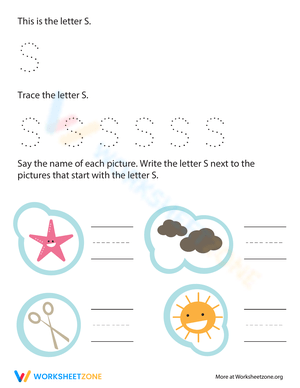
- Alphabet knowledge: students supply a missing letter in an alphabet sequence or in a labeled picture word.
- Phonological awareness: students listen for the first, middle, or final sound and connect it to print.
- Print concepts: students track left to right and understand that each blank stands for a specific letter or word.
- Simple decoding: students complete easy CVC words such as cat, sun, or pig.
- High-frequency word practice: students fill in common sight words in short, controlled sentence frames.
These priorities line up with the kind of foundational skills teachers already teach in whole-group and small-group reading blocks. The value of the worksheet is that it gives students another structured opportunity to apply those skills independently or with light support.
A useful pattern in kindergarten is to keep the blank load low: one blank per item for new learners, then two blanks only after students show they can hold the whole word in memory. That small design choice reduces guessing and makes errors easier to interpret. If a child misses the initial sound in map, the teacher immediately knows the issue is sound-symbol connection, not task complexity.
How Worksheet Sets Can Progress from Letters to Words
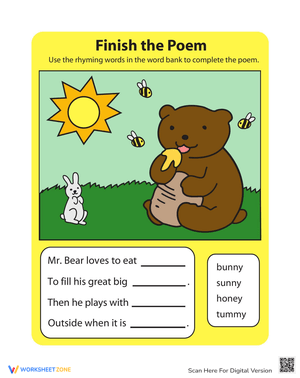
Teachers usually get the best results when worksheet sets move in a clear sequence rather than mixing many skill types on one page. A strong progression starts with missing-letter tasks tied to picture cues, then moves to simple word completion, and finally introduces short sentence frames with known vocabulary. That sequence keeps the cognitive demand steady while the reading demand grows.
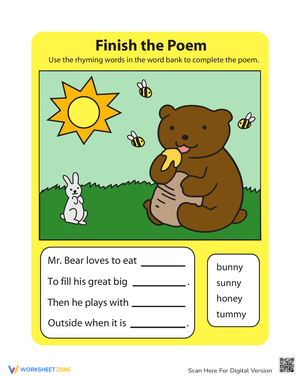
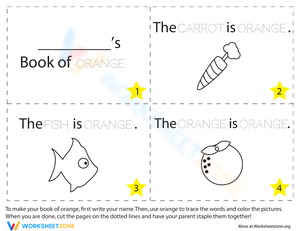
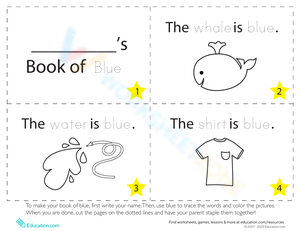
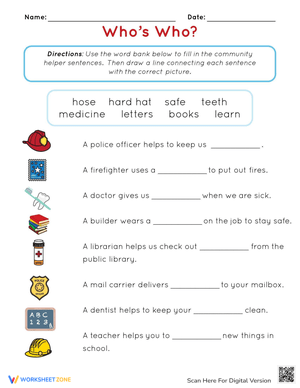
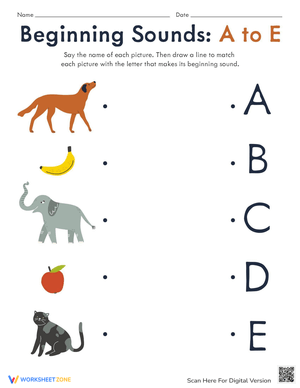
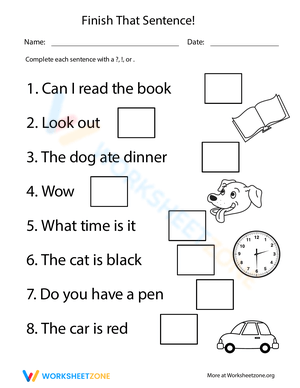
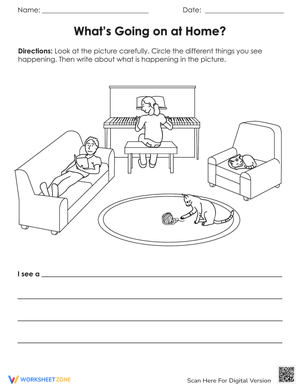
Early pages might ask students to finish picture words by adding one beginning consonant. Once that feels secure, the next set can shift to final consonants or short vowels in CVC words. After students have enough control with simple decoding, teachers can introduce pages that ask them to fill in a familiar sight word to complete a sentence such as I see a ___ or The ___ is big. The sentence stays predictable, so the literacy focus remains on the missing word.
What to Look for in Strong Kindergarten Printables
Not every fill-in-the-blank worksheet is equally useful for kindergarten classrooms. The best pages are easy to read at a glance, visually uncluttered, and tightly matched to what young students can actually decode. Teachers should look for printables that use clear directions, large print, and picture support only when the image truly helps the reading task.
A strong page usually has a small number of items, enough white space for writing, and examples that reflect decodable or highly familiar language. If students are being asked to complete words, those words should be simple enough that the missing part is instructionally meaningful. A page full of irregular or advanced vocabulary turns the task into guessing instead of reading practice.
Teachers should also check whether the worksheet isolates one main skill. A missing-letter page should not suddenly require sentence-level inference. A sight-word page should not depend on advanced spelling patterns. When the worksheet stays narrow and readable, it becomes much easier to use for intervention groups, independent practice, or a quick reteach.
Reading Rockets' summary of the NELP Report identifies six early literacy abilities linked to later reading success, and that same emphasis appears in the Common Core State Standards for ELA: Kindergarten Foundational Skills. For teachers, the takeaway is simple: narrow practice on letters, sounds, and basic word patterns is instructionally aligned, not extra.
Classroom Implementation
These worksheets are most effective when they are attached to a specific instructional routine. In whole-group settings, teachers can model one or two examples under a document camera, say the target sound aloud, and have students trace the air-written letter before working independently. In small groups, the worksheet can follow direct phonics instruction so students apply the exact pattern they just practiced.
For literacy centers, keep the directions consistent across the week. If Monday asks students to fill in beginning sounds, Tuesday can use the same routine with final sounds. That consistency matters in kindergarten because it reduces the amount of procedural teaching needed each time students rotate. A familiar page structure also makes it easier for paraprofessionals, interventionists, or substitute teachers to support the task well.
- Use picture-supported pages for independent center work.
- Use teacher-led word completion pages after a phonics mini-lesson.
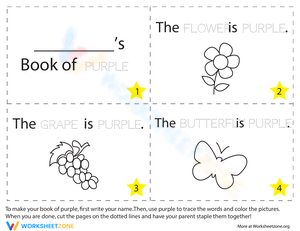
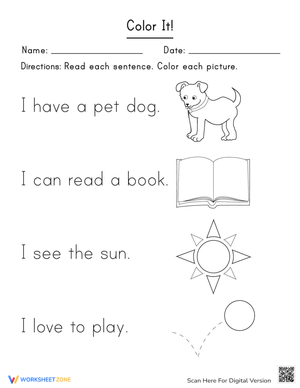
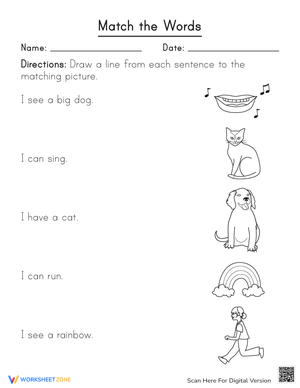
- Use sentence-frame pages for students who already know the target sight words.
- Use one-page review sets for Friday checks or take-home reinforcement.
A simple management move is to sort pages by skill, not by theme. Seasonal worksheets can be engaging, but the instructional win comes from grouping by beginning sounds, short vowels, or sight words so teachers can pull exactly what a student needs.
How These Pages Support Observation and Quick Assessment
One reason teachers keep returning to this worksheet format is that it produces visible evidence fast. A completed page shows whether a student can connect a sound to a letter, recognize a known word, or hold a simple pattern across several items. That makes the worksheet useful not just for practice but also for quick formative assessment.
Teachers can review errors in a very targeted way. If a student fills in random letters, the issue may be alphabet retrieval or task understanding. If the student consistently misses medial vowels, the teacher has a clear signal for the next small-group focus. If the student reads the picture correctly but writes an unrelated word, that points to a gap between oral language and print mapping.
The NELP Report: Developing Early Literacy, as summarized by Reading Rockets, identifies early skills such as alphabet knowledge and phonological awareness as predictive of later literacy outcomes. That matters in day-to-day teaching because even a short fill-in-the-blank page can reveal whether those predictor skills are becoming automatic enough to support early reading growth.
Choosing the Right Words for Beginning Readers
The words on kindergarten fill-in-the-blank pages should be familiar, teachable, and tied to the exact skill being practiced. For missing-letter tasks, simple nouns that pair well with pictures are often the clearest choice. For CVC word completion, use short-vowel words that students can stretch and hear. For sight-word sentence frames, keep the surrounding text controlled so the blank remains the main challenge.
Good choices include words with consistent sound-spelling patterns and language students already know orally. Less effective choices include long words, rare vocabulary, or mixed patterns that ask students to solve too many problems at once. If the goal is short a, most items on the page should actually reinforce short a, not jump unpredictably among several vowels and patterns.
Frequently Asked Questions
1. What skills do kindergarten early literacy fill in the blank worksheets support?
They usually support alphabet knowledge, phonological awareness, print concepts, simple decoding, and early high-frequency word recognition. The strongest pages focus on one of those skills at a time so teachers can match the worksheet to the lesson objective.
2. Are fill-in-the-blank worksheets appropriate for beginning readers in kindergarten?
Yes, when the task is highly scaffolded. Beginning readers do best with large print, simple directions, one missing part per item, and words that are either picture-supported or already familiar from instruction.
3. How can teachers use these worksheets in centers or small groups?
They work well after a short modeling routine, in teacher-led intervention, during literacy centers, as morning work, or as a quick review page. Keeping the format consistent across several days helps students focus on the reading skill instead of the procedure.
4. What types of words should appear on kindergarten fill-in-the-blank pages?
Use decodable or very familiar words, especially picture-friendly nouns, simple CVC words, and known sight words in controlled sentence frames. Avoid advanced spelling patterns or unfamiliar vocabulary that turn the page into a guessing task.