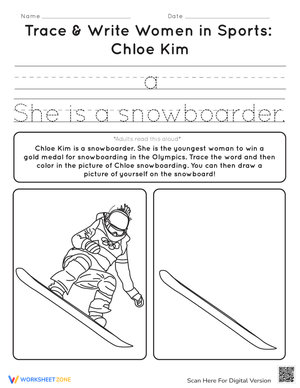
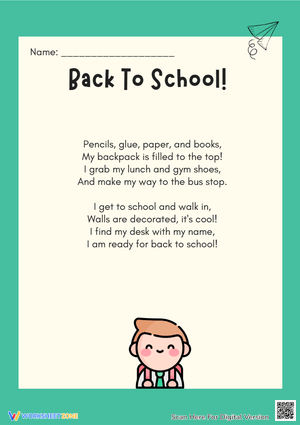
These kindergarten reading genres and types worksheets give teachers a concrete entry point into one of early literacy's more conceptually demanding tasks: helping five-year-olds recognize that books serve different purposes and follow different structures. The set covers fiction, nonfiction, poetry, fairy tales, and informational text — framed around the visual and textual features students can actually observe and name, not just memorize as vocabulary labels.
The Specific Skills Each Worksheet Targets
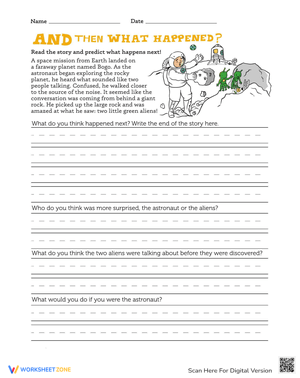
The core work is sorting and identifying. Students sort book covers into fiction and nonfiction categories, mark genre features on sample pages — labels, captions, and diagrams versus story language — and match text descriptions to their type. One worksheet asks students to circle whether a short passage is "real" or "make-believe," a judgment that sounds simple but requires holding two ideas at once: what the subject matter is, and what the author intended.
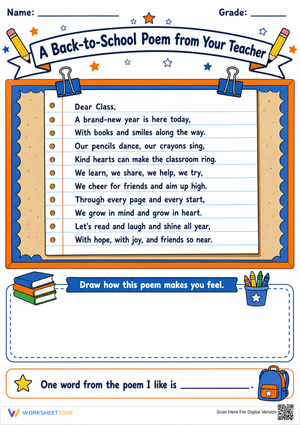
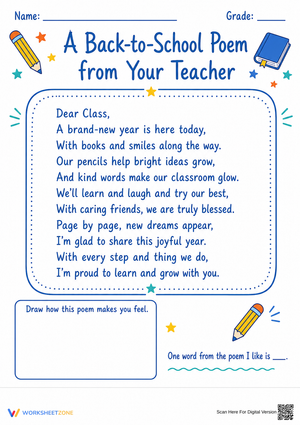
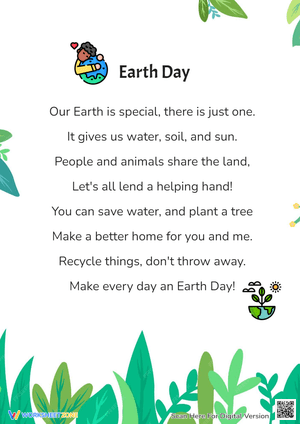
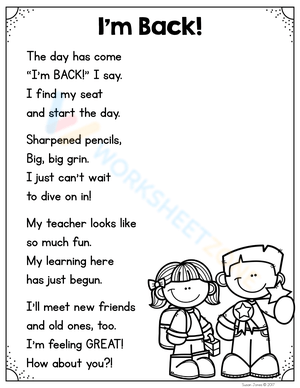
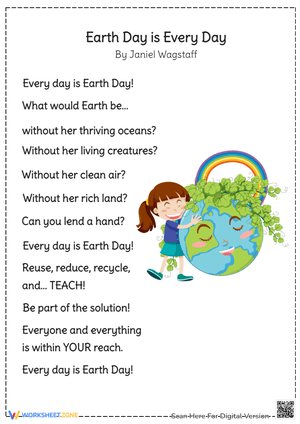
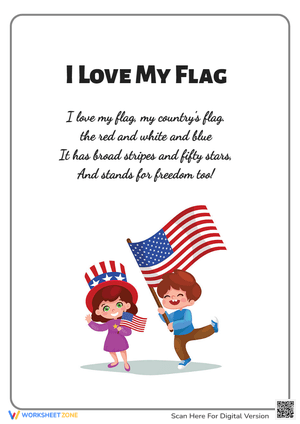
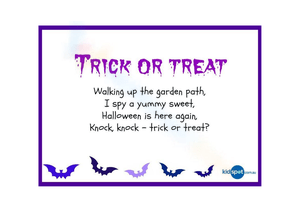
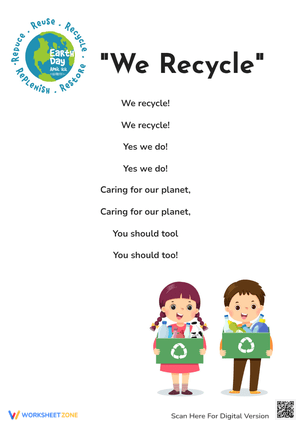
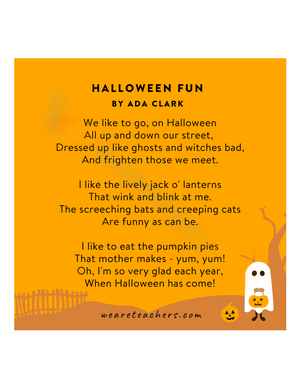
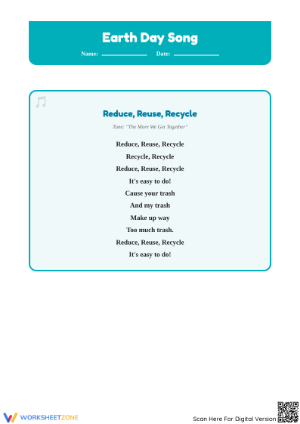
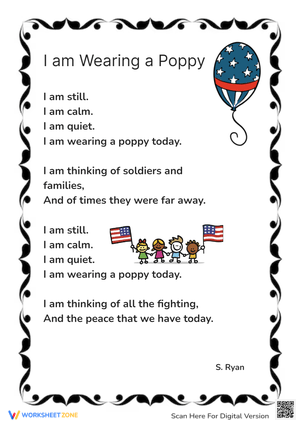
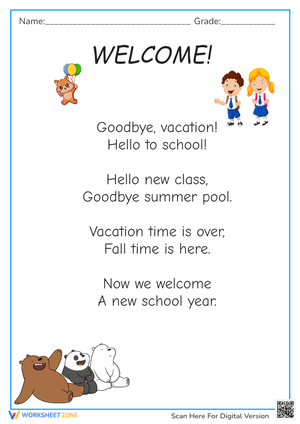
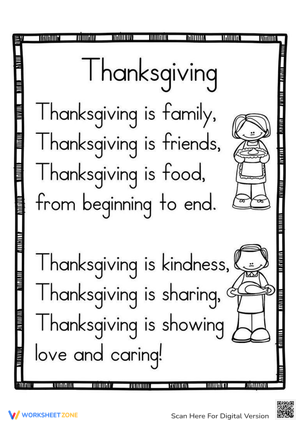
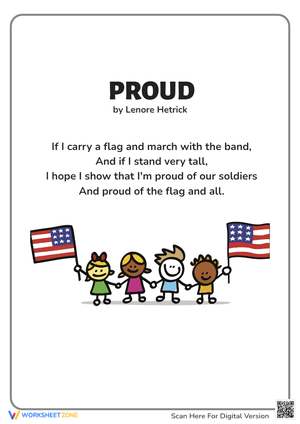
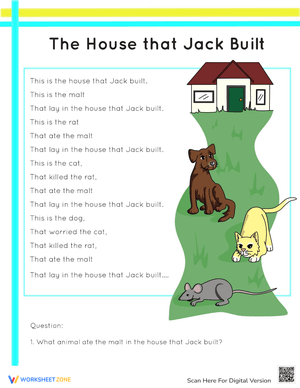
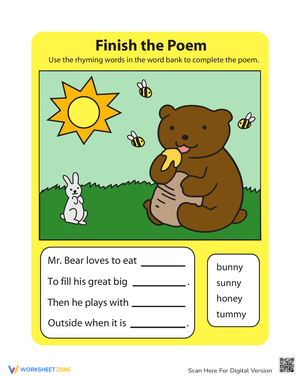
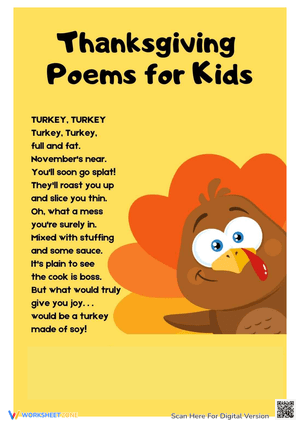
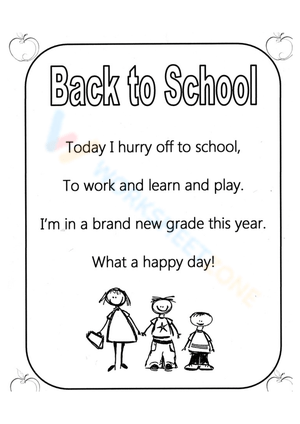
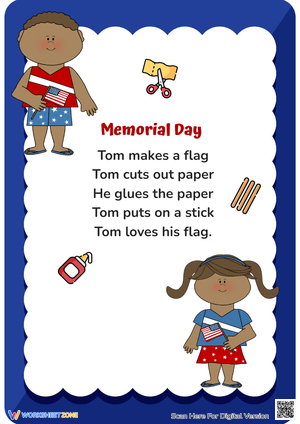
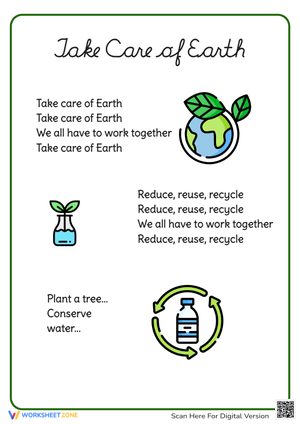
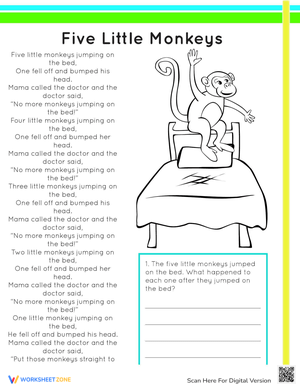
Poetry gets its own focused worksheet because five-year-olds don't automatically recognize the visual shape of a poem as a genre signal. Students mark rhyming pairs, count syllables by clapping and then recording, and notice how a poem sits differently on the page than a story paragraph does. Fairy tale worksheets direct students to underline repeated phrases like "Once upon a time" and identify magical elements — building genre schema through pattern recognition rather than through definition.
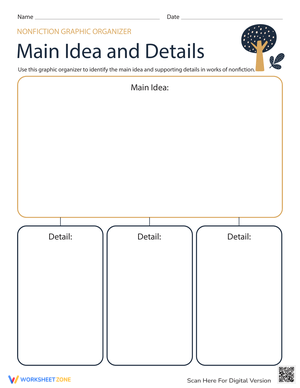
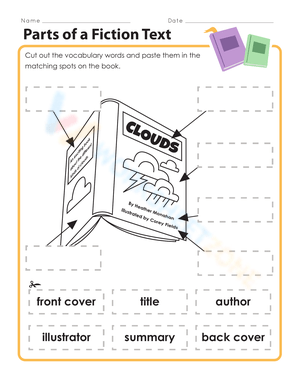
The informational text worksheets in this kindergarten reading genres and types worksheets set ask students to draw arrows to labeled parts of a diagram, circle a caption under a photograph, and explain in a drawing or a sentence why a heading is useful. These tasks build the reading-to-learn stance before students are fluent readers, which is exactly when that habit needs to form — not after.
Genre Errors That Surface Once Students Start Sorting
The most consistent error pattern at this age is classifying illustrated nonfiction as fiction. A book about penguins with a cartoon-style illustration on the cover ends up in the "make-believe" bin every time, because students have learned — correctly — that drawings usually signal a story. When you debrief the sorting worksheet, that confusion surfaces immediately and precisely. It gives you the teaching moment to draw a distinction students actually need: real photographs signal nonfiction, but so do labels, captions, and fact-based sentences, even when the illustrator used paint instead of a camera.
Poetry produces a second reliable error. Students who hear a rhyming text read aloud often classify it as a funny story — because the rhyme sounds playful and the rhythm feels narrative. Worksheets that ask students to look at the text before it's read aloud help them use the visual shape of short, staggered lines as a genre cue. That visual recognition is a skill the oral reading experience alone doesn't build.
Building These Worksheets Into Your Lesson Rhythm
The most natural entry point is the daily read-aloud. Before you open a book, hold up the cover and ask students to name one thing that tells them what kind of text it might be. After the read-aloud, pull out the matching worksheet and have students confirm or revise their prediction in writing or by circling. That five-minute pairing turns every read-aloud into a genre anchor experience without cutting into your instructional block.
These kindergarten reading genres and types worksheets also work well in literacy centers mid-week, after the whole-group lesson has introduced the concept. By Wednesday, students have enough vocabulary to work semi-independently on sorting and matching tasks, and the completed worksheet becomes an informal formative check you can scan before Friday's review. For morning work, the shorter identifying worksheets — one prompt, circle the answer, draw a quick picture — fit comfortably in the seven minutes between arrival and morning meeting.
Standard Alignment
ELA-Literacy.RL.K.5 asks students to recognize common types of texts, specifically naming storybooks and poems. The fiction, poetry, and fairy tale worksheets address this standard directly. The informational text worksheets connect to ELA-Literacy.RI.K.5, which asks students to identify structural features that distinguish informational from literary text. These two standards operate in tandem in kindergarten — genre knowledge is the bridge between decoding and comprehension. Students who can name what they're reading before they can read every word are already building purpose-driven reading habits, a more durable outcome than simply knowing vocabulary labels.
Tiering These Tasks for Different Points in Development
For students who are earlier in literacy development, the sorting and circling tasks require no reading at all. The visual discrimination work — photograph versus illustration, poem-shaped text versus paragraph-shaped text — is fully accessible to pre-readers. Pair those students with a stronger peer during center time; the conversation that follows the sorting task does as much instructional work as the worksheet itself.
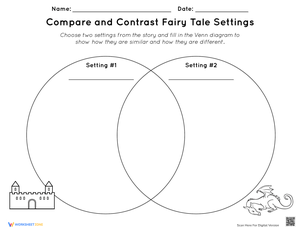
For students reading independently, extend the task: after circling "fiction" or "nonfiction," have them write one sentence explaining their reasoning. That written justification reveals whether they chose correctly by thinking or by guessing — the circle alone doesn't tell you that. Students ready to move further can use two of these kindergarten reading genres and types worksheets side by side and produce a simple compare-and-contrast response between the two text types they examined.
Frequently Asked Questions
Which genres are actually required at the kindergarten level, and does this set cover them?
Common Core names storybooks and poems in RL.K.5, and informational texts fall under the RI.K strand. The set covers fiction (including fairy tales as a named subgenre), nonfiction and informational text, and poetry — the three categories that appear explicitly in kindergarten standards. Fairy tales get their own worksheet rather than being folded into general fiction because the genre schema is distinct enough to warrant separate instruction: students need to recognize tropes specific to the form, not just apply the broader fiction label.
My students can't read yet. Can they still complete these worksheets?
Most tasks rely on visual discrimination rather than word reading. Students sort by image type, identify the shape of a poem on the page, or mark familiar phrases in a text the teacher reads aloud. This approach is intentional — genre awareness can and should begin before decoding is fully developed, because recognizing text type shapes how students listen and interact with a book even when someone else is doing the reading.
How should I sequence these worksheets across a unit?
Start with the fiction-versus-nonfiction distinction: that binary anchors everything else. Spend several days on it before introducing poetry, which functions differently from either fiction or nonfiction and deserves its own instructional week. Fairy tales work well as a follow-up to basic fiction — students already understand story structure and can look for the specific tropes that mark the subgenre. Informational text features (labels, captions, headings, diagrams) are strongest at the end, once students have genre vocabulary to compare those features against what they've seen in storybooks and poems.












 Interactive Worksheet Maker
 Quiz Maker
 Word Search Maker
 Crossword Puzzle Maker
 Word Scramble Generator
 Sentence Scramble Generator
 Handwriting Worksheet Generator
 Name Tracing Generator
 Fill In The Blank Generator