Kindergarten early literacy coloring worksheets work best as focused reinforcement
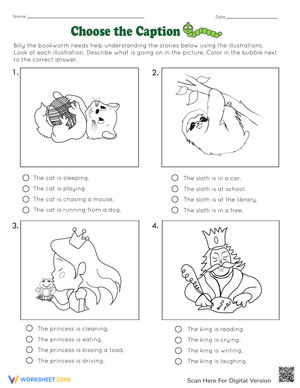
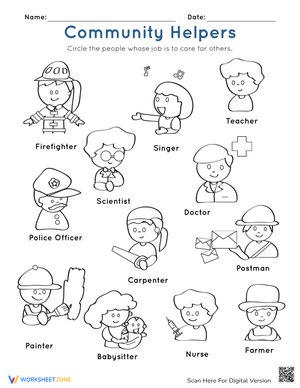
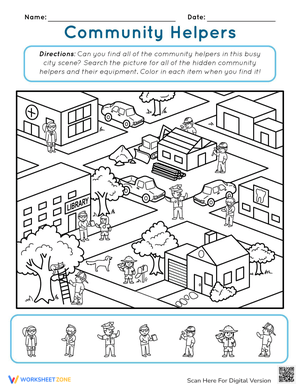
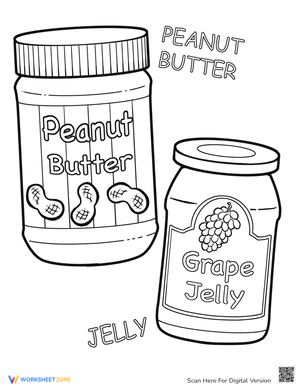
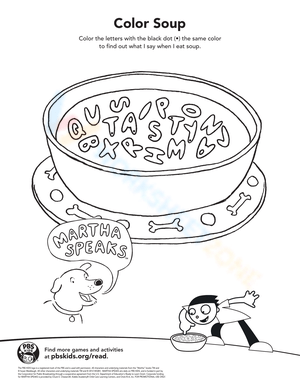
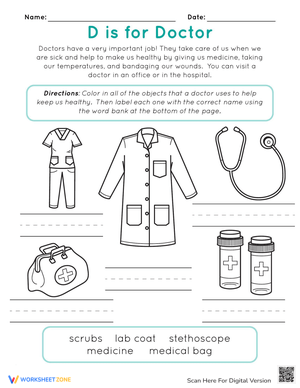
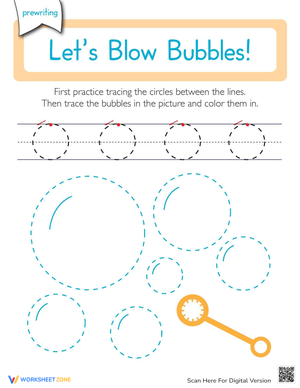
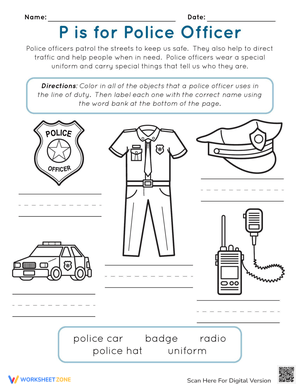
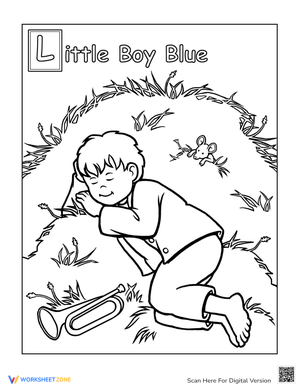
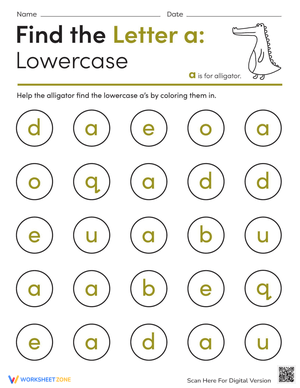
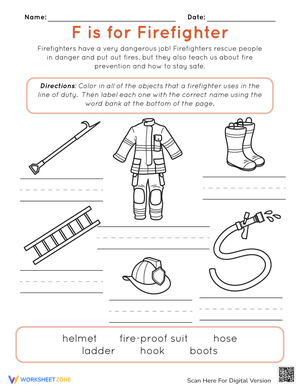
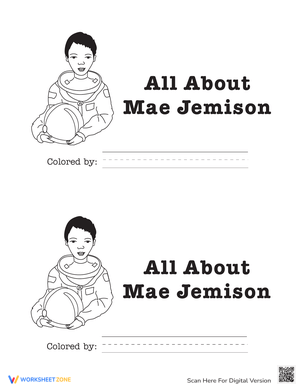
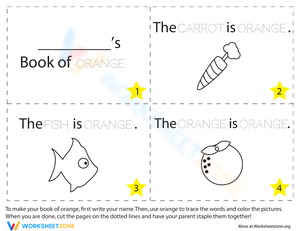
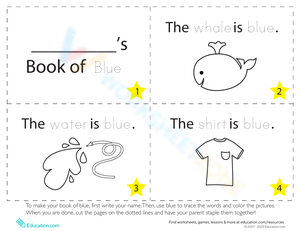
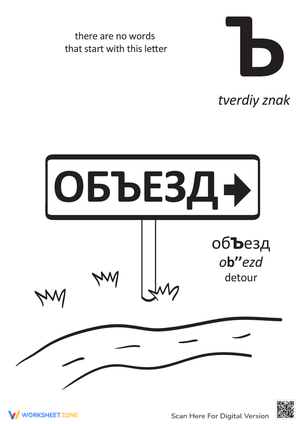
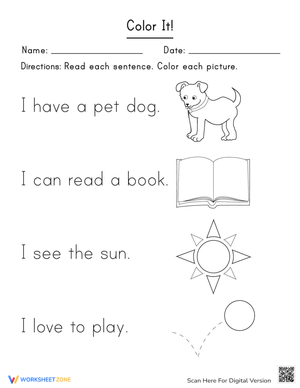
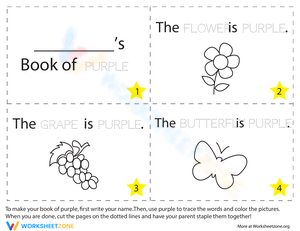
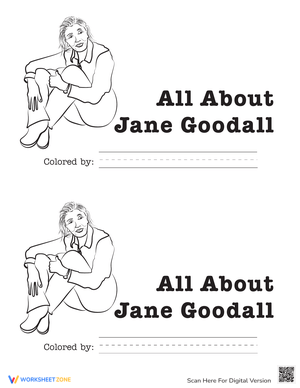
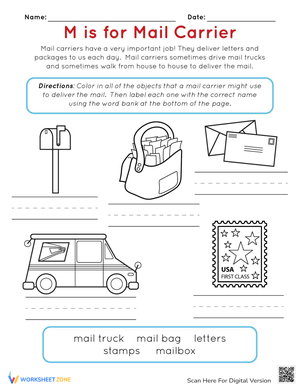
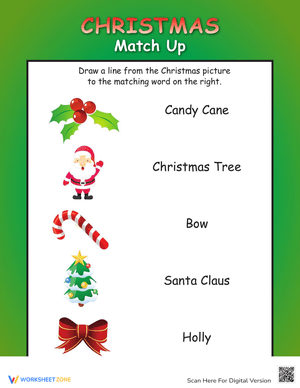
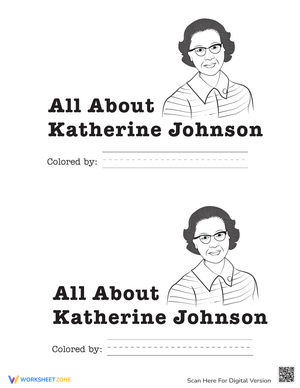
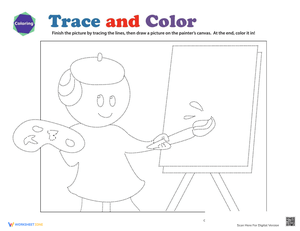
Kindergarten early literacy coloring printable worksheets give teachers a practical way to extend reading practice without turning every literacy block into another round of direct instruction. On pages like the Worksheetzone kindergarten early literacy coloring collection, the value comes from pairing a simple visual task with one clear reading objective. Students can color a picture that matches a beginning sound, trace and color a target letter, or connect a vocabulary image to a print cue.
In most classrooms, these pages fit best after a skill has already been introduced through read-alouds, phonological awareness routines, alphabet lessons, or modeled phonics work. They aren't a substitute for oral practice, teacher feedback, or structured decoding instruction. They do, however, help teachers stretch practice time across centers, morning work, early finisher bins, and take-home review.
These printable pages can support several early literacy skills
Early literacy in kindergarten covers more than naming letters. Teachers are usually building alphabet knowledge, print awareness, oral language, vocabulary, and phonological awareness at the same time. A strong printable set reflects that range by offering multiple kinds of short practice instead of repeating the same letter-color task on every page.
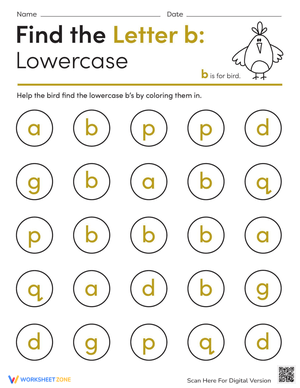
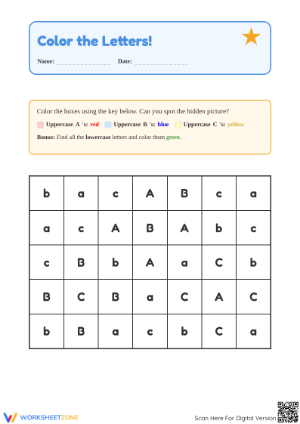
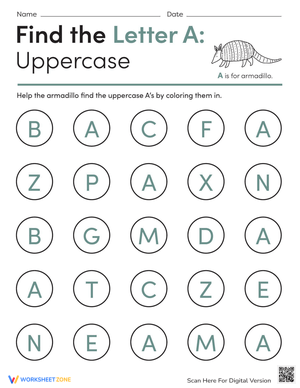
- Alphabet knowledge: Students identify, trace, match, or color a featured uppercase and lowercase letter.
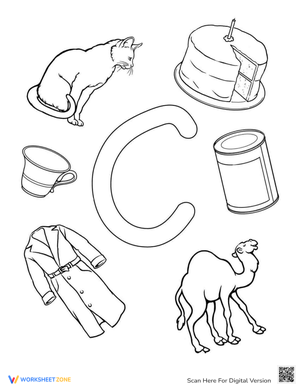
- Beginning sounds: Children color pictures that start with a target sound or sort images by initial phoneme.
- Print awareness: Pages can ask students to track left to right, find a title, circle a word, or notice where a sentence starts.
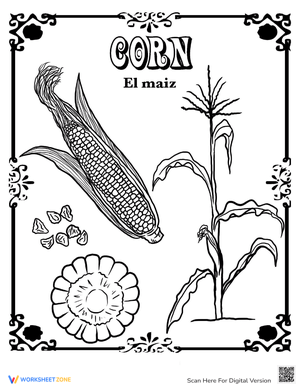
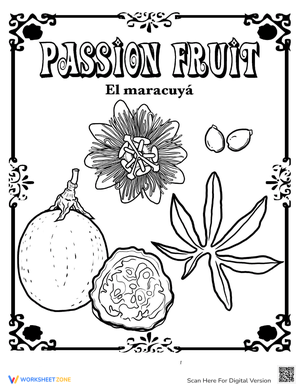
- Vocabulary and oral language: Simple picture prompts give teachers quick openings for naming and discussing objects before students color.
- Phonological awareness support: Some pages can reinforce rhyme, syllables, or sound matching when the visual choices are clear and limited.
That range matters because kindergarten students rarely develop these skills in isolation. A child might recognize the letter name but miss the sound, or know the vocabulary in speech but not connect it to print. Worksheets that combine coloring with matching, tracing, or picture selection give teachers another lens on where the breakdown is happening.
What teachers should look for in a strong worksheet set
Not every coloring printable supports literacy equally well. The most effective sets are designed for fast classroom use and developmental fit, not just for appearance. Kindergarten pages should have short directions, uncluttered images, large enough print for emergent readers, and a single teaching point on each sheet. When a page asks children to color, trace, read, cut, sort, and write all at once, the literacy target gets buried.
It's also worth checking whether the image on the page truly supports the reading task. If the goal is beginning sounds, the picture needs to be instantly recognizable. If the goal is alphabet knowledge, letter formation lines should be clear and appropriately sized. If the page targets print awareness, the print features should be obvious enough to notice with brief teacher prompting.
Classroom Implementation
These worksheets are easiest to use when they sit inside a predictable routine. In literacy centers, one page can reinforce the phonics or print concept already taught that week. During morning work, a short coloring and matching task can help settle students while giving the teacher a quick glance at who remembers the target skill. In small groups, the same printable can become guided practice if the teacher first names the pictures aloud, models one response, and then watches how students complete the rest.
For intervention or reteach, keep the setup even tighter. Preteach the vocabulary on the page, point to each picture, and ask students to say the letter or sound before they color. That way, the worksheet doesn't become a guessing task. In take-home folders, choose pages that families can understand without extra materials. One clear direction, familiar images, and visible print cues make the page more likely to be completed accurately.
- Use one worksheet after direct instruction rather than before it.
- Pair the page with oral rehearsal so students say the sound, letter, or word before coloring.
- Limit independent use to tasks students have already practiced with teacher support.
- Collect a few finished pages over time to show growth in recognition, accuracy, and task stamina.
Why coloring can help some emergent readers stay with the task
In kindergarten, coloring can lower the output demands enough that teachers get a cleaner read on the literacy target. A child who shuts down during heavy writing may still show accurate letter recognition, sound-picture matching, or print awareness when the response mode is pointing, tracing, and coloring. That doesn't make the task easier in an unhelpful way; it helps isolate the skill being checked.
That matters most for students who need visual support, shorter work periods, or more success experiences before they can sustain longer paper tasks. Coloring slows the pace a bit, gives students a defined action to complete, and can make seatwork feel less abstract.
Reading Rockets' summary of the National Early Literacy Panel reports that 6 early abilities were consistently linked to later reading and writing outcomes, including alphabet knowledge, phonological awareness, and concepts about print. That makes targeted kindergarten practice pages a sensible support tool when each sheet stays focused on one skill.
These worksheets fit best alongside foundational reading routines
Teachers get the strongest results when printable coloring pages echo instruction that students are already hearing and seeing elsewhere. A letter page should connect to the alphabet sequence being taught. A beginning sound page should match the phonics focus for the week. A print awareness page should reinforce the same ideas students meet during shared reading or interactive writing.
According to the IES What Works Clearinghouse practice guide on foundational skills, early reading instruction benefits from explicit work in core areas and repeated opportunities to apply those skills. Coloring worksheets won't deliver that whole framework on their own, but they can support it by adding another short practice opportunity with familiar language and visuals.
How to get more instructional value from each printed page
The best way to stretch these resources is to add a brief spoken routine before, during, or after the page. Ask students to name the image before coloring it. Have them tap the first sound. Invite them to point to the first word, the last word, or the matching letter. Those small additions keep literacy thinking active and prevent the page from becoming a silent art task.
It also helps to sort your printable set by purpose. Keep one stack for independent center pages, one for teacher-led reteach, and one for take-home review. That organization lets you match the complexity of the worksheet to the level of support available.
Over time, teachers can rotate the same format across different skills without reteaching the routine from scratch. Students learn how to approach the page, and the teacher can spend attention on the literacy target instead of the directions. That's one reason kindergarten early literacy coloring printable worksheets remain useful across the year.
Frequently Asked Questions
1. What early literacy skills can kindergarten coloring worksheets support?
They can support alphabet knowledge, beginning sounds, vocabulary, print awareness, and selected phonological awareness tasks when each worksheet keeps a single clear focus. The strongest pages pair a simple visual action with one observable reading behavior, such as tracing a letter or matching a picture to its initial sound.
2. How should teachers use these worksheets during centers or morning work?
Use them after the target skill has already been taught. In centers, they work well as short reinforcement tied to the week's literacy focus. In morning work, they can provide calm practice with familiar directions while the teacher checks in with students and scans for errors or unfinished understanding.
3. Are coloring worksheets appropriate for struggling or emergent readers in kindergarten?
Yes, especially when students need lower writing demands, stronger visual support, and shorter tasks. The worksheet is most useful when it helps the teacher see the literacy skill more clearly, not when it replaces direct teaching.
4. What should teachers look for in a good kindergarten early literacy printable set?
Look for black-and-white pages with clear images, short directions, large print, and one skill per page. A good set should be easy to use across centers, seatwork, small groups, or take-home folders.