Kindergarten Concepts of Print Coloring Pages Printable for Early Literacy Centers
Why coloring pages work for concepts of print
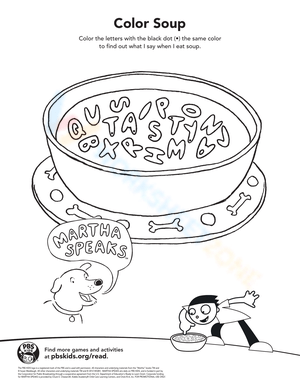
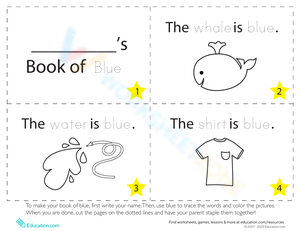
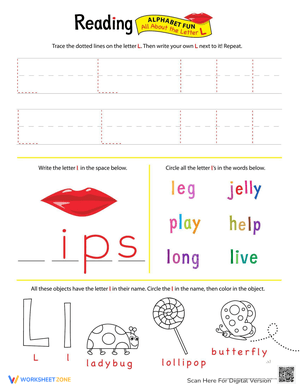
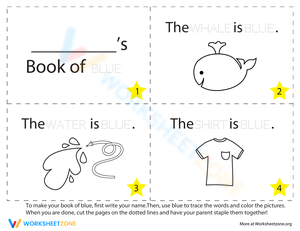
Kindergarten teachers often need a fast way to revisit print awareness without turning the lesson into isolated drill. That is where kindergarten concepts of print coloring pages printable resources can fit well. When a page asks students to color the front cover, trace the first word in a sentence, or follow print from left to right, the task stays concrete. Students can see the structure of print while completing a manageable hands-on activity. For classrooms that rotate through literacy centers, these pages also reduce transition time because the directions are visual and the finished work is easy to review.
Concepts of print is one of the first reading foundations students build in kindergarten. It includes understanding that print carries meaning, that books are handled in predictable ways, and that letters, words, and sentences are not the same thing. Coloring-based pages support those early understandings because they slow students down long enough to notice where print begins, how it moves across the page, and what features separate one unit of print from another.
Which print concepts these pages should reinforce
The strongest worksheets in this category do more than add a picture beside random text. They should focus on the specific behaviors teachers want to see during read-alouds, shared reading, and independent practice. In kindergarten, that usually means students are learning how to orient a book, track print from left to right and top to bottom, notice spaces between words, and recognize the difference between a letter, a word, and a sentence.
- Book handling tasks such as coloring the front cover, back cover, or title area
- Directionality tasks such as following arrows across a line of print
- Word awareness tasks such as coloring the spaces between words or circling one word in a sentence
- Sentence awareness tasks such as identifying where a sentence starts and ends
- Print matching tasks such as sorting letters, words, and complete sentences
These are the kinds of moves that transfer directly into shared text work. A worksheet becomes more instructionally useful when the action on the page mirrors the action students need during real reading.
What to look for in a printable set
Not every printable is worth center time. Teachers should look for pages that keep the cognitive demand on print concepts, not on elaborate cutting or decoding demands that are above grade level. Clear icons, short directions, and one learning target per page tend to work best in kindergarten. If the worksheet combines coloring with tracing, the tracing should stay limited to words or labels that help students attend to print features rather than copy long sentences.
Worksheet sets are especially practical when they include a narrow progression. One page might focus on how to hold and open a book. Another might ask students to color the first word in each line. A third might ask them to distinguish a single letter from a whole word. That sequence gives teachers room to assign by need instead of handing every student the same page at the same moment.
In many classrooms, concepts of print errors are not knowledge gaps alone; they are attention and transfer issues. A student may track correctly during a teacher read-aloud but lose directionality on paper. Coloring tasks expose that gap because they require students to apply print knowledge independently, without relying on oral prompting from the teacher.
How these print-awareness pages support assessment
Printable pages can double as informal checks when teachers want a quick snapshot before moving into phonological awareness or early decoding work. A completed coloring page reveals whether students can locate the first word, identify a sentence boundary, or follow the expected path of print. That evidence is easier to sort when each worksheet targets one print behavior at a time.
Reading Rockets notes that concepts of print should be assessed during kindergarten, including early in the school year and again mid-year, because these skills help show whether children understand how print works before formal reading demands increase. That timing matters instructionally. If a student still confuses letters with words in mid-year, the teacher can respond with focused small-group practice instead of assuming the child is ready for more advanced text tasks.
For that reason, the best printable coloring pages are not just filler for a quiet block. They can serve as a low-prep record of what students actually notice on the page, which makes them useful for regrouping and short-cycle intervention.
Classroom Implementation
These worksheets fit best when they are attached to an existing literacy routine. In a whole-group lesson, a teacher might model on chart paper how print moves from left to right, then send students to a center where they color arrows that follow the same pattern. In small group, the teacher can watch students complete one page and note who independently identifies words, spaces, and sentence boundaries. During morning work, a single half-page task can refresh a previously taught concept without taking over the schedule.
- Use one page as a warm-up before shared reading
- Place differentiated pages in literacy tubs for reteach groups
- Send one short printable home after the concept has been introduced in class
- Keep finished pages in student folders to show growth across the year
Teachers who use coloring pages well usually keep the follow-up talk brief and specific. Ask students to explain why they colored a certain part of the page, where they found the first word, or how they knew a group of letters was one word rather than a sentence. That short conversation turns worksheet completion into instructional evidence.
Source-based guidance teachers can trust
Reading Rockets states that concepts of print should be checked at 2 points in kindergarten, at the start of school and again mid-year, so teachers can confirm whether students understand book handling, directionality, and word awareness before later reading expectations increase.
That guidance lines up well with classroom use of printable practice. Education.com organizes early book and print concepts activities around identifying parts of books and understanding how print works on the page, while Worksheetzone groups kindergarten concepts of print worksheets under early literacy and reading. Taken together, those sources point toward the same classroom priority: explicit, repeated practice with visible print features.
How Worksheetzone printables fit kindergarten planning
When teachers search for printable practice, they usually need something that is easy to slot into a lesson already in progress. Worksheetzone concept-of-print pages work best in that planning window because they can support early literacy without requiring a full stand-alone unit. A teacher might pull one page for center review, another for substitute plans, and another for quick intervention after a read-aloud checklist shows confusion about word spacing or directionality.
The main advantage of a coloring format is pacing. It gives young learners a reason to stay with the page long enough to inspect print features carefully. That matters in kindergarten, where students may rush through a tracing page without noticing what the print is doing. A well-designed concepts-of-print coloring sheet keeps the literacy target visible while still feeling approachable during independent work.
Teachers should still treat these pages as part of instruction, not as the instruction by themselves. They work best beside read-alouds, shared writing, pointer reading, sentence strips, and explicit teacher language about books and print. Used that way, printables help students rehearse a concept they have already seen modeled in meaningful text.
Frequently Asked Questions
1. What are concepts of print in kindergarten?
Concepts of print are the early understandings that help students know how print works. In kindergarten, that includes knowing that print carries meaning, books have parts, words are separated by spaces, and text is read from left to right and top to bottom.
2. How do coloring pages support print awareness?
Coloring pages make abstract print features easier to notice. When students color the first word, trace a sentence, or mark spaces between words, they interact with print in a focused and concrete way that supports independent practice.
3. What skills should a kindergarten print concepts worksheet teach?
A strong worksheet should teach book handling, directionality, word spacing, and differences among letters, words, and sentences. It should keep the task simple enough that students can show what they know without heavy decoding demands.
4. Are printable concepts of print worksheets good for home practice?
They can be useful for home review after a teacher has introduced the concept in class. The most effective home pages use one clear target, short directions, and a familiar routine so families can reinforce the skill without turning practice into guesswork.
Clear All