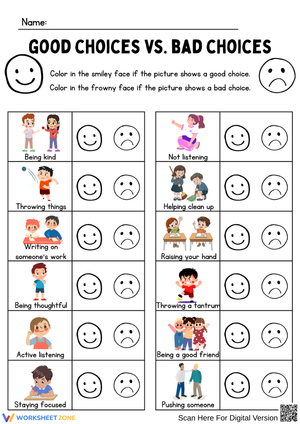
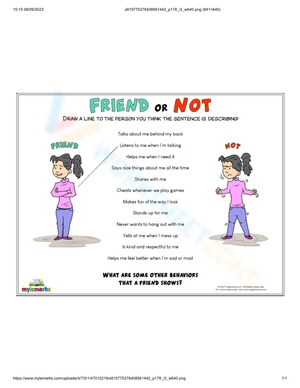
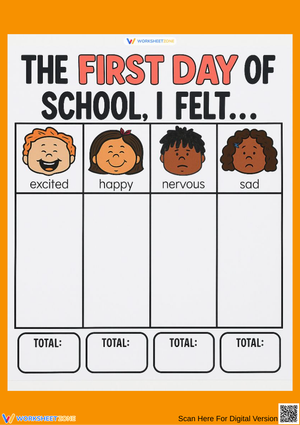
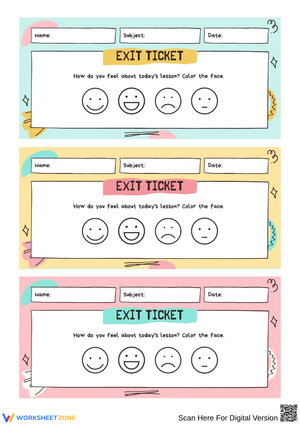
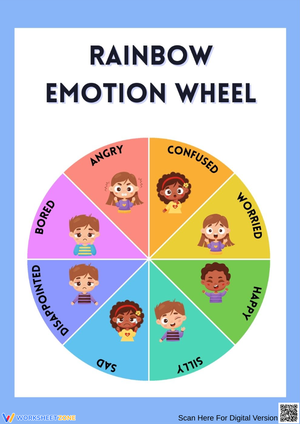
Young children carry enormous emotional worlds inside them long before they have the vocabulary to describe what they are feeling, and the emotions worksheets for kindergarten at Worksheetzone give teachers and parents the tools to bridge that gap. Each page provides a structured, accessible entry point into emotional literacy, where children learn to identify facial expressions, match feelings to situations, and begin building the vocabulary they need to communicate their inner experience clearly. These early skills form the foundation of social-emotional intelligence that supports learning and relationships throughout life.
The activities in these worksheets use simple, age-appropriate illustrations that represent a range of common emotions including happiness, sadness, frustration, surprise, fear, and calm. Children circle the face that matches a described situation, draw expressions on blank faces, or trace the name of each emotion beneath its matching image. This multi-modal approach engages visual, motor, and language processing simultaneously, making the learning more durable. For additional classroom SEL resources, explore writing activities for kindergarten that weave emotional expression into early literacy practice in a natural way.
Teachers who use emotions worksheets for kindergarten as part of a morning meeting routine report that students show measurable improvement in self-regulation and peer conflict resolution within the first semester of consistent practice. When children can name what they feel, they are better equipped to ask for help, communicate needs to peers, and return to learning after an emotional disruption. These worksheets fit easily into a five-minute opening activity or can serve as a standalone social-emotional learning center during station rotation time. Pair them with resources from the social studies worksheets collection to extend social learning into community contexts appropriate for early learners.
Parents who want to continue this emotional vocabulary work at home will find these pages easy to print and use at the kitchen table without any special preparation. A brief conversation about each emotion shown on the page, connected to a real situation the child experienced that day, turns a simple worksheet into a powerful bonding and learning moment that reinforces what is happening in the classroom throughout the school week.
Download your emotions worksheets for kindergarten today and give every young learner the language they need to understand and share what they feel.
Frequently Asked Questions
Question 1: Why are emotions worksheets important for kindergarten students?
Emotions worksheets for kindergarten build the emotional vocabulary and self-awareness that young children need to navigate social situations. When children can name their feelings accurately, they manage their own behavior better, communicate with peers and teachers more effectively, and stay engaged with learning even when experiencing difficult emotions. These foundational skills support academic success by reducing emotional disruptions that interrupt focus throughout the school day.
Question 2: How do teachers incorporate these worksheets into the kindergarten day?
Teachers most commonly use emotions worksheets for kindergarten during morning meeting as a daily emotional check-in, during social-emotional learning station time, or as a whole-class activity following a read-aloud that features a character experiencing a strong emotion. The structured format gives students a clear task to complete, while the discussion that surrounds it provides oral language practice that deepens emotional understanding beyond the page into real conversation between peers.
Question 3: Are these worksheets appropriate for children with limited emotional vocabulary?
Yes, these emotions worksheets for kindergarten are specifically designed to support children who are at the earliest stages of emotional vocabulary development. The simple illustrations and clear visual cues allow children to engage meaningfully with the content even before they can read the emotion labels independently. Teachers can read the labels aloud and lead group discussions that give every child access to the content regardless of their current reading level or prior emotional learning experiences in school.
Question 4: Can parents use these emotions worksheets for kindergarten at home?
Parents can use emotions worksheets for kindergarten at home to reinforce the emotional vocabulary their child is building at school. Printing one or two pages per week during a calm moment creates a consistent touchpoint for emotional conversation. Connecting each worksheet to a real situation from the child s day makes the learning immediately relevant and helps new vocabulary stick through regular emotions worksheets for kindergarten practice at home.












 Interactive Worksheet Maker
 Quiz Maker
 Word Search Maker
 Crossword Puzzle Maker
 Word Scramble Generator
 Sentence Scramble Generator
 Handwriting Worksheet Generator
 Name Tracing Generator
 Fill In The Blank Generator