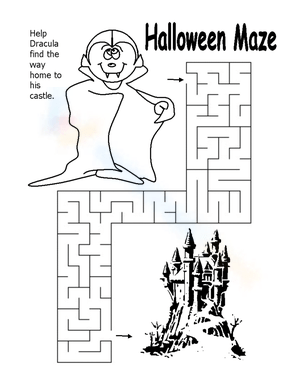
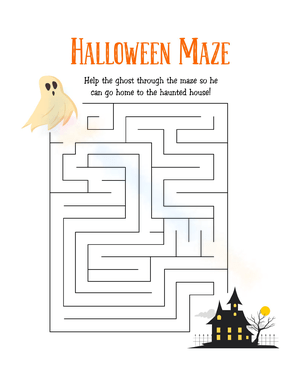
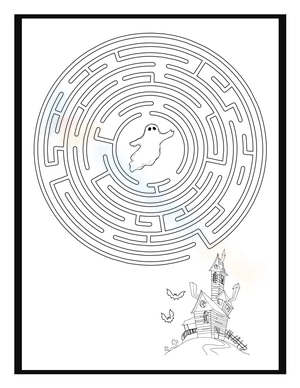
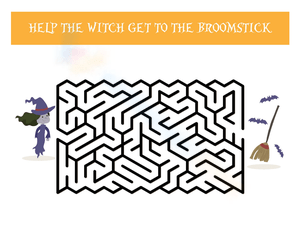
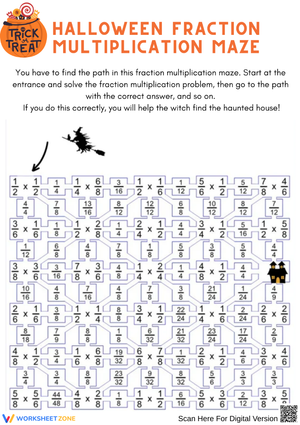
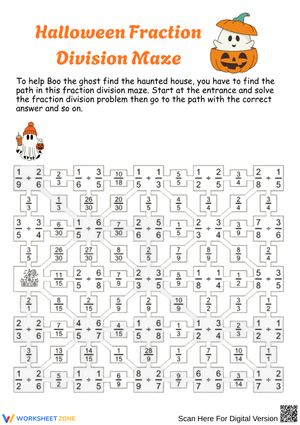
Why Halloween Maze Worksheets Belong in K-2 Centers
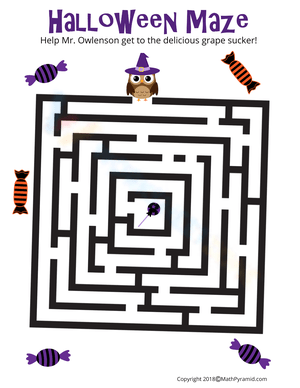
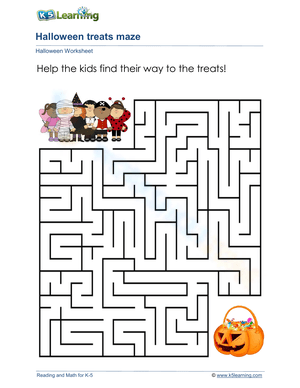
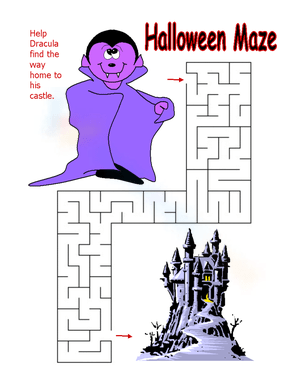
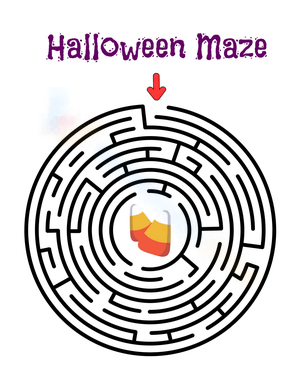
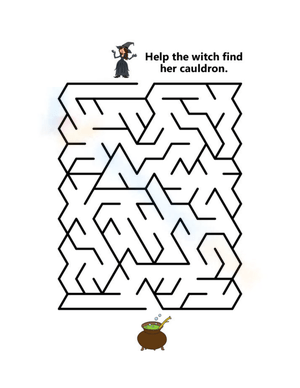
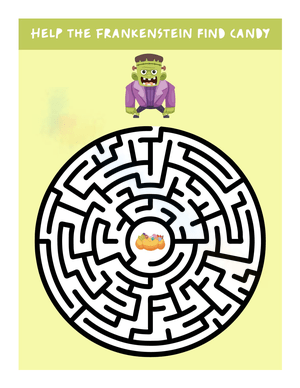
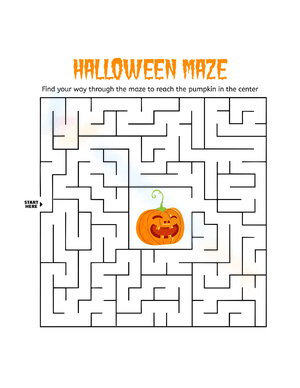
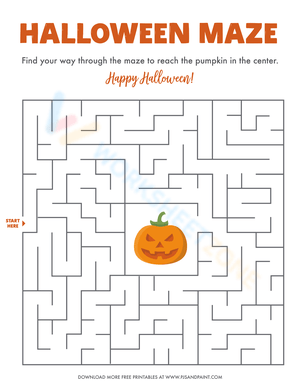
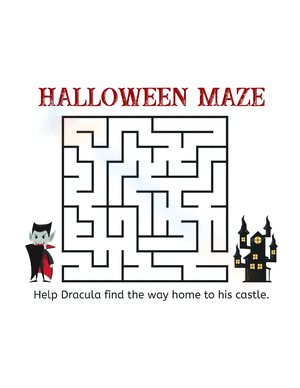
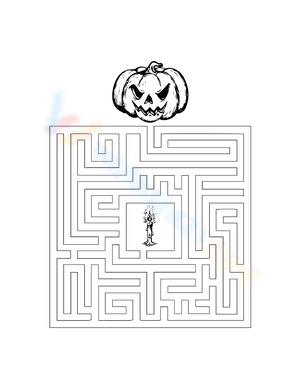
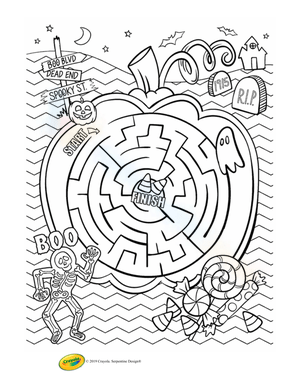
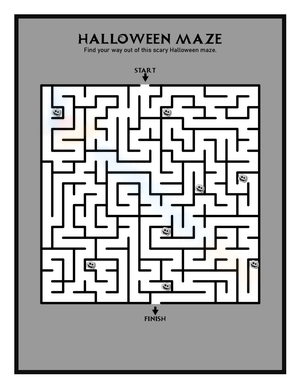
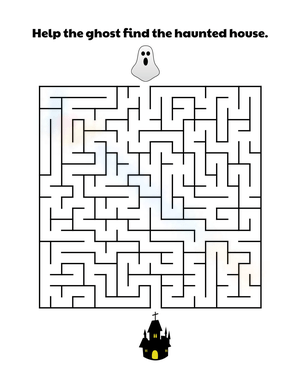
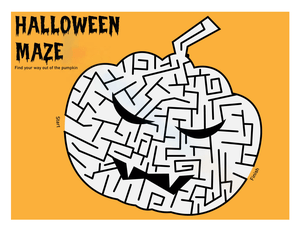
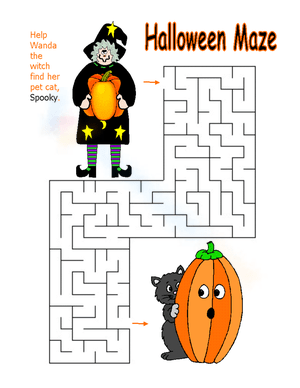
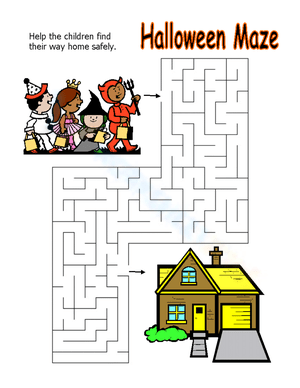
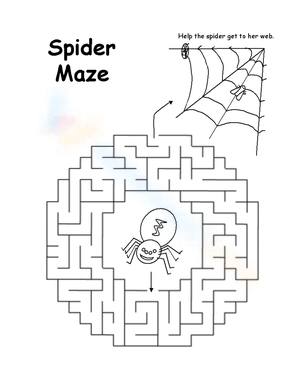
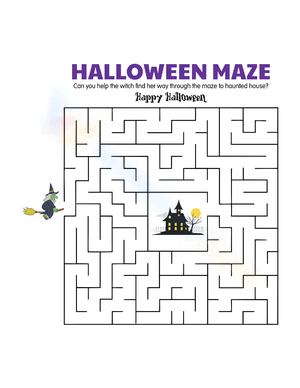
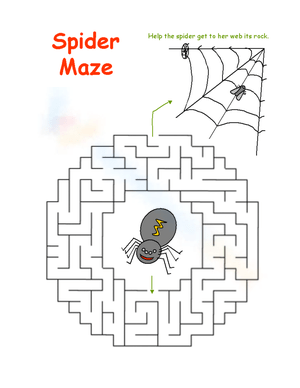
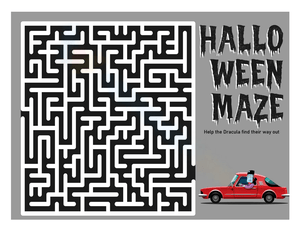
When October hits, the pull toward party activities is real, but a Halloween maze worksheet earns its spot on the center table for reasons that have nothing to do with candy. A well-designed maze asks a student to trace one continuous path from start to finish, avoid dead ends, and keep the pencil under control the whole way. That's fine motor work, visual tracking, and route planning wrapped inside a jack-o'-lantern that a five-year-old actually wants to finish.
For US K-2 teachers, that combination is the whole point. You get a low-prep printable that runs itself during morning work or independent seatwork, and students get targeted skill practice that supports handwriting and early literacy. This guide breaks down what these worksheets build, how to use them without the room turning into unstructured party time, and how to tier them for the range of learners in any early elementary room.
Building Visual Tracking and Pre-Handwriting Readiness
Before a pencil ever moves, a maze pulls the eyes along a line. Students scan ahead, follow the correct branch, and reject the dead ends. That visual tracking is a foundational reading skill: the same left-to-right, top-to-bottom eye control students need to move smoothly across a line of text. Pair a maze with a quick verbal cue, such as "eyes first, then pencil," and you turn a seasonal printable into deliberate pre-reading practice.
According to Your Therapy Source, visual motor activities like mazes strengthen the coordination between what students see and how their hands move. Their free collection bundles 10 printable worksheets, giving teachers a ready bank of tracing tasks that pair naturally with seasonal Halloween mazes for centers, morning work, or targeted fine motor practice across a K-2 classroom.
Classroom Implementation
Slot Halloween mazes into the routines you already run. As morning work, they settle students the moment they sit down and buy you time for attendance and check-ins. As a fine motor center, laminate a few and add dry-erase markers so one copy serves a whole rotation. As a brain break, a single maze resets focus between two demanding lessons without spinning the room up the way a movement break sometimes does.
To keep it from feeling like party time, give the task a clear finish line and a next step: solve the maze, trace the path a second time in a different color, then count how many dead ends you found. Dynamilis frames mazes as fine motor skills worksheets precisely because that structured tracing has a purpose, and a simple two-step direction keeps students accountable instead of drifting.
For transitions, early finishers, and indoor recess, keep a labeled folder of Halloween mazes near the center table. Students who wrap up early grab one independently, which protects your small-group time and cuts down on the "I'm done, what now?" line that stretches longest in October.
Frequently Asked Questions
1. What grade level are Halloween maze worksheets best for?
They fit preschool through second grade best, with the sweet spot in pre-K through kindergarten. Adjust path width and the number of dead ends to match the grade, and a first or second grader can still get a real challenge from a multi-branch version.
2. What skills do maze worksheets build besides following a path?
Beyond path-following, mazes build pencil control, visual tracking for reading readiness, hand-eye coordination, and problem-solving through planning and self-correction. That's why they read as skill practice rather than busywork.
3. How can teachers use Halloween mazes without it feeling like party time?
Give the maze a clear goal and a follow-up step, like tracing the path twice or counting dead ends, and tie it to a routine such as morning work or a center. Structure and a finish line keep it purposeful.
4. Can maze worksheets be adapted for students who need extra fine motor support?
Yes. Widen the path, shorten the route, let students highlight before using a pencil, or add a finger-trace warm-up. These adjustments keep the task reachable while still targeting fine motor control.
5. How do Halloween mazes fit into a broader October lesson plan?
Use them as the independent anchor in a themed rotation alongside counting, coloring, and pattern pages. The maze runs itself during transitions and early-finisher time, freeing you to lead a small group.












 Interactive Worksheet Maker
 Quiz Maker
 Word Search Maker
 Crossword Puzzle Maker
 Word Scramble Generator
 Sentence Scramble Generator
 Handwriting Worksheet Generator
 Name Tracing Generator
 Fill In The Blank Generator