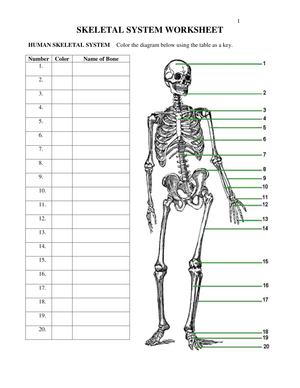
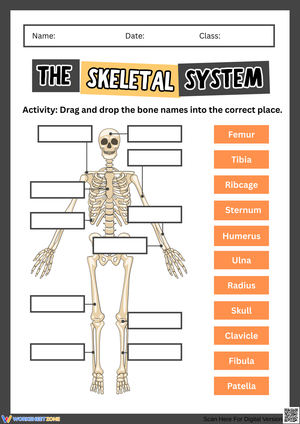
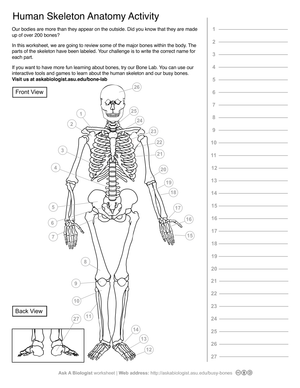
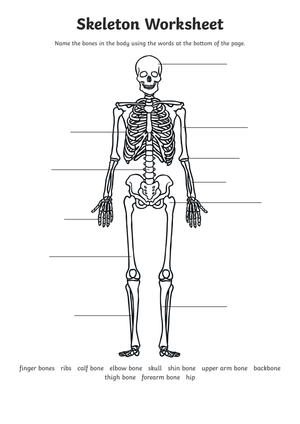
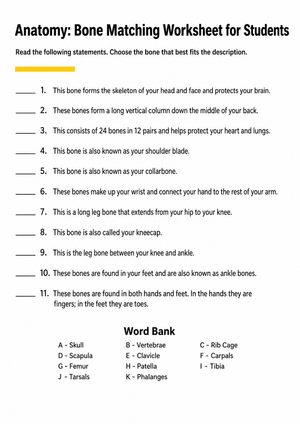
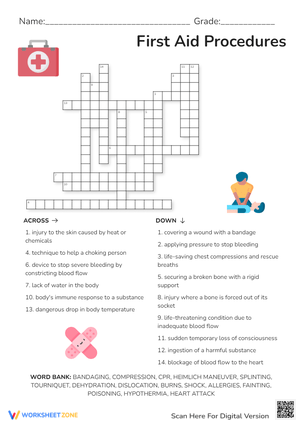
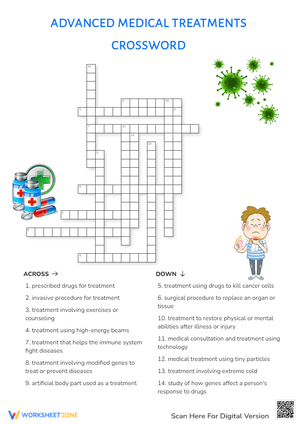
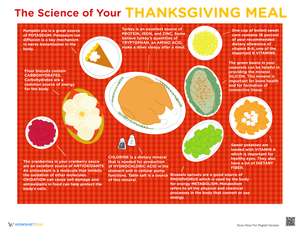
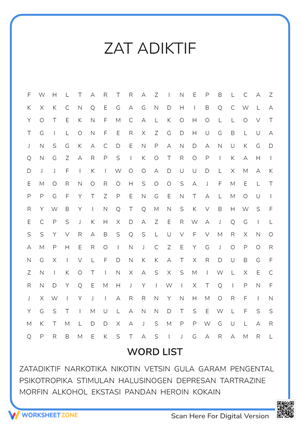
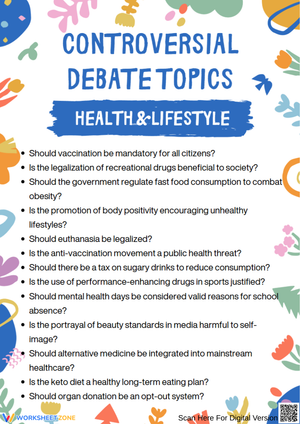
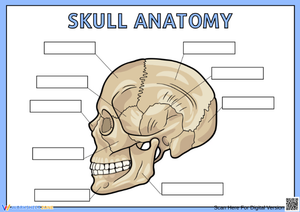
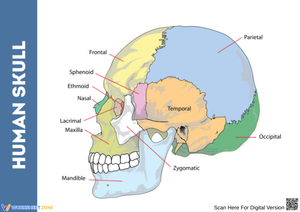
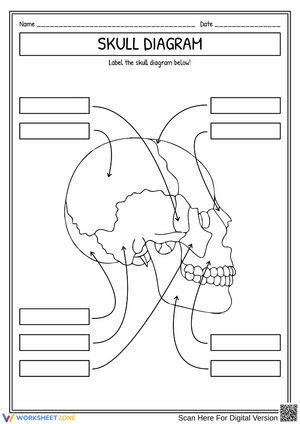
These 8th grade body and health printable worksheets resources serve two classroom contexts at once — life science review and health education — because in most middle schools those subjects share vocabulary and student population without sharing planning periods. Teachers get standalone worksheets covering organ systems, anatomy vocabulary, and adolescent wellness, all formatted so students can work independently with minimal setup.
What the Set Targets
The content sits at a level 8th graders are developmentally ready to handle. They can move past simple labeling and into comparison, cause-and-effect, and application — tasks that make the work stick. Each worksheet focuses on one clear instructional target rather than stacking multiple skills at once.
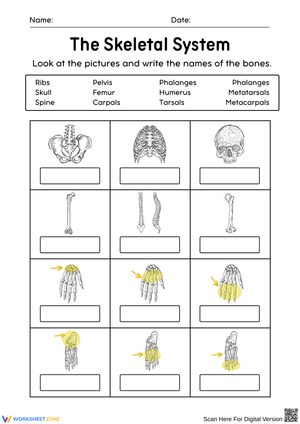
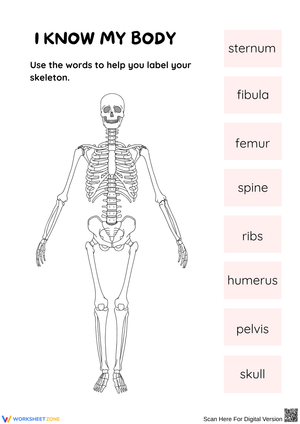
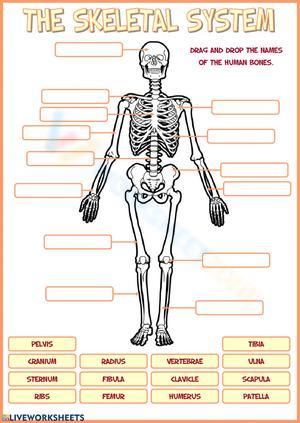
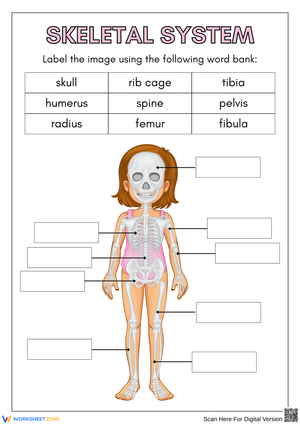
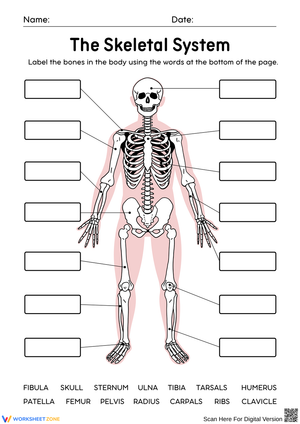
- Body systems review — circulatory, respiratory, digestive, nervous, skeletal, muscular, and endocrine — with tasks that ask students to explain function, not just name parts
- Cross-system relationships: students identify how the lungs and heart share a job, or how the nervous system directs muscular response
- Anatomy vocabulary in context — terms like tissue, organ, homeostasis, and nutrient absorption appear in sentences students read and rewrite, not on lists they copy
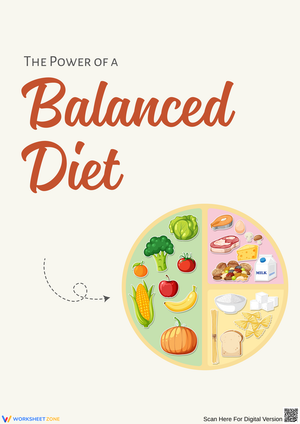
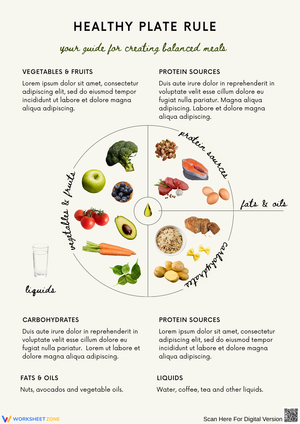
- Health topics including sleep, hygiene, nutrition, physical activity, and stress, with tasks that ask students to sort examples, interpret a scenario, or explain a connection to daily habits
- Age-appropriate adolescent wellness prompts that support structured classroom conversation rather than open-ended discussion that can stall or veer off-task
One distinction worth naming upfront: body systems content and health-sensitive content require different tones on the page. A worksheet on the circulatory system can be direct and information-dense. A worksheet on puberty or hygiene needs careful wording — matter-of-fact, specific, and respectful. The set keeps those registers separate rather than blending them, which reduces off-task reactions during health lessons.
Building These Worksheets Into Your Weekly Lesson Plans
Where 8th grade body and health printable worksheets resources do their most consistent work is in the short, purposeful slots that come up constantly — the 8 to 10 minutes of bell work before a lesson on organ interactions, the independent practice block while a teacher pulls a small group, or the Friday review window before a body systems quiz. Each worksheet is also self-contained enough to hold up in sub plans without any additional instruction from the teacher.
A reliable classroom routine: students complete a worksheet independently, then compare one answer with a partner and explain their reasoning aloud. That step keeps the work from becoming passive seatwork. It also tells the teacher, in about 30 seconds of walking the room, who understood the function of the respiratory system and who wrote a response that mentions the lungs without explaining gas exchange. Pair it with a three-question exit ticket and the formative picture is complete before the period ends.
- Bell ringer before a body systems lesson: a matching or labeling worksheet surfaces prior knowledge without requiring any explanation from the teacher first
- Station rotation: alternating body systems worksheets with wellness worksheets lets students move through both content areas in one block
- Health advisory or intervention time: the wellness worksheets work in non-science settings where pulling up a textbook would feel mismatched to the context
- Pre-quiz homework: one vocabulary worksheet the night before a test produces better recall than a study guide students highlight without actually processing
Student Mistakes Teachers Should Watch For and Address Early
The most predictable error on body systems worksheets is organ-to-system misassignment, and it rarely looks like confusion — it looks like a confident wrong answer. Students place the kidneys in the digestive system because they associate internal organs with digestion, or they put veins under the respiratory system because they know oxygen is involved somewhere. These misassignments show up on matching tasks and persist through high school if not corrected directly. Asking students to write one sentence explaining why an organ belongs to a system — not just naming the match — surfaces this immediately.
On health worksheets, the common trouble is different: students treat hygiene and sleep prompts as questions with a socially correct answer they need to produce. "Eight hours of sleep is healthy" gets written down without any evidence that the student understands why. Tasks that ask for a consequence ("What happens to reaction time after fewer than six hours of sleep?") or a comparison ("Which two habits most directly affect immune function?") require actual understanding rather than answer-fishing. The difference in what students write is usually obvious within the first five responses a teacher reads.
Adjusting These Worksheets for a Range of Student Readiness Levels
Students who struggle with reading load benefit most when key vocabulary is previewed verbally before the worksheet is distributed — not on a separate handout, just a two-minute walk through three or four terms while students follow along. That small step reduces the number of students who stall at the first sentence and spend the full period rereading rather than responding.
For students who finish quickly and accurately, the most useful extension is a written explanation task rather than additional matching questions. "Describe what would happen to the body if the respiratory system stopped delivering oxygen to the bloodstream" demands integrative thinking that separates students who understand system relationships from students who memorized vocabulary. Pairing early finishers on that task and asking them to compare their answers gives them something substantive while others work through the core worksheet.
The 8th grade body and health printable worksheets format also supports mixed-ability classrooms because each worksheet addresses a single concept — so a teacher can assign different worksheets to different groups in the same period without managing multi-part differentiated packets.
Standard Alignment
Body systems worksheets connect most directly to NGSS MS-LS1-3, which asks students to use argument supported by evidence to explain that body systems interact to carry out life functions. That standard sits within the MS-LS1 "From Molecules to Organisms" unit and is assessed through student ability to explain how multiple systems work together — not just name them in isolation. The cross-system relationship tasks in this set address that performance expectation directly, giving teachers a lightweight way to collect evidence before a formal assessment.
Health-focused worksheets align with the National Health Education Standards (NHES), particularly Standard 1 (students comprehend concepts related to health promotion and disease prevention) and Standard 7 (students demonstrate the ability to practice health-enhancing behaviors). Most state health frameworks introduce these standards in elementary grades and assess them more rigorously in middle school, where students are expected to apply knowledge to real decisions rather than recall definitions from memory.
Frequently Asked Questions
Can these worksheets be used in health class as well as science?
Yes. Body systems and anatomy worksheets fit science class directly. Hygiene, sleep, nutrition, and adolescent wellness worksheets work in health class, advisory, or intervention blocks. Each worksheet stands on its own, so teachers from both departments take what they need without requiring the full set.
Are the puberty and hygiene worksheets appropriate for the full 8th grade range?
The worksheets use accurate, matter-of-fact language without sensationalizing the content or avoiding it. They are written for a structured classroom setting. Teachers who follow parent communication protocols around health content should review those specific worksheets before assigning them, consistent with how they would handle any health curriculum material.
How long does each worksheet take to complete?
Most students finish in 10 to 15 minutes, which fits bell work, station use, or a focused independent practice block. Students who read below grade level may need more time on reading-heavier worksheets — previewing key vocabulary before distributing is worth the two minutes it takes.
Do the worksheets include answer keys?
The 8th grade body and health printable worksheets set includes answer keys for factual and vocabulary-based tasks. For open-response items — especially on health topics where student answers draw on personal context — a suggested-response guide is provided rather than a single correct answer, because student responses legitimately vary.












 Interactive Worksheet Maker
 Quiz Maker
 Word Search Maker
 Crossword Puzzle Maker
 Word Scramble Generator
 Sentence Scramble Generator
 Handwriting Worksheet Generator
 Name Tracing Generator
 Fill In The Blank Generator