At grade 6, students transition from making general observations of living things to a more detailed, microscopic examination of the structures that make life possible. Using cells PDF worksheets for 6th grade provides a highly structured way for students to explore these complex biological concepts through visual aids, labeling exercises, and analytical thinking prompts. These printable resources are specifically designed to align with middle school science expectations, ensuring that students build a strong foundation for their future biology studies.
Aligning with NGSS MS-LS1 From Molecules to Organisms: Structures and Processes
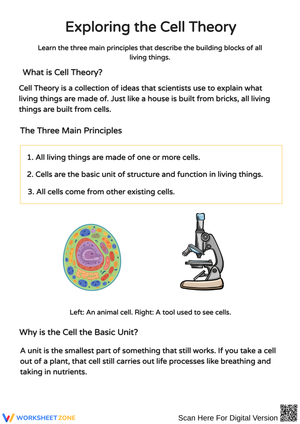
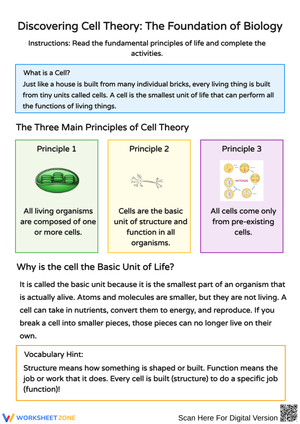
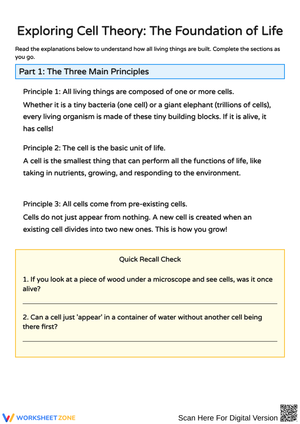
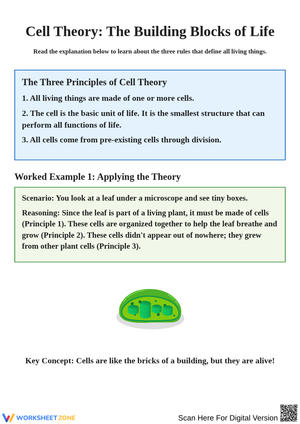
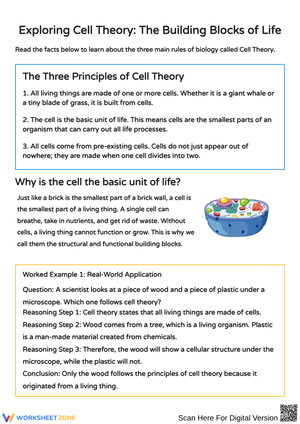
For Grade 6 students, grasping basic cell theory is the first major step toward understanding complex biological processes. According to the framework outlined in NGSS MS-LS1 From Molecules to Organisms: Structures and Processes, students must understand that all living things are made of cells, which may be either unicellular or multicellular. Worksheets focusing on this specific concept often include reading comprehension passages explaining the history of the microscope and the early scientists who first observed cells. This historical context helps students appreciate the scientific progress that led to our current understanding of cellular biology.
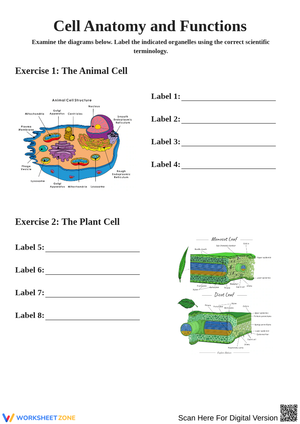
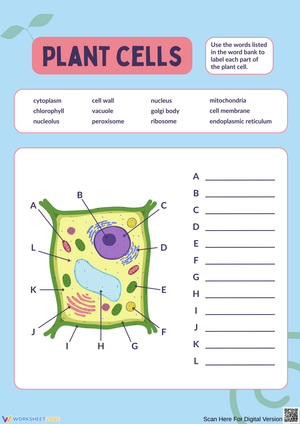
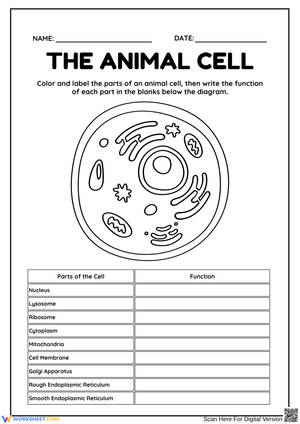
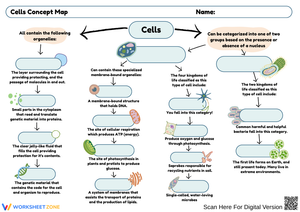
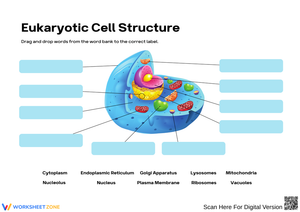
Another essential component of NGSS MS-LS1 From Molecules to Organisms: Structures and Processes requires students to develop and use models to describe the function of a cell as a whole and how its individual parts contribute to that overall function. Cells PDF worksheets for 6th grade frequently feature diagramming activities where students must identify and explain the specific roles of various organelles. By engaging directly with these two-dimensional models, students learn that a cell is a highly dynamic system where each part has a specific job to perform.
Exploring Plant and Animal Cell Organelles
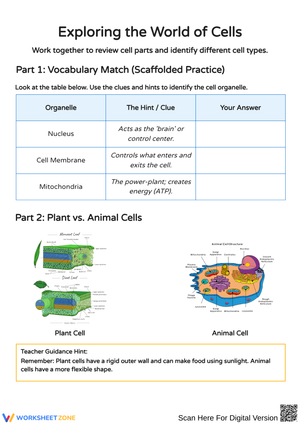
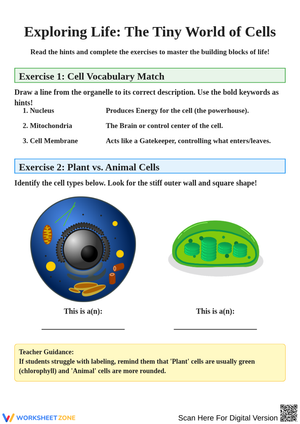
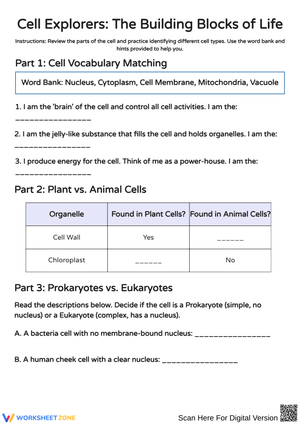
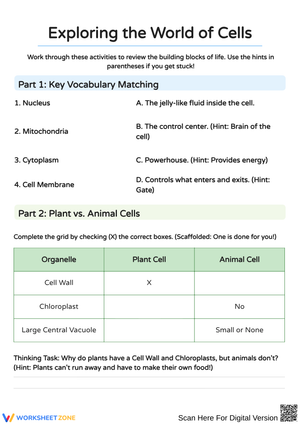
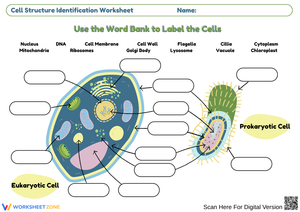
One of the primary learning objectives in Grade 6 biology is accurately distinguishing between plant and animal cells. While they share many similarities, the distinct differences are vital for understanding how different life forms survive and maintain their structure. Worksheets typically provide side-by-side visual comparisons, asking students to identify structures unique to plants, such as the rigid cell wall and the chlorophyll-containing chloroplasts. These direct visual comparisons are highly effective tools for helping students memorize the distinct characteristics of each cell type.
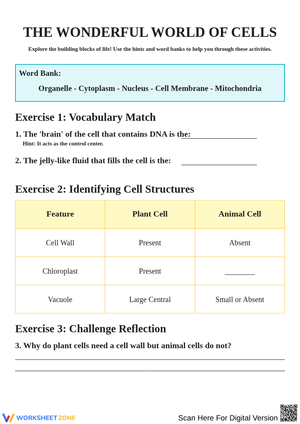
The organelles commonly covered at this middle school level include the nucleus, mitochondria, ribosomes, vacuoles, and the cell membrane. Each of these microscopic structures plays a specific, necessary role in maintaining the cell's overall health and function. For instance, the nucleus acts as the central control center directing activities, while the mitochondria provide the energy needed for cellular processes. Using matching worksheets where students connect the organelle name directly to its function is a proven method for reinforcing these definitions. This repetitive practice is essential for mastery before the class moves on to more complex biological topics.
The Importance of Visual Learning in Science
Science education in Grade 6 relies heavily on visual literacy and spatial reasoning. Since cells are far too small to be seen with the naked eye, students must depend entirely on diagrams, illustrations, and microscopic images to understand their structure. High-quality PDF worksheets provide clear, high-contrast illustrations that make it significantly easier for students to see the boundaries of organelles and understand their relative sizes. Labeling a diagram requires students to understand the spatial relationships between different parts of the cell and how they interact with one another.
Furthermore, these printable resources allow for coloring activities, which can serve as a highly effective mnemonic device for middle schoolers. When a student colors the mitochondria red to represent energy and the chloroplasts green to represent chlorophyll, they are creating a strong visual association that helps them recall the function and location of these parts during formal assessments. This tactile engagement with the material is particularly beneficial for diverse learners who may struggle with text-heavy textbooks.
Frequently Asked Questions
1. What are the main organelles Grade 6 students should know?
In Grade 6, students are typically expected to identify and describe the functions of the nucleus, cell membrane, cytoplasm, mitochondria, vacuoles, and ribosomes. For plant cells, they must also understand the specific roles of the cell wall and chloroplasts. These structures form the foundational basis of middle school life science requirements.
2. How do these worksheets support science standards?
These worksheets are specifically designed to support the concepts outlined in NGSS MS-LS1 From Molecules to Organisms: Structures and Processes. They help students understand that all living things are made of cells and provide a clear framework for modeling how different organelles work together to support the life of the cell.
3. Can these PDF worksheets be used for remote or hybrid learning?
Yes, PDF worksheets are highly versatile and adaptable. They can be printed for traditional in-person classroom use or uploaded to a digital learning management system for students to view and complete on their devices. Many digital tools also allow students to annotate or draw directly on the PDF files.
4. Are there specific activities for comparing plant and animal cells?
Most cells PDF worksheets for 6th grade include Venn diagrams or T-charts specifically designed for comparing and contrasting plant and animal cells. These analytical activities prompt students to list shared organelles in the center and unique structures on the sides, reinforcing the differences between the two cell types.
5. How can I use these worksheets to prepare for a microscope lab?
Before students look through a microscope, use a detailed labeling worksheet to familiarize them with what they should be looking for. If they have already practiced identifying a nucleus on paper, they will be much more successful at finding it in an actual onion cell or a cheek cell slide during the lab.












 Interactive Worksheet Maker
 Quiz Maker
 Word Search Maker
 Crossword Puzzle Maker
 Word Scramble Generator
 Sentence Scramble Generator
 Handwriting Worksheet Generator
 Name Tracing Generator
 Fill In The Blank Generator