Why these worksheets fit Grade 6 reading work
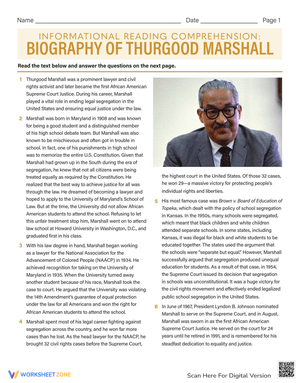
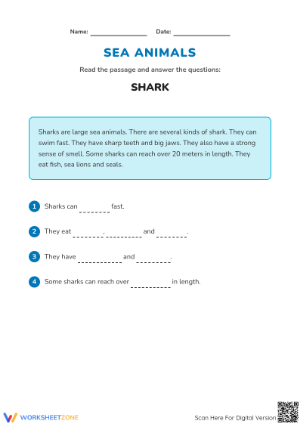
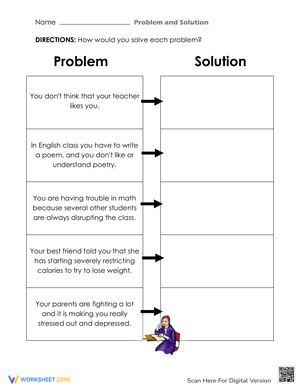
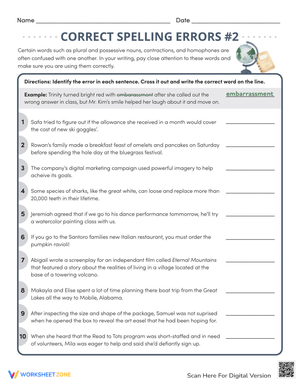
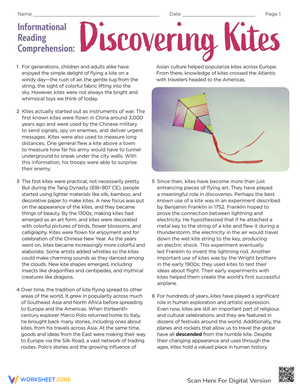
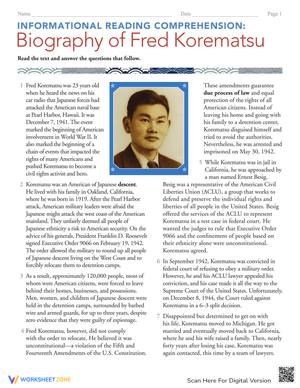
Worksheetzone’s 6th grade reading fill in the blank printable worksheets are built for a very specific classroom need: fast, focused reading practice that still feels aligned to Grade 6 expectations. At this level, students are moving beyond simple recall. They’re expected to explain what a text says, track central ideas or themes, and interpret words and phrases from context. A fill-in-the-blank format gives teachers a direct way to check those moves without turning every lesson into a long written response.
That matters in real planning. A teacher may need a 10-minute opener before a close reading lesson, a short reteach task for a small group, or a printable page for homework that keeps students working with text evidence. In each of those cases, a concise worksheet can do the job. Instead of asking students to write a full paragraph every time, the format narrows the task, reduces hesitation, and makes it easier to see whether students understood the passage, the question, and the academic language around it.
What skills the worksheets can reinforce
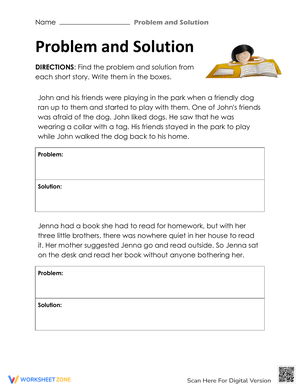
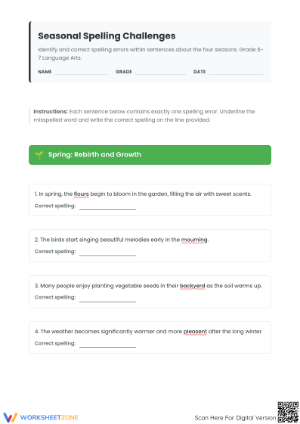
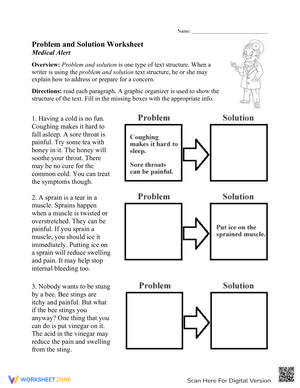
Strong Grade 6 reading practice should cover more than one strand, and that is where these worksheets are useful. Teachers can use them to reinforce comprehension, vocabulary in context, text structure, main idea, theme, and evidence-based responses. Because the blanks are embedded in sentences or short response frames, students have to supply precise language rather than rely on broad guesses.
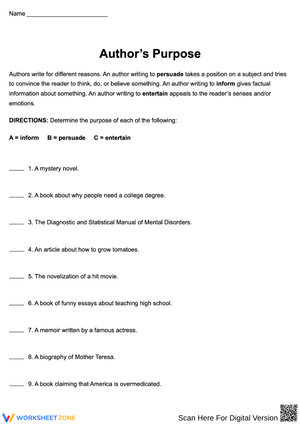
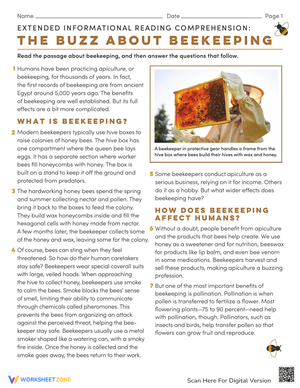
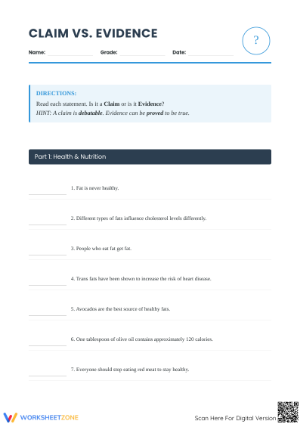
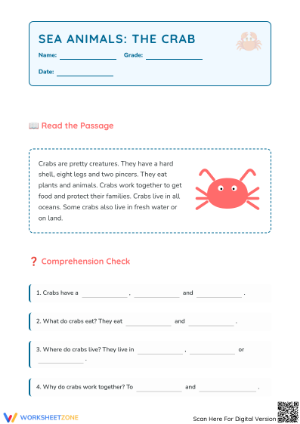
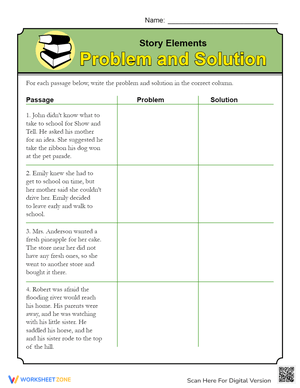
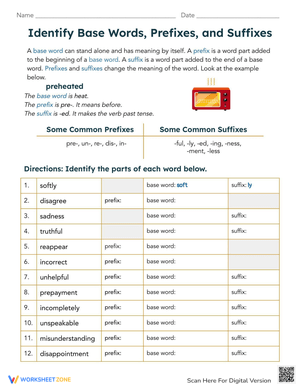
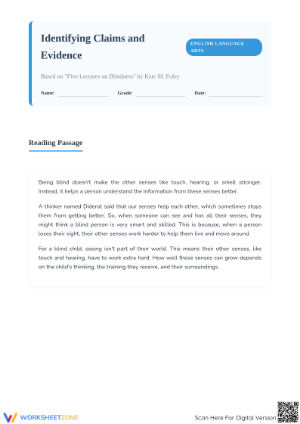
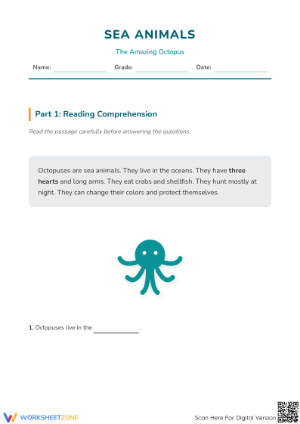
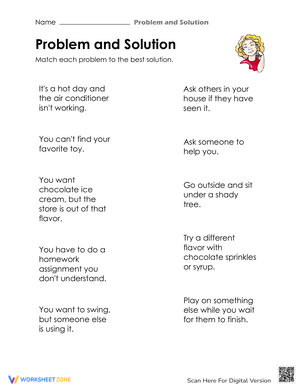
In practice, that means a worksheet might ask students to complete a statement about the central idea of an informational passage, choose a context clue that supports the meaning of an unfamiliar word, or finish a sentence that cites a detail from literature. Those are manageable actions, but they still point toward the larger Grade 6 reading goals teachers are responsible for all year.
A useful advantage of the format is diagnostic clarity. When a student misses a blank, the error usually tells the teacher whether the problem was vocabulary, inference, attention to textual detail, or misunderstanding of the prompt itself. That makes these pages especially effective for intervention groups, because the next teaching move is easier to identify from a short set of answers than from a longer response with mixed errors.
Why fill-in-the-blank practice works for review and intervention
Not every reading task needs to be open ended. In sixth grade, students benefit from frequent practice that isolates one thinking step at a time. Fill-in-the-blank worksheets do that well because they hold the structure steady while shifting the reading demand. Teachers can assign one page for citing evidence, another for determining word meaning, and another for distinguishing a topic from a central idea. Students get repeated exposure without feeling like they are completing the same task over and over.
For intervention, the format also lowers the writing load. A student who struggles to organize a paragraph may still be able to identify the right evidence or complete a claim accurately. That separation matters. It lets teachers see reading comprehension more clearly instead of blending reading difficulty with writing stamina, spelling, or sentence construction.
Citation capsule: The source titled English Language Arts Standards » Reading: Informational Text » Grade 6 highlights Grade 6 work such as citing textual evidence, determining central ideas, and interpreting words in context. Those three expectations make fill-in-the-blank review useful because one printable can target 3 distinct reading moves in a short lesson.
How the worksheets support literature and informational text
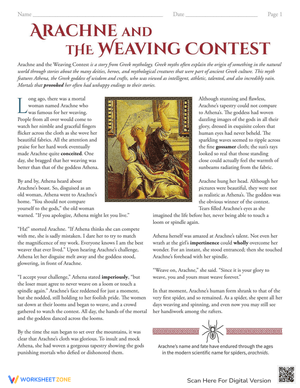
Grade 6 reading instruction usually spans both literature and informational text, so printable practice should reflect that range. Worksheetzone’s placement within Grade 6 Reading means teachers can use these pages across stories, articles, essays, and mixed-genre review sets. That helps classrooms avoid a narrow routine where students only practice one type of passage before an assessment.
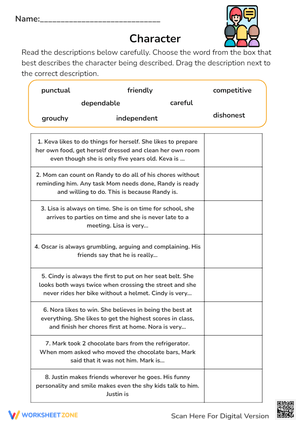
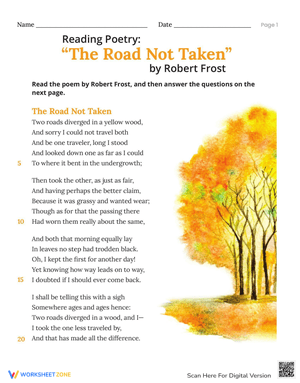
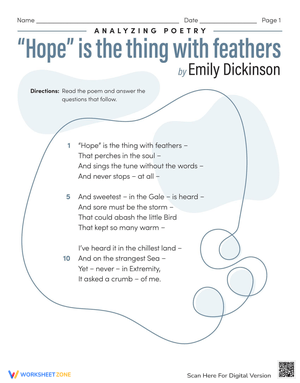
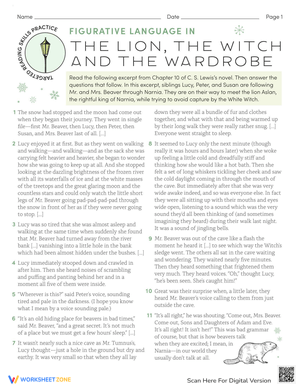
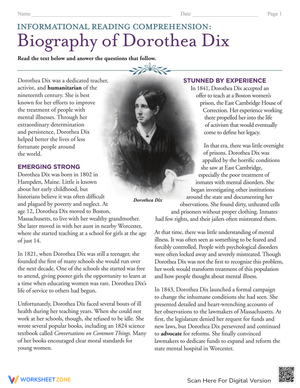
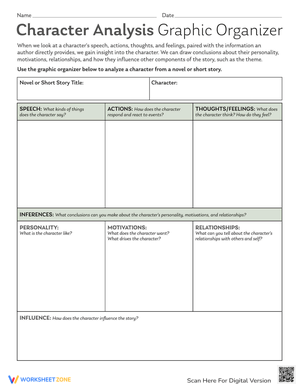
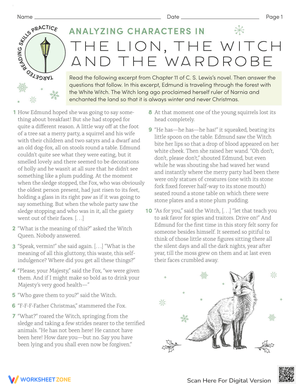
For literature, fill-in-the-blank items can direct attention to theme, character response, setting details, or how a line of dialogue shapes meaning. For informational text, the same format can target central idea, supporting details, domain vocabulary, author point of view, or the relationship between ideas. The structure stays familiar for students, but the content shifts to match what teachers are teaching that week.
The source titled English Language Arts Standards » Reading: Literature » Grade 6 supports this balance by emphasizing evidence, theme, and interpretation of language in literary texts, while the Grade 6 informational source points to central ideas and context-based meaning in nonfiction. Used together, those sources justify a worksheet set that moves between literary and informational reading instead of treating them as separate worlds.
Classroom Implementation
These worksheets are flexible because they fit several parts of the instructional cycle. In whole-group lessons, teachers can use one as a brief warm-up before discussing a passage. In centers, a printable page can become an independent station that reinforces the same skill students practiced with teacher support earlier in the week. For homework, the format is compact enough to send home without creating a heavy grading burden.
- Use a single worksheet as a bell-ringer when students need quick review before reading discussion.
- Assign matched pages to small groups so one group works on vocabulary in context while another practices text evidence.
- Add a worksheet to test-prep folders when students need repeated, low-stakes reading practice.
- Pair a printable with a short article or excerpt to create an intervention lesson that stays narrow and measurable.
Teachers can also differentiate by controlling the amount of support. Some students may complete a page independently, while others benefit from partner talk first or teacher-modeled examples on the document camera. Because the response format is short, it is easy to adjust pacing, chunk the task into halves, or review errors immediately after completion.
What to look for in a strong Grade 6 printable
Not all fill-in-the-blank pages are equally useful. In Grade 6, the best reading printables ask for meaning, not random word insertion. Teachers should look for tasks that require students to return to the passage, use evidence, and select academic language that actually fits the idea being tested. A worksheet is more valuable when the blank cannot be completed correctly without understanding the text.
It also helps when the practice stays grade-appropriate. Sixth graders need content that respects their level, with prompts that stretch them toward citing evidence, identifying themes or central ideas, and interpreting words and phrases in context. A page that is too simple may be fast to assign, but it will not give teachers much information about whether students are ready for class discussion, unit assessments, or spiral review.
The Worksheetzone Grade 6 fill-in-the-blanks collection is also practical because it sits inside a clear taxonomy. Teachers searching within Grade 6, English Language Arts, and Reading can narrow quickly to the kind of printable they need, including genre-specific reading pages when a lesson calls for more focused practice.
Why teachers keep this format in rotation
Teachers rarely need one worksheet for one isolated lesson. More often, they need a format they can return to across units without rebuilding materials from scratch. That is why 6th grade reading fill in the blank printable worksheets stay useful over time. They work for launch tasks, reteach sessions, exit checks, substitute plans, and short homework packets. The same structure supports different passages and different standards-aligned goals.
They also make review more efficient. A teacher can scan responses quickly, identify patterns, and decide whether the class is ready to move forward. If several students miss blanks tied to context clues or evidence, the next mini-lesson becomes obvious. If most students succeed, the teacher can shift from supported practice to a more independent reading task.
For busy classrooms, that balance matters. The format is simple enough to manage, but it still gives meaningful information about how students are reading. That combination makes it a dependable choice for Grade 6 teams, intervention blocks, and any setting where reading practice needs to be printable, focused, and easy to use.
Frequently Asked Questions
1. What skills do 6th grade reading fill-in-the-blank worksheets practice?
They commonly reinforce comprehension, vocabulary in context, central idea or theme, text structure, and citing evidence from both literary and informational texts.
2. Are these worksheets printable for classroom and homework use?
Yes. The format is well suited to classwork, centers, homework folders, substitute plans, and quick review because students can complete a focused task on paper without extra setup.
3. How can teachers use fill-in-the-blank reading sheets for intervention or review?
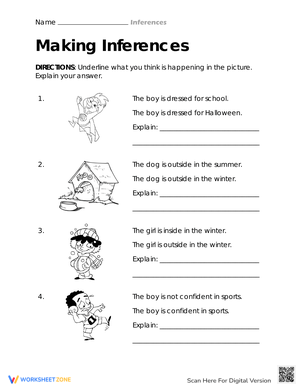
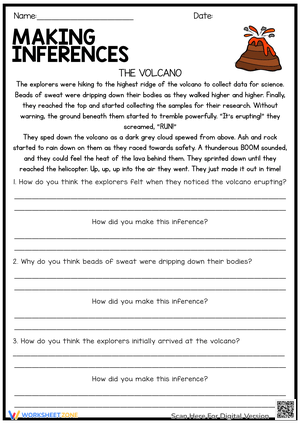
Teachers can assign short pages to target one reading skill at a time, then use student errors to decide whether the next step should be reteaching vocabulary, evidence, inference, or main idea.
4. Do the worksheets support both literature and informational text skills?
Yes. Grade 6 reading instruction usually includes both, and the worksheet format can be used to practice theme and character thinking in literature as well as central idea and supporting detail work in informational text.