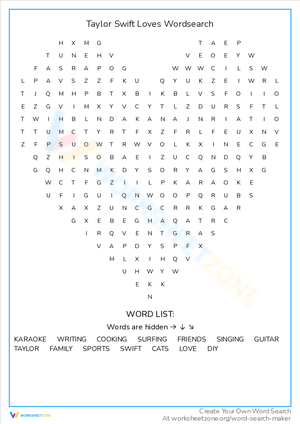
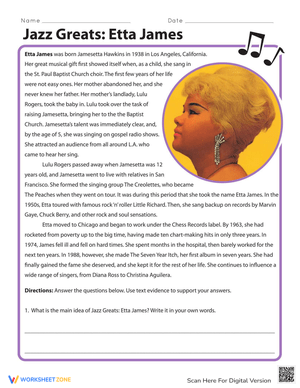
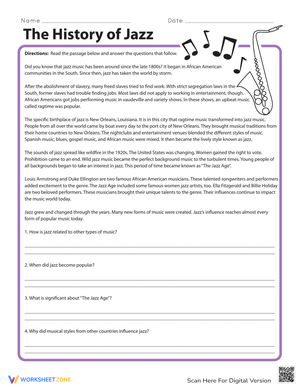
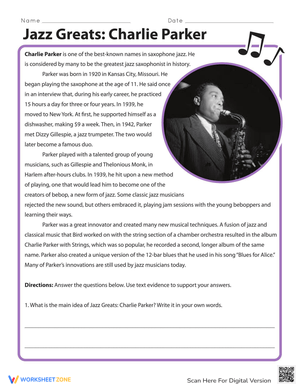
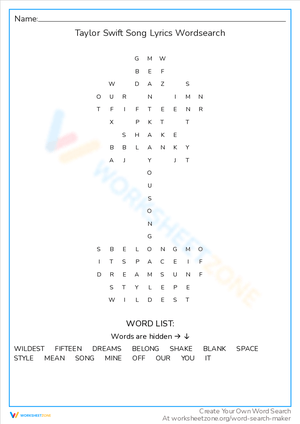
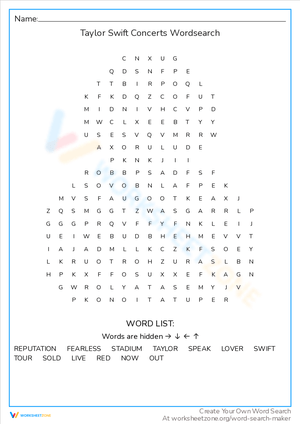
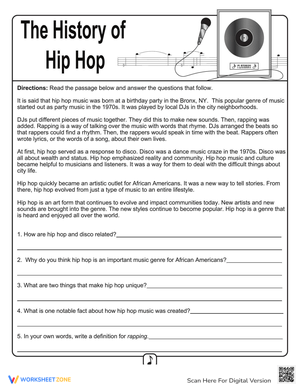
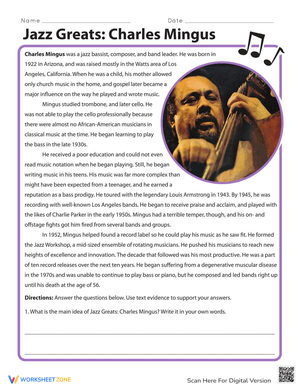
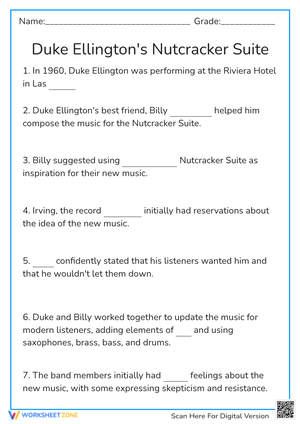
These music pdf worksheets for 5th grade give classroom teachers and music specialists a printable set covering the rhythmic, notational, and vocabulary work fifth graders tackle independently after guided instruction. The resources span enough content to support lesson closers, center rotations, and substitute plans without adding prep time before class.
What Each Worksheet Covers
Fifth grade is a transitional point in music literacy. Students at this level can read directions, decode multi-step tasks, and write short explanations — which makes written music work productive in a way it simply is not in second or third grade. The set addresses six skill areas:
- Rhythm reading and analysis — identifying, comparing, and completing rhythmic patterns after students have clapped or spoken them aloud
- Notation and pitch recognition — naming notes on the treble or bass clef, matching symbols to terms, tracking pitch direction across a short phrase
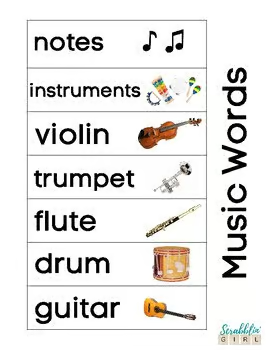
- Music vocabulary in context — applying terms for tempo, dynamics, form, and instrument families rather than memorizing definitions in isolation
- Listening response — recording observations after a short excerpt and identifying musical elements with brief written evidence
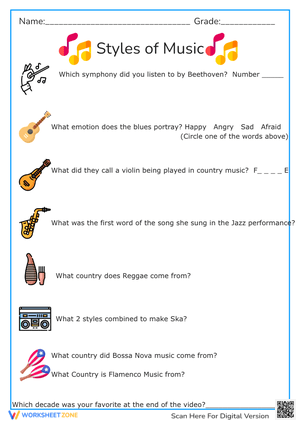
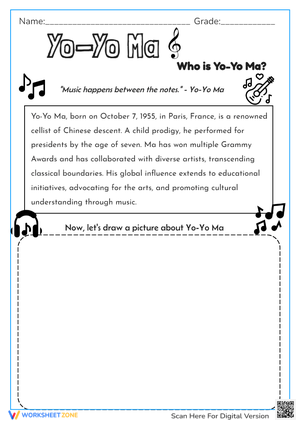
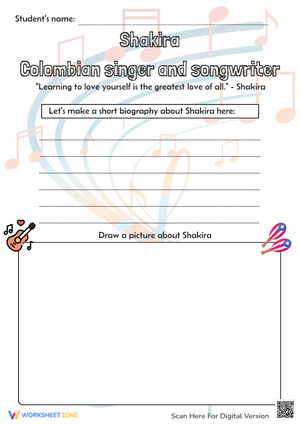
- Composer, genre, and cultural connections — short reading-response tasks that ask students to link what they hear to historical or cultural context
- Melody and structural thinking — recognizing phrase relationships, repetition and contrast, and basic formal patterns
Each worksheet stays focused on one central objective, sometimes with a short extension for students who move quickly. That single-focus design keeps the task from becoming a reading comprehension test when the real goal is checking musical understanding.
Where These Worksheets Fit in a Typical Music Block
In a 35-minute block — common in upper elementary music — a reliable sequence runs like this: a 4-minute written opener, 20 minutes of active music making, and a 6 to 8 minute written close. That timing keeps performance and listening at the center while still producing written evidence teachers can scan for trends before the next class. Using the same worksheet as both opener and closer is an efficient move — students can see how their thinking shifted after the active portion of the lesson.
Teachers who pull from a set of music pdf worksheets for 5th grade that already matches their current unit can launch a task in under a minute, which matters when blocks are short or a transition runs long. For center rotations, place the written practice station next to an anchor chart or reference card already posted in the room so students do not stall on vocabulary recall mid-task. Homework worksheets travel better when they do not rely on audio students may not be able to replay at home — rhythm analysis and vocabulary tasks are more independent than listening-response work. For substitute plans, rhythm decoding and notation labeling give students a clear path because answers are visible on the worksheet and students can self-check.
Student Errors That Surface in the Written Work
The error that appears most consistently in 5th grade music written work is dynamics vocabulary confusion. Students who have been told "piano means soft" will correctly circle p on a notation worksheet — but on an open-response question, many will write "play piano" or "play it quiet on the piano," collapsing the vocabulary term with the instrument name they have used since kindergarten. A task that asks students to use piano in a sentence explaining a conductor's marking surfaces that confusion more reliably than a multiple-choice item will.
Time signature is the other persistent trouble spot. Fifth graders typically know that the top number counts beats in a measure, but many cannot explain what the bottom number represents. This shows up in written work as students completing rhythm tasks confidently in 4/4 and then freezing when shown a measure in 3/8. The confusion is conceptual, not computational — they have memorized a procedure for one time signature without building a transferable understanding of how the notation system actually works.
Standard Alignment
These resources align to the National Core Arts Standards for Music at the fifth-grade level, particularly MU:Re7.1.5 (analyzing how musical elements support a composer's expressive intent), MU:Pr4.2.5 (analyzing and interpreting notation to inform performance decisions), and MU:Cn10.0.5 (connecting musical works to personal experience, culture, and historical context). In practice, rhythm and notation worksheets map most directly to the Performing and Responding strands, while composer and listening-response tasks carry work into Connecting. Teachers organizing music pdf worksheets for 5th grade within a unit sequence can use those strand labels as a quick sorting frame — Responding tasks typically anchor the early lessons, Connecting tasks appear later, and Performing tasks thread through the middle.
Using the Same Worksheet Across Different Readiness Levels
The most efficient adjustment is not printing separate versions for different groups — it is changing what students do after finishing the main task. Students who complete a notation worksheet early can extend their thinking by writing an explanation of why a composer might choose a particular dynamic marking, or by comparing two rhythmic phrases using the vocabulary already on the worksheet. That keeps the same resource in use across the whole class without creating extra prep.
For students who need more support, pairing a vocabulary-heavy worksheet with a word bank or posted anchor chart reduces retrieval demands without changing the nature of the task. Students still apply the vocabulary; they just are not pulling it entirely from memory. For small-group instruction, working through the first section together before releasing students to finish independently surfaces exactly where understanding breaks down — which gives a clearer diagnostic picture than the completed worksheet alone.
Frequently Asked Questions
How long does each worksheet take to complete?
Most worksheets fit into 8 to 15 minutes for typical fifth graders. Listening-response worksheets run longer when teachers include replay time. Notation and vocabulary tasks generally land in the 8 to 10 minute range, which makes them usable as bell ringers, exit tickets, or one station in a rotation without dominating the block.
Do these work in a general classroom setting or only with a music specialist?
Both. Music specialists use them after group instruction for independent practice. General classroom teachers covering short music units find the directions self-explanatory enough to use without deep theory background. The tasks assume prior exposure to the concepts, so they reinforce learning rather than introduce it for the first time.
Are these worksheets appropriate for students with limited prior music instruction?
Music pdf worksheets for 5th grade in this set assume students have worked with basic notation, rhythm values, and common vocabulary in class. Students arriving with significant gaps do better starting with the listening-response and vocabulary worksheets, which rely more on observational language than on prior notation knowledge. Rhythm and notation tasks need more classroom preparation for students working from a limited background.
Can students complete these digitally?
The resources download as PDFs that print cleanly on standard letter-size paper. Most PDF viewers support basic annotation tools, so students can type or draw responses directly on the file when the classroom uses devices. Printed copies include enough writing space for fifth-grade handwriting without crowding the layout.












 Interactive Worksheet Maker
 Quiz Maker
 Word Search Maker
 Crossword Puzzle Maker
 Word Scramble Generator
 Sentence Scramble Generator
 Handwriting Worksheet Generator
 Name Tracing Generator
 Fill In The Blank Generator