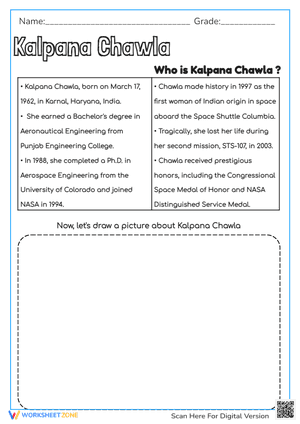
These 5th grade informational text printable worksheets give teachers ready-to-use nonfiction practice that moves well past recall — students quote from the text, trace how an author builds an argument, and explain how two passages on the same topic handle the same idea differently. The set covers the full span of Grade 5 informational reading demands, from identifying multiple main ideas to analyzing evidence and comparing text structures, using passages tied to science and social studies so the work connects to what students are already studying.
The Reading Moves These Worksheets Target
Grade 5 is the year informational reading expectations shift noticeably. Students are no longer just locating information — they are expected to explain relationships among ideas, distinguish an author's point from the evidence used to support it, and compare how two texts address the same topic. Each worksheet is built around one of these moves so teachers can match the practice to exactly where students are in their work with a given standard.
The skills covered across the set include:
- identifying the main idea of a full text and of individual sections, then explaining what details support each
- writing summaries that capture the author's central points without lifting sentences directly from the passage
- quoting accurately from the text to support an answer
- explaining how an author uses reasons and evidence to build a case
- recognizing text structures — chronology, cause and effect, problem and solution, compare/contrast — and explaining how structure shapes meaning
- interpreting text features such as headings, captions, and diagrams as reading tools rather than decorations
- comparing how two nonfiction sources treat the same topic or question
- using context clues to determine the meaning of domain-specific vocabulary
Vocabulary in context is worth naming specifically because it gets dropped from nonfiction practice sets more often than it should. When a fifth grader misreads a word like erosion or legislature, the comprehension breakdown that follows can look like a reading problem when it is actually a vocabulary gap. Each worksheet keeps domain words visible throughout the passage and question set so that gap surfaces before it compounds.
Frequent Student Errors Worth Anticipating Before the Lesson
The most common problem in fifth grade nonfiction work is not that students misread the text — it is that they answer from background knowledge instead of returning to it. A student who already knows something about volcanoes will write a confident-sounding answer that has almost no connection to what the specific passage says. Text-dependent questions close that loop by requiring students to identify where in the passage the answer comes from, not just what the answer is.
Two other patterns appear regularly in student work. Summaries tend to land in one of two failure modes: wholesale sentence copying, or such heavy compression that the main idea disappears. A sound summary captures the author's argument in the student's own words with at least one supporting idea included. Separately, students can often name a text structure correctly — "it's cause and effect" — without being able to explain what the effect was or how the author signaled the relationship. Questions that ask students to mark signal words and then explain the relationship in writing make that confusion visible immediately, rather than leaving it hidden under a correct label.
There is also a subtler error specific to multiple-main-idea questions. Students drilled on single-main-idea work will identify the most prominent idea in the text and write confidently about that one, missing a second main idea in a separate section entirely. The fix is questions that ask about section-level ideas explicitly — not only about the text as a whole — because that is the only way to verify the student is actually reading structurally.
Standard Alignment
The worksheets align to the Common Core State Standards for Reading Informational Text at Grade 5: RI.5.1 (quoting accurately and explaining what the text says explicitly versus what it implies), RI.5.2 (determining two or more main ideas and summarizing how they are supported by key details), RI.5.3 (explaining relationships among concepts, events, or scientific ideas), RI.5.5 (comparing the overall structure of two or more texts), RI.5.6 (analyzing multiple accounts of the same event or topic), RI.5.8 (explaining how an author uses reasons and evidence to support points), and RI.5.9 (integrating information from two texts on the same topic).
In practice, these standards fall into two instructional phases most Grade 5 teams recognize. RI.5.1 through RI.5.3 anchor early-year nonfiction instruction, when teachers are establishing the habit of returning to the text and distinguishing central ideas from supporting details. RI.5.5 through RI.5.9 build on that groundwork, adding structural analysis, author reasoning, and cross-text comparison. The worksheets cover both phases, so teachers have resources that fit at the start of a unit and others that fit as the work grows more complex.
How to Work These Worksheets Into Your Lesson-Planning Week
The most reliable structure is a nonfiction rotation across the week. Monday's reading block might open with one worksheet targeting main idea and text evidence — used first as a group read-aloud before students complete the questions independently. By midweek, small-group time can use a different worksheet to address the specific error patterns that Monday's work revealed. Friday's review slot handles cross-text comparison well, because students bring a full week of content knowledge to the reading rather than starting cold.
Intervention periods work best with a narrower target. Rather than assigning a full set at once, pull one worksheet tied to a single skill — quoting accurately, or tracing one cause-and-effect relationship — and work through the questions with the student out loud. Hearing reasoning in real time reveals whether the confusion is about the standard itself or about the passage vocabulary, which are two different problems with two different next steps.
Other uses that fit the format naturally:
- bell-ringer reviews before a science or social studies lesson — one passage, two questions, about eight minutes
- literacy stations where students complete a passage and short response independently while the teacher pulls a small group
- homework that previews or reinforces a current content unit
- sub-day plans with built-in directions and no teacher setup required
- pre-assessments before a nonfiction reading unit to identify where students are starting
Teachers who build 5th grade informational text printable worksheets into their exit-ticket routine — one paragraph excerpt, one evidence question — get clear formative data on who is ready to move forward before the next day's lesson begins.
Differentiating the Set Across Readiness Levels
The most practical adjustment is varying the question type rather than replacing the passage entirely. A student still working on literal comprehension benefits from questions that sequence toward evidence: first identify the detail, then explain what it tells us about the author's point. A student who handles those moves comfortably should be pushed toward comparison questions — explaining how two passages organize the same information differently, or evaluating which author builds a stronger case and why.
For students who need more support with academic language, text features questions are a strong entry point. Asking a student to explain what a diagram or heading adds — and how it changes their understanding of the surrounding paragraph — builds the reading-as-navigation habit without the same written explanation load that a full text-evidence question demands. That is not a lesser task; it is a different entry into the same analytical skill.
Students working above grade level can extend any worksheet by adding a written synthesis requirement: rather than selecting and citing evidence from one passage, they write a short analytical paragraph connecting what two related worksheets on the same topic reveal about a larger idea. That keeps the format familiar while raising the cognitive demand considerably.
Frequently Asked Questions
Do these worksheets include answer keys?
Yes. Each worksheet comes with a teacher answer key that includes sample responses for open-ended questions. For evidence-based answers, the key notes which paragraph or section the textual support should come from, which makes targeted feedback easier to give than a simple right/wrong mark.
What passage lengths and reading levels does the set use?
Passages are written at Grade 5 complexity — domain-specific vocabulary, multi-paragraph structure, and at least one text feature. Length varies by skill focus. Text-structure and evidence questions use longer passages because the relevant features need space to appear naturally, while vocabulary-in-context and text-feature worksheets sometimes use shorter, denser excerpts. No passage is simplified below grade level, though the question format on some worksheets provides additional sentence-level structure for students who need a more supported entry into a task.
How do these resources prepare students for state reading assessments?
Using 5th grade informational text printable worksheets in the weeks before a benchmark gives students repeated exposure to the question formats that appear on most state assessments at this grade — selected response, short constructed response requiring textual evidence, and brief analytical questions about structure or author reasoning. The most effective approach is low-stakes practice spread across a unit rather than a concentrated push in the final week. Familiarity with the question type removes one layer of cognitive load on test day, letting students focus on the actual reading rather than figuring out what the question is asking them to do.
Can teachers use these worksheets across subject areas?
The nonfiction passages draw from science, social studies, and technical topics at the fifth grade level — ecosystems, weather, early American history, government structures, inventions, and explanatory procedures. A science teacher can use a relevant worksheet during a reading integration block; an ELA teacher can use a science or history passage to give students practice with content-area vocabulary and text features in a familiar reading format. The 5th grade informational text printable worksheets in this set are sorted by both topic and skill, so teams can find a specific fit without reading every passage description first.















 Interactive Worksheet Maker
 Quiz Maker
 Word Search Maker
 Crossword Puzzle Maker
 Word Scramble Generator
 Sentence Scramble Generator
 Handwriting Worksheet Generator
 Name Tracing Generator
 Fill In The Blank Generator