Why teachers choose printable matching practice for Grade 4 reading
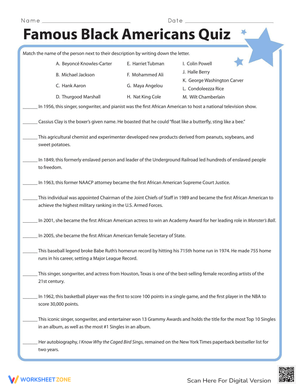
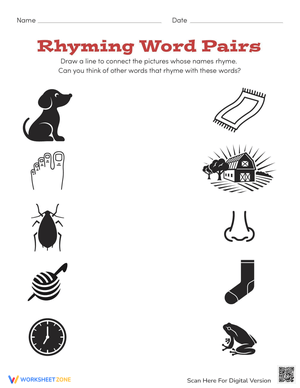
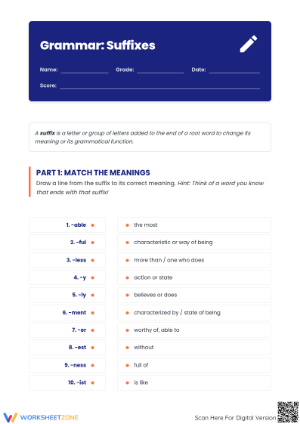
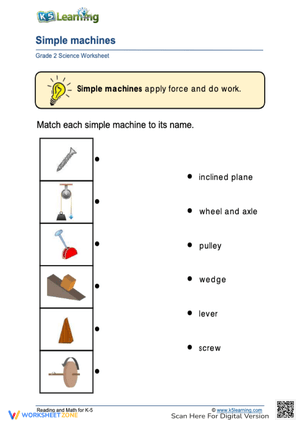
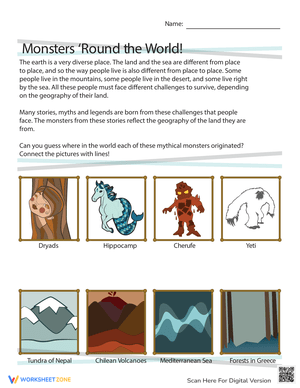
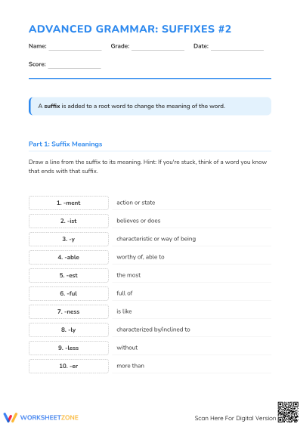
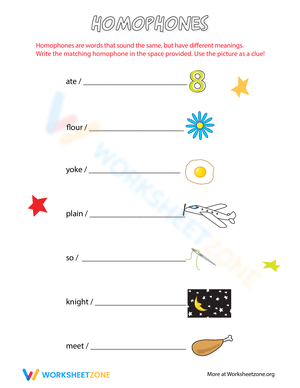
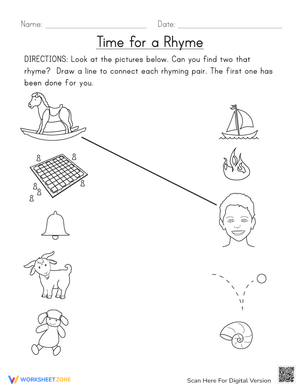
The Worksheetzone collection for 4th grade reading matching worksheets printable gives teachers a fast way to add focused literacy practice without building a new activity from scratch. On a busy planning week, matching sets work well for morning work, station rotations, homework, intervention folders, and substitute plans because the directions are familiar and the response format is short.
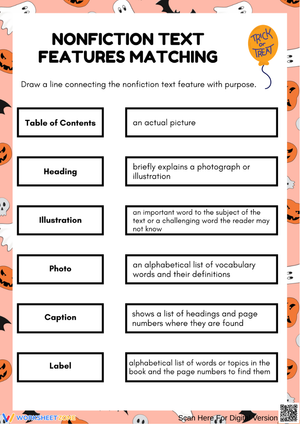
That simple format does not mean low-level work. In Grade 4 reading, students are expected to use details and examples from a text, describe characters and events with precision, and explain ideas with support from the passage. Matching tasks let teachers narrow the target skill, whether that is pairing a word with its context meaning, a character trait with evidence, a main idea with supporting detail, or a text feature with its purpose.
Which reading skills do these worksheets usually target?
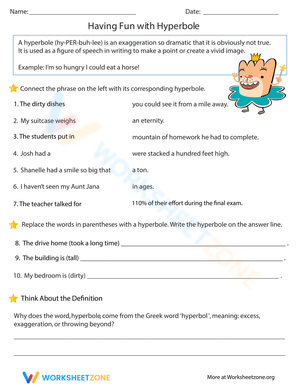
Strong 4th grade reading matching worksheets printable sets usually focus on one or two reading moves at a time. That makes them practical for quick checks and easier to group by need. In Grade 4 classrooms, matching activities often reinforce vocabulary and comprehension without requiring a long written response from every student.
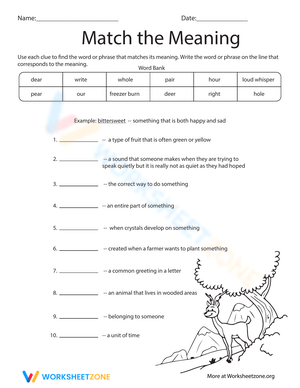
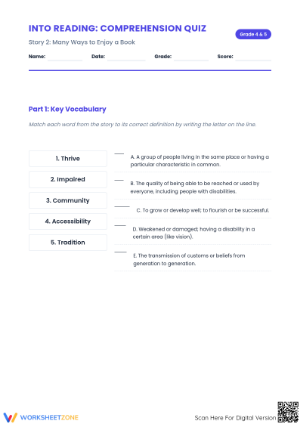
- Vocabulary in context: Students match words, phrases, or domain-specific language to meanings supported by sentence clues.
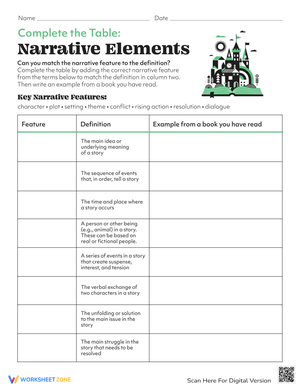
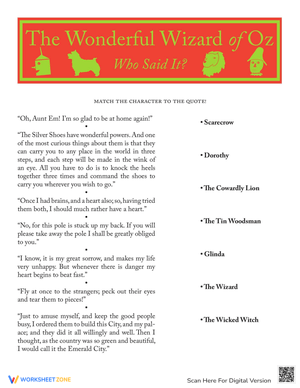
- Character and story elements: Students connect characters, settings, problems, and events to details from literary text.
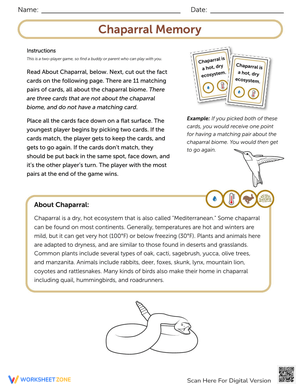
- Main idea and supporting details: Students pair a central idea with the detail that best proves it.
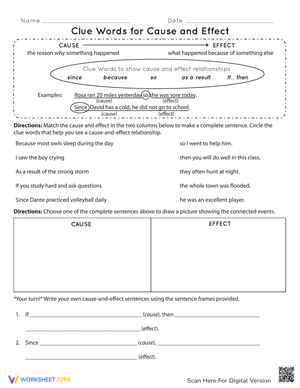
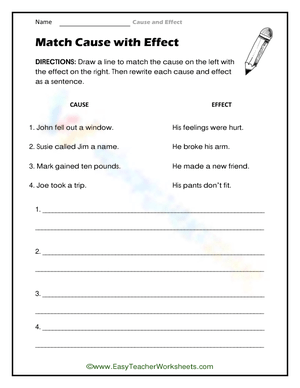
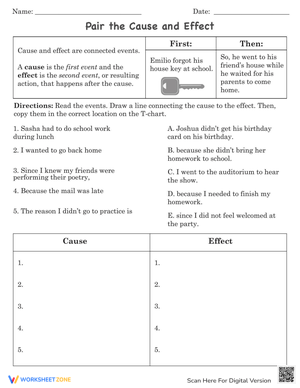
- Cause and effect: Students match actions or events with likely results or reasons.
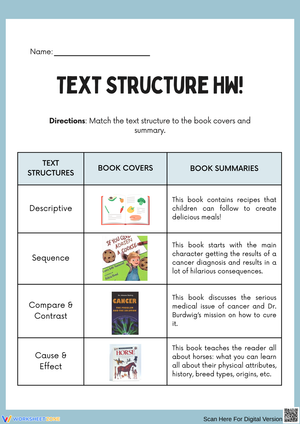
- Text features and structure: Students identify how headings, captions, diagrams, or sections help a reader understand information.
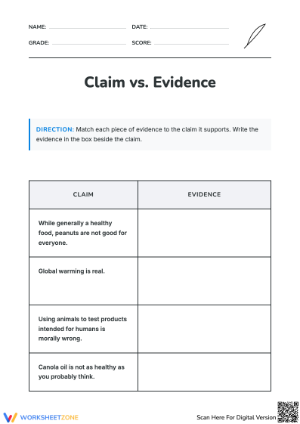
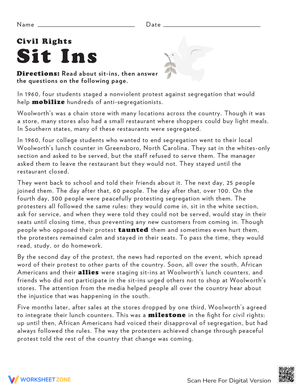
- Evidence-based comprehension: Students connect claims, inferences, or answers to the detail that supports them.
Because the format is compact, teachers can use one page to isolate a weak skill before moving students into a longer passage task. That is especially helpful when a class needs review on text evidence but does not need another full comprehension packet. It also helps curriculum teams map which subskills should appear in intervention bins, benchmark prep, and weekly spiral review.
Why the matching format works for close reading
Matching worksheets reduce output demands while keeping the thinking anchored to the text. Students still have to compare choices, eliminate distractors, and justify why one detail fits better than another. For many Grade 4 readers, that balance matters: the worksheet can measure understanding of the passage without turning handwriting stamina into the hidden barrier.
Teachers also get cleaner data. If a student consistently mismatches vocabulary, evidence, or text features, the pattern shows up quickly. That makes printable matching activities useful for same-day regrouping, reteach decisions, or selecting the next mini-lesson. Instead of scoring long constructed responses, a teacher can see within minutes whether students are reading closely enough to connect ideas accurately.
Another advantage is pacing. A teacher can place a matching page before, during, or after a longer reading block and still protect time for read-alouds, discussion, and writing. That flexibility makes the format practical across core instruction, intervention periods, and test-prep windows.
How these worksheets align with Grade 4 reading expectations
These activities fit naturally with Grade 4 reading goals because they ask students to tie answers to details rather than guess from general background knowledge. In literature, students may match characters, settings, events, or themes to the line of thinking that best describes them. In informational reading, they may pair an idea with the fact, reason, or piece of evidence that supports it.
Citation capsule: The English Language Arts Standards and the Common Core State Standards for English Language Arts PDF both emphasize Grade 4 reading work that depends on details, examples, and supported explanations. That makes matching formats useful when teachers want a short task that still checks whether students can connect an answer to evidence in the text.
This matters for planning because a matching page can serve as a bridge between oral discussion and written analysis. After students complete the page, teachers can ask them to defend two or three matches aloud or in a short notebook response. The worksheet then becomes more than isolated practice; it becomes a structured step toward stronger text-based explanation.
Classroom Implementation
Printable sets are easiest to use when the task is tight and the grouping purpose is clear. A full-class lesson might begin with a short shared text, move into independent matching, and end with a review of the evidence that made each pair correct. In small groups, the same page can become guided practice, with the teacher prompting students to explain how they ruled out distractors.
A useful implementation pattern is to keep each page to one reading demand and four to eight matches. That range is long enough to reveal whether a student truly understands the pattern, but short enough that errors are diagnostic instead of overwhelming. In practice, teachers often get better intervention data from one narrowly focused matching page than from a mixed-skill worksheet that blurs the source of the mistake.
- Use one page as a 10-minute warm-up before a whole-group reading lesson.
- Place differentiated sets in literacy centers so students practice one skill at an appropriate level.
- Assign a page for homework when you want reading review without a long written task.
- Keep a few printables ready for substitute plans and independent work folders.
- Follow the matching task with partner talk so students explain how the text supports each answer.
For intervention, it helps to sort pages by skill rather than by story theme. A student who struggles with cause and effect may not need extra vocabulary review, and a student who can find main idea may still need support linking evidence to an inference. Matching worksheets are most valuable when the practice set matches the exact reading move you want to strengthen.
What to look for in a strong printable worksheet set
Not every matching page is equally useful. Teachers usually get the best results from sets with clear directions, readable text, and answer choices that require actual thinking. If every match is obvious from a single keyword, the activity checks scanning more than reading.
Look for pages that keep the reading target visible. A vocabulary set should depend on sentence context, not memorized definitions alone. A character-trait page should ask students to connect a trait to an action or detail. An informational text page should require students to distinguish between a broad idea and the evidence that proves it. When the matches are precise, the worksheet becomes a reliable formative check instead of filler.
It is also worth choosing printables that can scale across uses. The best pages work as independent practice, partner review, quick assessment, or reteach material with minimal adaptation. That flexibility is one reason many teachers keep printable matching resources in rotation throughout the year. When a page can move from center work to exit ticket to homework review, it earns space in a long-term literacy toolkit.
Frequently Asked Questions
1. What skills do 4th grade reading matching worksheets usually cover?
Most sets focus on vocabulary in context, character traits, setting and events, cause and effect, main idea and details, text features, and evidence-based comprehension. The strongest pages stay narrow so teachers can see exactly which reading skill students have mastered and which one still needs reteaching.
2. Are these worksheets printable for classroom and homework use?
Yes. A 4th grade reading matching worksheets printable collection is designed for easy print-and-go use. Teachers can use the pages for centers, independent seatwork, homework, intervention folders, or substitute plans because the format is familiar and the completion time is manageable.
3. How can teachers use matching worksheets in reading centers or small groups?
In centers, teachers can assign one skill-specific page and ask students to discuss how they know each match is correct. In small groups, the worksheet works well as guided practice after a short passage read. Students complete a few matches, explain their choices, and revise answers based on text evidence rather than guessing.
4. Do matching worksheets support Common Core grade 4 reading goals?
They can, when the task asks students to rely on details and examples from a text. The source materials listed for this page, including the English Language Arts Standards and the Common Core State Standards for English Language Arts PDF, point toward Grade 4 reading work that depends on supported explanation. Matching pages help teachers check that foundation in a short, practical format.