Engaging Fourth-Grade Learners During the Holiday Season
The excitement of upcoming celebrations often makes it difficult for children to stay on task during traditional English Language Arts lessons. To address this issue, seasoned practitioners frequently turn to themed learning resources that channel holiday enthusiasm into productive academic work. By integrating spring motifs and festive themes, teachers can sustain interest and keep classroom behavior orderly.
Teachers often struggle with maintaining academic standards when introducing holiday activities. While craft projects and party planning have their place, they do not replace the rigorous language study required at this grade level. Fortunately, fourth-grade pupils can practice essential ELA skills while celebrating the season by using targeted printables. These worksheets blend educational concepts with cheerful themes, ensuring that no learning time is lost.
Our experience with classroom dynamics highlights the benefits of screen-free, printable PDF worksheets. Unlike digital applications that can lead to distractions or technical difficulties, high-quality printables offer an immediate, focused learning experience. They allow pupils to concentrate on the physical task of writing, drawing, and analyzing language, which supports stronger memory retention and deeper understanding of the material.
Targeting Grammar with 4th Grade Easter Language PDF Worksheets
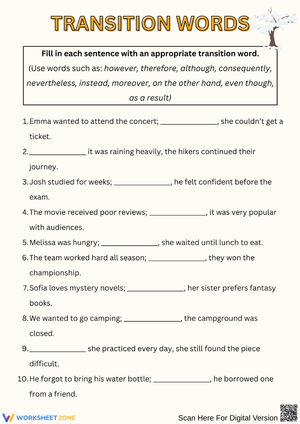
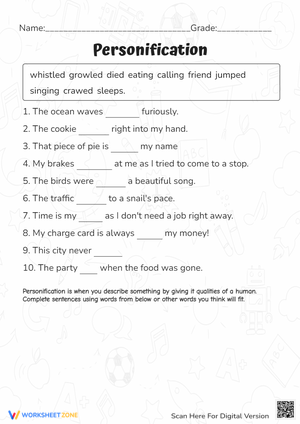
Fourth-grade pupils are expected to show increasing command of grammar rules, punctuation, and capitalization. As their writing becomes more complex, they must learn to recognize and correct subtle errors in sentence structure and word usage. Using a themed learning packet is an excellent way to review these skills because it turns routine editing exercises into an engaging seasonal game.
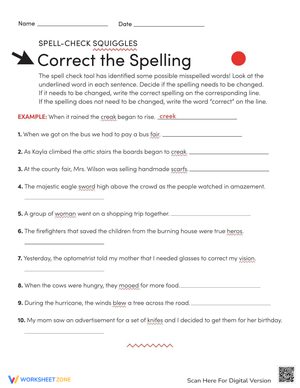
Using these themed exercises, students can participate in activities like an Easter grammar hunt. For example, a worksheet might present a short narrative about an active rabbit hiding eggs, but with intentional errors in capitalization and ending punctuation. The pupils must read the story carefully, circle the mistakes, and rewrite the sentences correctly on the lines provided. This form of active editing helps build proofreading habits that carry over into their personal writing projects.
Capitalization and punctuation rules are further reinforced through specialized activities focused on holiday proper nouns and dialogue. Fourth graders practice capitalizing words like Easter, Sunday, April, and the names of specific holiday characters. They also practice placing quotation marks correctly when writing conversations between characters in spring-themed writing prompts. These targeted exercises ensure that students gain proficiency in capitalization and punctuation rules while staying fully engaged.
Springing Into Advanced Verb Tenses and Adjective Order
Students must learn to differentiate between past, present, and future progressive tenses to describe ongoing actions accurately. To make this concept concrete, worksheets can feature narrative sentences that describe spring events happening in real-time. For instance, pupils might conjugate verbs to describe how a rabbit is hopping, was hiding eggs yesterday, or will be delivering baskets tomorrow.
Order of adjectives is another tricky grammar standard that fourth graders must learn to apply in their writing. When using multiple modifiers, students must arrange them in the conventional order: opinion, size, age, shape, color, origin, material, and purpose. Easter-themed exercises provide a wonderful opportunity to practice this skill by describing holiday objects. Pupils might rearrange phrases like a big round chocolate egg or three cute yellow fuzzy chicks to learn the natural rhythm of English adjectives.
Modal auxiliaries and relative adverbs also receive focused attention in these ELA packages. Students practice using words like can, may, must, and should to express different levels of ability or obligation in spring contexts. They also learn to construct complex sentences using relative adverbs such as where, when, and why to describe holiday settings and events. These structured activities provide the repetitive practice needed to clarify these abstract grammar concepts for young learners.
Developing Strong Holiday Vocabulary and Semantic Skills
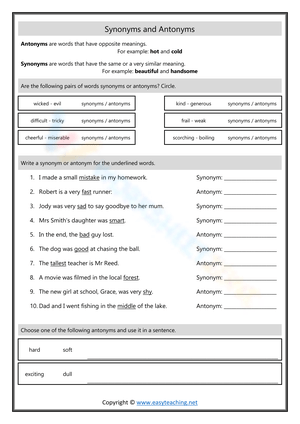
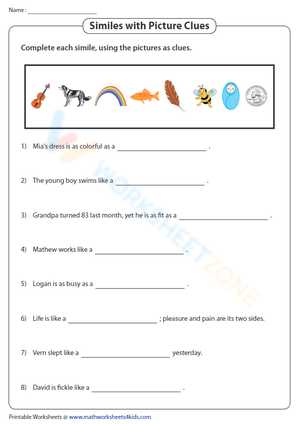
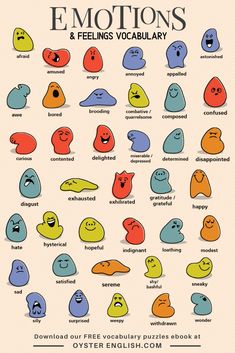
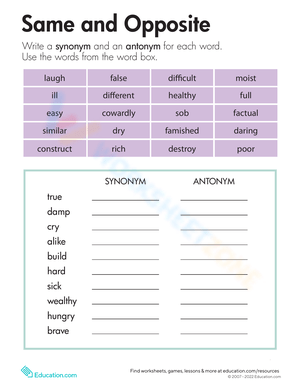
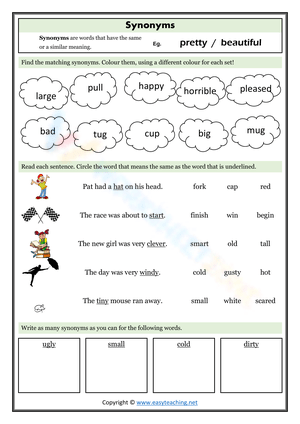
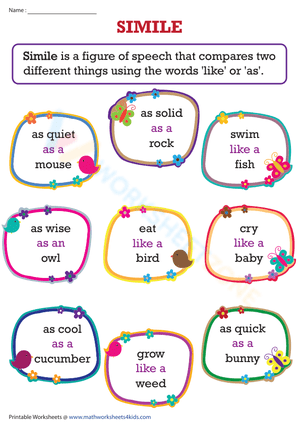
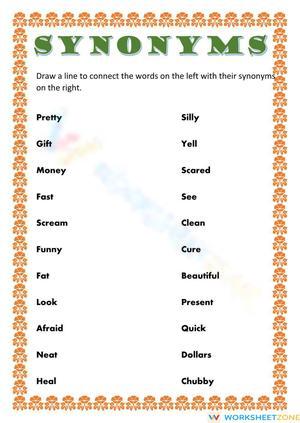
By exploring spring-themed words, students learn to appreciate nuances in meaning and expand their ability to describe the world around them. Vocabulary worksheets featuring synonyms and antonyms encourage students to move beyond basic word choices and select more precise verbs and adjectives for their writing.

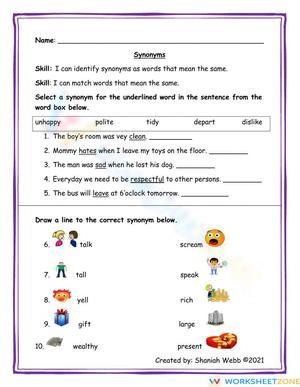
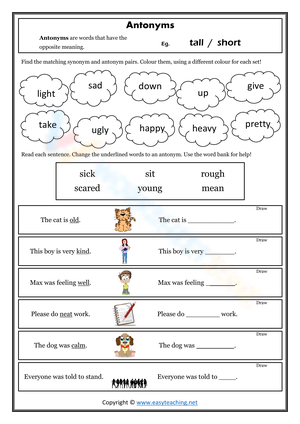
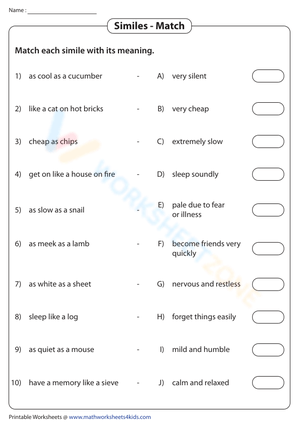
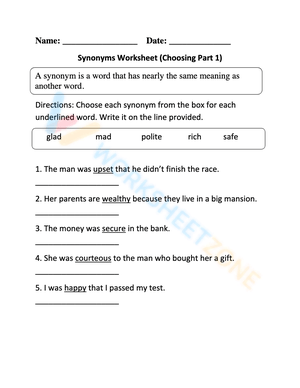
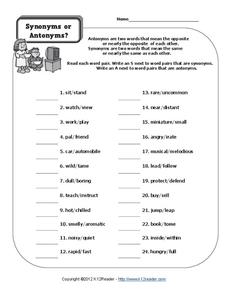
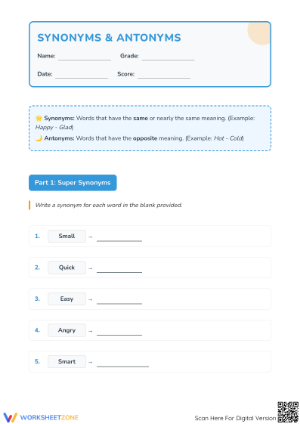
Synonyms and antonyms are often taught using matching games that feature spring terminology. A worksheet might ask students to match words like vibrant with colorful, or dormant with active, in the context of growing flowers and changing seasons. These exercises help students build word-association webs that make it easier for them to retrieve diverse vocabulary during independent writing activities.
Context clues inside spring stories represent another highly effective vocabulary strategy for elementary students. Worksheets can present short paragraphs containing unfamiliar words related to botany, weather, or holiday traditions. Students must use the surrounding text to infer the meanings of these new terms, verifying their guesses with a dictionary if necessary. This process strengthens reading comprehension and teaches kids how to navigate challenging texts independently.
Teacher Tips
Implementing these activities in the classroom requires careful planning to maximize their educational impact. One successful strategy is using these printables as morning work during the weeks leading up to the holiday. As students enter the classroom, they can immediately begin working on a themed grammar or vocabulary sheet, which establishes a quiet, focused academic tone for the rest of the school day.
Small group rotation centers also offer an ideal setting for these seasonal worksheets. Teachers can set up a vocabulary station, a verb tense station, and an editing station, allowing students to collaborate in small groups. This structure facilitates peer learning and enables the teacher to provide targeted assistance to students who need extra support with specific grammar concepts.
Independent practice packs also serve as excellent materials for substitute teacher folders. Because the worksheets are self-contained and clear, substitute teachers can easily guide the class through the activities without extensive preparation. This ensures that student learning continues without interruption, even when the regular classroom teacher is absent during the busy spring season.

Frequently Asked Questions
1. What specific fourth-grade language standards do these Easter worksheets support?

These worksheets support essential fourth-grade skills including progressive verb tenses, relative pronouns, relative adverbs, modal auxiliaries, adjective ordering, capitalization, and punctuation. By integrating these grammatical concepts into spring-themed narratives, the worksheets help students practice advanced ELA standards in a highly engaging, thematic format.
2. Can these worksheets be used for morning work, homework, or ELA centers?
Yes, these printable ELA resources are highly versatile. They can be used as morning warm-ups to establish a focused academic tone, assigned as homework for independent practice, or integrated into small-group rotation centers. They also make excellent supplemental materials for substitute teacher lesson plans during high-distraction holiday weeks.
3. How can I differentiate these Easter language printables for different learning levels?
To differentiate these worksheets, teachers can offer progressive levels of guidance. For students working below grade level, educators can provide word banks or underline target errors before editing. For advanced pupils, teachers can ask them to write original paragraphs using the vocabulary and advanced verb structures introduced in the exercises.