Why these printable worksheets fit Grade 3 reading work
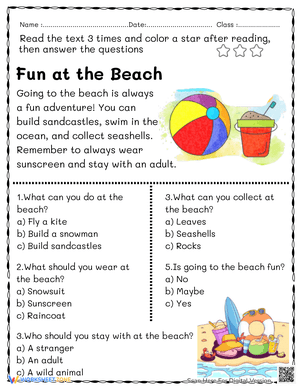
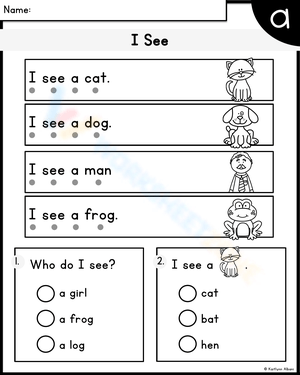
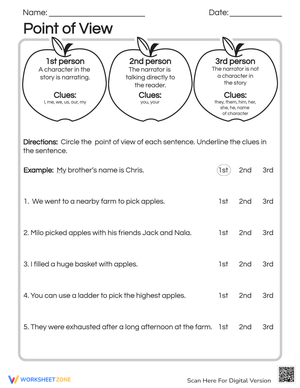
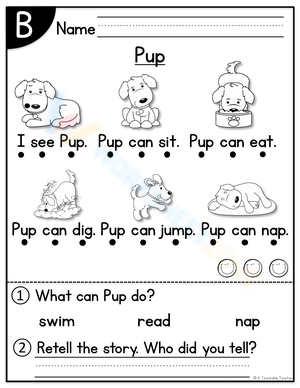
When teachers search for reading multiple choice worksheets printable for 3rd grade, they usually need something practical: pages they can print quickly, assign without extra setup, and score in a short block of time. That classroom need matches the way Worksheetzone groups Grade 3 resources by subject and format, making it easier to pull reading practice that fits a lesson objective instead of sorting through unrelated materials.
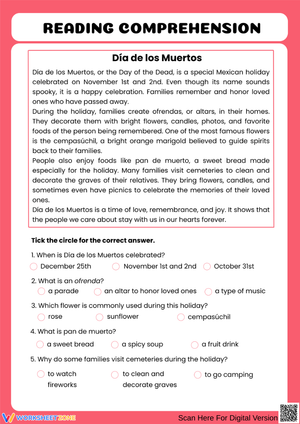
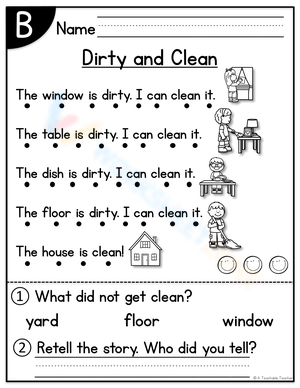
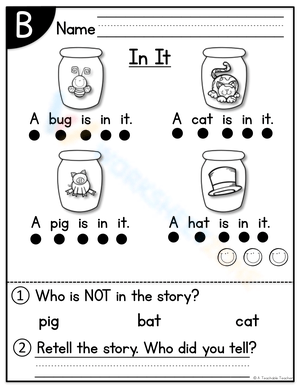
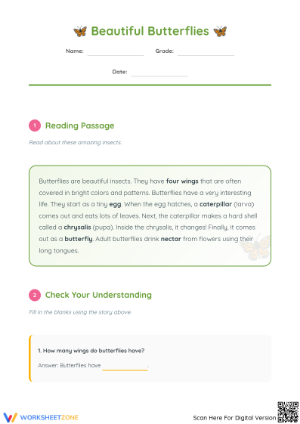
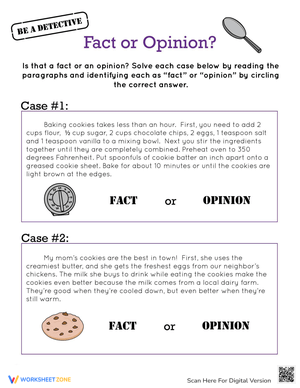
In Grade 3, reading instruction starts asking students to move beyond a first response and show that they can return to the text, notice details, and choose the strongest answer from several possibilities. Multiple-choice practice supports that shift well because it asks students to compare ideas, eliminate weak responses, and stay anchored to what the passage actually says. For teachers, that means quicker evidence during centers, independent practice, homework, review days, and short formative checks.
These printable sets are also flexible. A teacher can use one worksheet as a warm-up, a small-group check, an intervention follow-up, or part of a weekly packet. That kind of reuse matters in Grade 3 classrooms where reading blocks often need a mix of whole-group instruction, partner work, and independent accountability.
What skills 3rd grade reading multiple-choice worksheets can target
The strongest worksheet collections do more than ask surface questions. They give teachers a way to isolate a reading skill and see whether students can apply it with consistency. Worksheetzone surface pages for Grade 3 reading and Grade 3 multiple choices point toward the kinds of comprehension work teachers often need most.
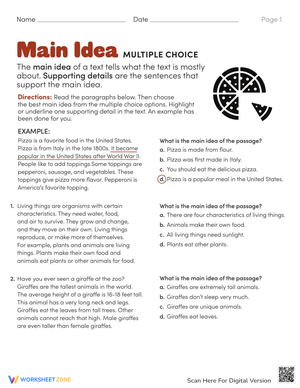
- Main idea: Students identify what a paragraph or passage is mostly about and separate the central idea from tempting but less important details.
- Supporting details: Questions ask students to choose the detail that proves an answer, explains an event, or best supports the main point.
- Genre recognition: Students distinguish among text types and notice features that signal story structure or informational purpose.
- Vocabulary in context: Students use surrounding sentences to determine the meaning of an unfamiliar or multiple-meaning word.
- Text-based questioning: Students answer by referring back to what the author says rather than guessing from background knowledge alone.
That skill range is especially useful in Grade 3 because teachers often need targeted practice, not just more reading. If a class is missing detail questions but doing well with vocabulary, printable multiple-choice pages make it easier to adjust the next assignment without rebuilding the lesson from scratch.
Why the format works for quick formative assessment
Multiple-choice reading printables are a strong fit for formative assessment because they reduce the time between assignment and instructional response. Teachers can scan answers quickly, look for patterns, and decide whether the next step should be reteaching, guided practice, or moving ahead. In a busy reading block, speed matters because the value of the data drops if it takes too long to review.
A useful advantage of multiple-choice work in Grade 3 is that wrong answers often reveal the type of misunderstanding, not just that a student missed the question. If several students choose an answer tied to one interesting detail instead of the main idea, the teacher has a precise reteaching point for the next small-group lesson.
That makes these printables effective for exit tickets, intervention groups, and review packets. They are also easier to standardize across a team. When several classrooms use the same format, teachers can compare results and discuss whether students are struggling with vocabulary, genre, or text evidence rather than debating how to interpret open-ended responses.
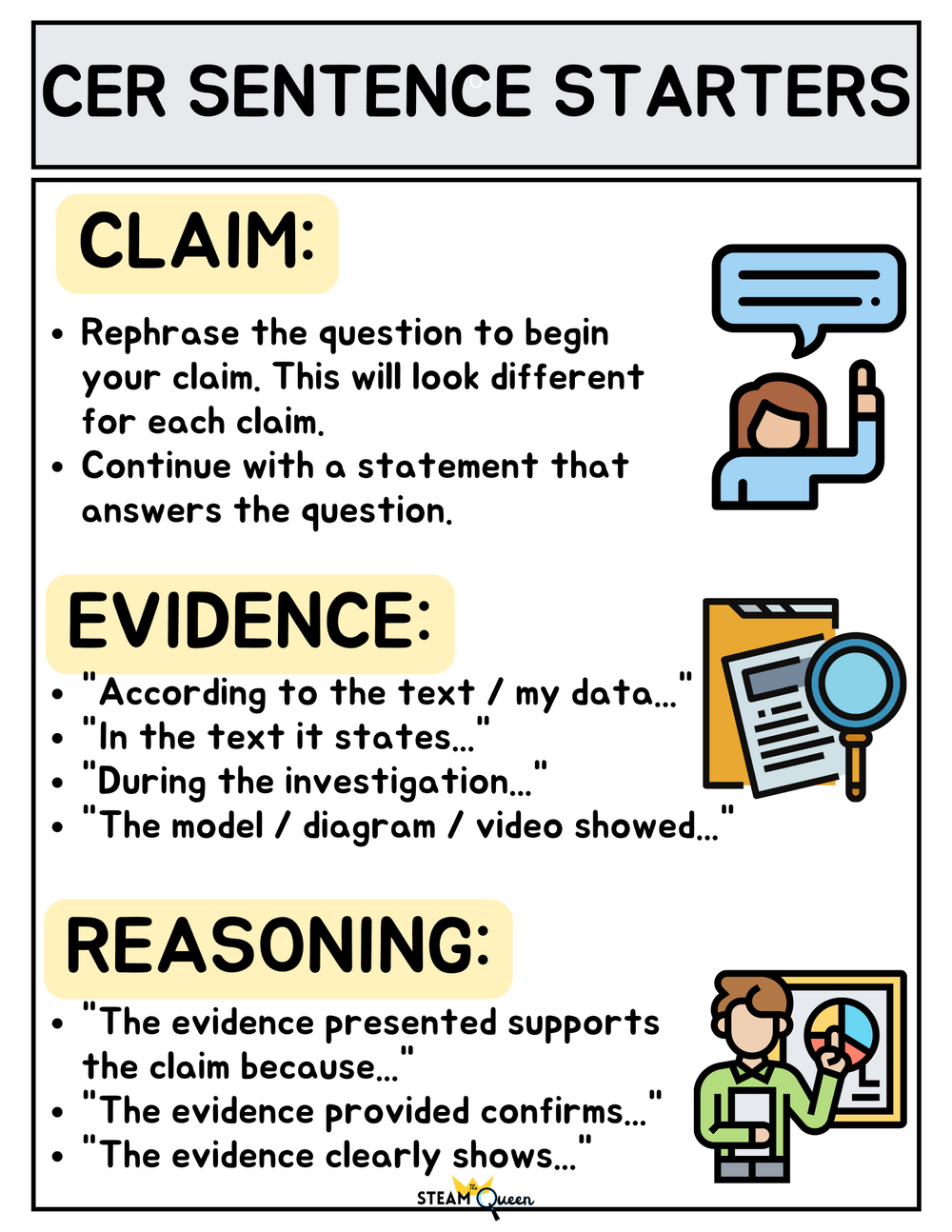
Common Core State Standards Initiative: English Language Arts Standards frames Grade 3 reading around asking and answering questions, referring to the text, and explaining understanding with key details. That Grade 3 emphasis supports using multiple-choice checks when teachers need fast evidence from one reading task.
How Worksheetzone helps teachers mix and match practice
One reason teachers look for Worksheetzone resources is convenience. Grade 3 reading instruction rarely stays in one lane for long. A class may work on literature early in the week, switch to informational text, then revisit genre, vocabulary, or main idea during intervention time. Because Worksheetzone already surfaces Grade 3 reading resources alongside multiple-choice collections, teachers can build a tighter practice sequence around the exact skill they are teaching.
That organization helps in a few concrete ways. Teachers can choose a reading worksheet for whole-class instruction, then follow with a multiple-choice page for independent accountability. They can also pull related subtopic practice, such as reading genres and types, when students need more repetition with a narrower skill. Instead of creating every check from the ground up, they can mix pages into a center rotation, a homework set, or a short assessment packet.
For curriculum planning, that format-first and subject-first grouping is useful because it supports pacing decisions. If the next unit needs stronger comprehension checks, teachers can prioritize printable pages that keep students reading and selecting evidence-based answers without adding extra prep time.
Classroom Implementation
These worksheets work best when teachers assign them with a clear purpose. In whole-group instruction, a printable multiple-choice page can follow a read-aloud or shared reading lesson to confirm whether students understood the target skill. In small groups, the same format helps teachers compare student thinking quickly and decide which misconception needs immediate attention.
- Centers: Use one worksheet as an independent station where students read, answer, and self-check later with teacher review.
- Intervention: Pick shorter passages with questions tied to one skill, such as details or vocabulary in context, so reteaching stays focused.
- Homework: Send a page home when families need a simple format students can complete with minimal explanation.
- Test prep: Use mixed-skill pages to build stamina with reading a passage and answering several text-based questions in sequence.
- Exit tickets: Trim the task to a few questions and use the results to group students for the next day.
Teachers can also increase rigor without changing the printable itself. Ask students to mark the sentence that helped them choose an answer, explain why one distractor is incorrect, or discuss how the same question would change if the passage were a different genre. Those short follow-ups turn a quick-check worksheet into a richer comprehension conversation.
Should teachers use these worksheets for literature, informational text, or both?
The best answer is both. Grade 3 readers need practice with stories and informational passages because the comprehension moves overlap, even when the text structures differ. Main idea, details, vocabulary in context, and text-based questioning all matter across text types, but students may show different strengths depending on whether they are reading a narrative or a factual passage.
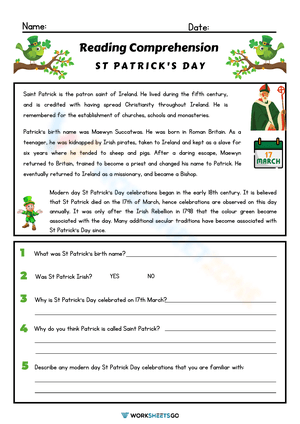
Literature-based multiple-choice worksheets help teachers check story elements, character actions, sequence, and theme-adjacent understanding at an age-appropriate level. Informational text worksheets are just as valuable because they show whether students can track topic sentences, supporting facts, domain-specific vocabulary, and the author's main point. Using both prevents students from becoming too comfortable with one type of passage while missing skills in another.
Worksheetzone pages that connect Grade 3 reading with multiple-choice formats make that balance easier to maintain. Teachers can vary the kind of reading students do while keeping the response format familiar, which reduces confusion and lets the skill target stay at the center.
What teachers should look for before printing
Not every printable serves the same instructional goal, so selection still matters. Before assigning a worksheet, teachers should check whether the passage length, question load, and answer choices fit the purpose of the lesson. A short page may be right for intervention or an exit ticket, while a denser set may be better for weekly review or assessment prep.
- Skill alignment: Match the worksheet to the exact comprehension target for the day.
- Distractor quality: Strong answer choices should be plausible enough to show real thinking errors.
- Reading load: Make sure passage length fits the time available and the support level students need.
- Reuse value: Prefer pages that can work in more than one setting, such as centers, homework, or review.
Frequently Asked Questions
1. What reading skills do 3rd grade multiple-choice worksheets usually cover?
They often target main idea, supporting details, genre recognition, vocabulary in context, and text-based comprehension questions. In Grade 3, those skills help teachers see whether students can return to the passage and select answers supported by the text.
2. How can teachers use printable reading multiple-choice worksheets in centers or intervention?
In centers, teachers can assign one page for independent practice and review it later for patterns. In intervention, it is more effective to choose a worksheet tied to one narrow skill so reteaching stays focused and the next step is easy to plan.
3. Are these worksheets better for literature, informational text, or both?
They work best across both. Literature pages help with story understanding, while informational text pages check how well students follow facts, topic-based details, and author purpose. Using both gives a more complete picture of Grade 3 reading performance.
4. How do printable multiple-choice worksheets support quick formative assessment?
They are fast to assign, easy to score, and simple to compare across students. That makes them useful when teachers need same-day evidence for grouping, reteaching, homework follow-up, or deciding whether the class is ready to move on.