Why leveled reading multiple-choice worksheets fit 3rd grade classrooms
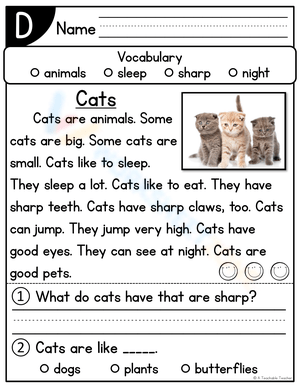
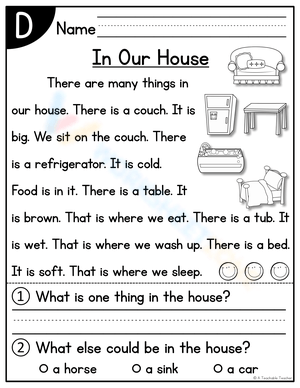
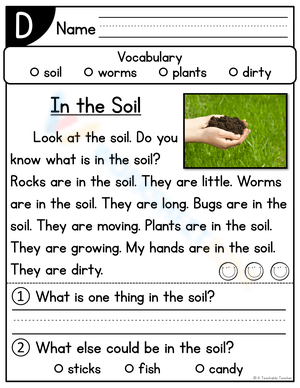
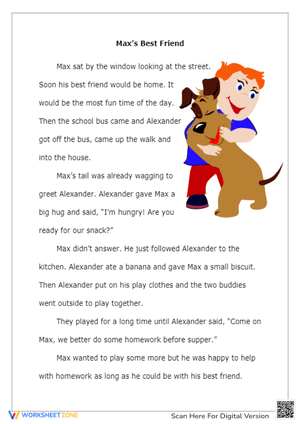
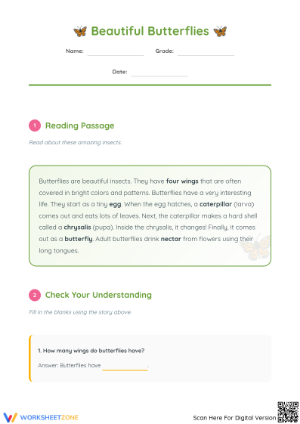
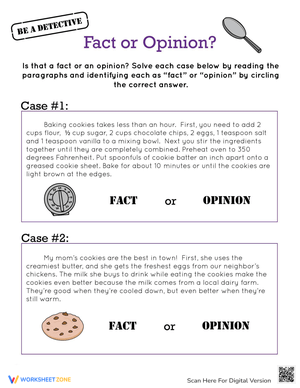
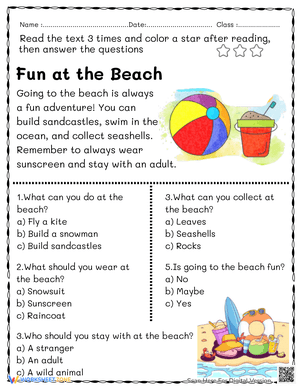
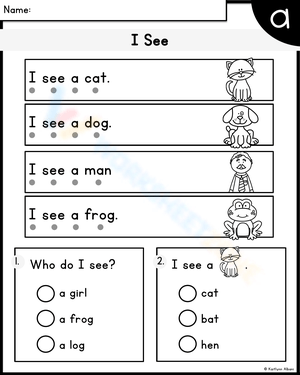
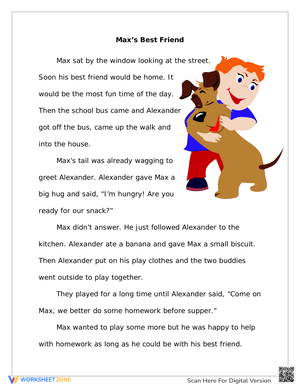
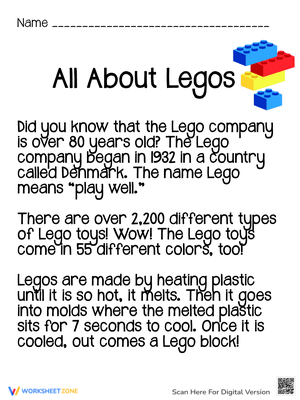
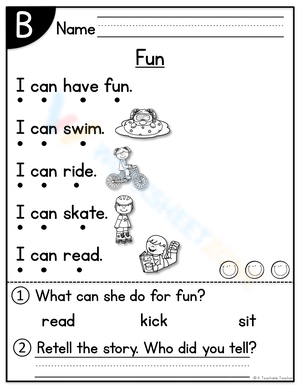
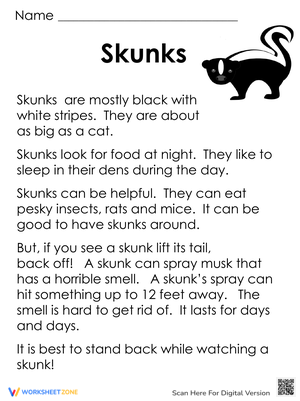
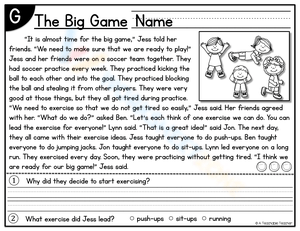
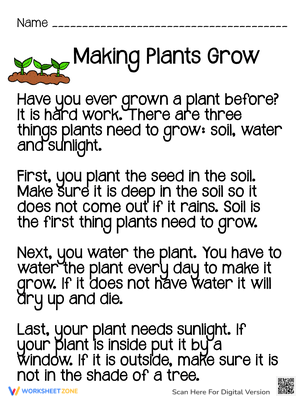
Teachers searching for leveled reading multiple choice printable pdf worksheets for 3rd grade usually need more than extra practice pages. They need a way to keep comprehension work moving while students read at different levels across the room. A printable PDF is useful because it can be assigned in centers, tucked into a small-group folder, or copied for intervention without extra setup. The multiple-choice format also gives teachers a quick read on whether students understood the passage, not just whether they finished it.
In grade 3, that balance matters. Students are expected to answer questions from a text, identify the main idea, track important details, and work out the meaning of words in context. Some readers can handle longer passages and denser vocabulary right away, while others still need shorter text and tighter language support. Leveled worksheets help teachers adjust the reading load without turning comprehension practice into a one-size-fits-all task.
Reading Rockets notes that teachers choose texts for different purposes, including matching material to student needs and the kind of thinking they want students to do. That idea fits worksheet selection well. When a third grade worksheet clearly signals its reading level and keeps questions tied to the text, it becomes easier to place students in the right task for independent work, guided reading follow-up, or review before an assessment.
What to look for in a strong printable PDF
Not every worksheet labeled as leveled reading is equally useful. The best printable PDFs make the level visible, keep the passage readable on paper, and ask text-dependent questions that a third grader can answer from evidence in the passage. If the level is vague or the questions rely on background knowledge instead of the actual text, the worksheet becomes harder to use for differentiation.
- Clear level information: Teachers should be able to tell whether the worksheet is meant for developing, on-level, or advanced readers in the class.
- Manageable passage length: A page that leaves room for the passage and the questions is easier for grade 3 students to process during centers or homework.
- Text-dependent questions: Strong multiple-choice items point students back to details, vocabulary, sequence, or the main idea in the passage.
- Clean answer choices: Distractors should be plausible without being confusing or tricky for the sake of difficulty.
- Print-friendly layout: Teachers need resources that photocopy well and still look readable in black and white.
Understood explains Lexile levels as one way to describe text difficulty in relation to a reader's current ability. Teachers do not need every worksheet to use Lexile language, but they do need some reliable sign of difficulty. A leveled reading PDF is most helpful when the text complexity is not a mystery and when the worksheet gives enough information for quick grouping decisions.
Keep grade 3 comprehension goals in view
Differentiation works best when the reading level changes without losing sight of the actual grade-level goal. For third graders, that means the passage may vary in sentence length, vocabulary load, or overall complexity, but the thinking should still be anchored in third grade reading work. If the worksheet becomes too simple in both text and questions, it stops being useful for instruction.
Education.com's Third Grade English Language Arts Common Core State Standards overview highlights 3 recurring worksheet targets: answering questions from text, identifying main idea and details, and determining word meaning in context. That source matters because differentiated passages should still ask students to practice those same grade 3 comprehension moves.
That alignment is especially important in mixed-readiness classrooms. A student reading below the middle of the class may still be ready to identify the best summary, choose evidence for an answer, or infer the meaning of a word from nearby sentences. Leveled worksheets support access when the text is adjusted, but they stay instructionally valuable when the question set still reflects what third grade readers are expected to do.
Classroom Implementation
Leveled reading multiple-choice worksheets are most effective when teachers decide in advance what the worksheet is supposed to do in the lesson. In one classroom, the same PDF format can serve as guided reading follow-up, center practice, homework, or a quick exit check. The key is to match the passage level and the number of questions to the block of time available.
For literacy centers, shorter passages with four or five questions often work best because students can complete them independently and still have time to review their choices. In guided reading, a teacher can assign a worksheet after discussion to see whether students transfer the strategy from conversation to independent thinking. During intervention, the same format helps teachers compare how a student performs when the reading level is adjusted upward or downward.
- Small groups: Use different passage levels with the same comprehension focus so groups can work on a shared skill.
- Independent practice: Choose a printable PDF with directions students can manage without teacher reteaching.
- Homework: Send home a clean one-page or two-page worksheet that families can support without needing extra materials.
- Test-prep review: Use multiple-choice sets to practice reading stamina, checking evidence, and ruling out weak answer choices.
Teachers also save time when leveled PDFs are easy to sort. A simple naming pattern by level, skill, or topic makes it easier to pull the right worksheet for reteaching, substitute plans, or a last-minute station rotation.
Why the multiple-choice format helps assessment move faster
Multiple-choice reading worksheets are often seen as basic practice, but in grade 3 they can be a fast formative tool when the questions are written well. A short set of answer choices lets teachers review results quickly and spot patterns across a group. If many students miss a main-idea question, the teacher can reteach summarizing. If students miss vocabulary-in-context items, the issue may be word-solving rather than overall comprehension.
In practice, even a small text shift can change what a teacher is really measuring. If one passage adds 80 to 120 extra words or packs several unfamiliar multisyllabic words into the first paragraph, some students will spend their effort on decoding before they ever reach the comprehension question. Leveled reading worksheets work best when the text difficulty is controlled carefully enough that the answers reveal understanding, not just reading strain.
This is one reason printable PDFs remain useful during quick checks. A teacher can hand out different levels to different groups, collect them within the same block, and compare which comprehension skills held up across levels. That kind of side-by-side review is harder to do when every student is working with a completely different task format.
How to balance reading level support with challenge
One of the biggest decisions with leveled reading materials is how much support is too much. If every struggling reader only receives very short passages with literal questions, they may complete the work successfully without moving toward stronger third grade comprehension. On the other hand, if the passage difficulty stays too high, the worksheet turns into frustration and the multiple-choice results do not tell the teacher much.
A better approach is to treat level as an entry point, not the final goal. Teachers can start with a passage a student can access, then raise the demand through the questions, follow-up discussion, or a second worksheet on the same skill. For example, one group may begin with direct-detail questions and then move to main idea. Another group may read a denser text and spend more time on inference or vocabulary in context. The format stays consistent, but the instructional challenge is adjusted with purpose.
Reading Rockets' guidance on choosing and using texts supports this classroom mindset: text selection should match the learning purpose, not just a generic notion of difficulty. For leveled grade 3 worksheets, that means asking a practical question before printing: does this passage level help the student practice the target skill well enough to show real understanding?
Frequently Asked Questions
1. What does leveled reading mean for 3rd grade worksheets?
It usually means the text difficulty is adjusted to match students' current reading ability while the worksheet still targets third grade comprehension work. Teachers can use that difference in text level to make independent practice and small-group work more manageable.
2. How do multiple-choice reading worksheets support assessment?
They let teachers review answers quickly, compare results across groups, and notice which skills need reteaching. When the questions are text-based, the format can show whether students understood the passage, found key details, or selected the best main idea.
3. Can leveled reading PDFs be used for small-group intervention?
Yes. They are especially useful in intervention because teachers can give different passage levels with the same skill focus. That helps a group practice one comprehension target without requiring every student to read the same text difficulty.
4. What skills should a 3rd grade reading comprehension worksheet cover?
Strong grade 3 worksheets often focus on asking and answering questions, main idea, supporting details, vocabulary in context, and fluency that connects back to understanding. The exact passage level may vary, but the comprehension focus should stay tied to third grade expectations.