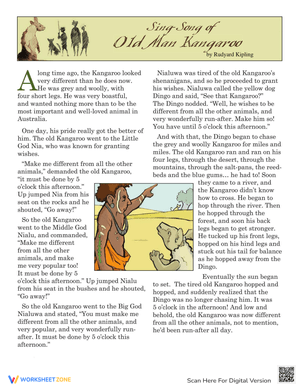
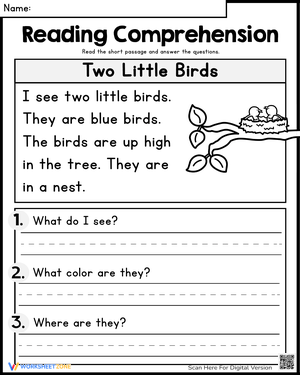
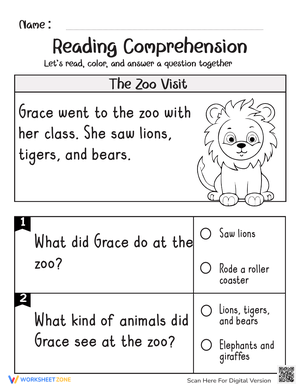
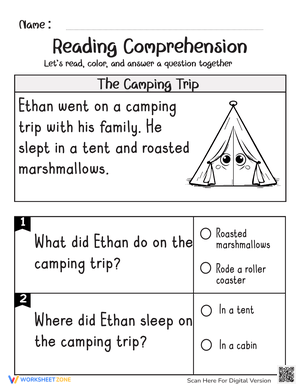
What these Grade 3 reading worksheets are built to practice
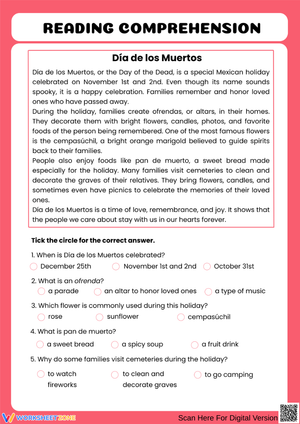
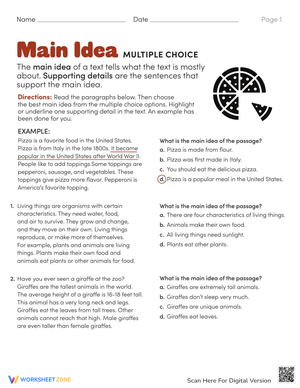
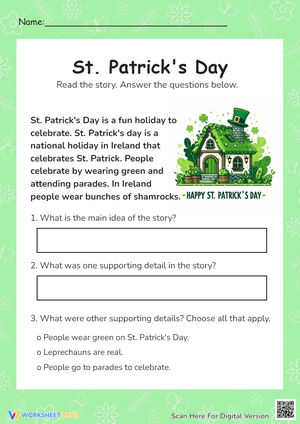
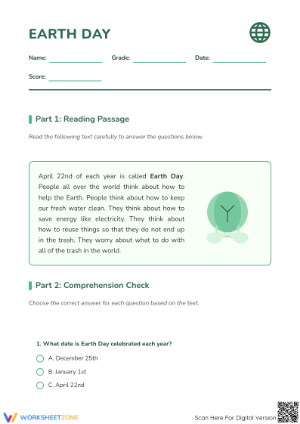
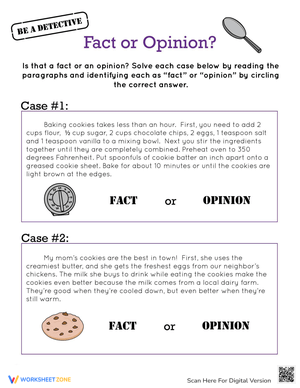
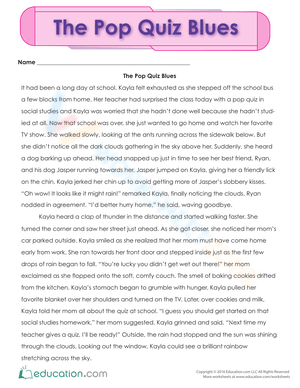
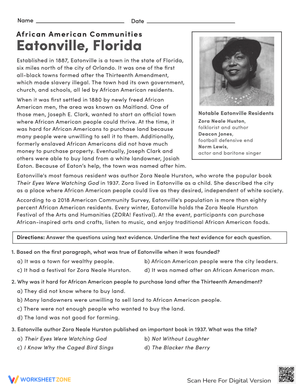
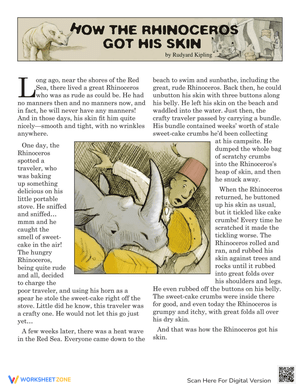
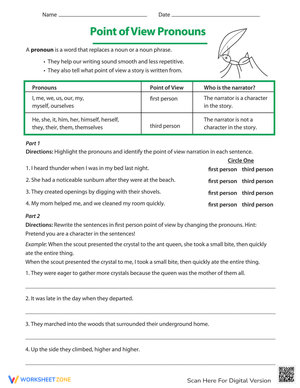
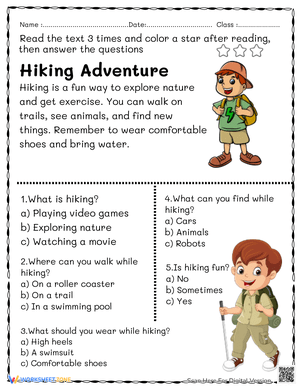
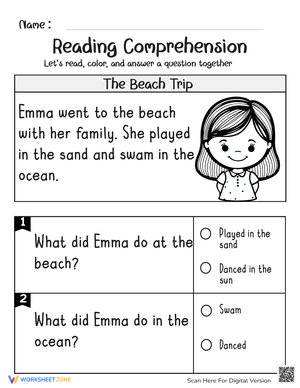
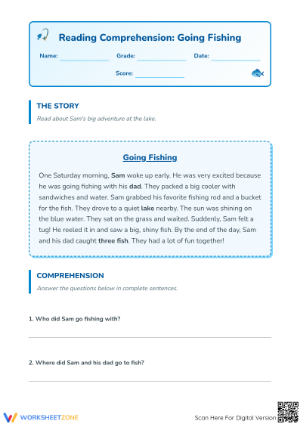
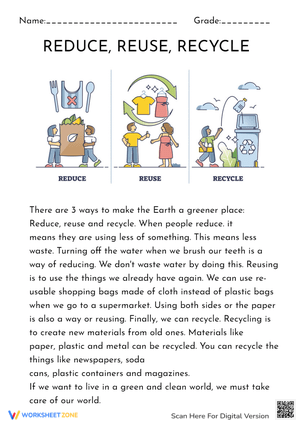
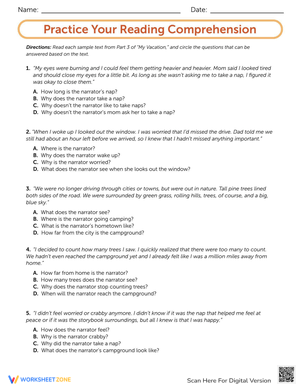
Teachers looking for reading comprehension strategies multiple choice pdf worksheets for 3rd grade usually need more than a printable passage and answer sheet. They need a format that helps students show what they understand about a text without adding extra writing demands to every task. On the Worksheetzone grade 3 reading comprehension strategies collection, that means printable practice centered on the skills students are expected to use regularly in class: identifying main idea, locating supporting details, making simple inferences, and figuring out vocabulary in context.
That mix matters in third grade because students are moving from basic retell work toward stronger text-based reasoning. A multiple-choice format keeps the task focused. Students can reread, compare options, and decide which answer best matches the passage. For teachers, the result is practical data: you can see whether a student missed the main point, relied on background knowledge instead of the text, or got tripped up by a vocabulary clue.
Why multiple-choice reading practice still has a place
Multiple-choice worksheets are not the only way to teach comprehension, but they are useful when the goal is quick practice, independent work, or a short check for understanding. In a third grade classroom, that flexibility matters. You may need one printable for literacy stations, another for homework, and a third for a fast review before a small-group lesson. PDF worksheets fit those routines because they are easy to assign, easy to collect, and easy to use again in intervention folders or sub plans.
They also make it easier to separate reading comprehension from writing stamina. A student who struggles to write complete responses can still show whether they understood the text. That helps teachers notice the real issue. If the student can answer text-dependent questions correctly in a multiple-choice set but struggles in open-ended writing, the next instructional step is clearer.
Which comprehension strategies should 3rd graders practice most often?
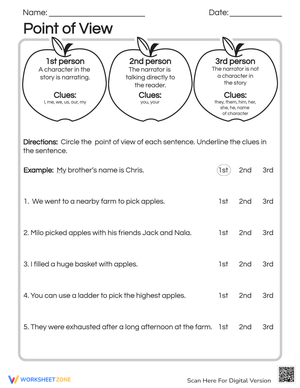
The strongest worksheet sets rotate across a few core targets instead of repeating the same literal recall questions. For grade 3, those targets usually include asking and answering questions about a text, referring explicitly to details in the passage, determining the meaning of words and phrases from context, and recognizing what idea a section or paragraph is mostly about. When those skills appear together, the worksheet becomes more than test-prep style practice. It becomes a compact review of how readers actually make meaning.
- Main idea: Students decide what the passage is mostly about and sort central ideas from interesting but minor details.
- Supporting details: Students locate the sentence or fact that proves an answer choice is correct.
- Inference: Students combine clues from the passage with sensible reasoning, instead of guessing from personal experience.
- Vocabulary in context: Students use surrounding words and the situation in the text to determine meaning.
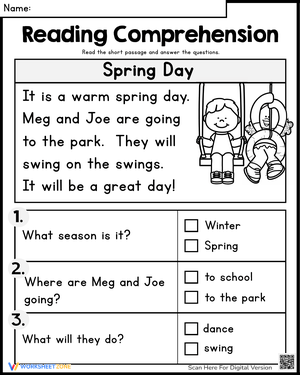
- Question answering: Students practice returning to the text to confirm who, what, when, where, why, and how.
That range supports differentiation too. Some students may need straightforward detail questions first, while others are ready to compare two plausible answers and justify why one is stronger.
How these PDFs align with grade-level expectations
A good third grade worksheet should feel grade-appropriate in both text complexity and question design. The task is not just to read a passage and mark any reasonable answer. Students should be pushed to refer back to the text and choose the option that is most clearly supported. That is especially important in comprehension strategy work, where distractors often reveal the exact misunderstanding a teacher needs to address next.
Citation capsule: The Common Core State Standards for ELA, Grade 3 Reading identify at least three recurring expectations that fit this worksheet type well: ask and answer questions about a text, refer explicitly to the text as the basis for answers, and determine the meaning of words and phrases. That makes multiple-choice review a useful checkpoint for grade-level reading behaviors.
When the answer choices are written well, teachers can see whether students are selecting evidence-based answers or simply picking an option that sounds familiar. That distinction is one reason these worksheets work well for review before conferences, progress checks, or reteach lessons.
Classroom Implementation
These printable worksheets work best when they are matched to a clear classroom routine. In centers, use one passage with six to eight questions as an independent station after students have already practiced the target skill in whole group. In small groups, assign only the questions tied to the skill you are teaching that day, such as inference or vocabulary in context. For homework, choose shorter sets that reinforce a strategy students have already seen in class.
A useful pattern is to sort the answer choices by demand level when you review results. If many students miss a literal detail question, the issue may be attention to the passage. If they answer detail questions correctly but miss inference items, the issue is likely reasoning from clues rather than decoding or stamina. Reading Rockets describes seven comprehension strategies, and that broader framework helps teachers see that one worksheet score can point to different instructional needs depending on which question types caused the errors.
Teachers can also mix these PDFs across the week instead of using them only as one-off practice. A Monday worksheet can preview the skill, a Wednesday worksheet can check transfer with a new passage, and a Friday worksheet can serve as a short formative measure. That repeated format saves planning time because students already understand how to complete the task.
What to look for in a strong worksheet set
Not every printable multiple-choice resource is equally useful. The best sets have concise passages, grade-appropriate vocabulary, and answer choices that require students to think about the text instead of spotting an obvious keyword. For third grade, the questions should stay readable while still making students reread and compare evidence. If the distractors are too weak, the worksheet measures test-taking shortcuts rather than comprehension.
Look for resources that let you vary the level of support. Some classes benefit from a single skill focus, such as main idea only. Others need mixed review that combines details, inference, and context clues in one passage. Worksheetzone's grade 3 reading comprehension strategies collection is helpful in that way because teachers can pull printable practice for review, intervention, or fast independent work without rebuilding materials from scratch.
It also helps when the worksheets can move across settings. The same PDF can be used during morning work, in a substitute folder, at a guided reading table, or as an exit ticket after a mini-lesson. That kind of reuse is one reason teacher-facing printable resources remain practical even when instruction changes from day to day.
Using response patterns to plan next steps
The value of multiple-choice practice increases when teachers review the wrong answers as carefully as the right ones. If students consistently choose options that are true but not the best answer, they may need support with precision. If they pick an answer based on a single word match, they may need more modeling on rereading the full sentence or paragraph. If they avoid vocabulary items, the class may need stronger work with context clues and academic language.
These response patterns are especially useful in third grade because students are still building independence with text evidence. A short worksheet can show whether a learner is ready for longer constructed responses or still needs more scaffolded comprehension work first. That makes printable multiple-choice PDFs a sensible bridge between direct instruction and heavier assessment tasks.
For literacy specialists and tutors, the format is efficient. You can give one passage, discuss each item aloud, and immediately hear how a student is thinking. That combination of printable practice and quick discussion often reveals more than a final score alone.
Frequently Asked Questions
1. What reading comprehension skills should 3rd graders practice with multiple-choice worksheets?
Third graders should regularly practice main idea, supporting details, inference, vocabulary in context, and asking or answering questions about a text. Those skills match the kind of evidence-based reading students need during grade 3 instruction.
2. How can teachers use PDF comprehension worksheets in centers or small groups?
Use shorter worksheets for independent centers and reserve targeted question sets for small groups. In a small-group setting, you can pause after each item, ask students to point to the evidence, and quickly identify whether the challenge is details, inference, or vocabulary.
3. Are multiple-choice reading worksheets appropriate for formative assessment in 3rd grade?
Yes, especially when the goal is a fast check of text understanding. They help teachers gather clean data without adding heavy writing demands, which makes them useful for progress checks, reteaching decisions, and short weekly reviews.
4. How do these worksheets support main idea, details, and inference practice?
Well-designed answer choices force students to separate central ideas from minor details and use clues from the passage to make reasonable inferences. That gives teachers a practical snapshot of which comprehension strategy needs more modeling or guided practice next.