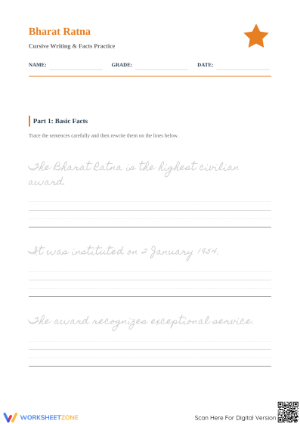
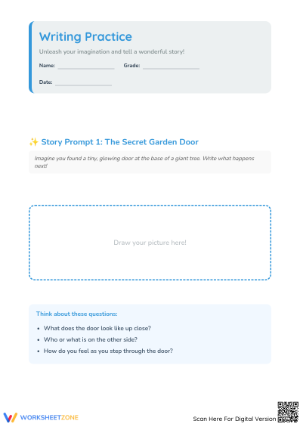
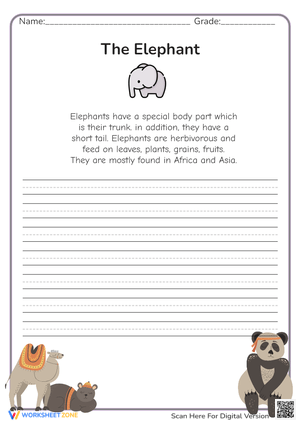
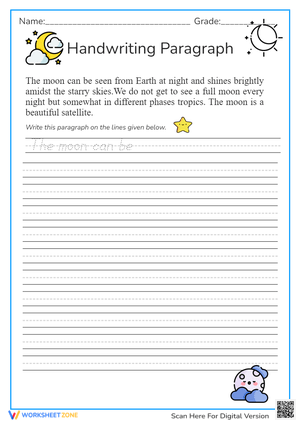
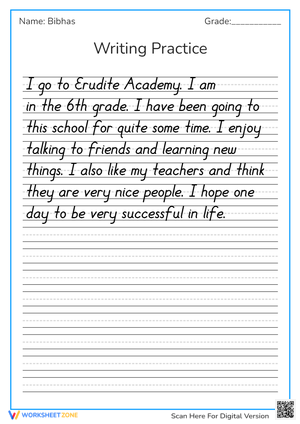
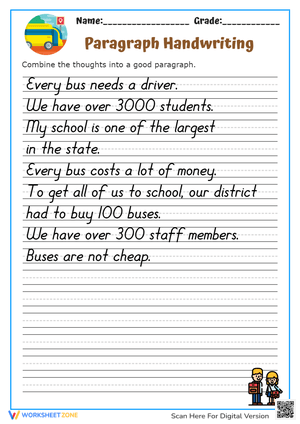
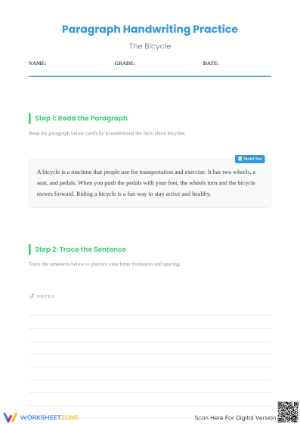
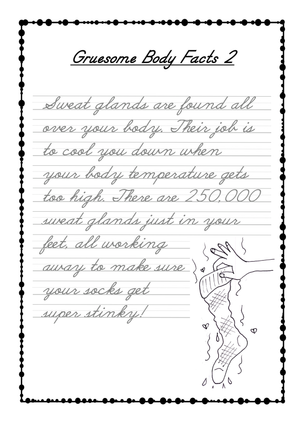
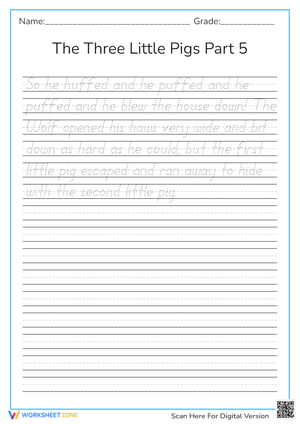
By third grade, writing shifts from single sentences to organized paragraphs, and that jump catches a lot of students off guard. A 3rd grade paragraph writing task expects students to hold one main idea in their heads while adding details that stay on topic and closing in a way that ties back to where they started. For many nine-year-olds, that is the first time they have to plan a piece of writing instead of just recording whatever comes to mind.
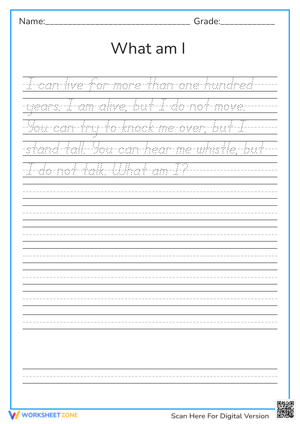
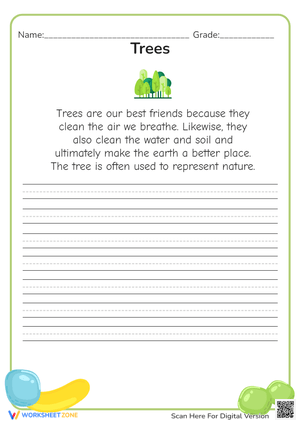
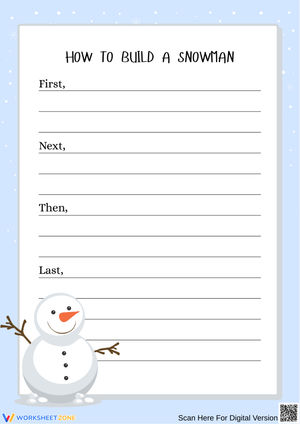
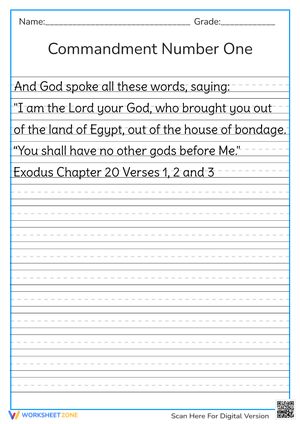
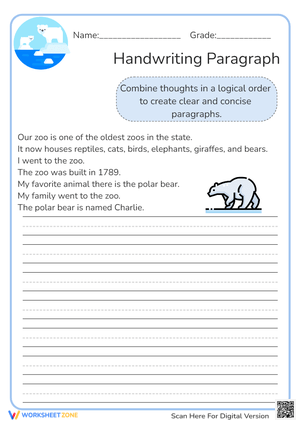
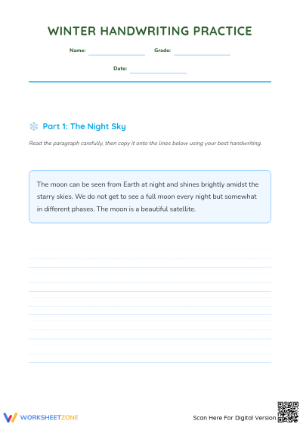
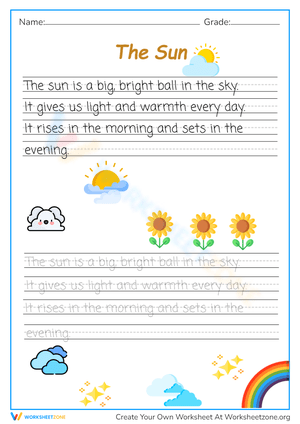
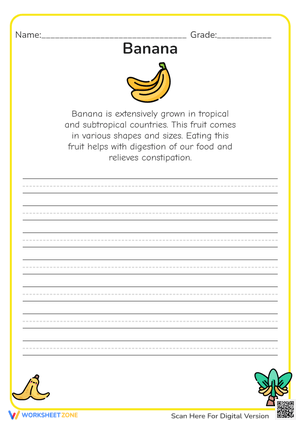
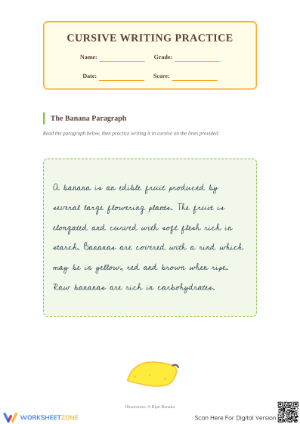
This is where targeted worksheets earn their place. A well-built paragraph writing worksheet gives students a visible frame—boxes or lines for the topic sentence, the supporting details, and the closing—so the structure stops being abstract. You can model the same frame on the board, then hand students a version they complete on their own during guided practice.
None of this means drilling worksheets in isolation. The point is to give students repeated, low-stakes reps at the one structure Common Core expects them to own by the end of grade 3, so that when they write across science, social studies, and ELA, the organization is already automatic.
Frequently Asked Questions
1. What should a 3rd grade paragraph include according to Common Core?
Under CCSS W.3.1 and W.3.2, a strong paragraph introduces a topic or opinion, develops it with facts, reasons, or details, uses linking words to connect ideas, and ends with a concluding statement. In classroom terms, that is a topic sentence, supporting details, and a closing sentence.
2. How many sentences should a 3rd grader write in a paragraph?
A typical grade-level paragraph runs five to seven sentences: one topic sentence, two to four supporting details, and one closing sentence. The exact count matters less than making sure every detail stays tied to the main idea.
3. What linking words should 3rd graders use?
For opinion writing, Common Core highlights because, therefore, since, and for example. For informative writing, it lists also, another, and, more, and but. A word bank on the worksheet helps students reach for them.
4. How can teachers use these worksheets for small-group intervention?
Use a scaffolded version with the topic sentence provided and sentence starters for the closing. Focus the group on one skill at a time—usually keeping details on topic—and gradually remove supports as students gain independence.
5. What is the difference between opinion and informative paragraphs?
An opinion paragraph (W.3.1) states what a student thinks and backs it with reasons. An informative paragraph (W.3.2) explains a topic with facts and details and stays neutral. Both use the same three-part structure, which is why one worksheet frame works for each.












 Interactive Worksheet Maker
 Quiz Maker
 Word Search Maker
 Crossword Puzzle Maker
 Word Scramble Generator
 Sentence Scramble Generator
 Handwriting Worksheet Generator
 Name Tracing Generator
 Fill In The Blank Generator