Printable Grade 3 Reading Practice That Fits the School Day
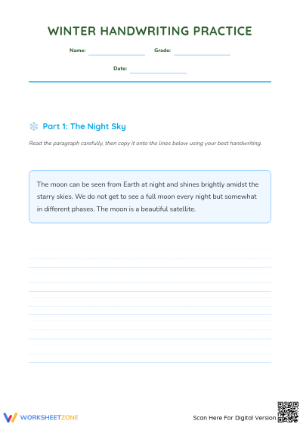
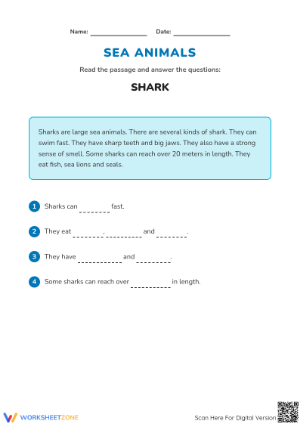
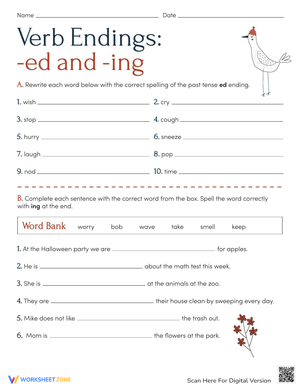
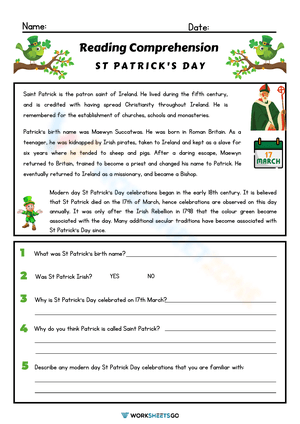
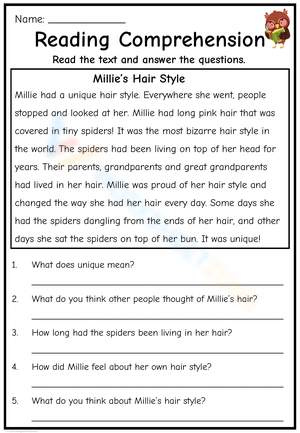
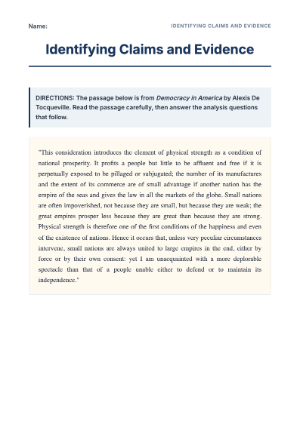
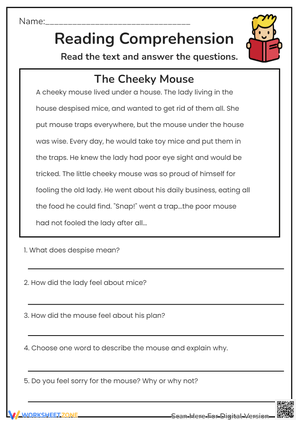
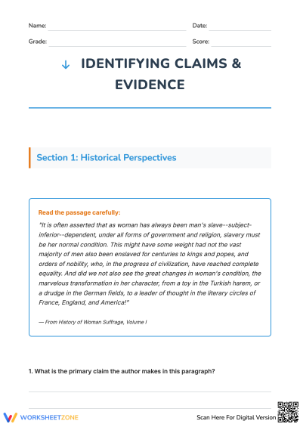
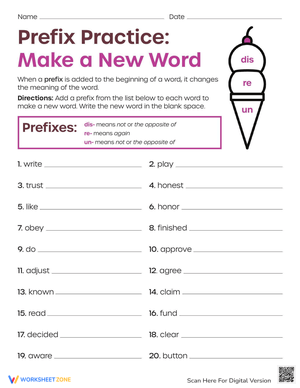
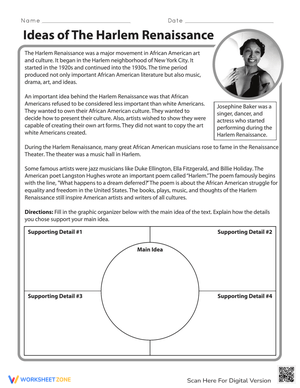
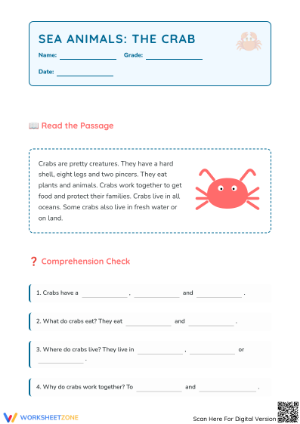
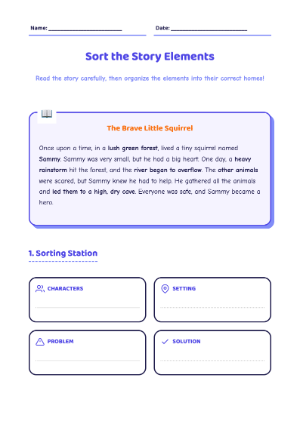
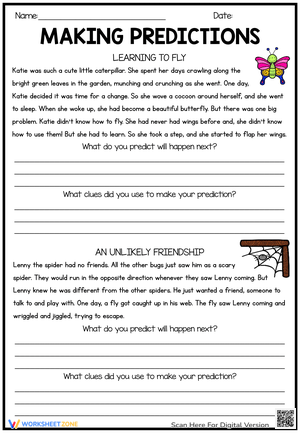
When teachers look for reading fill in the blank printable worksheets for 3rd grade, they usually need more than a generic worksheet. They need practice that lines up with the way Grade 3 reading is taught: short passages, close attention to details, and questions that show whether students can make sense of what they read. Worksheetzone organizes that kind of practice into a dedicated Grade 3 reading hub, which makes it easier to pull a printable activity for centers, homework, substitute plans, or a quick reteach lesson.
At this level, cloze-style reading work is especially useful because it reveals how students process a text. A blank in the middle of a sentence asks students to reread, use context clues, and connect the missing word or idea to the rest of the passage. That means one printable can support vocabulary in context, sentence-level comprehension, and overall understanding of a short text without requiring a long setup from the teacher.
What These Worksheets Help Third Graders Practice
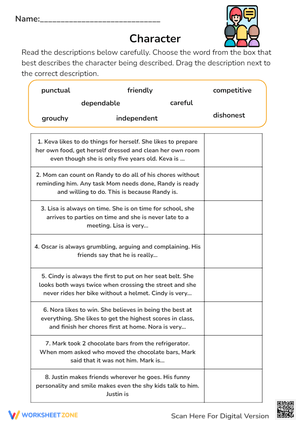
Grade 3 reading instruction often moves students from simple recall to more purposeful comprehension. Fill in the blank activities work well here because they show whether a student can read a passage, notice what makes sense, and use evidence from nearby words and sentences. That makes the format practical for several common classroom targets.
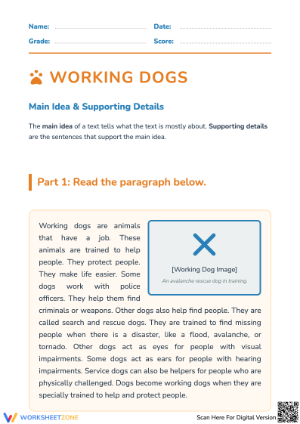
- Main idea and supporting details: Students must decide which word or phrase fits the overall point of the passage, not just one sentence.
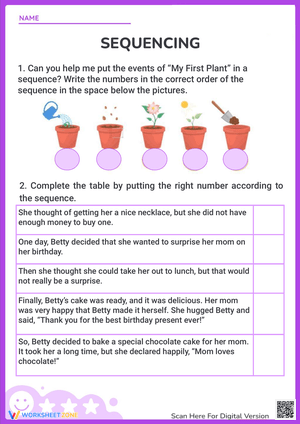
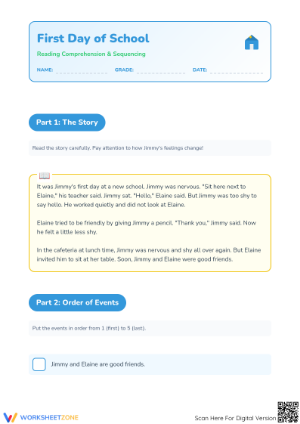
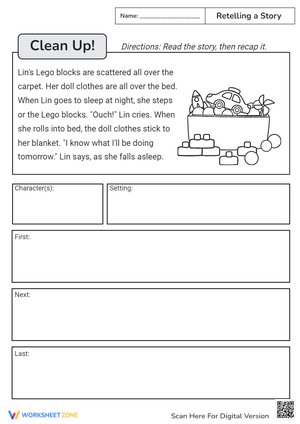
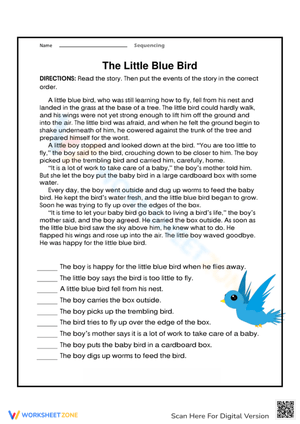
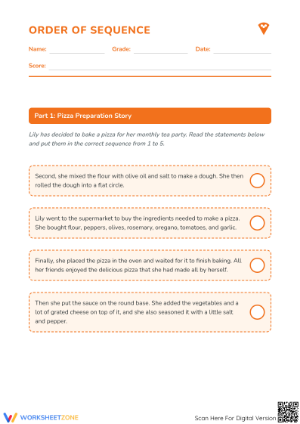
- Sequencing: Cloze items can check whether students understand what happened first, next, and last.
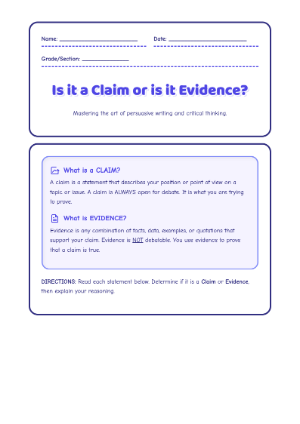
- Vocabulary in context: A missing word pushes students to use surrounding clues instead of guessing from memory alone.
- Short-passage comprehension: Students show understanding while reading, which gives teachers cleaner evidence than isolated vocabulary drills.
- Fluency tied to meaning: When students reread to complete blanks accurately, fluency practice stays connected to comprehension.
This is why many teachers keep printable reading sheets in rotation. The format is simple, but the thinking behind it is not. A well-designed cloze worksheet can show whether a student is tracking ideas across a passage or only reading one sentence at a time.
How to Choose the Right Worksheet for the Skill You Need
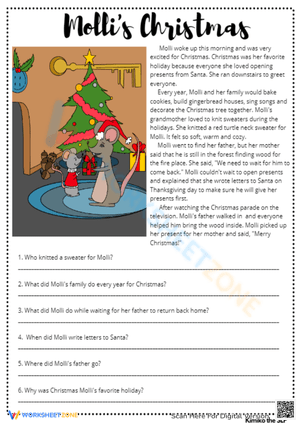
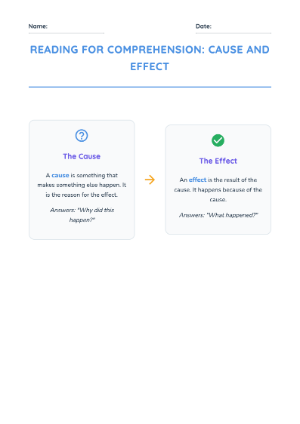
Not every reading cloze page measures the same thing, so it helps to sort worksheets by instructional purpose. If your class is struggling with story structure, choose pages where the missing words depend on understanding sequence or character actions. If students need stronger nonfiction comprehension, select passages where blanks connect to topic sentences, key details, or domain vocabulary.
Teachers can also match worksheet type to the point in the lesson cycle. Early in a unit, a shorter page with obvious context support can help students build confidence. During review, a slightly denser passage gives better evidence of who can transfer the skill without prompts. For intervention, the best choice is often a worksheet with a narrow target, such as context clues or main idea, so the discussion after the activity stays focused.
It also helps to think about response load. Third graders may understand a passage but lose momentum if the page asks them to write too much. Fill in the blank practice keeps output manageable while still showing comprehension, which is one reason it works well for reteaching and quick checks.
Classroom Implementation
These printables are easy to slot into existing routines because they do not need a long launch. In a reading center, students can complete one passage independently and then compare answers with a partner. During small-group intervention, the teacher can pause after each sentence and ask why a chosen word fits, which surfaces misconceptions that would stay hidden on a multiple-choice page.
For whole-class use, a worksheet can become morning work that previews the day’s comprehension target. It can also serve as an exit ticket when the blanks are tied to a short text read during the lesson. Many teachers also use the same format for homework because families can support the routine without needing special materials or extensive directions.
A practical advantage of cloze work in Grade 3 is that it lets teachers separate decoding strain from comprehension strain. If a student reads the passage aloud with reasonable accuracy but fills blanks with words that do not match the meaning, the issue is less about word calling and more about monitoring for sense. That distinction helps teachers plan the next small-group move instead of assigning more of the same practice.
Differentiation Without Extra Prep
One reason teachers keep printable PDFs nearby is that they are easy to adapt without rewriting the task. For a class with mixed reading levels, stronger readers can explain why each answer fits the passage, while developing readers can work with two or three answer choices read aloud by the teacher. The worksheet stays the same, but the support shifts.
Small adjustments can also make the page work across settings:
- Use one paragraph only for a quick warm-up.
- Read the passage aloud first for students who need listening support before independent completion.
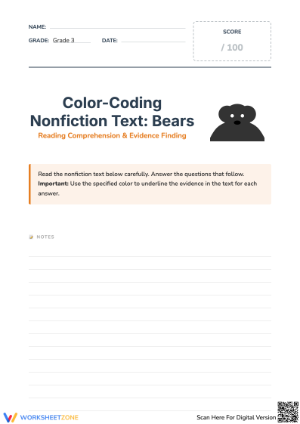
- Ask students to underline the context clue that helped them choose each answer.
- Pair students for a second pass so they justify responses with text evidence.
- Reuse one printable as a spiral review sheet a week later to see what stuck.
This kind of low-prep differentiation is useful in intervention blocks where time is short and groups change often. Instead of preparing separate materials for every need, teachers can keep the format stable and vary the instruction around it. That saves planning time while still keeping expectations aligned to Grade 3 reading work.
Why the Format Aligns With Grade 3 Reading Goals
According to the Common Core State Standards for ELA, Grade 3 reading work asks students to answer questions about a text, determine main idea, and read with accuracy and fluency in support of comprehension. A cloze worksheet fits those expectations because students have to read for meaning, not just pronounce words correctly.
In practice, that means a blank is never just a blank. To complete it successfully, students usually need to notice who or what the passage is about, track details across sentences, and decide which response keeps the meaning coherent. That is the same kind of reasoning teachers look for in guided reading conversations and short written responses.
Within the What Works Clearinghouse guidance on improving reading comprehension in kindergarten through 3rd grade, comprehension practice is tied to explicit work with text meaning and evidence-based discussion. Printable cloze tasks are most effective when teachers treat them that way: not as isolated seatwork, but as a prompt for noticing how readers use context, details, and rereading to repair meaning.
Citation capsule: In the Grade 3 Common Core reading standards, comprehension is tied to asking and answering questions, determining main idea, and reading accurately for understanding. That makes cloze practice instructionally sound when the missing responses depend on text evidence rather than guesswork, according to the Common Core State Standards for ELA, Grade 3 Reading.
What Teachers Gain From a Dedicated Worksheet Hub
Having a dedicated Worksheetzone collection matters because search time is part of prep time. When teachers can go straight to Grade 3 reading fill in the blank worksheets, they are more likely to pull targeted practice in the moment, whether the need is a same-day reteach, an intervention rotation, or a quick assignment left for a substitute.
For curriculum planning, this also makes it easier to build short review sets before a benchmark or unit assessment. Instead of creating a packet from scratch, a teacher can select printable pages that mirror the skills already taught and use them across a few days of review. The result is targeted practice that stays manageable for students and realistic for teachers.
Frequently Asked Questions
1. What reading skills do 3rd grade fill-in-the-blank worksheets practice?
They commonly practice comprehension, vocabulary in context, sequencing, main idea, and careful attention to details in a short passage. Because students must choose words that make sense within the text, teachers can see whether they are reading for meaning or relying on surface-level guessing.
2. How can teachers use cloze reading worksheets for small-group intervention?
They work well in intervention because the teacher can stop after each blank and ask what clue in the passage helped. That makes it easier to diagnose whether a student needs support with context clues, text monitoring, or connecting details to the main point of the passage.
3. Are these printable worksheets appropriate for homework or test-prep review?
Yes. The format is familiar, short enough to complete independently, and useful for review because it keeps students focused on core reading behaviors. For test-prep, teachers can choose pages that emphasize main idea, details, and short-passage thinking without adding a heavy writing load.
4. How do fill-in-the-blank activities support vocabulary and context-clue practice?
They require students to use nearby words and sentence meaning to determine what belongs in the blank. That pushes readers to notice definition clues, examples, and overall passage meaning, which is more transferable than memorizing vocabulary words in isolation.