These fiction text features printable worksheets for 3rd grade address the gap that shows up most in third-grade reading instruction: students can name a feature but cannot explain what it does for them as readers. The set targets that distinction directly, moving students from identification into purposeful thinking about how story elements like dialogue, chapter titles, and illustrations carry meaning.
The Specific Skills Each Worksheet Targets
Third grade marks the point where students move into multi-chapter books and longer stories with multiple characters and scenes — and where they are expected to notice how authors organize that material on the page. Each worksheet in the set focuses on one or more of the following features:
- Title and chapter titles: Students predict story content and track narrative sequence before and during reading.
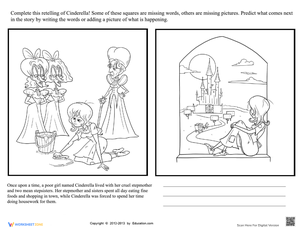
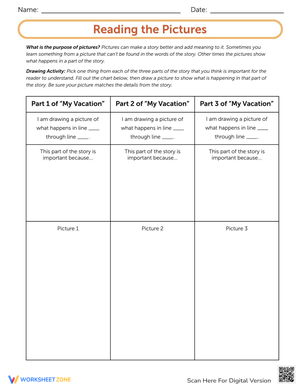
- Illustrations: Students explain what the image reveals about a character's emotion, the setting, or an event — not just what they see on the surface.
- Dialogue: Students identify which lines of text are spoken by characters and describe what that exchange shows about feelings, relationships, or conflict.
- Author and illustrator credits: Students distinguish between who told the story and who created the visuals, reinforcing book awareness and the idea that illustrations are a deliberate choice.
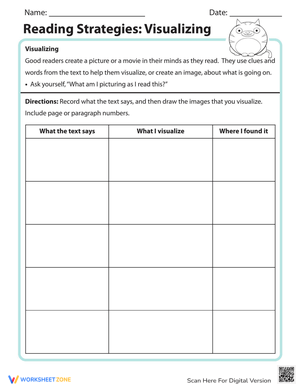
The most useful worksheets in the set include a short fiction passage or a sample story page, clear directions, and questions that ask both "What is this feature called?" and "How does it help the reader?" That second question is the one that does the real instructional work.
Common Misconceptions to Watch For and Address
The most widespread mistake is surface-level identification with no connection to meaning. A student labels the illustration correctly and then writes "it shows a picture of the boy." What the worksheet is actually asking — and what RL.3.7 requires — is something more like "it shows Marcus gripping the railing, which tells me he is scared before he even speaks." The difference between those two responses is enormous, and it is the difference between labeling and comprehending.
Dialogue confusion trips up students more than teachers expect. Many third graders underline the narration surrounding a dialogue exchange instead of the actual spoken words. They are not misreading — they are unclear on what counts as dialogue as a text feature. A worksheet that directs students to find the quotation marks first, then answer a question like "What does this exchange show about how these two characters feel about each other?" slows them down and gets them looking at the right thing.
Chapter titles are another underestimated trouble spot. Students tend to skip them the way they skip page numbers — as decorative metadata. When a worksheet asks "Read the chapter title. What do you predict might happen next?" students often realize for the first time that the title is doing active work. A few will write a prediction and then look genuinely surprised when it connects to the content that follows.
Fiction Features vs. Nonfiction Features — Why the Confusion Matters
Third graders often arrive carrying nonfiction text feature vocabulary from second grade — captions, diagrams, bold words, tables of contents. They bring that vocabulary into fiction reading and apply it without distinction. A student who learned that headings organize facts will sometimes read a chapter title as an informational heading and expect it to summarize content rather than hint at story events.
A compare-and-sort worksheet addresses this directly. Students look at two short text excerpts — one fiction, one nonfiction — and sort a list of features by which type of text each one most commonly appears in, then explain the difference in purpose. The task is genuinely challenging for third graders, and the discussion it generates is worth the class time. It builds flexible reading habits that carry into later grades when students encounter hybrid texts.
How to Work These Worksheets Into Your Weekly ELA Routine
The most effective whole-group use is to display a fiction page on the document camera, model thinking aloud about one feature, and then have students complete a parallel worksheet independently. Keeping the modeled feature and the practice feature the same — both focused on dialogue, for instance — reduces the cognitive demand of the transition and gives students a clear frame for their own thinking.
In literacy centers, each worksheet functions as a repeatable routine: read the short passage, locate the feature, answer the purpose question, write a sentence or two. That predictable format lets students work without needing teacher direction at the center, which matters when you are pulled to a small group. For small-group reteach, restrict the task to one feature only — dialogue or illustrations, not both — and spend most of the time on the explanation step rather than the identification step. That is usually where the breakdown is.
One practical move that keeps things moving: use the same sentence frame across every worksheet in the week. Something like "This feature helps the reader understand ___" asks almost nothing in terms of writing demand and keeps student attention on the thinking rather than the formatting. By Thursday, most students are completing it without prompting.
Standard Alignment
These worksheets align to two CCSS ELA standards that Grade 3 teachers typically address together. RL.3.5 requires students to refer to parts of stories using terms like chapter and describe how each successive part builds on earlier sections — which maps directly to chapter-title and sequence work. RL.3.7 asks students to explain how specific aspects of a text's illustrations contribute to what the words convey, which is precisely what the illustration purpose-explanation tasks target. Teaching these two standards side by side reflects how fiction text features actually function in a story: structure and image reinforce each other, and separating them into disconnected lessons can make both feel more abstract than they need to be.
Differentiating the Set Across Ability Levels
For students who need more support, pair the identification task with a word bank of purpose phrases — "helps the reader predict," "shows how a character feels," "tells who created the visuals" — so they can choose and copy the most accurate phrase rather than generating language without support. This keeps them working on the comprehension thinking rather than stalling at the writing demand. Fiction text features printable worksheets for 3rd grade that include this kind of built-in language option move faster during intervention blocks without losing the instructional target.
For students working above grade level, remove the word bank and require a two-sentence written response: one sentence identifying the feature, one explaining what the story would lose without it. That second sentence asks students to think about authorial intent, not just reader experience — a meaningful stretch for a third grader who has already mastered identification and is ready to think about craft.
Frequently Asked Questions
What fiction text features should Grade 3 students be able to identify?
Grade 3 students are expected to identify titles, chapter titles, author and illustrator credits, illustrations, and dialogue as features of fiction texts. The instructional emphasis at this level is not just recognition but explanation — students should describe what each feature contributes to their understanding of characters, setting, or plot.
How are these different from nonfiction text feature worksheets?
Fiction text features serve story understanding: dialogue reveals character relationships, illustrations capture emotional and setting details, chapter titles signal upcoming events. Nonfiction features serve a different function — organizing facts, directing attention to key information. Fiction text features printable worksheets for 3rd grade use story excerpts and purpose-explanation questions specific to narrative texts, which keeps students from blending expectations across genres.
How long does a typical worksheet take?
Most worksheets in the set run between ten and fifteen minutes when paired with a short passage. That fits a warm-up, a center rotation, a quick exit check, or the tail end of a reading block. Small intervention groups may run closer to twenty minutes if the discussion around each purpose question extends — which it often does, and productively.
Can these be used as a read-aloud follow-up rather than an independent reading task?
Yes. The worksheets separate the reading demand from the comprehension thinking, which makes them workable across a wider range of readers. For students who struggle with decoding, read the passage aloud and have students focus entirely on the feature-identification and explanation questions. These fiction text features printable worksheets for 3rd grade also function well as a listening-and-noticing task during a class read-aloud — students follow along and mark features as you read, then complete the purpose questions afterward.












 Interactive Worksheet Maker
 Quiz Maker
 Word Search Maker
 Crossword Puzzle Maker
 Word Scramble Generator
 Sentence Scramble Generator
 Handwriting Worksheet Generator
 Name Tracing Generator
 Fill In The Blank Generator