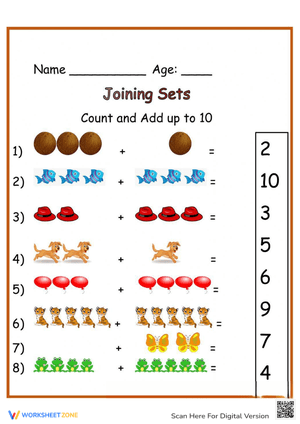
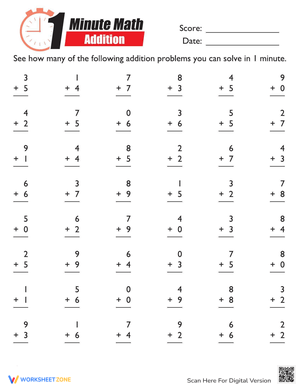
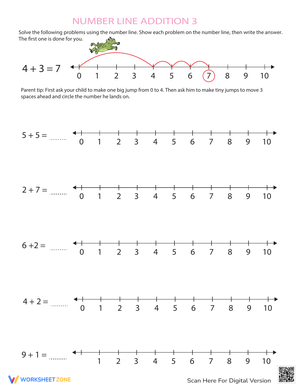
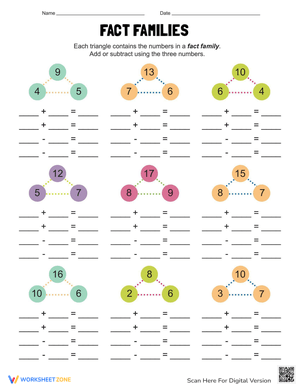
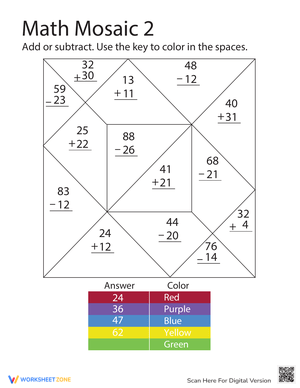
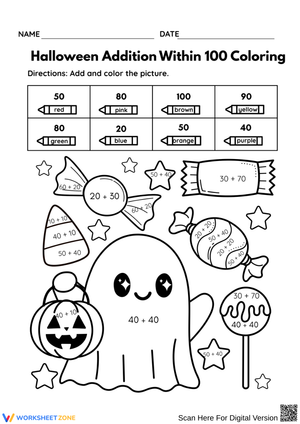
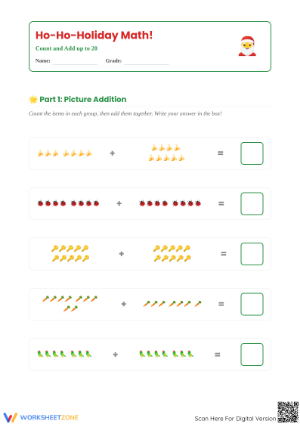
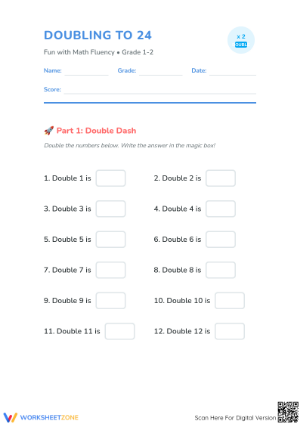
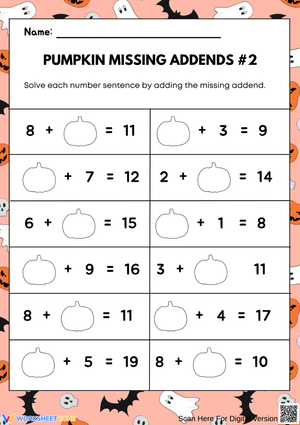
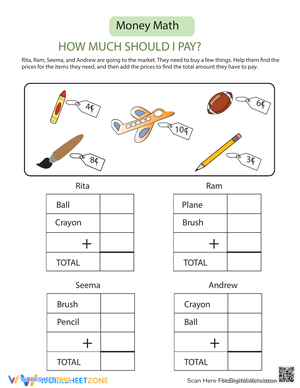
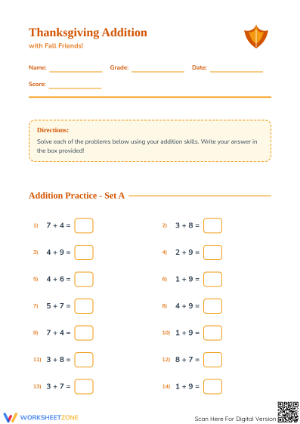
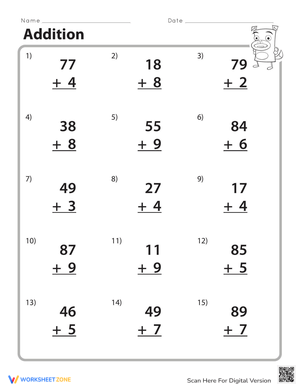
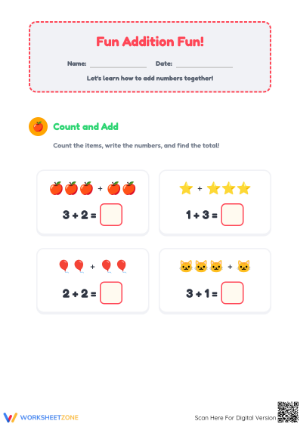
These 2nd grade addition facts printable worksheets give teachers a targeted set of strategy-based practice resources built around the specific relationships second graders need to internalize — doubles, near doubles, making ten, and the commutative property. Each worksheet focuses on one strategy or fact family rather than mixing problem types randomly, which matters more than it sounds at this stage of fluency development. The set covers sums through 20, which is precisely where second-grade fluency instruction belongs.
The Specific Skills Targeted
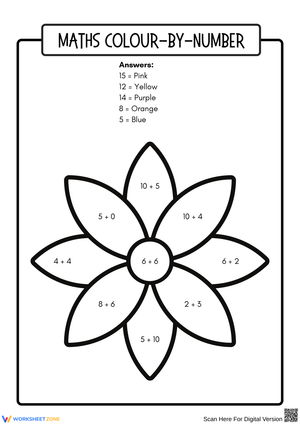
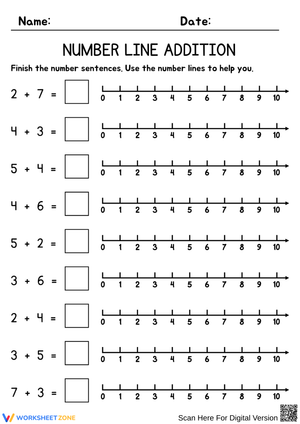
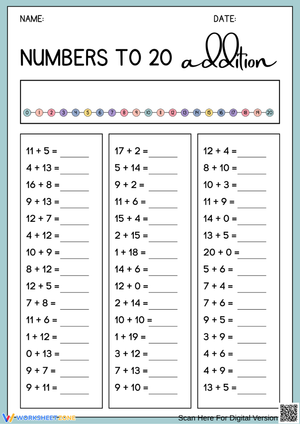
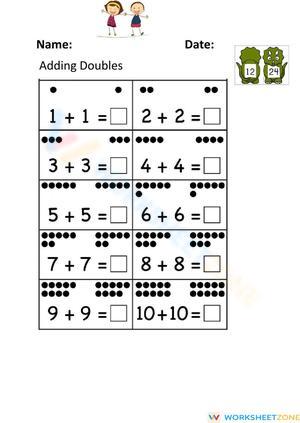
The worksheets move through the core mental math strategies in a sequence that mirrors how most students build number sense. Doubles come first — facts like 6+6 or 9+9 that students tend to anchor quickly because the symmetry is easy to hold in memory. Near doubles follow immediately, so students practice applying what they already know: if 7+7=14, then 7+8 is just one more. This is a strategy relationship, not a coincidence, and grouping these problems together on the same worksheet makes that relationship visible.
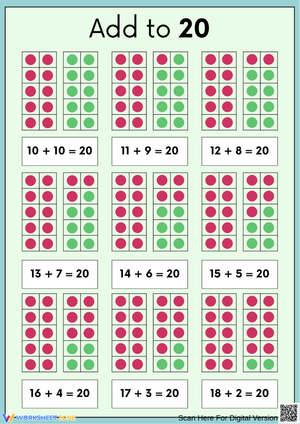
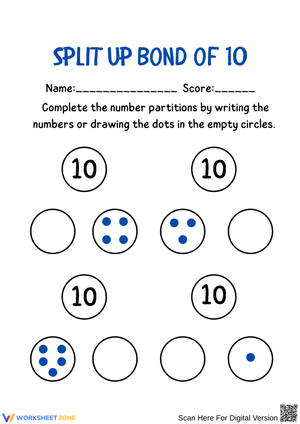
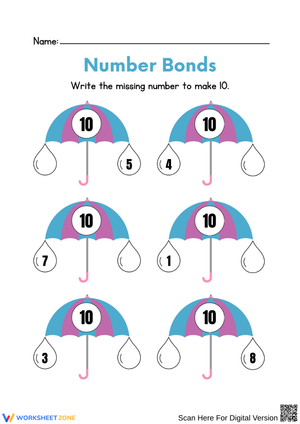
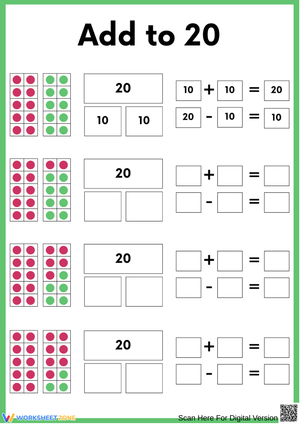
Making ten gets its own focused worksheets because it requires a multi-step decomposition that's genuinely difficult at age seven. When a student sees 8+6, the strategy calls for breaking the 6 into 2+4, using the 2 to complete a ten with the 8, then adding the remaining 4 — three mental moves before the answer arrives. That's worth separate, sustained practice. Commutative property worksheets present pairs like 4+9 and 9+4 side by side, surfacing the idea explicitly rather than leaving students to discover it across disconnected drills. The set also includes mixed-fact practice for students ready to build retrieval speed across all strategies at once.
Mistakes Students Make That These Worksheets Help You Catch
The most persistent error in second-grade addition is what you might call the doubles trap on near-doubles problems. Students who correctly record 8+8=16 will often write 8+9=16 as well — not because they can't add, but because the mental move from "doubles answer" to "doubles plus one" doesn't fire automatically yet. Looking at a completed near-doubles worksheet, you'll see a run of correct answers followed by this exact mistake on problems where the larger addend comes first, because the visual isn't triggering the stored doubles fact the way it should.
With making-ten problems, the error pattern is different. Students frequently complete the decomposition step correctly — splitting 5 into 2+3 to solve 8+5 — but then add 2+3+8 in sequence from left to right instead of grouping 8+2 first. They get 13 either way, so the answer looks fine on the surface. What's actually happening is multi-step addition rather than anchoring on the ten. You see the breakdown in timed work: these students are slower on making-ten problems than on doubles problems of similar difficulty, even after weeks of practice. That's the signal to revisit the strategy explicitly before moving to fluency drills.
A smaller but telling error: students who haven't fully internalized the commutative property will answer 3+9=12 without hesitation, then pause noticeably on 9+3 and sometimes count on from 9 rather than recalling the same fact. Worksheets that present both orders in the same session make this visible immediately.
Standard Alignment
These resources target CCSS.MATH.CONTENT.2.OA.B.2, which requires students to fluently add and subtract within 20 using mental strategies and, by the end of second grade, know from memory all sums of two one-digit numbers. In classroom terms, this standard sits at the intersection of two instructional phases: the strategy-building work that belongs in the first half of the year and the fluency-consolidation work that dominates the second half. Strategy-focused worksheets serve the first phase by building the underlying number relationships; mixed-fact and timed practice serve the second phase as the year moves toward the recall standard. Using these resources in both phases — with a clear shift in purpose — is what the standard actually demands.
How to Build These Worksheets Into Your Lesson Plans
The most reliable use is a five-minute warm-up at the start of math block, three or four days a week. This isn't about finishing an entire worksheet — it's about consistent, low-stakes retrieval that compounds over weeks. One doubles worksheet used as a Monday warm-up, revisited on Wednesday as a speed check, and pulled out again the following Monday as a brief review creates the spaced retrieval pattern that moves facts into long-term memory. Random daily drill doesn't produce the same result.
Math centers are the second natural home for these resources. Slipping a worksheet into a plastic sleeve lets students write with dry-erase markers, wipe it clean, and repeat — useful for students who need multiple passes without the pressure of permanent marks on paper. During center rotations, near-doubles and making-ten worksheets work particularly well in pairs, where students can talk through the strategy step aloud before writing the answer. That verbal articulation step is worth the classroom noise it costs.
Teachers also reach for the strategy-specific worksheets — particularly making ten and doubles — as formative checkpoints before moving to multi-digit addition. If a student can't fluently retrieve making-ten facts in isolation, column addition with regrouping is going to overwhelm their working memory. A quick five-minute worksheet check surfaces that gap before it becomes a bigger problem. These 2nd grade addition facts printable worksheets fit naturally into this pre-unit diagnostic role, not just as ongoing drill.
Adjusting the Worksheets for a Range of Learners
Students who are still counting on fingers for sums through 10 need two things before strategy instruction lands: finger-free practice on small sums, and a visual anchor. Pairing a making-ten worksheet with a printed ten-frame reference card gives these students a concrete image to work from — the goal is that they start pointing at the frame structure rather than drawing dots. That's an intermediate step, not a permanent support, and most students move past it within a few weeks once the frame pattern becomes familiar.
Students who have the basic facts secured respond well to missing-addend formats: 8 + ___ = 15, or ___ + 7 = 12. These 2nd grade addition facts printable worksheets can be adapted by replacing one addend with a blank, shifting the cognitive demand from recall to relational thinking without introducing entirely different content. Three-addend problems — 4 + 3 + 6 = ___ — are another layer up, especially when the three numbers include a natural ten pair that students have to recognize and use. For students well ahead of grade level, fact-family worksheets that ask them to generate all four related equations from a single trio (7, 8, 15) pull in subtraction fluency alongside addition without leaving the 2.OA.B.2 standard behind.
Frequently Asked Questions
How many addition facts does CCSS expect second graders to know by end of year?
The standard calls for memory-level recall of all sums of two one-digit numbers by the end of second grade. That's every combination from 0+0 through 9+9 — 100 facts total when you count both orders of each pair. In practice, students with strong doubles and making-ten recall tend to retrieve the remaining facts faster as well, because so many facts connect back to those anchor strategies.
Should addition fact practice in second grade be timed?
Timing has a place, but not as an early instructional tool. Timed practice is most productive after students can solve a fact set accurately and with a consistent strategy. Introducing a timer before that point tends to push students back toward finger-counting because the pressure interrupts the strategy recall they're still building. A useful rule of thumb: use timed practice as a fluency check, not as the mechanism for building fluency. Each worksheet in this set works for both purposes — untimed during strategy instruction, timed once accuracy is established.
What's the difference between using these worksheets as practice versus formative assessment?
As practice, students should have access to strategy charts or ten-frame references if they need them, and accuracy matters more than speed. As a formative check, remove the references and watch which facts students solve immediately versus which ones they work out. The pause — that moment before a student writes — tells you more than the answer itself. A student who writes 7+8=15 after a two-second think is still in strategy mode; a student who writes it in under a second has it in memory. Both are useful data points, just different ones.
Do these worksheets work outside of second grade?
These 2nd grade addition facts printable worksheets work for any student at the strategy-to-fluency transition on sums through 20, regardless of grade. First graders who have already counted their way through basic sums and are ready for strategy instruction can use the doubles and making-ten worksheets productively. Third graders who still count on fingers for basic facts need targeted fact-family practice before multi-digit operations instruction will stick, and these worksheets address that gap directly.













 Interactive Worksheet Maker
 Quiz Maker
 Word Search Maker
 Crossword Puzzle Maker
 Word Scramble Generator
 Sentence Scramble Generator
 Handwriting Worksheet Generator
 Name Tracing Generator
 Fill In The Blank Generator