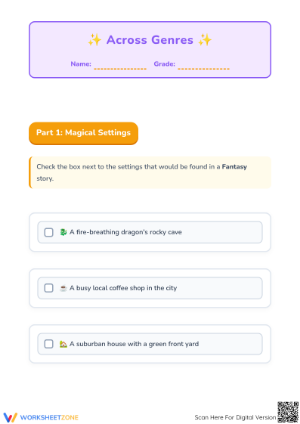
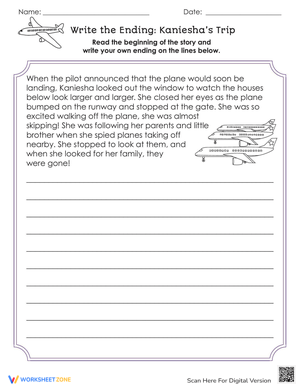
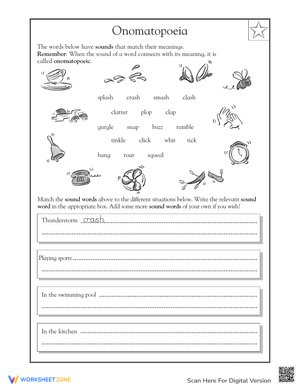
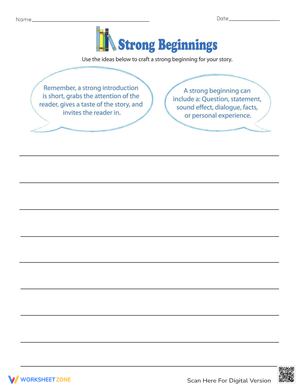
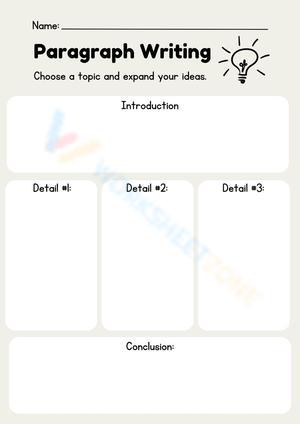
These 2nd grade organization and structure worksheets address the specific gap that appears around late first grade and persists well into second: students can generate ideas but can't yet impose an order on them. The set gives teachers ready-to-print practice across both narrative and informational writing, targeting sequence, transitions, topic sentences, and closure. Each worksheet isolates one structural move so students build real understanding rather than attempting a multi-part task they can't yet manage as a whole.
Mistakes Students Consistently Make When Organizing Their Writing
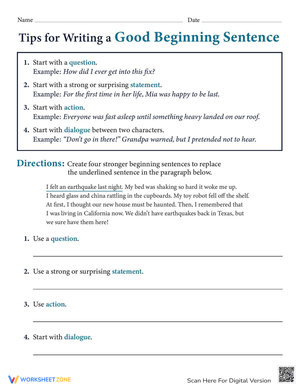
The most common error isn't forgetting a topic sentence—it's students who write a topic sentence and then abandon it entirely by the second sentence. A child will write "Dogs make great pets" and immediately follow with "My dog is named Biscuit and he bit my cousin." The detail is vivid and real, but it doesn't support the original claim. Students aren't being careless; they genuinely don't yet track whether their evidence connects back to their opening statement.
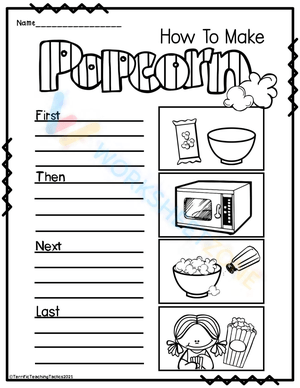
With sequential writing, the typical breakdown comes in the middle section. Students who handle "first" and "finally" correctly will compress everything between those two anchors into a single placeholder. In a "how to make a sandwich" piece, a second grader might write: "First, get the bread. Next, do all the stuff. Finally, eat it." The middle—which should carry most of the informational weight—disappears entirely. These worksheets push students to expand that section by requiring a set number of steps or details in the center box before they can move on.
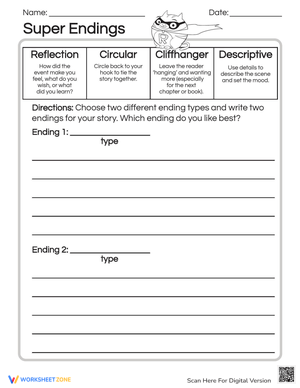
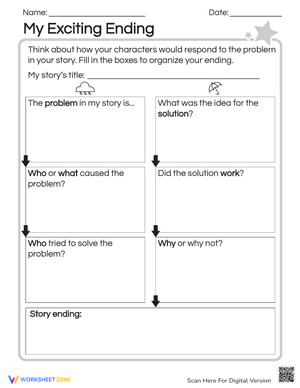
Closure is a separate problem. Many students end a narrative by introducing a brand-new idea in the final sentence, essentially starting a second story. Others simply stop writing when they run out of ideas, leaving the piece without any sense of ending. The worksheets address this directly by giving students a structural cue in the closing box—not a fill-in-the-blank phrase, but a guiding question like "How did the character feel when it was over?" That small constraint produces noticeably better final sentences without turning the task into a formula every student writes the same way.
Skills These Worksheets Build
The 2nd grade organization and structure worksheets target one structural component per task rather than asking students to manage everything simultaneously. Second graders working on a graphic organizer are already handling handwriting, spelling, and idea generation. Adding full-paragraph expectations on top creates too much cognitive load at once—the writing task collapses under its own demands. By narrowing focus on each worksheet, students actually internalize the structure instead of just filling boxes to finish the assignment.
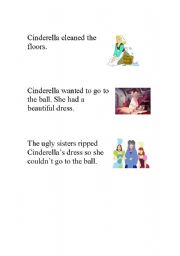
- Sequence and event ordering — cut-and-sort sentence activities, numbered-step organizers, and before/during/after frames for retelling
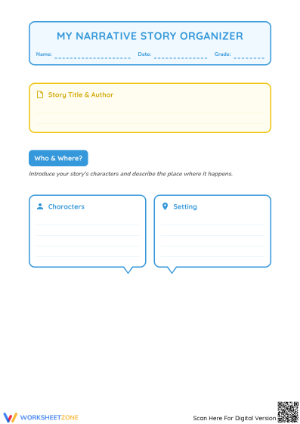
- Narrative structure — beginning/middle/end graphic organizers with separate planning space and a dedicated drafting section on the same worksheet
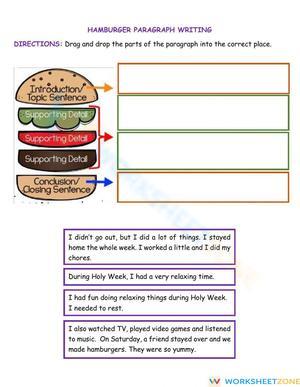
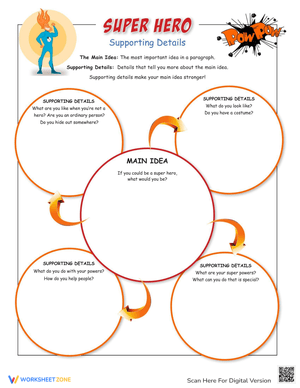
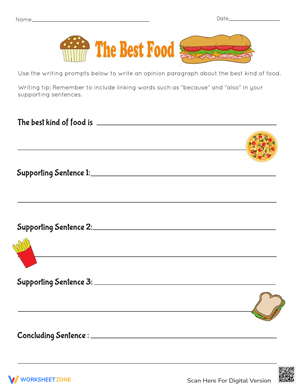
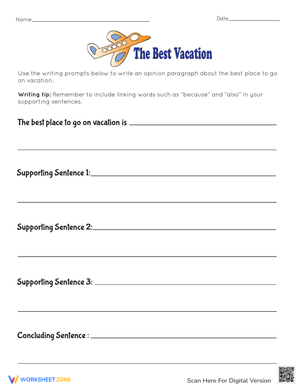
- Topic sentences and supporting details — main idea frames where students write the topic sentence first, then match supporting details to it, reinforcing the connection between claim and evidence
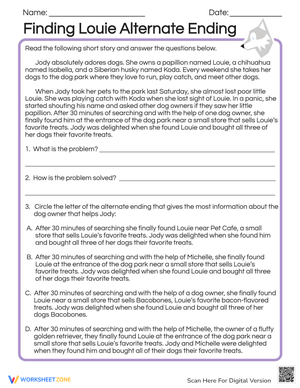
- Transition words in context — cloze paragraphs with word banks, plus open-choice versions where students supply their own transitions without a bank to rely on
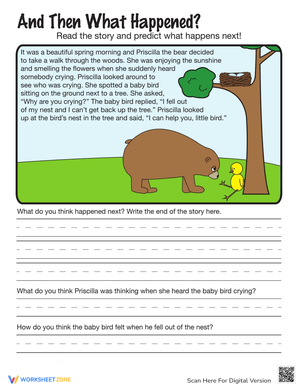
- Concluding sentences in isolation — students receive a topic sentence and two supporting details, then write only the closing sentence; this targeted practice builds the closing move before students have to produce it inside a full draft
Working These Worksheets Into Your Writing Block
The most effective placement is as a pre-writing step inside a writing workshop structure—not as a revision tool after drafting. When teachers hand out the graphic organizer after a student has already written, students copy their existing sentences into the boxes instead of genuinely reconsidering their structure. Used before writing, the organizer does its actual job: forcing decisions about order before a single word goes on the draft page.
These 2nd grade organization and structure worksheets fit naturally into the ten minutes right after a whole-group mini-lesson, while the model is still visible on the board. Students who move from direct instruction to focused practice immediately—without a long transition—retain the structure more reliably than those who go from the lesson straight to a blank draft page. Protect that transfer window: keep the handoff short, get pencils moving, and let students work while the teaching point is still fresh.
For centers rotation, laminated copies of the sequence organizers work well with dry-erase markers. Students can sort and re-sort sentences without consuming paper copies. Save the printed versions for work that goes into a writing folder or portfolio, where you can track structural growth across the year.
Standard Alignment
The worksheets connect directly to CCSS.ELA-Literacy.W.2.3, which asks second graders to use temporal words (first, next, then, finally) to signal event order and to provide a sense of closure in narrative writing. They also support W.2.2, the informational writing standard that requires students to introduce a topic, supply facts, and add a concluding statement. In most second-grade classrooms, W.2.3 drives the fall writing units when students are building their first real experience with structured narrative; W.2.2 typically receives more instructional attention after winter break, once students have a working understanding of chronological sequence and are ready to apply that same organizational logic to factual content.
Adjusting the Worksheets for a Range of Writers in Your Room
For students still working on generating full sentences independently, reduce the required detail count—two supporting facts instead of three, or a simplified beginning-and-end organizer that skips the expanded middle section for now. This isn't lowering expectations for the skill; it's sizing the task so those students fill the boxes with real ideas rather than placeholder phrases just to complete the form.
Students who already write multi-sentence paragraphs without guided support can use the same worksheets with one added constraint: no word bank. They choose their own transitions. A stronger extension is to hand them a completed—but intentionally flawed—graphic organizer and ask them to identify what's wrong: an off-topic supporting detail, a missing closing sentence, a middle section with only one step. Evaluating a flawed example requires the same structural understanding as building a correct one, and it tends to surface students who have memorized the format without actually understanding why it works.
Frequently Asked Questions
Do these worksheets cover both narrative and informational writing?
Yes, and the set keeps the two genres separate rather than treating them as interchangeable. Narrative organizers use chronological frames (beginning, middle, end; before, during, after), while informational organizers use a topic-to-details-to-conclusion structure. Students who have only practiced story frames often apply a timeline to informational writing—listing facts in the order they learned them rather than grouping related ideas by category. Distinct organizers for each genre help break that habit early.
How often should I use these during a writing unit?
One or two per week during an active writing unit is enough. The goal is internalization, not completion. A student who has worked through three sequence organizers thoughtfully understands more than one who rushed through ten. Distribute the set across a semester rather than all at once, and revisit the same organizer type multiple times on different prompts—familiarity with the format lets students put more mental energy into the content instead of figuring out how the worksheet works.
Can I use these with students who are already writing strong paragraphs?
The 2nd grade organization and structure worksheets remain useful for advanced writers when you raise the task demand. Ask those students to plan a second paragraph using the same organizer, or have them swap completed organizers with a partner and critique the structure before anyone starts drafting. The underlying skill—matching evidence to claims, recognizing a weak ending—transfers regardless of how fluent a student already is.
My students freeze when they see a blank graphic organizer. What actually helps?
Oral rehearsal before pencil touches paper works consistently well. Have students tell their story or explain their topic to a partner while pointing at the empty boxes on the organizer. That verbal run-through lets students separate the job of generating content from the job of organizing it—two tasks that compete with each other when both happen in writing at the same time. After talking through it, students fill in the boxes from memory rather than staring at a blank frame with nothing to say.












 Interactive Worksheet Maker
 Quiz Maker
 Word Search Maker
 Crossword Puzzle Maker
 Word Scramble Generator
 Sentence Scramble Generator
 Handwriting Worksheet Generator
 Name Tracing Generator
 Fill In The Blank Generator