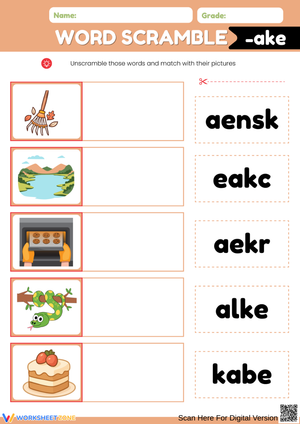
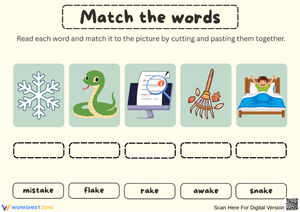
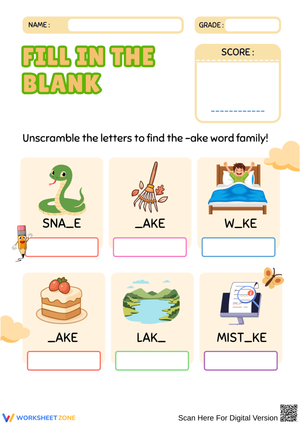
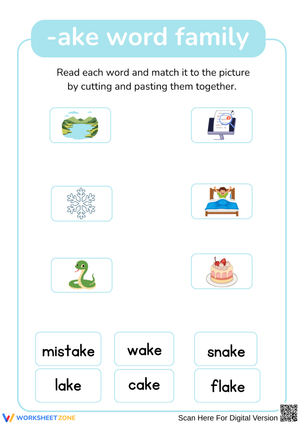
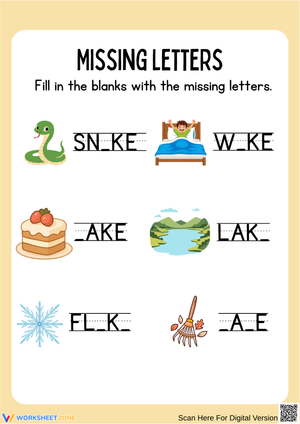
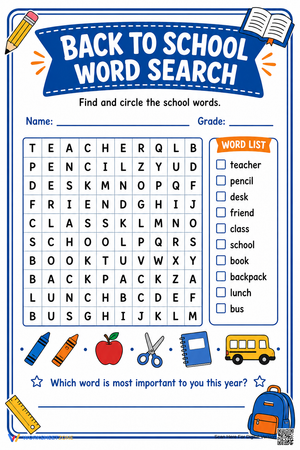
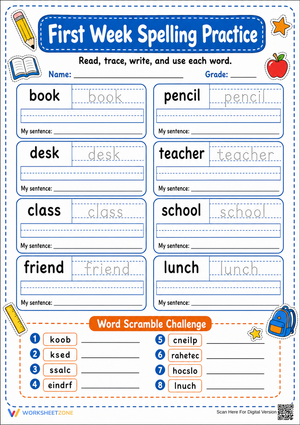
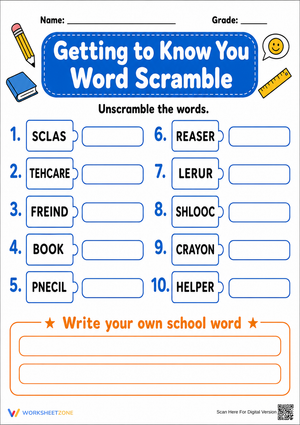
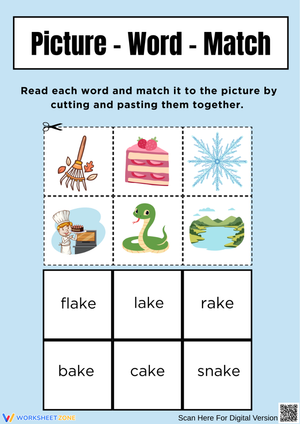
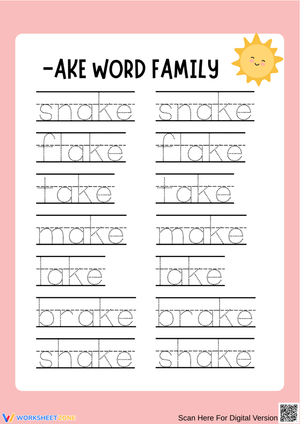
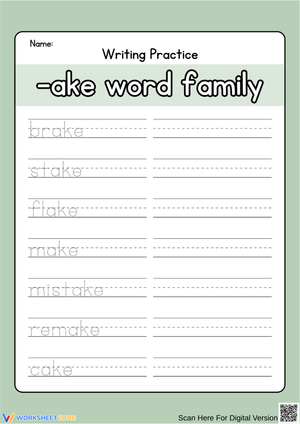
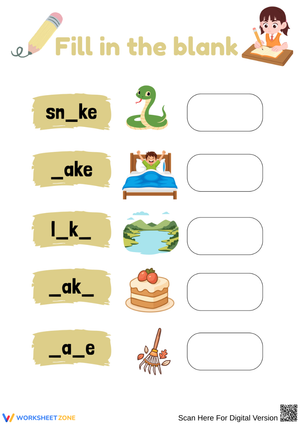
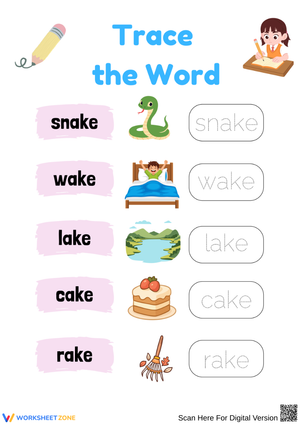
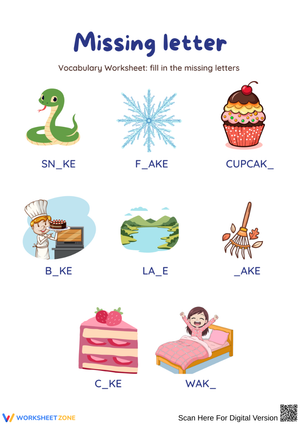
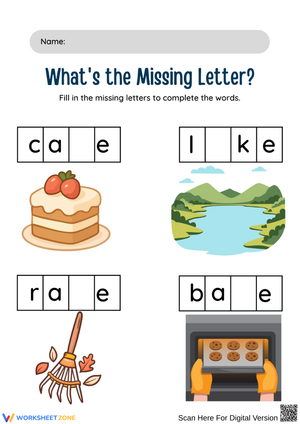
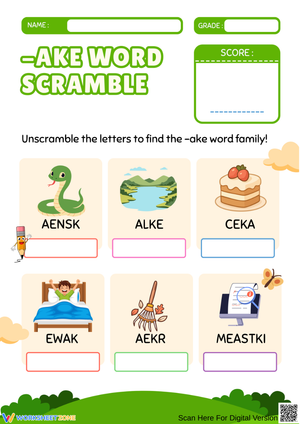
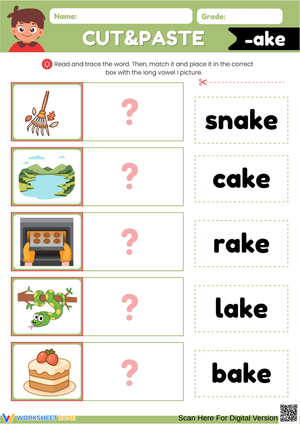
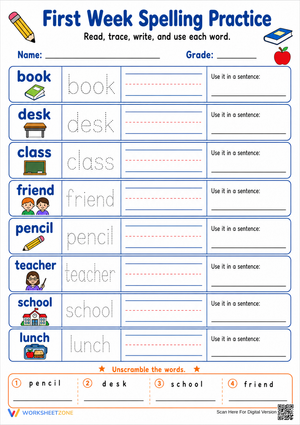
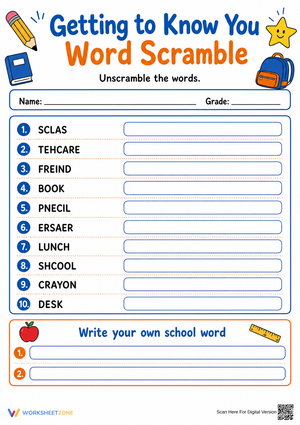
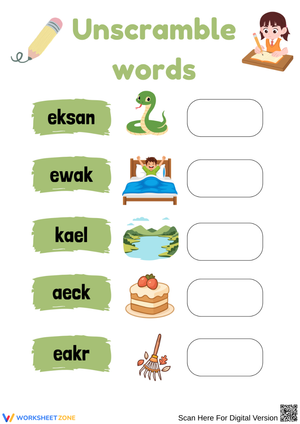
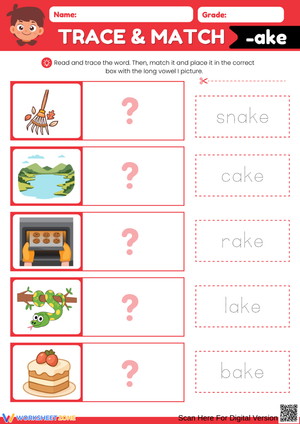
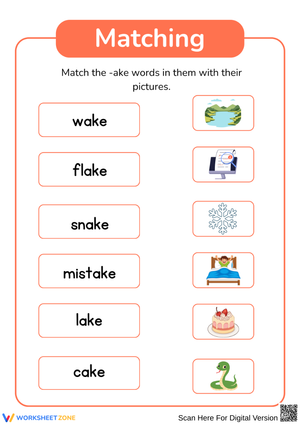
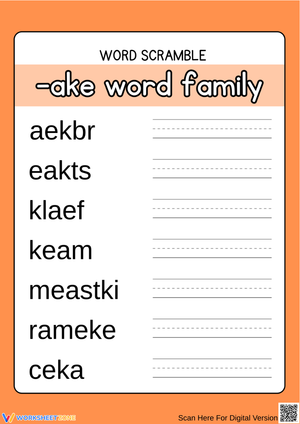
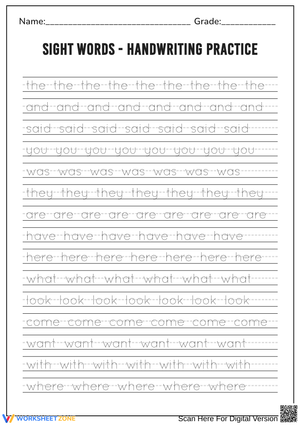
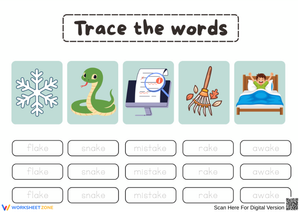
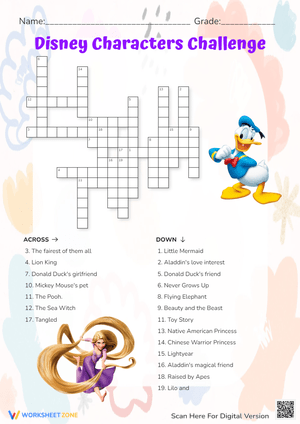
2nd grade spelling printable worksheets give second graders structured practice in the phonics patterns and high-frequency words that define this year's spelling curriculum. The set includes word sorts, sentence-completion activities, pattern identification tasks, and word-building exercises — formats that move students well past trace-and-copy into genuine orthographic analysis.
The Specific Skills Targeted Across the Set
Second grade is the year English orthography gets genuinely complex. Students who managed consonant-vowel-consonant words reliably in first grade now encounter vowel teams, r-controlled vowels, and the silent-e pattern — sometimes in the same week. Each worksheet focuses on one phonics category at a time, which keeps students from trying to apply two rules simultaneously when one is still fragile.
- Long vowel teams — ai/ay, ee/ea, oa/ow, and igh, with sorting tasks that isolate each spelling before mixing them
- R-controlled vowels — all five spellings (ar, or, er, ir, ur) in single-syllable words, with enough repetition to help students visually distinguish -er, -ir, and -ur
- Consonant blends and digraphs — three-letter blends at word beginnings (str-, spl-, thr-) and digraph endings (-ck, -ng, -nk)
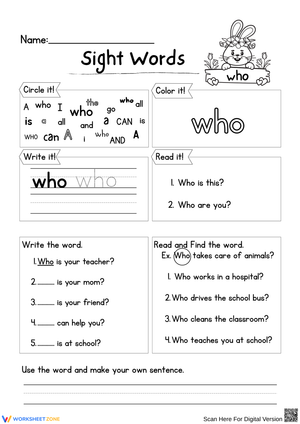
- High-frequency words — Fry and Dolch second-grade words embedded in sentence context, not isolated on a standalone list
- Inflectional endings — -ed, -ing, -er, and -est applied to base words, including the consonant-doubling rule
Student Error Patterns Worth Knowing Before the Week Starts
The predictable second-grade spelling errors are worth anticipating before anything gets handed out. Students who have internalized short vowels apply that logic to long vowel words — writing "rane" for rain or "bote" for boat is extremely common in September and October. The phonics reasoning is not wrong; students are applying last year's rule to this year's words. Word sort worksheets in the set make this visible: when a student consistently places "rain" in the short-a column, you have precise information about where to reteach.
R-controlled vowels generate a different category of confusion. Because "hurt," "bird," and "fern" use three different spellings for the same vowel sound, students frequently swap them — "burd" and "hert" appear constantly in early second-grade writing samples. The worksheets group -er, -ir, and -ur words together explicitly so students confront the inconsistency head-on rather than encountering it one word at a time across random writing tasks.
High-frequency words create their own patterns. "Said," "friend," and "because" are among the most persistently misspelled words in second-grade independent writing precisely because they resist phonetic decoding. Students who rely on sound-symbol correspondence write "sed," "frend," and "becuz." Sentence-completion activities in the set require students to retrieve these spellings in context, which does more for long-term retention than isolated list study.
Working These Worksheets Into Your Weekly Literacy Block
The most efficient use of the set: assign the pattern introduction worksheet on Monday during morning warm-up. Students sort six to eight words by vowel team before the day fully starts — this takes about eight minutes and primes pattern recognition without eating into read-aloud or guided reading time. By Tuesday and Wednesday, the word-building and sentence-completion worksheets fit naturally into literacy center rotations while you pull small groups. Students work through them independently, and the format lets you scan completed work in under two minutes per student during a transition.
The application-level work is where 2nd grade spelling printable worksheets resources show their full instructional value. The Thursday worksheets — asking students to write original sentences using the week's pattern words or identify vowel teams inside a short passage — are harder than a list test and reveal more. Students who sorted words accurately on Monday sometimes stall here, which is exactly the information you need before Friday's formal assessment.
These also travel home as homework without requiring a parent explanation sheet. Directions on each worksheet use plain, student-readable language, so families can support practice at home without needing to understand the phonics terminology behind the task.
Standard Alignment
The primary standard these worksheets address is CCSS.ELA-LITERACY.L.2.2d, which calls on students to "generalize learned spelling patterns when writing words." That word generalize is doing real instructional work — the goal is not that students memorize twenty words but that they internalize a rule that transfers to unfamiliar words. Pattern sorts and word-building activities are the appropriate format for meeting that standard; word-list memorization alone is not. The set also connects to CCSS.ELA-LITERACY.L.2.2e (consulting reference materials to check and correct spelling) through self-correction activities where students compare their own attempts to a model. In practical classroom terms, the vowel-team and blend work students do across these worksheets directly prepares them for the language-strand writing demands in second-grade assessments.
Adapting These Worksheets Across the Ability Range in One Room
Most second-grade classrooms hold a fifteen-month span of spelling development. Students at the lower end may still be consolidating short vowels and CVC-e patterns; students at the upper end are ready for multisyllabic words and suffix rules. The set holds up across that range without requiring completely separate materials for each group.
For students who need more gradual entry, use the tracing and sorting worksheets and reduce the word count — six words instead of twelve keeps the focus on pattern learning rather than memory load. Several worksheets include letter-shaped word boxes that provide visual support while keeping the student engaged in the same cognitive task as the rest of the class. Students working at grade level move through the full sequence without modification. Advanced spellers benefit most from the suffix extension worksheets: tasks that ask students to build "rainfall," "rainy," and "raincoat" from the base word "rain" cross into real vocabulary development and are more genuinely demanding than simply adding more words to the weekly list.
When using 2nd grade spelling printable worksheets resources with below-grade-level students, resist cutting entire activity types. Reducing word count while maintaining the format — sort, build, apply — preserves the instructional logic of the sequence and keeps struggling spellers working through the same thinking steps as their peers, just with a smaller, more targeted word set.
Frequently Asked Questions
What phonics patterns does this set cover?
The worksheets address the core second-grade phonics sequence: long vowel teams (ai/ay, ee/ea, oa/ow, igh), r-controlled vowels across all five spellings, three-letter consonant blends, common digraphs, and inflectional endings including the consonant-doubling rule. High-frequency words from the Fry and Dolch second-grade lists are integrated throughout sentence-based activities rather than grouped on separate vocabulary sheets.
How many spelling words should second graders practice each week?
Ten to twelve words is the range most second-grade teachers find sustainable. That typically means eight to ten words following the week's phonics pattern plus two or three high-frequency words that require direct memorization. Lists shorter than eight words often don't provide enough exposure for a pattern to generalize; lists longer than fifteen tend to shift the cognitive work from pattern learning to rote memorization — students pass Friday's test but the learning doesn't show up in their independent writing. For students with IEP accommodations or significant spelling delays, five to seven highly targeted pattern words produces better transfer than a reduced version of the full class list.
Can these worksheets be used as spelling assessments?
The application-level worksheets — sentence writing, passage identification, and word-building tasks — function well as formative assessments when reviewed before Friday's formal test. They show transfer in a way a dictated word list doesn't. The 2nd grade spelling printable worksheets set is not built as a summative assessment tool, but the Thursday application formats give you enough information to make informed grouping decisions and to identify students who need pattern reteaching before moving to the next unit in the sequence.












 Interactive Worksheet Maker
 Quiz Maker
 Word Search Maker
 Crossword Puzzle Maker
 Word Scramble Generator
 Sentence Scramble Generator
 Handwriting Worksheet Generator
 Name Tracing Generator
 Fill In The Blank Generator