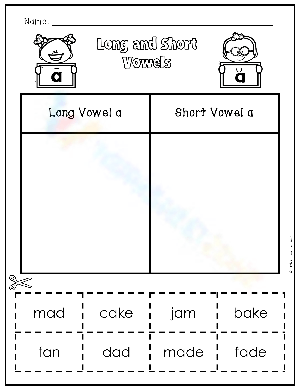
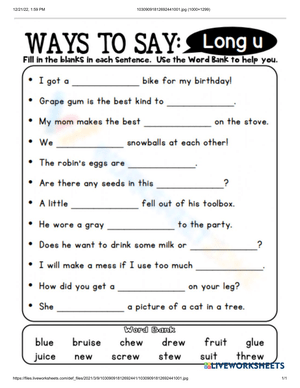
These vowels worksheets for 2nd grade cover the complete second-grade phonics arc in standalone form — short and long vowel contrasts, silent e transformations, vowel teams, diphthongs, and variant vowel sounds. Teachers can pull exactly the practice a student group needs without hunting through a larger packet or building activities from scratch.
What the Set Covers, Pattern by Pattern
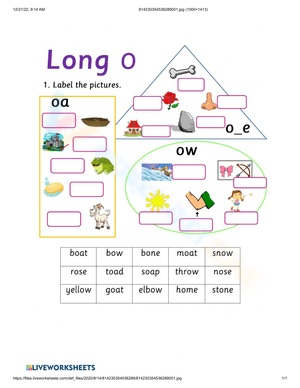
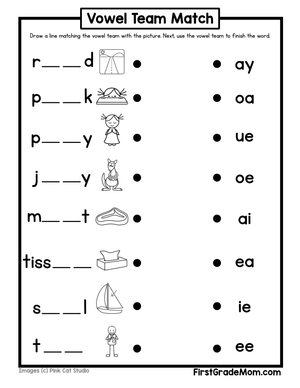
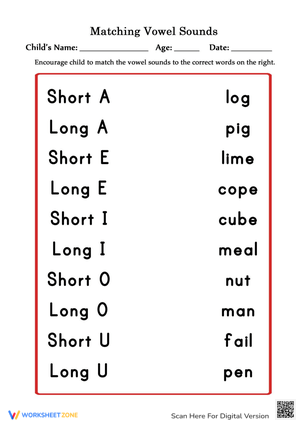
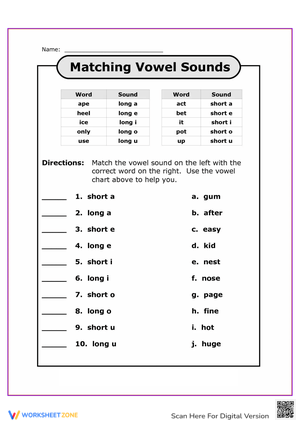
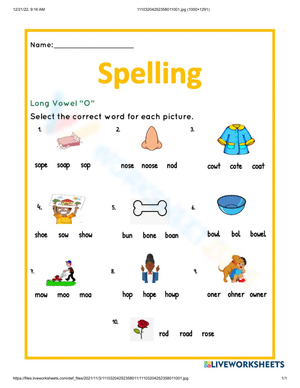
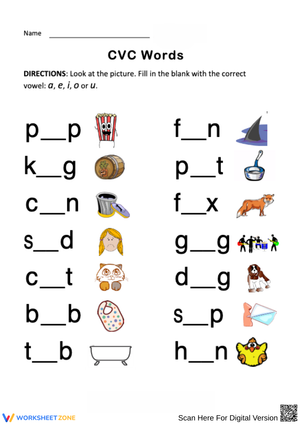
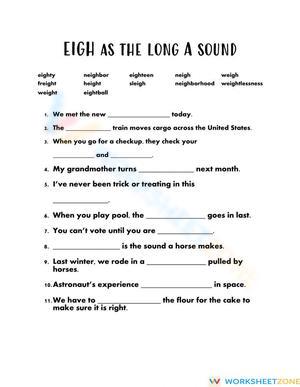
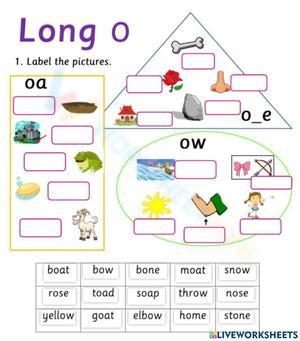
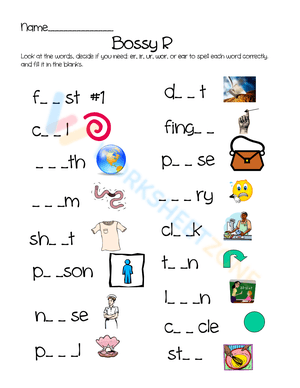
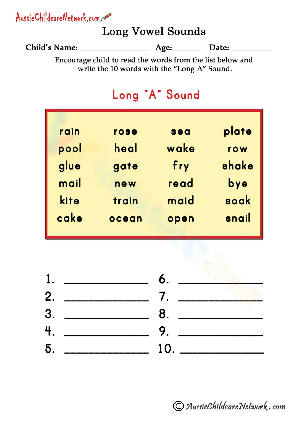
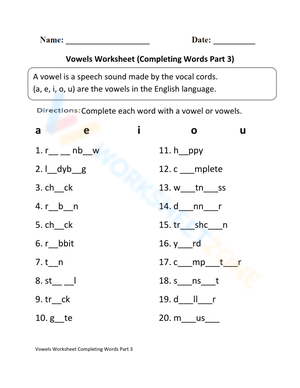
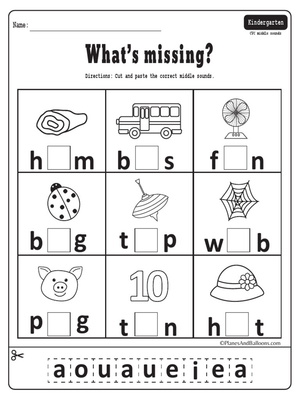
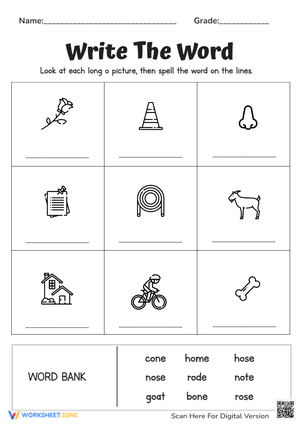
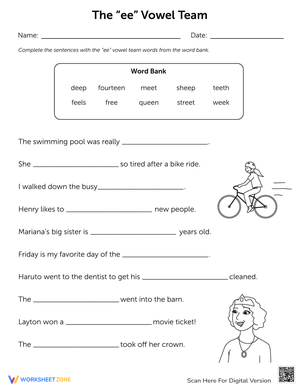
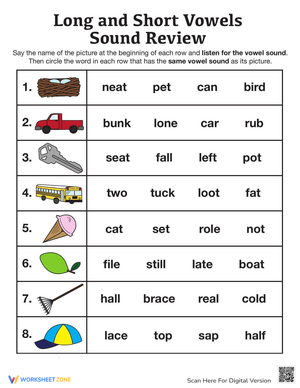
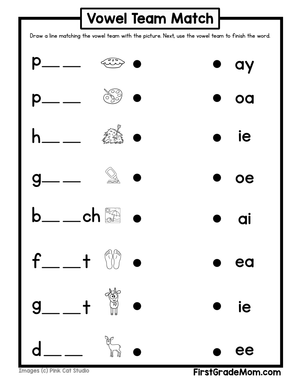
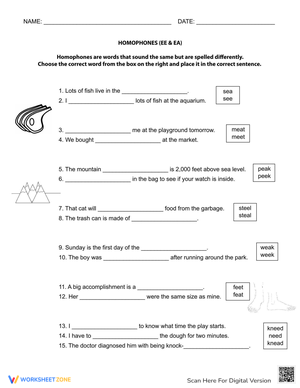
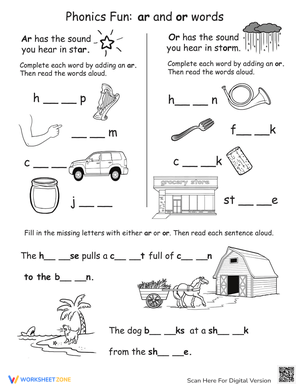
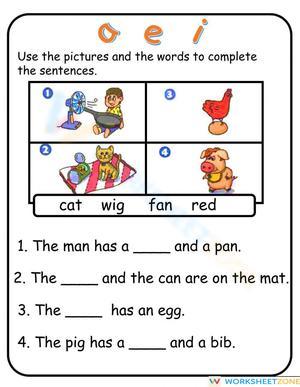
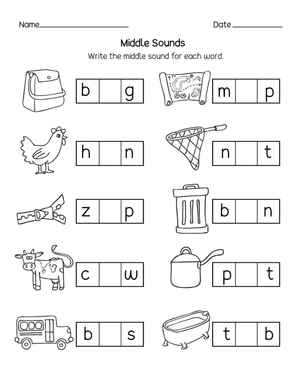
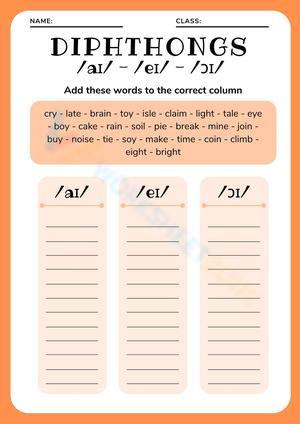
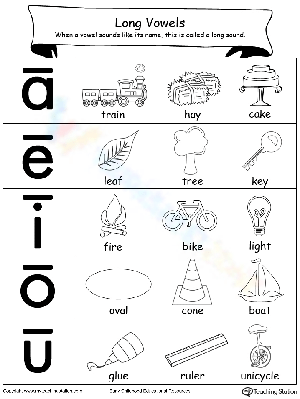
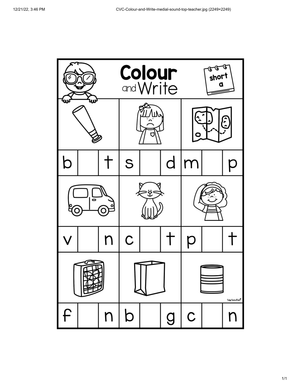
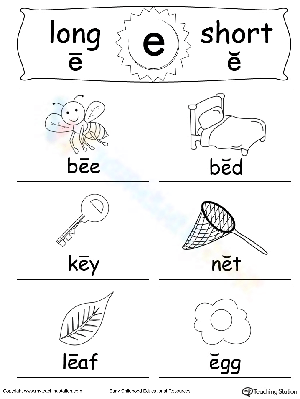
The worksheets move through the standard instructional sequence second-grade phonics demands. Early in the year, students practice distinguishing short vowel sounds in CVC words and identifying how the same letter produces different sounds depending on word structure. From there, the set addresses the silent e (CVCe) pattern — "kit" to "kite," "hop" to "hope" — where students add the final e and mark how the medial vowel changes. Later worksheets target vowel teams: ai and ay, ee and ea, oa and ow. The final worksheets address diphthongs (oi, oy, ou, ow) and variant vowel sounds, including the two distinct sounds of oo in "book" versus "moon."
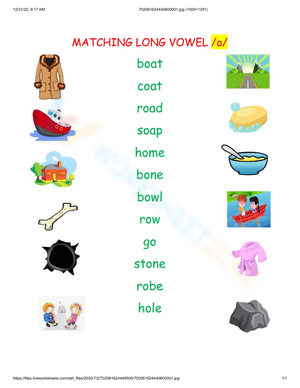
Activity types vary deliberately across the set, because a student who sorts "rain" and "day" correctly on a word card may still misread those same patterns mid-sentence. Students work through:
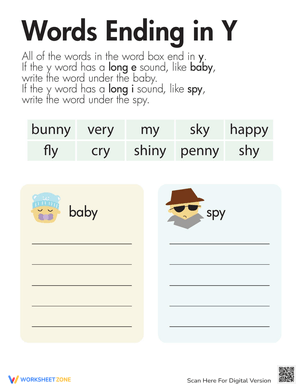
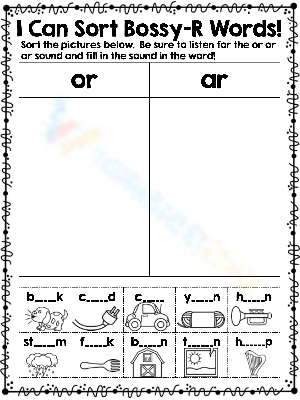
- Word sorting by vowel sound into labeled columns
- Underlining or circling target patterns in word lists and short passages
- Rewriting short-vowel words with silent e added, then reading both aloud
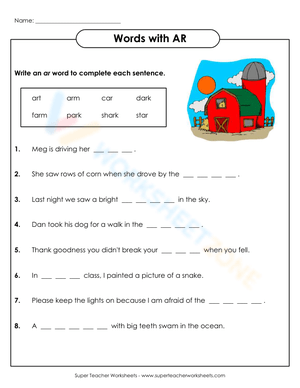
- Sentence completion by choosing between two correctly and incorrectly spelled words
- Annotating connected text to locate a single target vowel team throughout
Moving between task types surfaces gaps that any single format would miss. The annotation tasks in particular reveal whether students recognize a pattern in isolation versus inside running text — a meaningful distinction for predicting oral reading accuracy.
Errors That Surface Consistently in Second-Grade Phonics Work
The most predictable mistake with the vowels worksheets for 2nd grade is what teachers sometimes call the "first vowel wins" overgeneralization. Students learn that vowel teams typically signal the long sound of the first vowel, then apply that rule without exception — reading "head" as /hiːd/ and "bread" as /briːd/ immediately after mastering the ea pattern from "bead" and "leaf." When the ea team shifts to a short /ɛ/ sound, students feel genuinely confused rather than careless. Worksheets that group ea words from both sound categories side by side force that distinction in a way that re-explaining the rule does not.
Silent e produces its own diagnostic data through overgeneralization. Once students internalize that final e makes the vowel say its name, they start reading "come" as /koʊm/ and "some" as /soʊm/. That error is actually encouraging — it shows they learned the rule — but it needs to be caught and named explicitly. Diphthongs generate the same pattern in a different direction: a student who has learned /oʊ/ for "ow" will confidently misread "owl" and "now," because the same two letters produce an entirely different sound in those words with no visual marker to signal the shift.
Fitting These Worksheets Into Your Weekly Phonics Block
The most efficient placement is at the word-work station during literacy centers, where students have 12–15 minutes of independent or paired work. Sorting worksheets run cleanly in that window. Sentence-completion worksheets — where a wrong choice produces a real word ("hop" vs. "hope") — work better when a teacher or aide can catch errors in real time rather than letting students finish a full worksheet with the wrong mental model. On Mondays, a short-vowel review worksheet from the previous week's pattern takes fewer than ten minutes and reactivates prior knowledge before instruction on the new pattern begins. That's spaced retrieval operating on a tight classroom schedule.
For whole-group work, the annotation worksheets project cleanly on a document camera. The class marks the same worksheet together, students explain their reasoning aloud, and the worksheet becomes a shared record of the discussion. That same vowels worksheets for 2nd grade format then serves as an independent formative check the following day — because the task structure is already familiar, completed work reflects phonics knowledge rather than confusion about the directions.
Standard Alignment
These worksheets address CCSS.ELA-Literacy.RF.2.3, the second-grade foundational skills standard for phonics and word recognition. The short/long vowel contrast and silent e worksheets map directly to RF.2.3a — distinguishing long and short vowels when reading regularly spelled one-syllable words. The vowel team and diphthong worksheets address RF.2.3b — knowing spelling-sound correspondences for additional common vowel teams. In practical classroom terms, RF.2.3a governs roughly the first two months of phonics instruction, and RF.2.3b carries the remaining months of the year. Both sub-standards appear in district-level benchmark assessments, and gaps in either tend to show up clearly in oral reading fluency scores by the end of second grade.
Adjusting the Set for Students at Different Points in the Progression
The phonics progression itself provides a built-in structure for differentiation. Students still working on short-vowel accuracy in CVC words need the early worksheets — sorting short vowels by sound, completing CVC words from picture prompts — before silent e instruction will hold. Rushing those students to vowel teams while short-vowel reading is still effortful adds cognitive load without building accuracy. The vowels worksheets for 2nd grade set makes it straightforward to keep groups on different worksheets within the same broad topic, so a classroom's three reading groups can all be doing vowel work simultaneously without requiring three entirely separate lesson plans.
For students who have moved through the standard sequence quickly, the diphthong and variant vowel worksheets involve genuine ambiguity — particularly the two oo sounds and the dual roles of ow — and require context-dependent decision-making that pushes toward fluent reading behavior. Within a single worksheet, you can raise the ceiling further by asking those students to write original sentences using the target vowel team rather than simply completing the provided activities. That's a different kind of thinking than pattern recognition, and it shows quickly who has internalized the sound versus who is still pattern-matching visually.
Frequently Asked Questions
Why do students keep missing the "ea" exception words even after direct instruction?
Because "when two vowels go walking" is taught as a rule, and the exceptions — "head," "bread," "dead," "sweat" — arrive before students have enough reading experience to build intuition about categories. Direct comparison worksheets that place "bead" next to "bread" and ask students to sort by sound are more effective than re-explaining the rule. The sorting task forces the auditory discrimination; restating the rule does not.
How often should short vowels cycle back once we've moved to vowel teams?
Weekly. Short-vowel accuracy drops noticeably when it isn't practiced alongside newer patterns — students start misreading CVC words because their attention is trained on the new rule. One short-vowel review worksheet per week, interleaved with the current pattern, maintains accuracy without taking significant time. It also prevents a common phenomenon in oral reading where a student handles vowel teams correctly in isolation but stumbles on short-vowel words mid-sentence because they're scanning for patterns that aren't present.
Can completed worksheets function as assessment data rather than just practice?
Yes — and the error pattern matters more than the score. A student who consistently reads "ow" as /oʊ/ in every position is making a categorical error, not random mistakes. Collecting worksheets at the end of a unit and reviewing error types by pattern takes about five minutes per student and produces more instructional information than a single scored quiz. Mark which pattern the errors cluster around, and that tells you exactly which worksheet to revisit with that student next week.
What should I do when a student completes a vowel worksheet accurately but still misreads the same patterns during oral reading?
That gap is common and meaningful. Worksheet tasks ask students to analyze at a controlled pace; oral reading demands automatic retrieval under full cognitive load, where attention is also on meaning, syntax, and fluency. The answer is not more worksheets — it's repeated oral reading of decodable texts dense with the target pattern. Use these worksheets as the introduction and analysis tool, then follow with three to five minutes of reading decodable sentences aloud where the same pattern appears in connected text.












 Interactive Worksheet Maker
 Quiz Maker
 Word Search Maker
 Crossword Puzzle Maker
 Word Scramble Generator
 Sentence Scramble Generator
 Handwriting Worksheet Generator
 Name Tracing Generator
 Fill In The Blank Generator