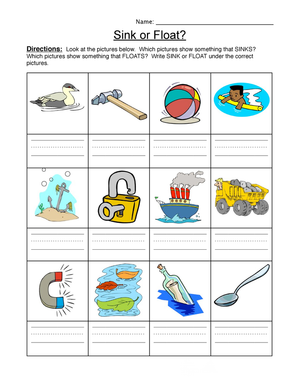
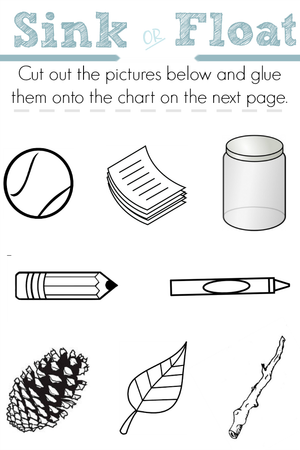
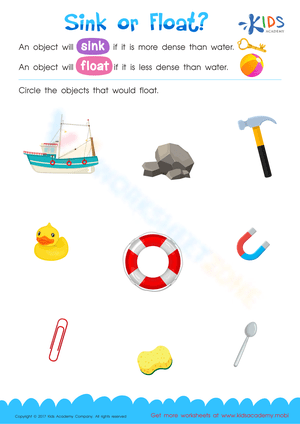
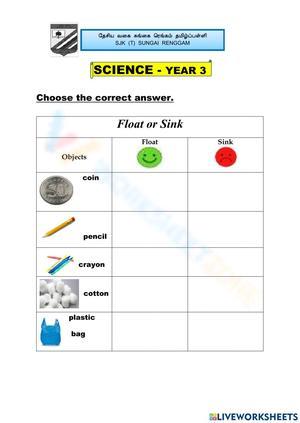
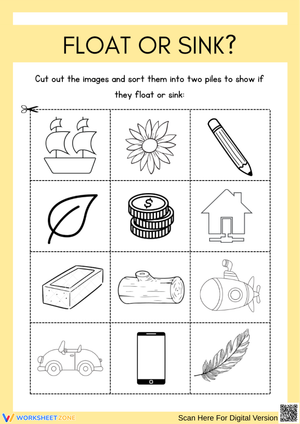
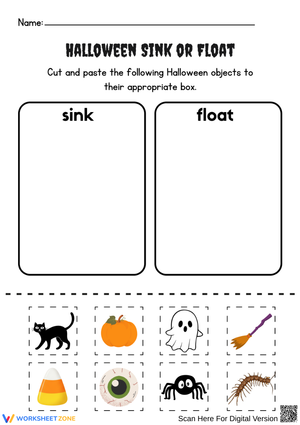
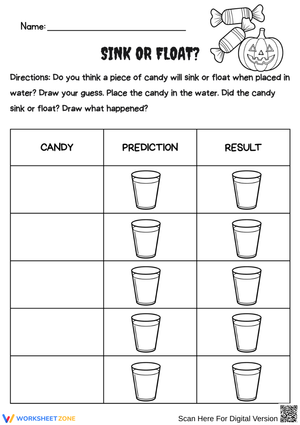
These sink or float worksheets for 1st grade give teachers a reliable recording structure for one of early science's most unpredictable activities — the water table test. Without a worksheet in hand, students drop objects, watch them sink or bob, and move on without retaining anything systematic. With a well-designed recording sheet, that same five-minute experiment becomes a data-collection lesson they can revisit and discuss for the rest of the unit.
What Students Practice on Each Worksheet
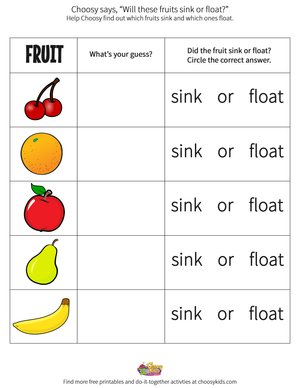
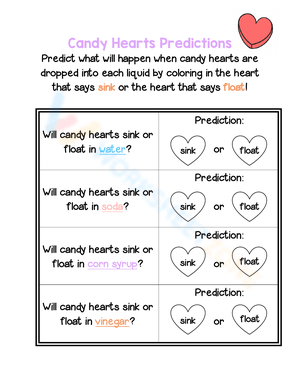
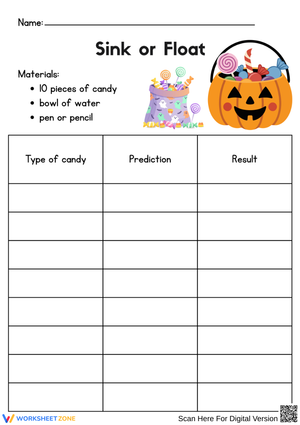
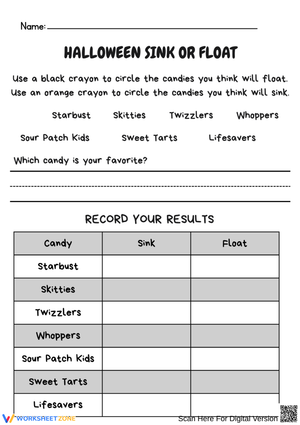
The core task across most worksheets in a sink or float worksheets for 1st grade is the predict-observe-record cycle. Before testing begins, students mark their prediction next to each pictured object. After the test, they record the actual result in a second column and note whether their prediction was correct. That three-step structure trains first graders to separate what they expect from what they see — harder at age six than it sounds.
The set includes several distinct worksheet formats, each serving a different moment in the lesson:
- Prediction and result charts — students fill a pre-test prediction column, then complete the result column object by object during the experiment.
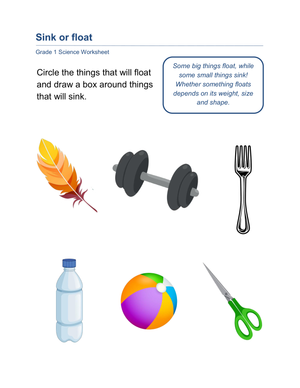
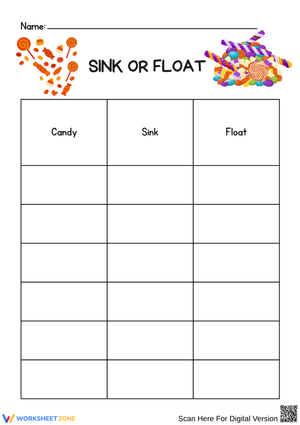
- Cut-and-paste T-charts — students cut illustrated objects and physically sort them into "Sink" and "Float" columns, reinforcing classification through a tactile step before or after testing.
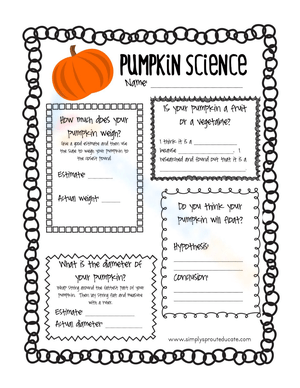
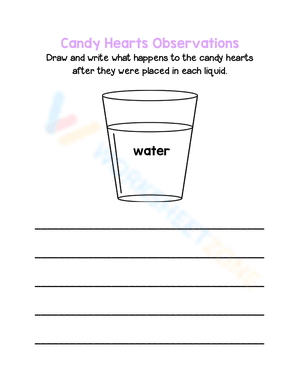
- Simple investigation sheets — adapted for early readers, these include a hypothesis box, a space to record materials used, and a sentence-starter conclusion prompt.
- Vocabulary pages — students trace or copy terms like sink, float, predict, and material, then match each to a picture and use it in a guided sentence.
Frequent Student Errors Worth Catching Before They Calcify
The dominant misconception in every first-grade sink-or-float lesson is the weight-equals-behavior assumption. Students who have correctly learned that rocks sink will apply that logic broadly — predicting that a large foam block sinks because "it's big and heavy." When the foam block floats and a small steel washer sinks, many students instinctively reach for their prediction sheet and erase, trying to make their guess match reality. Watch for the erasing. It tells you the student doesn't yet understand that a wrong prediction is scientifically useful data, not a mistake to hide. Address it directly: recorded wrong predictions are exactly what scientists need.
A subtler error surfaces when students test aluminum foil. A flat sheet floats; a crumpled ball of the same foil sinks. Students who have just accepted that material determines behavior suddenly face one material producing two outcomes. Most first graders explain this as "it changed" or "it got heavier." Worksheets that prompt students to test both versions of the foil and record both results surface this confusion without requiring a dense vocabulary lesson — they just document what they saw and leave the question open for class discussion.
Standard Alignment
The nearest NGSS anchor standard is 2-PS1-1, which asks students to plan and conduct investigations that describe and classify materials by observable properties. That standard sits formally at second grade in the NGSS progression, but many state frameworks introduce the foundational observation work in first grade as direct preparation. Using these worksheets in first grade means students arrive at second grade already fluent with the predict-test-record procedure, so the 2-PS1 unit can move directly into property categories rather than rebuilding procedural habits from scratch.
The science practice these worksheets most directly support is Planning and Carrying Out Investigations (NGSS Practice 3) — specifically the K-2 expectation that students make predictions before testing and compare results to those predictions afterward. The crosscutting concept of Cause and Effect threads through every worksheet: the material an object is made of causes a specific behavior in water, and students document that relationship directly on each recording sheet.
Building These Worksheets Into the Science Block
The most effective sequence runs across two days rather than one. On day one, distribute only the prediction column — students examine each pictured object and record their guesses before a single test has occurred. On day two, the water test runs and students complete the result column in real time, object by object. Comparing the two columns at the end of day two drives the debrief discussion in a way that same-day prediction-and-test does not, because the predictions were genuinely made without any knowledge of the outcome.
For whole-class management, a sink or float worksheets for 1st grade works best when paired with a document camera showing the water tub. One student drops each object while the class records simultaneously. This keeps everyone engaged without the noise and spills of twenty-two simultaneous water tables. If you run small-group stations instead, assign a specific role to every student — one drops, one records on the shared chart, one checks the recorder's work — or half the group becomes spectators by the third object.
Adjusting the Set for Mixed-Ability Classrooms
For students reading below grade level or receiving ELL support, the picture-heavy prediction charts carry most of the cognitive load independently. Students who cannot yet decode "aluminum foil" can still identify the illustration and make a meaningful prediction. The sentence-writing investigation sheet is the one place where reading level creates a genuine barrier; substituting verbal dictation or offering a sentence frame ("I think the ___ will ___ because ___") resolves it without removing the thinking task.
Students who move through the basic prediction-and-record task quickly benefit from the extended investigation worksheet, which asks them to group tested objects by material type — metal, wood, plastic, natural — and identify patterns within each group. That task is genuinely harder than it appears: a grape (natural material) sinks while an apple (also natural) floats, and working through that contradiction occupies advanced first graders while the rest of the class finishes recording. The sink or float worksheets for 1st grade set includes both the entry-level chart and this open-ended investigation format, so teachers have the extension ready without building it from scratch.
Frequently Asked Questions
Can these worksheets be used without a live water experiment?
The prediction and sorting worksheets function as standalone tasks, but students who skip the live test tend to rely entirely on the weight assumption and never encounter the productive confusion that drives the conceptual shift. If a water test is not possible that day, a short video showing each object dropped into a clear container gives students enough observational data to complete the results column meaningfully.
How much class time does a typical sink-or-float lesson take when using these worksheets?
A prediction-only session runs about 15 minutes. The live testing session, including clean-up, runs 25 to 35 minutes depending on how many objects you test. Budget five additional minutes for the debrief where students compare their prediction columns to their results — that conversation is where the conceptual shift actually happens, not during the testing itself.
What objects produce the most instructive surprises for first graders?
The most useful objects are ones that contradict the weight-equals-behavior assumption: a pumice stone (dense-looking, floats), a small steel washer (tiny, sinks immediately), and a grape alongside a raisin (same fruit, different behavior after drying). A hollow plastic Easter egg loaded with modeling clay also works well — students test the empty egg first, then the loaded one, and record two different results for the same shell, which is exactly the kind of anomaly that keeps a first grader staring at the water long after the lesson has moved on.












 Interactive Worksheet Maker
 Quiz Maker
 Word Search Maker
 Crossword Puzzle Maker
 Word Scramble Generator
 Sentence Scramble Generator
 Handwriting Worksheet Generator
 Name Tracing Generator
 Fill In The Blank Generator




 BACK TOSCHOOL