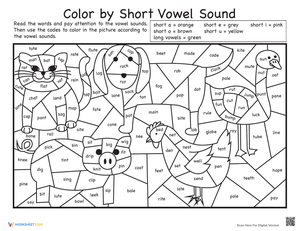
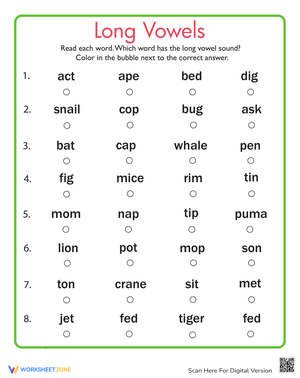
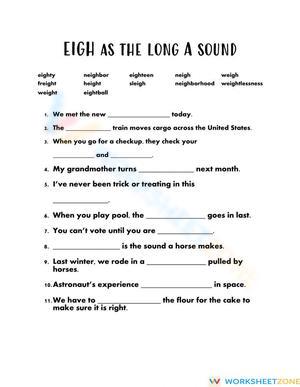
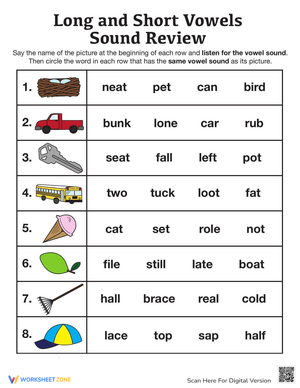
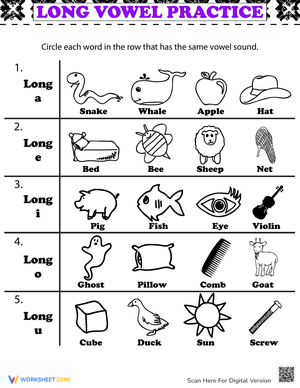
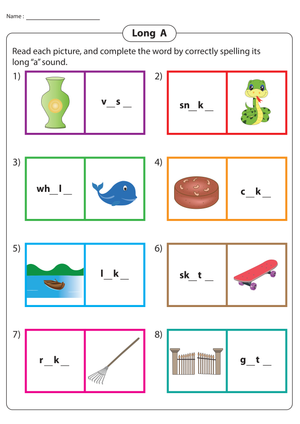
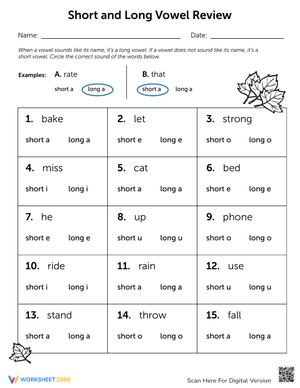
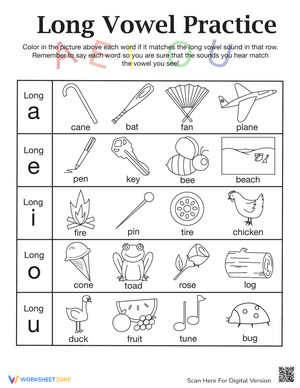
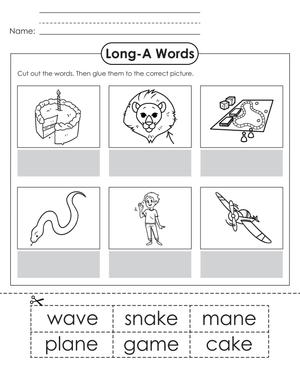
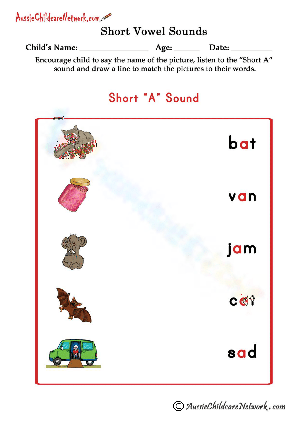
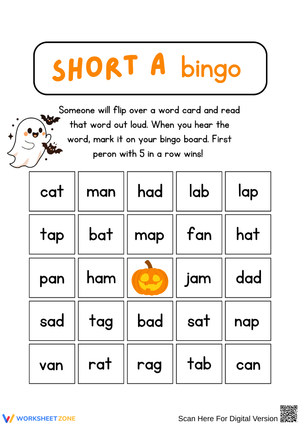
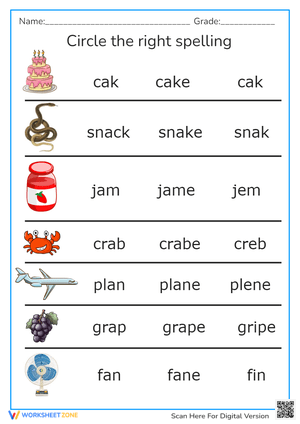
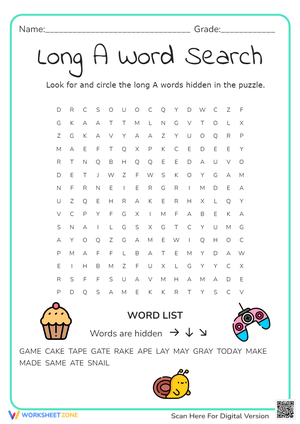
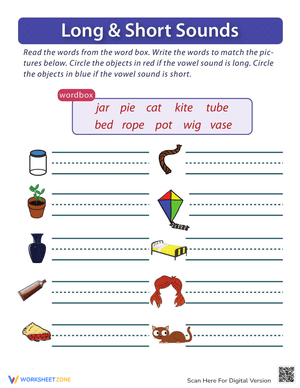
Long a and short a pdf worksheets for 1st grade give teachers a printable, focused resource for one of early phonics' most consequential contrasts — the difference between the vowel in cat and the vowel in cake, rain, and play. Each worksheet targets a specific spelling pattern or comparison point, keeping the task demand low enough for emerging readers while building the automatic recognition first graders need before they move into connected text. The full set covers short a CVC words alongside all three main long a patterns — a_e, ai, and ay — with tasks that span listening, reading, sorting, and writing.
The Specific Skills Targeted
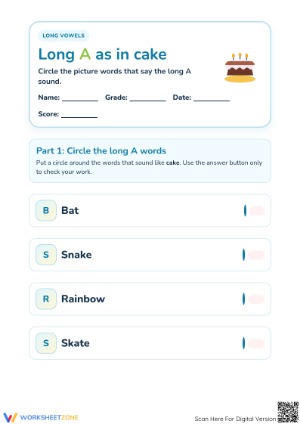
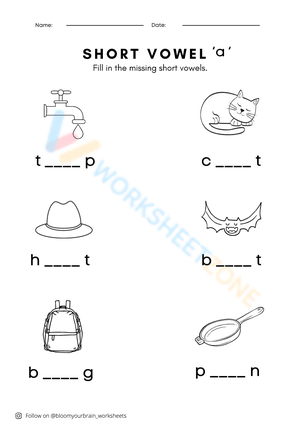
Short a appears in closed-syllable words where a final consonant blocks the vowel: cap, mad, fan. Long a says its name across three spelling patterns first graders encounter in sequence. The a_e pattern pairs a vowel with a non-adjacent final e to produce words like cape, name, and made. The vowel team ai appears inside a word — rain, mail, chain. The digraph ay typically anchors the end of a word — play, tray, say. That positional distinction — ai in the middle, ay at the end — is worth naming directly because students who understand position stop guessing and start applying a rule.
Across the set, students work through tasks that build from recognition to application:
- Circling or underlining vowel patterns in a word list
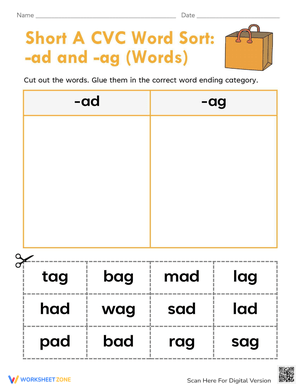
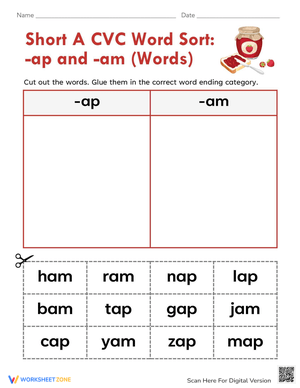
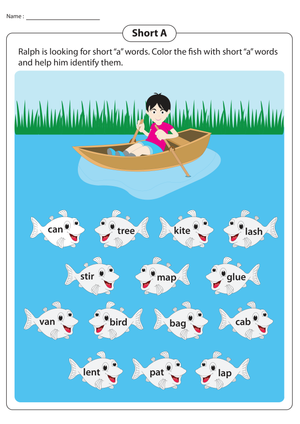
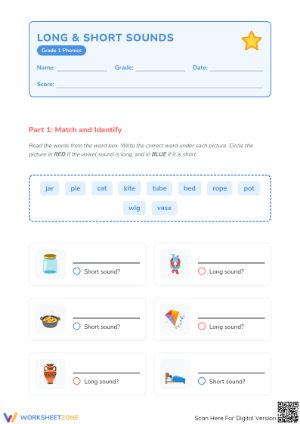
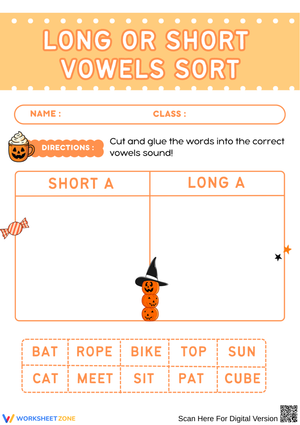
- Sorting pictures and printed words into short a and long a columns
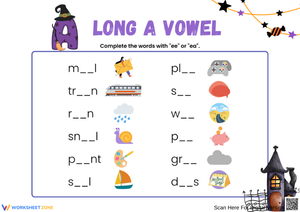
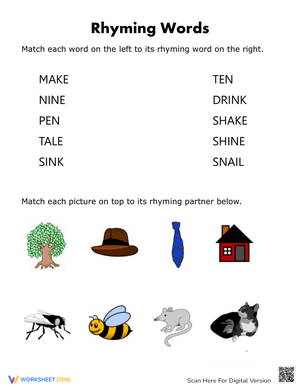
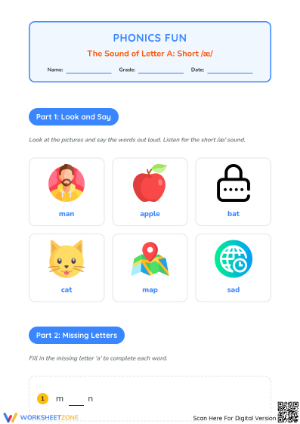
- Matching pictures to written word forms
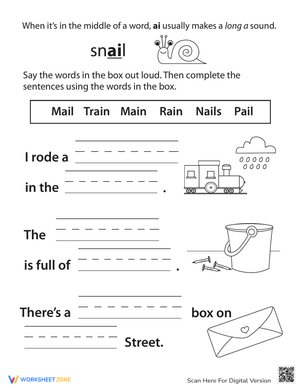
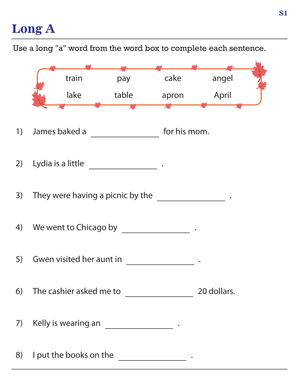
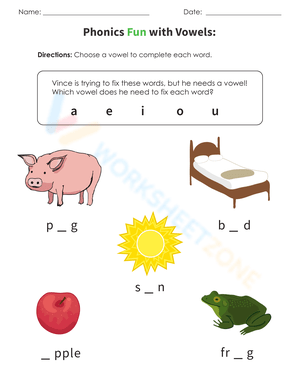
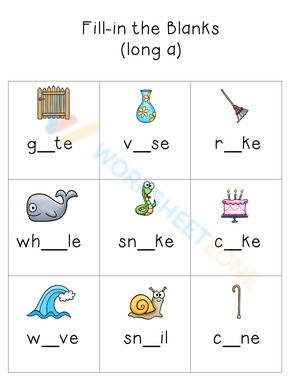
- Completing fill-in-the-blank sentences with one target pattern at a time
- Writing target words from picture prompts on mixed-review pages
Where First Graders Stumble With Long A and Short A
The most consistent error after introducing a_e is silent-e hypercorrection: a student who has just internalized that final e makes the vowel say its name will start attaching e to short a words — writing cape when the picture clearly shows a cap. Catch this early. When spelling-from-picture tasks reveal this pattern in student work, the concept of the closed syllable needs reinforcement, not more long a exposure.
A second problem surfaces with vowel team recognition. Students encountering ai for the first time often read rain as /ran/ because they apply the CVC decoding rule already in place: see a vowel followed by a consonant, assign a short sound, and move on. They finish processing the word before they look at the full spelling. The sort-and-match tasks in these worksheets counter that reflex by requiring students to examine the complete vowel spelling before placing a word in a column.
A third error is subtler: students place day or say in the short a column because those words are high-frequency and familiar, and familiar words feel like they belong with the basics. Including those exact items on a sort — where the answer key flags the error — gives a clean window into whether the student has genuinely internalized long a or is still relying on word shape and frequency.
Building These Worksheets Into Your Weekly Phonics Sequence
A reliable structure for long a and short a pdf worksheets for 1st grade is a five-day cycle: introduce both sounds by ear on day one using oral word comparison and picture cards; use one worksheet on day two for reading and sorting a_e words against short a CVC words; add ai on day three through a matching or sentence-completion worksheet; run a mixed-review worksheet on day four; and assign a short independent check on day five. That cycle keeps the phonics target in focus without stretching the unit across two weeks.
Rotating the task format while keeping the vowel focus constant produces better sustained attention than repeating the same activity type daily. If students sort words on Tuesday and complete fill-in-the-blank sentences on Wednesday, the phonics target stays consistent but the task feels fresh. The eight minutes before the class transitions to lunch or dismissal is a natural slot for a single independent page — students can finish a circle-the-sound or short decoding task without a lengthy setup.
One planning note worth building in: if a worksheet includes less familiar vocabulary like pail or mane, a thirty-second picture preview before independent work prevents errors that are really vocabulary gaps masquerading as phonics confusion.
Why This Format Supports Long A Instruction at the First-Grade Level
First graders are at a developmental point where phonological awareness is solid enough to support spelling pattern instruction, but working memory is narrow enough that competing patterns in a single lesson overwhelm processing. That is why sequence matters: short a first — already largely familiar — then one long a pattern introduced against that anchor, then comparison and mixed review. Introducing a new element against a known backdrop keeps cognitive load manageable, and each worksheet holds one variable steady so students' attention lands where the learning needs to happen.
Picture support is not decoration in this context. It reduces the reading demand on a task designed to isolate vowel sounds. A student who sees a drawing of a cake alongside the printed word connects spoken form to written form without guessing, which keeps the phonics task clean. Pulling picture cues before students have the pattern secure shifts difficulty to the wrong variable and produces frustration instead of learning.
Tailoring the Set for Different Readers in Your Class
Long a and short a pdf worksheets for 1st grade work across a wider ability range than most teachers expect, precisely because the same vowel contrast sits at different points in the phonics sequence for different students. A student still consolidating short a CVC words needs picture-heavy worksheets with fewer items and no writing demand. An on-level student sorts, reads, and writes target words within the same worksheet. A student who has already internalized a_e and ai benefits from extension work with ay words and short sentence reading — not a return to CVC sorts they already know cold.
The practical move is assigning different worksheets from the same set rather than building separate activities from scratch. If the set ranges from single-pattern picture sorts through mixed-review sentence pages, students work at their current level without the class splitting into visibly different tasks. Every student is working on long a and short a — just the worksheet that matches where they currently are in the sequence.
Standard Alignment
These worksheets align with CCSS.ELA-LITERACY.RF.1.3c, which requires first graders to know final-e and common vowel team conventions for representing long vowel sounds. In classroom terms, that standard lives in the phonics block — typically in weeks 10–20 of first grade, after CVC and consonant blend instruction is underway but before students move into multi-syllable decoding. The a_e pattern addresses the final-e component; the ai and ay patterns address the vowel team requirement. Mixed-review worksheets that ask students to read, sort, and spell across all three patterns give teachers direct evidence of mastery before moving to the next unit in the scope and sequence.
Frequently Asked Questions
Which long a pattern should teachers introduce first — a_e, ai, or ay?
For most first-grade classes, a_e creates the clearest contrast with short a CVC words and is the most productive starting point. The concept is demonstrable: cover the final e in cake and the word collapses toward a short a sound. That hands-on comparison helps students hear the vowel shift. Once a_e is solid, ai and ay follow more quickly because students already understand that spelling controls vowel length.
Can these worksheets support small-group intervention for struggling readers?
Yes. Students reading below level but with functional phonological awareness respond well to short, picture-supported worksheets with clearly defined tasks. In a small-group setting, read the directions aloud, then ask students to say the vowel sound before they write or circle anything. That oral-first move surfaces whether the confusion is at the sound level or the spelling level — and that distinction changes the next instructional step.
How do these worksheets fit alongside a core phonics program?
Long a and short a pdf worksheets for 1st grade supplement a structured phonics sequence — they don't replace one. When a core program introduces a_e in week 14, pull the corresponding worksheet for same-day guided practice or a next-day review. The mixed-review worksheets work particularly well at the end of a unit as a formative check before the program's built-in assessment.
What should teachers do when students decode long a words correctly in isolation but miss them mid-sentence?
That gap usually means the pattern is recognized but not yet automatic. Students are spending enough working memory on decoding individual words that the pattern breaks down when surrounding text adds processing demand. The fill-in-the-blank and sentence-completion worksheets in this set address that transition directly. Students who struggle at the sentence level typically benefit from returning briefly to isolated decoding — sorting or circling tasks — until word-level accuracy is fast and reliable before reintroducing sentence-level work.












 Interactive Worksheet Maker
 Quiz Maker
 Word Search Maker
 Crossword Puzzle Maker
 Word Scramble Generator
 Sentence Scramble Generator
 Handwriting Worksheet Generator
 Name Tracing Generator
 Fill In The Blank Generator