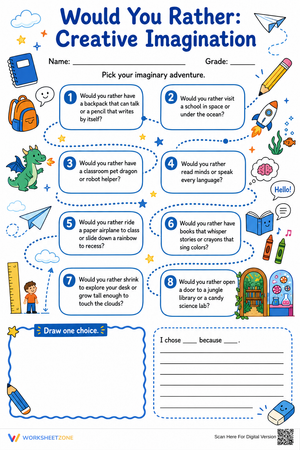
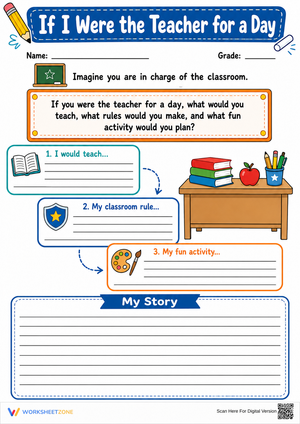
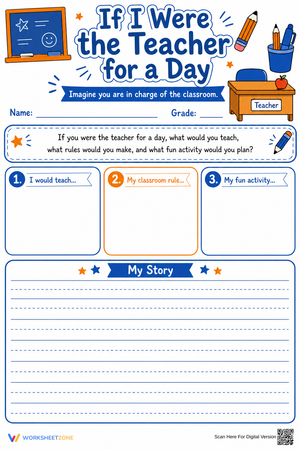
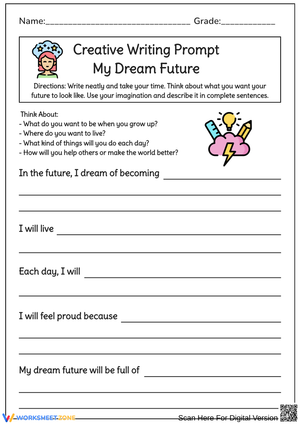
Why creative writing worksheets belong in a tight schedule
Most teachers already know their students need more time to write, and the national picture backs that up. According to the National Commission on Writing's report The Neglected R, most 4th graders spend less than three hours a week writing, roughly 15 percent of the time they spend watching television. Creative writing worksheets give you a fast, structured way to close that gap without redesigning your whole ELA block. Instead of open-ended prompts that leave reluctant writers staring at a blank page, a well-built worksheet supplies the scaffold—a scene, a character, a sequence of events—so students start writing in the first minute.
They also fit the reality of the school day. You can drop a single page into morning work, a literacy station, or a fast-finisher routine and get real narrative practice out of five to ten minutes. That flexibility is what makes printable practice worth keeping in a folder near your desk, ready for the moment a lesson ends early or a small group needs focused work. Keeping a rotating set on hand also means you are never scrambling to fill an unexpected gap in the day.
How the worksheets scaffold narrative writing standards
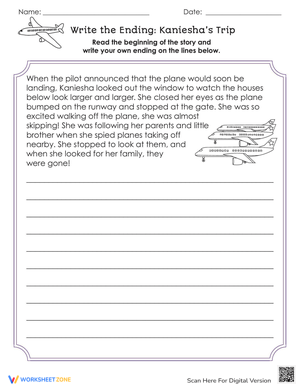
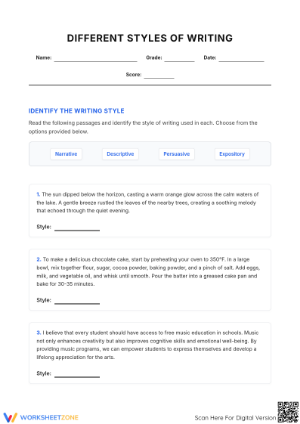
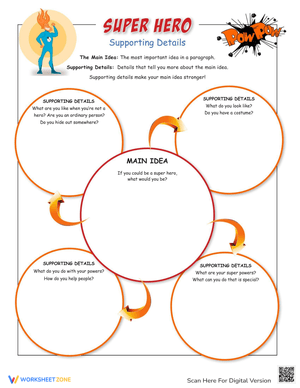
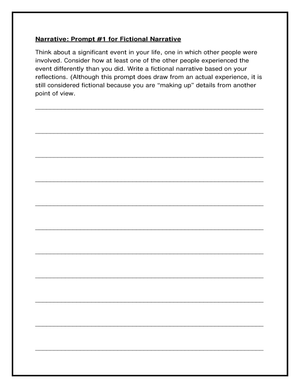
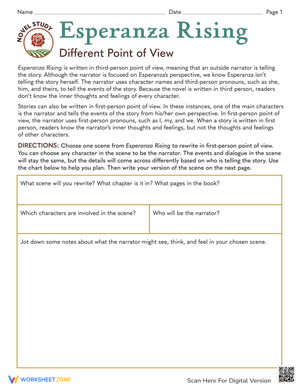
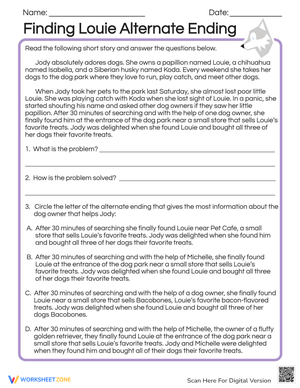
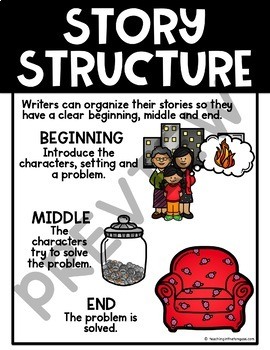
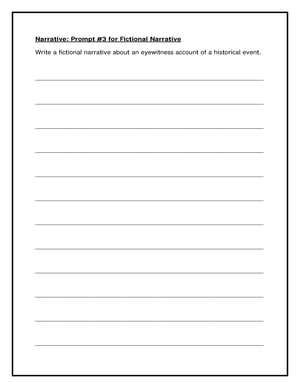
The Common Core State Standards writing strand asks students to write narratives that develop real or imagined experiences using effective technique, descriptive detail, and clear event sequences—standard W.3. Creative writing worksheets break that broad expectation into practice-sized pieces. One page might target sequencing with a beginning-middle-end organizer, another might isolate dialogue, sensory description, or a strong story opening, and a third might ask students to revise a flat sentence into a vivid one.
The Common Core State Standards Initiative states that in the W.3 strand, students should "write narratives to develop real or imagined experiences or events using effective technique, descriptive details, and clear event sequences." That single standard anchors nearly every creative writing worksheet you hand out, from second grade through eighth.
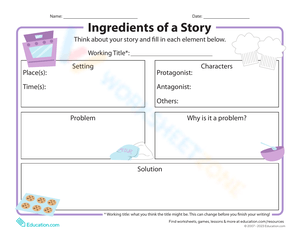
Because each sheet targets one skill, you can align a week of practice to whatever your narrative unit needs next. Struggling with weak endings? Pull the resolution sheet. Flat characters? Use the character-trait organizer before students draft the full story.
Matching worksheets to the right grade level
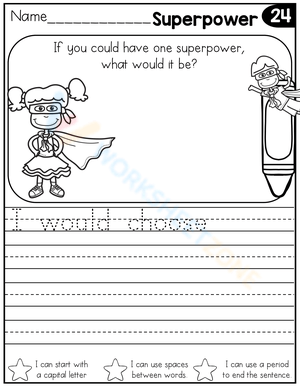
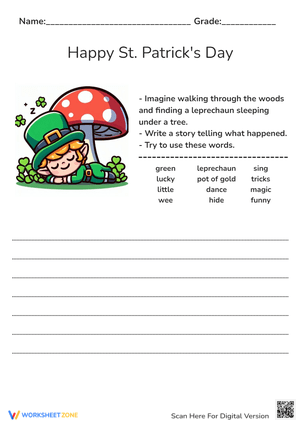
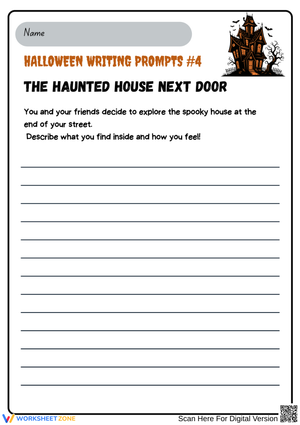
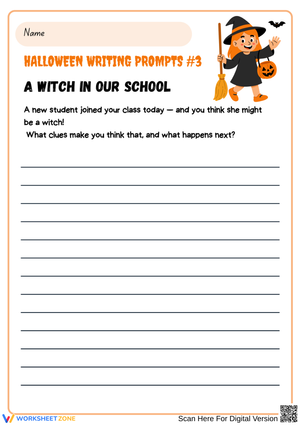
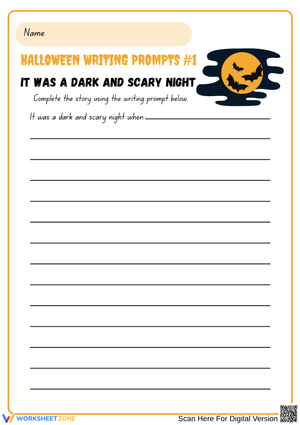
Structured worksheets and open-ended prompts serve different students, and the split usually falls along grade and readiness lines. In K-2 and with reluctant writers, tight scaffolds win: picture prompts, sentence starters, and word banks lower the barrier to entry. By upper elementary and middle school, many students are ready for extension prompts that hand them more creative control—an unusual setting, a plot twist to resolve, or a character with a secret to reveal.
Here's the nuance most pacing guides miss: the goal isn't to graduate every student off worksheets as fast as possible. A strong writer still benefits from a constraint-based sheet because constraints force craft decisions—choosing one precise verb, cutting a redundant sentence, landing a two-line ending. The worksheet stops being a crutch and becomes a rehearsal space for technique, which is exactly where research on structured creative writing activities points when it reports gains in writing quality, imagination, and motivation.
Classroom Implementation
Start by deciding what job each worksheet does in your week. A common rotation: Monday introduces a target skill with a whole-class model, Tuesday and Wednesday use worksheets for guided and independent practice, and Thursday folds the skill into a longer draft. Keep a labeled folder or bin by skill—openings, dialogue, description, endings—so you can grab the right sheet without searching.
Set a predictable routine so students learn that a creative writing page means quiet, sustained writing, not busywork. A visible timer, a word-count or sentence goal, and a quick share at the end turn a single sheet into a repeatable habit. Posting the routine on an anchor chart cuts the setup time even further after the first week. When practice is this consistent, you build toward the roughly 30 minutes of daily writing experts recommend but few students currently get.
Building writing practice across the curriculum
National data shows writing practice is heavily concentrated in ELA time. In the National Commission on Writing's findings, 75 percent of high school seniors report never receiving a writing assignment from their history or social studies teachers, while separate research finds only about 25 percent of middle school and 31 percent of high school students write around 30 minutes a day. Creative writing worksheets are an easy bridge into other subjects: a science class can write from the point of view of a water droplet, or a history class can draft a diary entry set in a specific year.
Handing content-area teachers a ready-made, low-prep page makes writing-across-the-curriculum goals realistic instead of aspirational, and it gives students more of the sustained practice the research says they're missing.
Frequently asked questions
1. How do creative writing worksheets meet Common Core narrative standards?
Each worksheet targets a component of standard W.3—sequencing events, developing characters, adding descriptive detail, or writing dialogue. Used in sequence, they let students practice the discrete techniques the standard names before combining them in a full narrative draft.
2. Which grade levels benefit most from structured worksheets?
Structured sheets with sentence starters and word banks help K-2 students and reluctant writers most. Upper-elementary and middle-school students often do better with extension prompts that offer more creative freedom, though even strong writers gain from constraint-based sheets that sharpen craft.
3. How much class time should go to creative writing each week?
Experts point to roughly 30 minutes of writing a day as a benchmark, yet only about a quarter of middle schoolers reach it. Short, frequent worksheet sessions—even five to ten minutes several times a week—help you move toward that target without overhauling your schedule.
4. Can these worksheets work for small-group intervention?
Yes. Because they isolate one skill, they're ideal for small groups: you can coach a single narrative move in real time and gradually fade the supports until students draft independently. The isolated skill also makes it easy to document progress for an intervention plan, since you can point to a specific narrative move a student now handles on their own.
5. How do worksheets help struggling or reluctant writers?
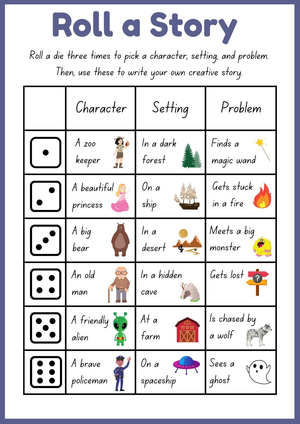
They remove the decisions that usually cause a freeze. When the character, setting, or first line is supplied, a hesitant writer can spend energy on sentences instead of getting started, which builds both confidence and output over time. Fading the supports gradually keeps that early momentum from turning into dependence.












 Interactive Worksheet Maker
 Quiz Maker
 Word Search Maker
 Crossword Puzzle Maker
 Word Scramble Generator
 Sentence Scramble Generator
 Handwriting Worksheet Generator
 Name Tracing Generator
 Fill In The Blank Generator