The Importance of Print Awareness in Early Childhood
Before a child can decode a single phoneme or recognize a sight word, they must understand that the marks on a page carry meaning and follow specific rules. In a kindergarten classroom, this awareness starts with the most basic interactions with physical books. Teachers know that children enter the classroom with varying levels of exposure to print. Using how books work printable worksheets allows teachers to standardize this introduction, ensuring every learner grasps the fundamental mechanics of literacy.
Identifying the Parts of a Book: Cover, Spine, and Title
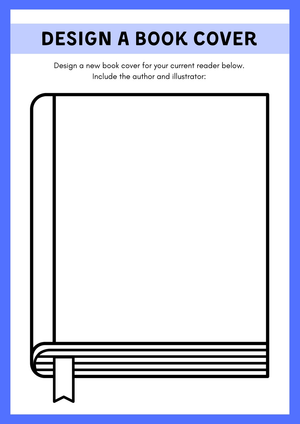
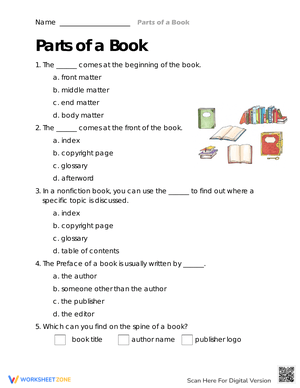
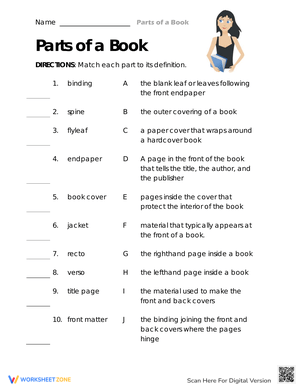
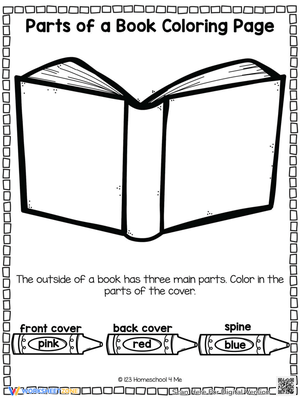
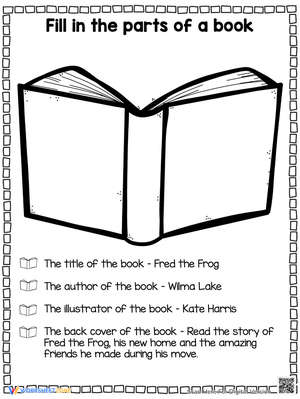
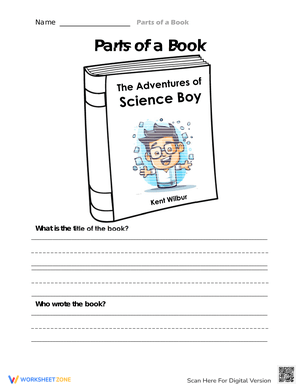
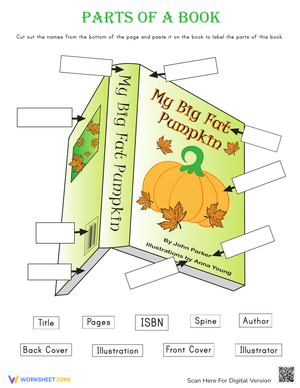
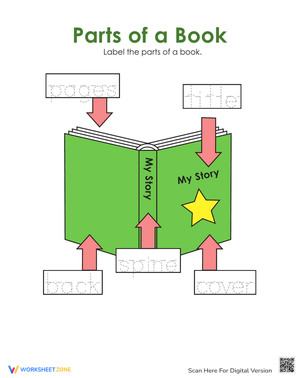
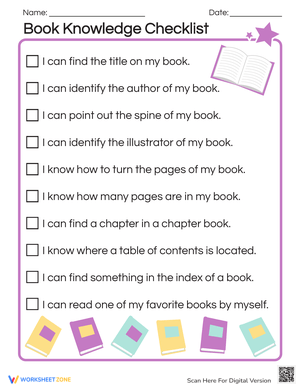
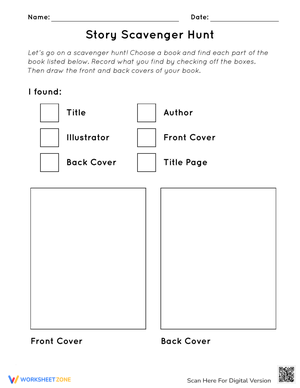
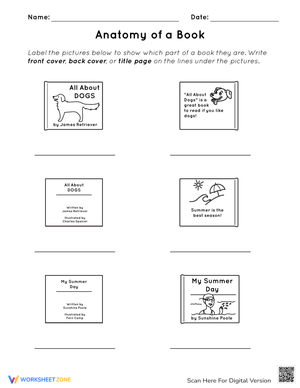
The first step in teaching how a book works is helping students identify its physical components. A book is a three-dimensional object with parts that serve specific functions. The front cover is the gateway to the story, usually featuring an engaging illustration and the title. The back cover often contains a summary or additional information. Between them lies the spine, which holds the pages together and allows the book to be stored on a shelf. Printable activities that task students with labeling these parts help solidify this vocabulary. When a teacher asks a student to 'find the spine,' the student is demonstrating a specific literacy skill that facilitates independent book selection.
Understanding the Roles of Authors and Illustrators
Every book is the result of creative collaboration, and understanding the roles of authors and illustrators is a standard component of kindergarten literacy. The author is the person who thought of the story and wrote the words down. The illustrator is the artist who created the pictures that help bring those words to life. Printable activities that separate these roles allow students to appreciate the different types of work that go into book creation. A common worksheet task might involve matching a picture of a pencil to the author and a paintbrush to the illustrator.
Scholastic: Print Awareness notes that developing print awareness involves recognizing the different functions of text and images. According to Scholastic, when children distinguish between the author and the illustrator, they begin to understand that books are human-made artifacts with specific purposes. This realization is a key step in developing critical thinking skills related to media literacy. Children who understand that an author chose specific words and an illustrator chose specific colors are better prepared to analyze the tone and message of a text as they grow older.
Developing Directionality: Tracking Text Left to Right
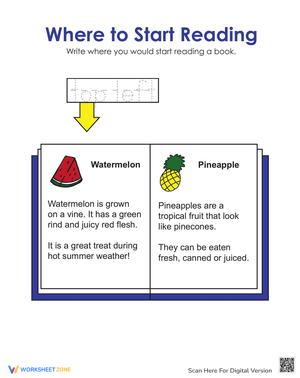
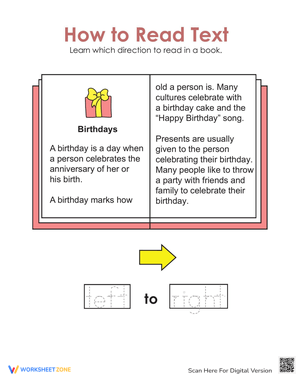
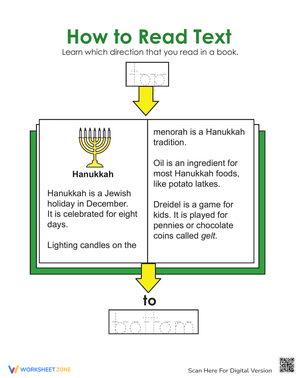
One of the most complex concepts for early readers is directionality. In English, we read from left to right and top to bottom. While this seems intuitive to adults, it is a learned behavior that requires significant practice. Printable activities that use arrows or numbered paths to show the way text flows are incredibly helpful. These how books work printable worksheets provide a visual scaffold for the 'return sweep'—the process of moving from the end of one line on the right back to the beginning of the next line on the left.
Research indicates that children who can identify the front and back of a book before age five are 30% more likely to achieve early reading fluency milestones within their first year of formal schooling. This statistic highlights why focusing on the physical orientation of a book is not just a 'nice-to-have' skill but a critical indicator of future success. When a child knows exactly where to start reading on a page, they are demonstrating a sophisticated understanding of the system of print. Printable worksheets help internalize these rules.
Classroom Implementation: Hands-on Book Mechanics Lessons
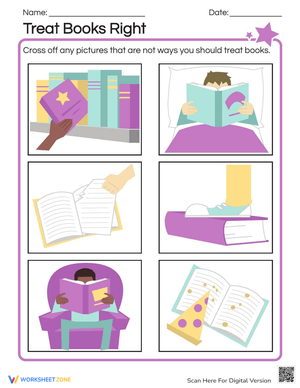
Integrating how books work printable worksheets into your daily routine doesn't have to be a standalone event. The most effective implementation occurs when these materials are used to support hands-on exploration. During center time, you might have a 'Book Hospital' station where students use a worksheet checklist to examine a set of books for 'injuries' to the spine, cover, or pages. Alternatively, during small group reading, you can start every session with a quick 'book check' using a printable guide that asks students to point to the title or the author’s name before the first page is even turned.
Teacher Tips for Reinforcing Concepts of Print Daily
Consistency is key when teaching book mechanics. One of the best tips for teachers is to narrate your own actions every time you pick up a book. Say things like, 'I am looking at the front cover to find the title,' or 'I am starting at the top left corner to read the first word.' This constant modeling, combined with how books work printable worksheets, reinforces the concepts throughout the day. You can also create a 'Print Awareness' wall in your classroom featuring enlarged versions of the worksheets your students have completed.
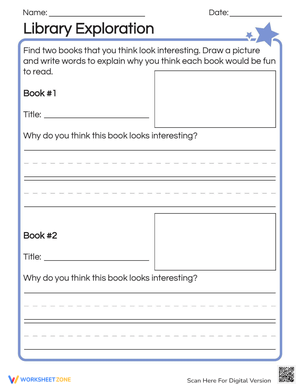
Another strategy is to use the worksheets as a warm-up for library visits. Before the class goes to the library, have them complete a quick activity that reviews how to handle books properly. This prepares them for real-world application. You can also send copies of the worksheets home. A simple printable serves as a communication tool, showing parents exactly what their child is learning and how they can reinforce those same habits during bedtime stories.
Effective Assessment Strategies for Early Literacy Skills
Assessment in kindergarten should be ongoing and largely observational, but how books work printable worksheets provide a helpful paper trail for tracking progress. By collecting these worksheets over a few months, you can see how a student's understanding has evolved. Early in the year, a student might struggle to distinguish the title from the illustration. By mid-year, they should be able to identify all the major parts of a book and demonstrate basic directionality. These completed materials provide concrete evidence of growth.
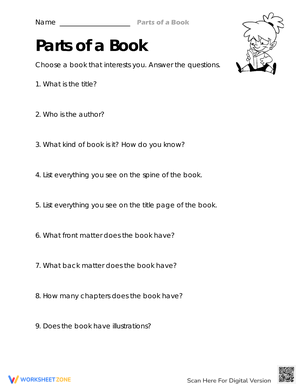
Informal assessments can also be done quickly using a single printable page. For instance, you can give the class a worksheet with three different book layouts and ask them to 'X' the one that is being held correctly. This takes only a minute but gives you an immediate snapshot of who needs more support. For a more formal check, you can sit one-on-one with a student and a physical book, using a printable rubric to score their ability to find the front, back, spine, and title. This combination of worksheet data and performance-based assessment gives a comprehensive view of the student's abilities.
Frequently Asked Questions
1. What are concepts of print and why are they important?
Concepts of print refer to the basic understanding of how books and written language work. This includes knowing that print carries a message, recognizing the parts of a book (like the cover and title), and understanding directionality (reading left to right). These skills are essential because they provide the framework for all future reading and writing instruction.
2. At what age should children start learning about how books work?
Children can start learning about book mechanics as soon as they are exposed to books, which often begins in infancy. In a formal educational setting, these concepts are a primary focus in Pre-K and Kindergarten. The goal is to ensure students have a strong grasp of these fundamentals before they begin the more intensive process of learning to decode words.
3. How can I help a student who struggles with directionality?
Students who struggle with reading from left to right benefit from high levels of visual scaffolding. Use worksheets with clear arrows or 'pathway' graphics that show exactly where to start and where to go next. Physical movement, such as sliding a finger along a line of text while the teacher reads, also helps reinforce the left-to-right flow of print.
4. How do I differentiate book mechanics lessons for diverse learners?
Differentiation can be achieved by providing worksheets at varying levels of complexity. For some students, you might use labeling activities with word banks, while for others, you might require them to write the names of the book parts independently. Using visual icons and reducing the amount of text on a page can also support ELL students and those with special needs.
5. Can I use these printable activities for home practice?
Absolutely! Sending how books work printable worksheets home is a great way to engage families in their child's literacy development. It provides parents with a clear example of the skills being taught in class and gives them a structured way to practice those skills during their own reading time at home.












 Interactive Worksheet Maker
 Quiz Maker
 Word Search Maker
 Crossword Puzzle Maker
 Word Scramble Generator
 Sentence Scramble Generator
 Handwriting Worksheet Generator
 Name Tracing Generator
 Fill In The Blank Generator