


























Views
Downloads
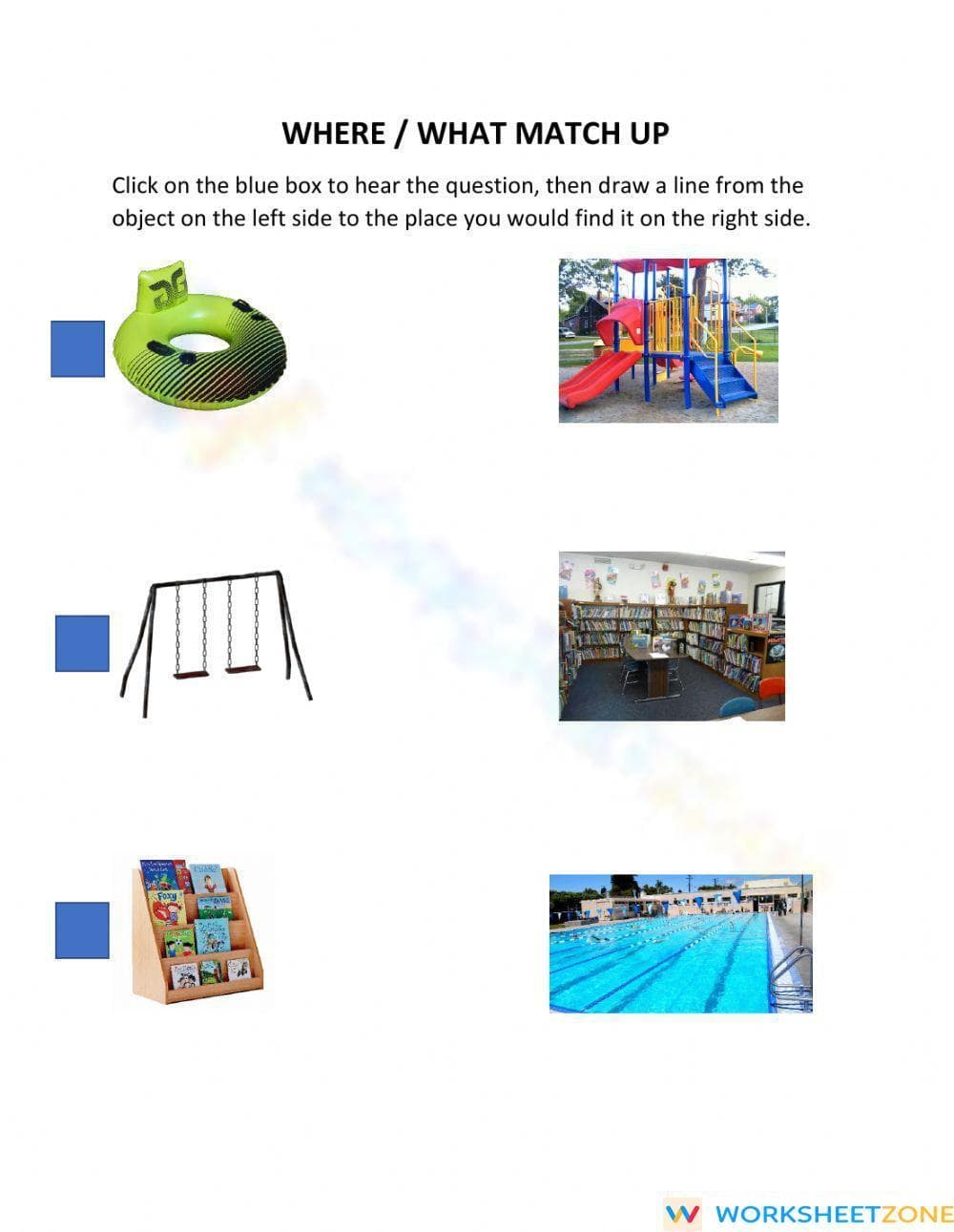
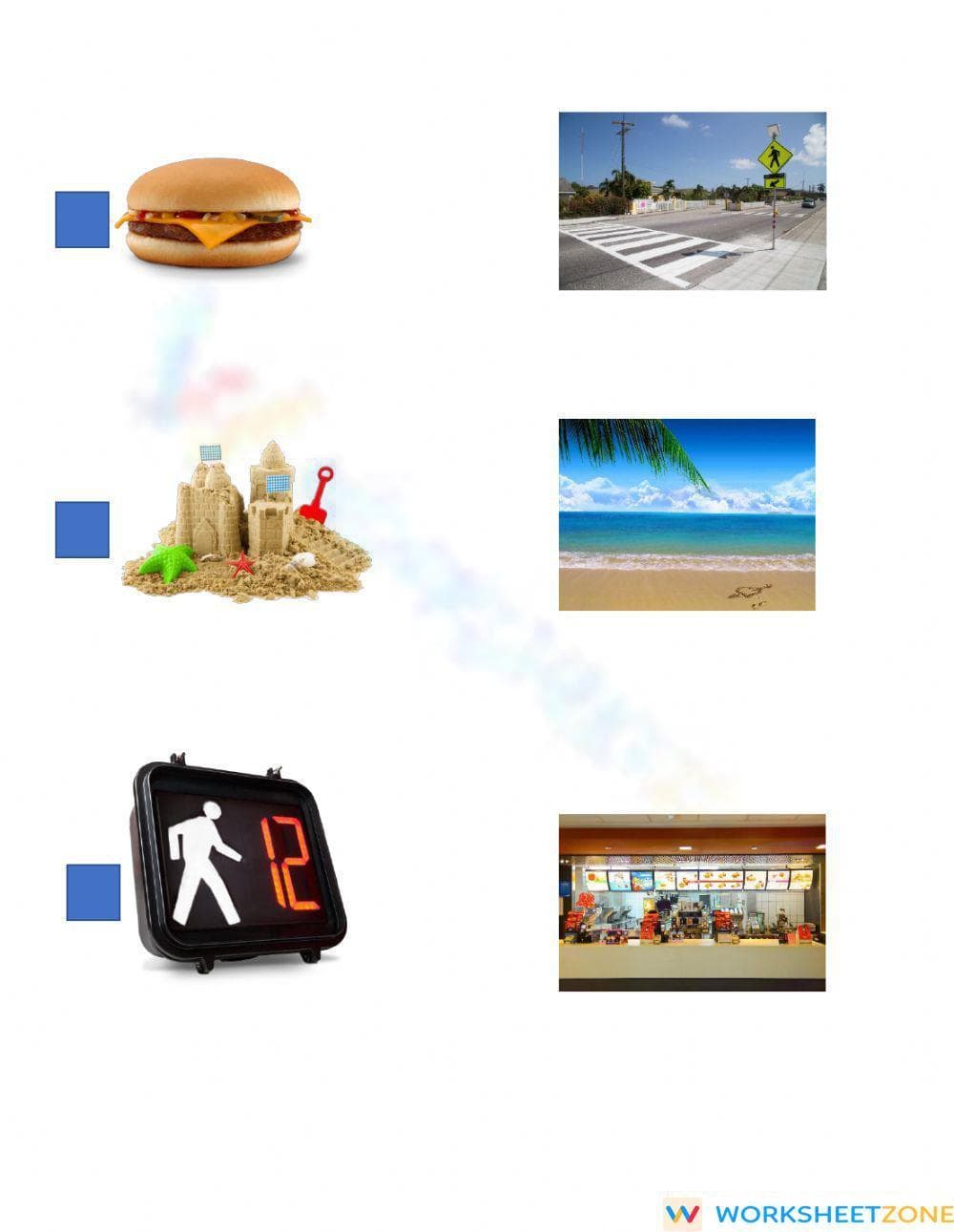
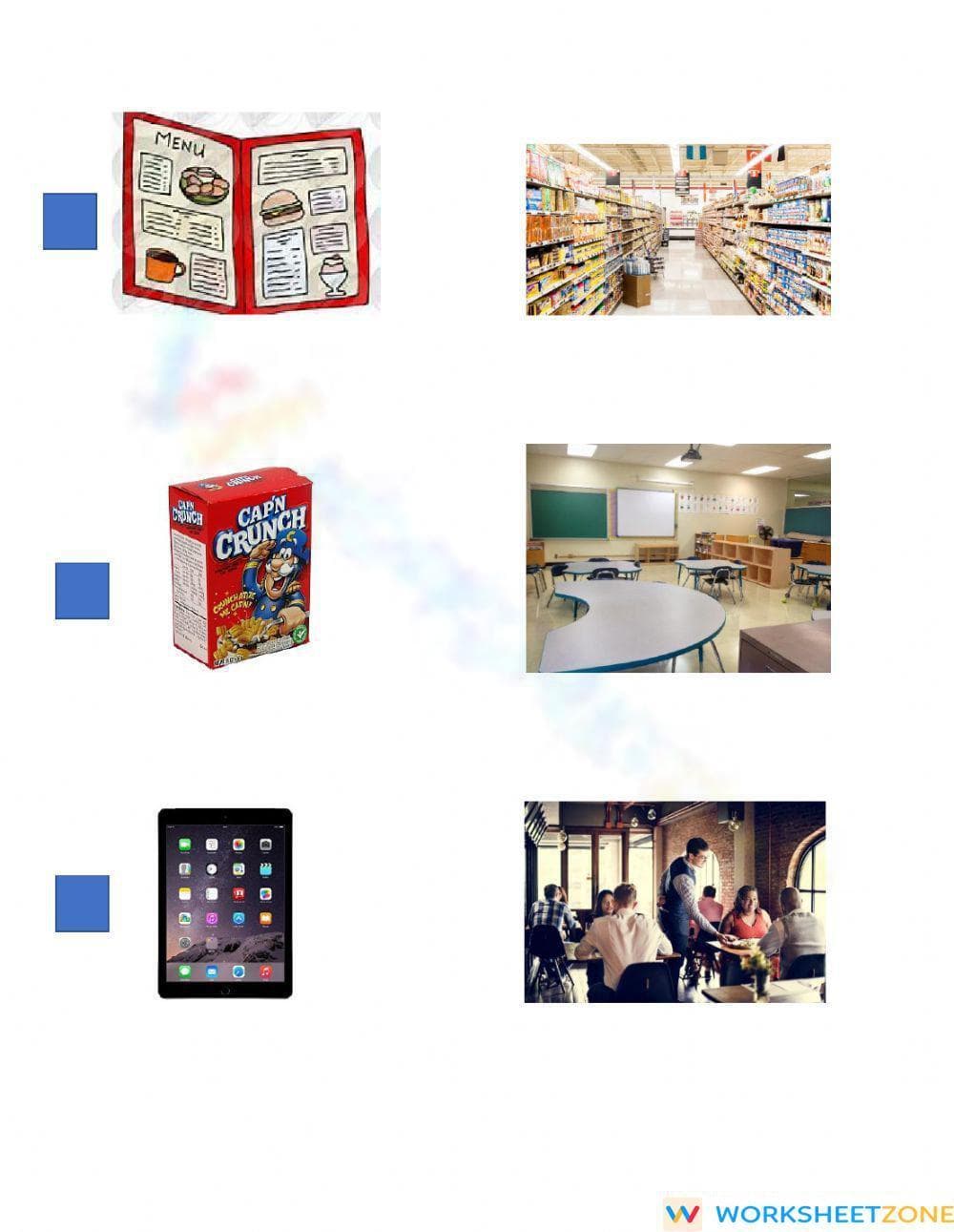

Essential Where and What Match Up Worksheet | Grades 1-5
Paste this activity's link or code into your existing LMS (Google Classroom, Canvas, Teams, Schoology, Moodle, etc.).
Students can open and work on the activity right away, with no student login required.
You'll still be able to track student progress and results from your teacher account.
Strengthen foundational language skills with this comprehensive association activity designed to help students connect objects with their logical environments. This worksheet focuses on the critical cognitive skill of categorization, allowing learners to identify where specific items belong in real-world contexts. By engaging with visual cues, students build the functional vocabulary necessary for everyday communication.
At a Glance
- Grade: 1–5 · Subject: ELA Sentences
- Standard:
CCSS.ELA-LITERACY.L.1.5.A— Sort common objects into categories to understand concepts and relationships- Skill Focus: Functional Association
- Format: 3 pages · 9 problems · Answer key included · PDF
- Best For: Early literacy and vocabulary development
- Time: 10–15 minutes
This resource contains three pages of visual matching tasks, totaling nine unique association problems. Each page features three objects on the left and three corresponding location images on the right. The worksheet is designed for digital and print use, including audio support for questions. A full answer key is provided to facilitate quick grading and student feedback.
The workflow for this resource requires less than two minutes of teacher preparation. First, print the three-page PDF or assign the interactive digital version (1 minute). Next, distribute the materials and model the line-drawing technique (1 minute). Finally, use the included answer key to review associations during a wrap-up session. This streamlined process makes it an ideal choice for sub plans.
This resource aligns with CCSS.ELA-LITERACY.L.1.5.A, sorting common objects into categories to understand relationships. By matching a pedestrian sign to a street or a bookshelf to a library, students demonstrate categorical mastery. These standard codes can be copied directly into lesson plans, IEP goals, or district curriculum mapping tools to ensure documented alignment with state expectations.
Implement this worksheet during a direct instruction lesson on community helpers to assess prior knowledge. Use it as a post-instruction formative assessment to observe how accurately students categorize items. Teachers should look for students who struggle with specific associations, indicating a need for targeted intervention. Completion typically takes 10 to 15 minutes depending on the setting.
This resource is tailored for Grades 1 through 3, serving as an intervention tool for English Language Learners and Special Education students in Grades 4 and 5. Pair this worksheet with a community-themed anchor chart or a read-aloud passage about neighborhood locations to create an immersive learning experience that bridges visual recognition with contextual language use.
The Essential Where and What Match Up activity provides a structured framework for developing the associative reasoning skills mandated by CCSS.ELA-LITERACY.L.1.5.A. According to the RAND AIRS 2024 report on early childhood literacy, the ability to categorize objects based on their environmental context is a significant predictor of future reading comprehension and linguistic fluency. This worksheet leverages high-frequency visual anchors to reduce cognitive load, allowing students to focus on the semantic relationships between objects and locations. Research indicates that multisensory approaches—combining visual, auditory, and kinesthetic line-drawing tasks—significantly improve retention rates for functional vocabulary in diverse learner populations. By providing a clear progression from simple playground associations to more complex grocery store or restaurant scenarios, the resource ensures that students develop a robust mental map of their community. Educators can confidently utilize this data-driven tool to provide evidence of student growth in foundational language standards and categorical logic.


